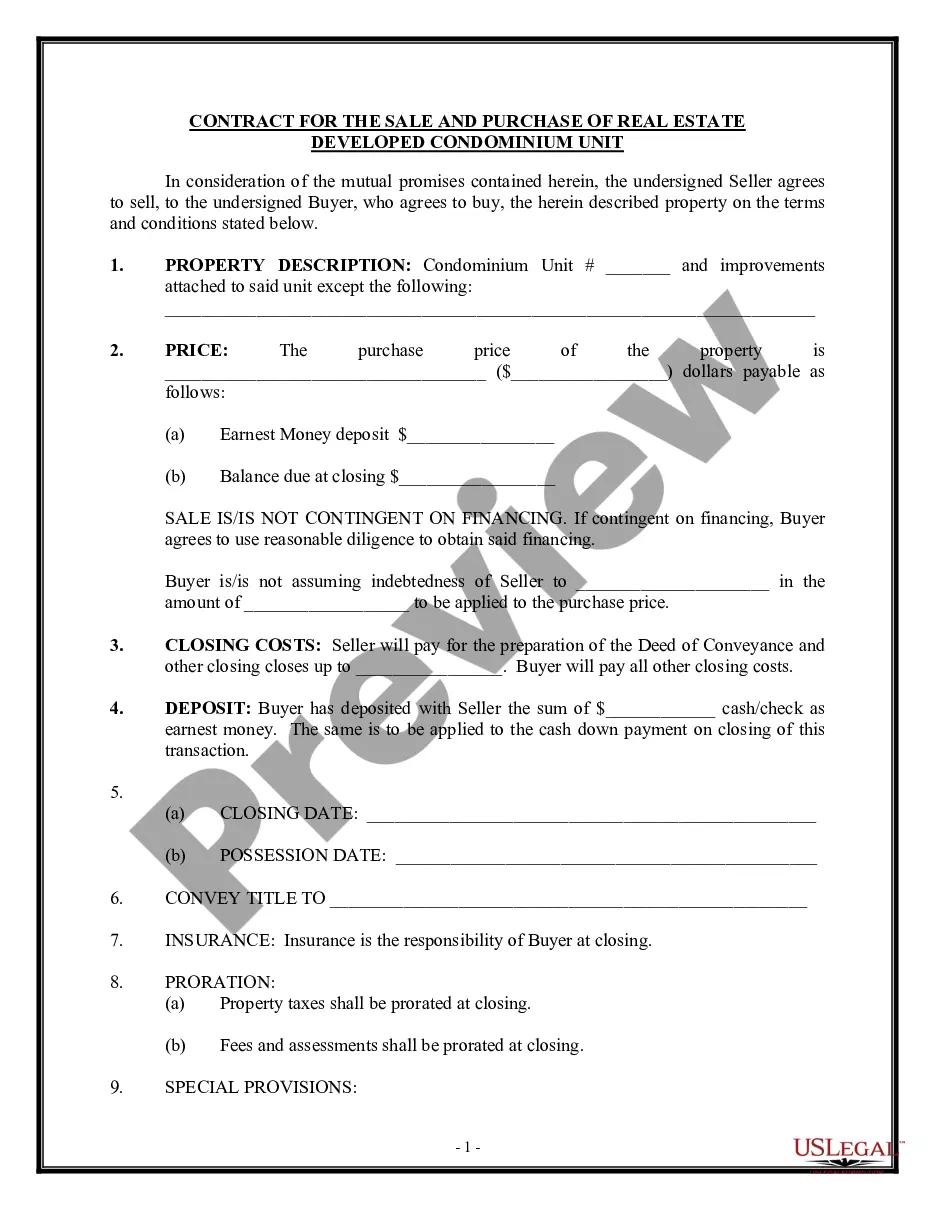
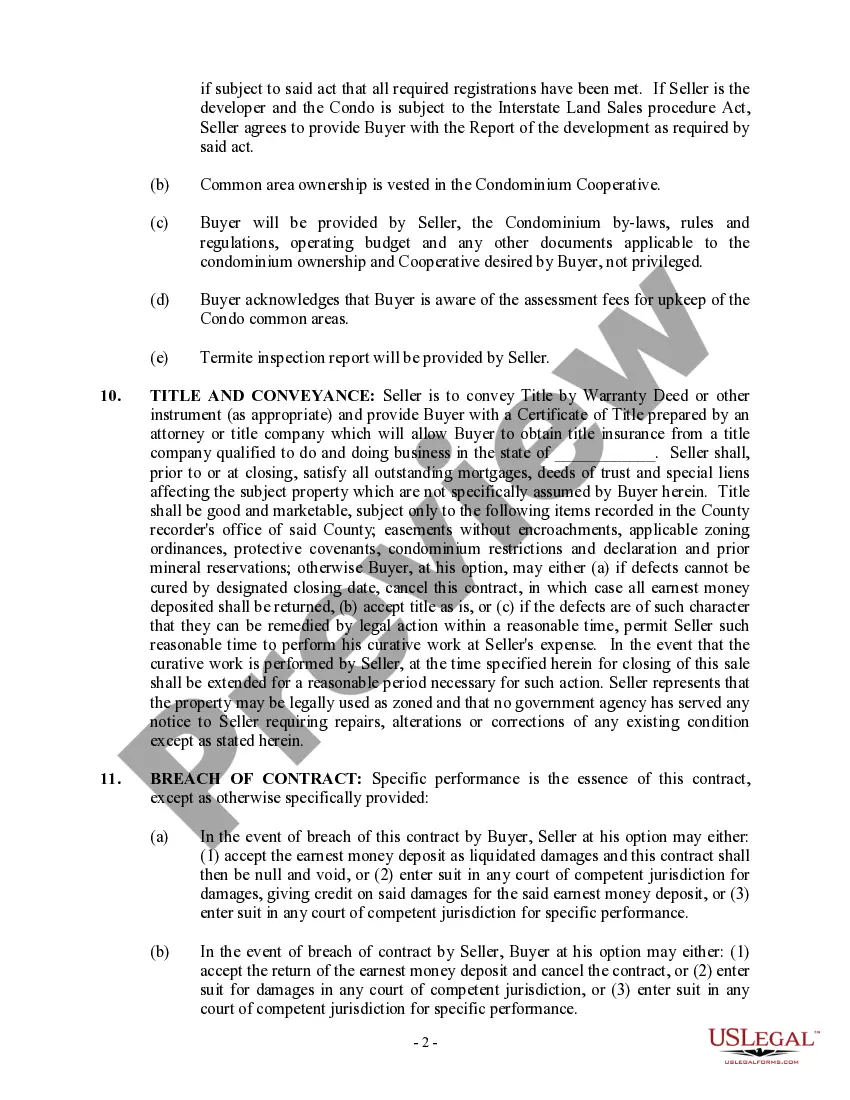
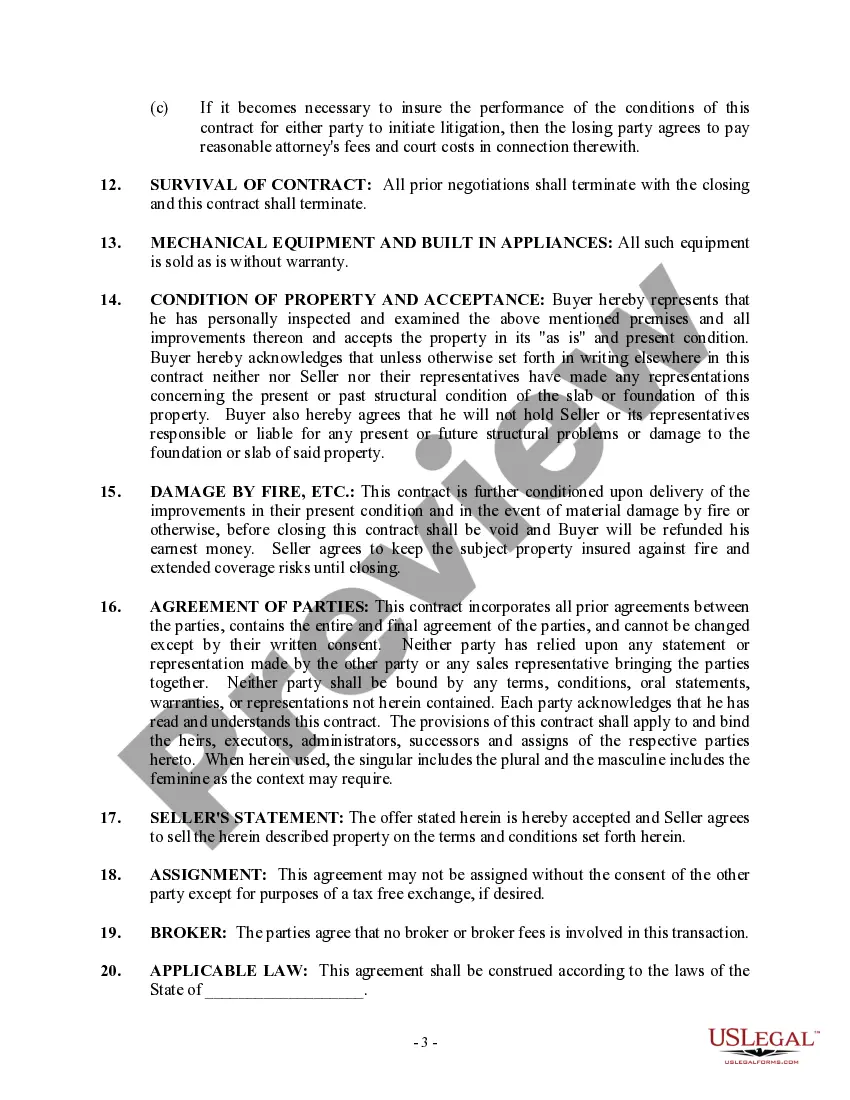
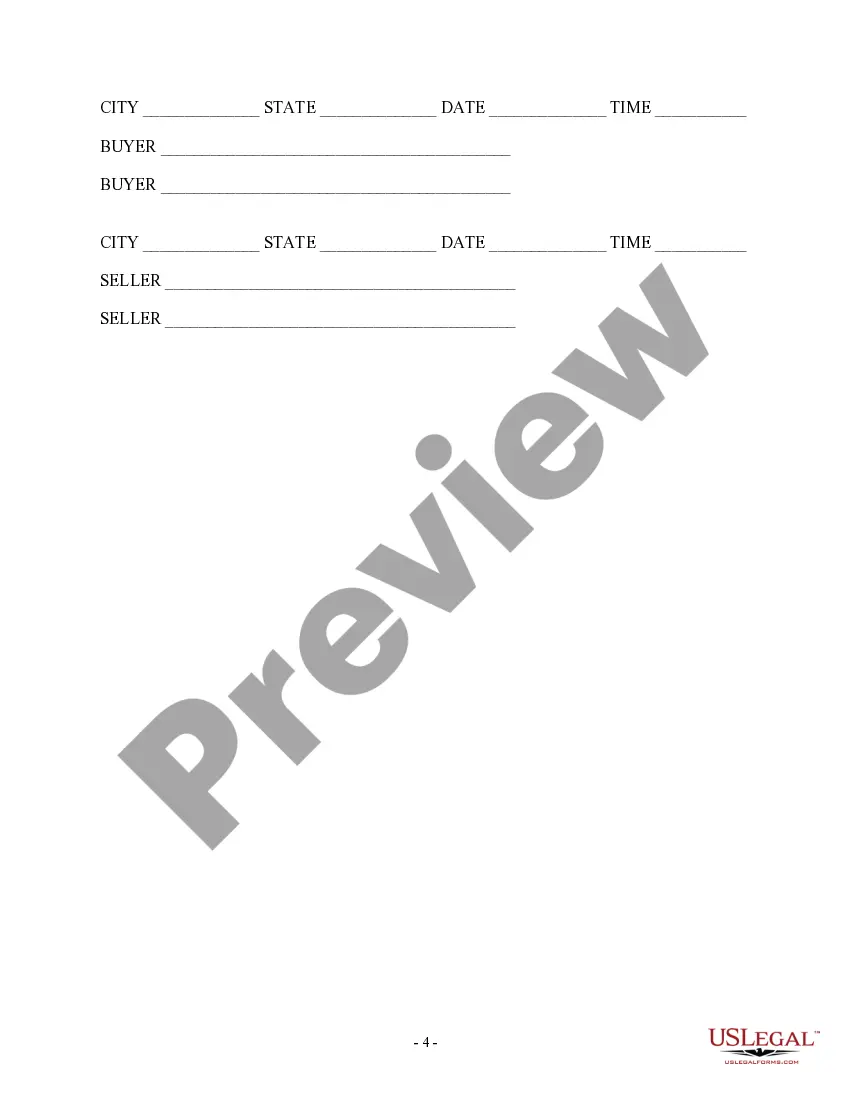
Condominium Real Estate Definition In Virginia
Description
Get your form ready online
Our built-in tools help you complete, sign, share, and store your documents in one place.
Make edits, fill in missing information, and update formatting in US Legal Forms—just like you would in MS Word.
Download a copy, print it, send it by email, or mail it via USPS—whatever works best for your next step.
Sign and collect signatures with our SignNow integration. Send to multiple recipients, set reminders, and more. Go Premium to unlock E-Sign.
If this form requires notarization, complete it online through a secure video call—no need to meet a notary in person or wait for an appointment.
We protect your documents and personal data by following strict security and privacy standards.

Make edits, fill in missing information, and update formatting in US Legal Forms—just like you would in MS Word.

Download a copy, print it, send it by email, or mail it via USPS—whatever works best for your next step.

Sign and collect signatures with our SignNow integration. Send to multiple recipients, set reminders, and more. Go Premium to unlock E-Sign.

If this form requires notarization, complete it online through a secure video call—no need to meet a notary in person or wait for an appointment.

We protect your documents and personal data by following strict security and privacy standards.
Looking for another form?






Form popularity
FAQ
Expert-Verified Answer The best description of inium ownership is that the space inside the unit belongs to the unit owner, while all owners share ownership of the common elements.
The main difference between an apartment and a inium lies in ownership structure. In an apartment, tenants rent units from landlords or property management companies, with no ownership rights. In contrast, a inium involves individual ownership of units within a larger complex or building.
The Virginia inium Act (the “Act”) was enacted on July 1, 1974. It superseded the Horizontal Property Act, which was enacted in 1962. iniums are purely “creatures of statute” meaning that without the laws permitting them, they would not exist. In other words, they are a legal entity created by statute.
A inium (or condo for short) is an ownership regime in which a building (or group of buildings) is divided into multiple units that are either each separately owned, or owned in common with exclusive rights of occupation by individual owners.
A inium is type of living residence within a multi-unit complex where each unit is individually owned. iniums are commonly called condos, for short. The origin of the term 'inium' comes from Latin meaning "joint rule."
A project comprised of two, three, or four residential units in which each unit is evidenced by its own title and deed. A two- to four-unit condo project may be either a new or established project and may be comprised of attached and/or detached units. A project consisting partially or solely of manufactured homes.
"Real property" means real property that is used for residential or nonresidential purposes. "Recording data" means the date, and deed book and page number or instrument number, that indicates where a document is recorded in the land records of the clerk of the circuit court pursuant to Chapter 6 (§ 55.1-600 et seq.).
Kitchen appliances within the units are not considered part of the common elements of a inium project since they are typically owned and maintained by individual unit owners. Swimming pools and greenbelt areas are examples of common elements as they are shared facilities within the inium project.
With regular iniums, the unit owner usually owns the internal unit space and a share of the corporation; the corporation owns the exterior of the building land and common area; in the case of a freehold inium the owner owns the land and building and the corporation owns common shared roadways and amenities.
