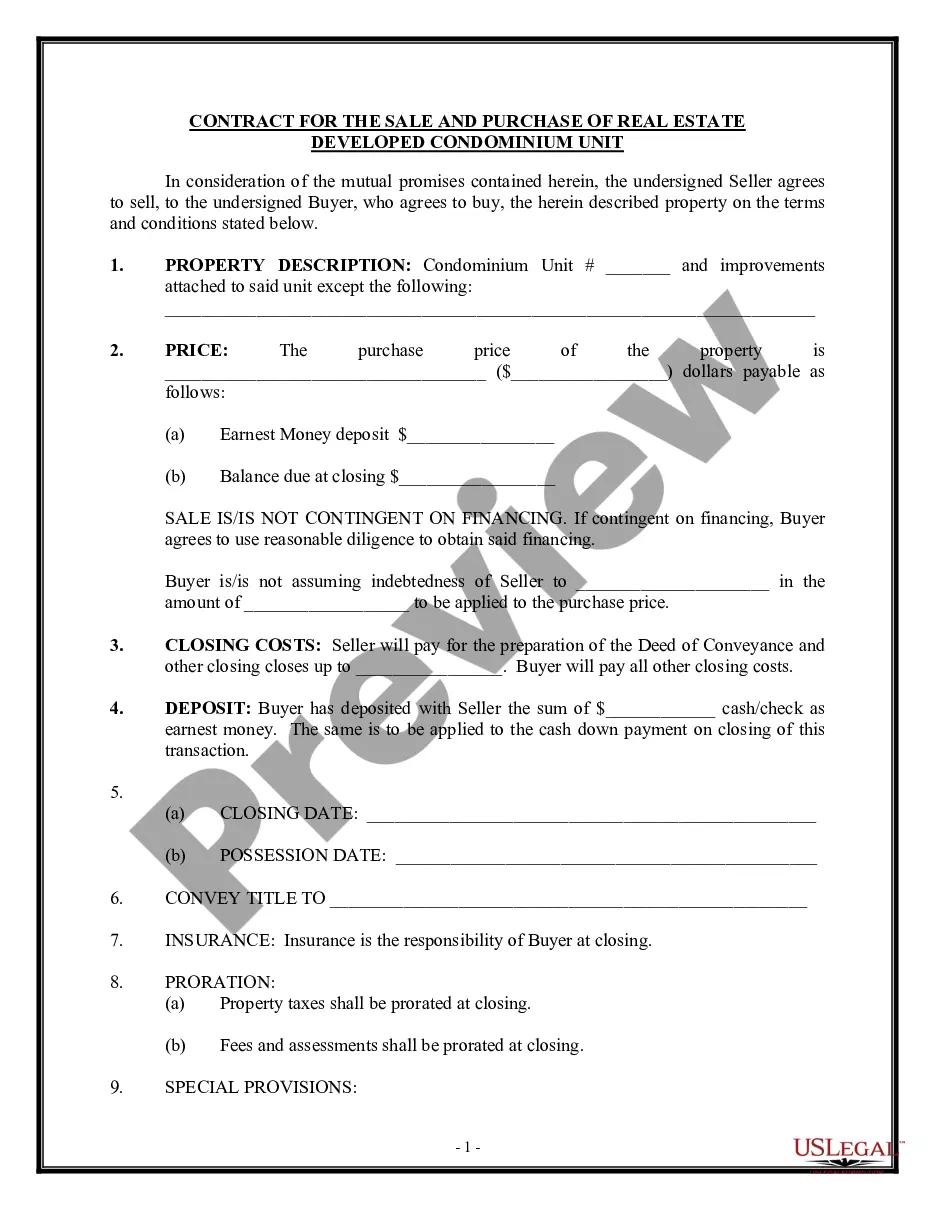
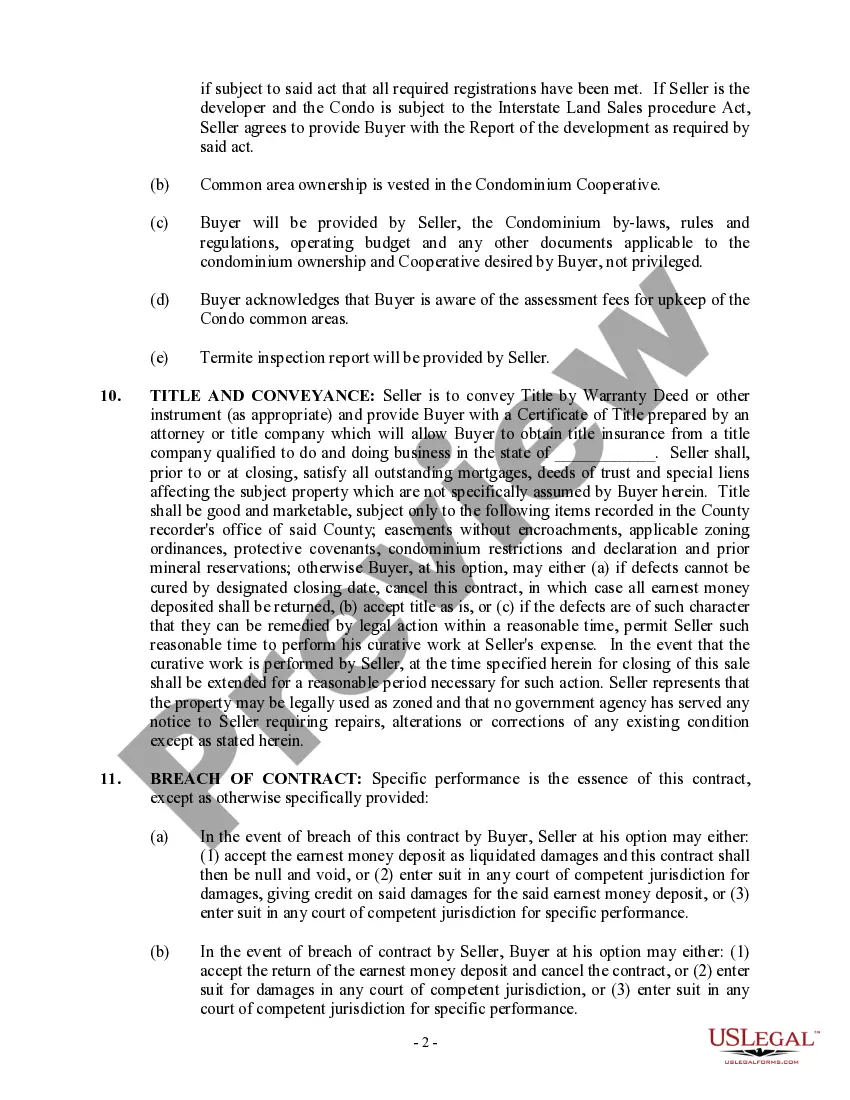
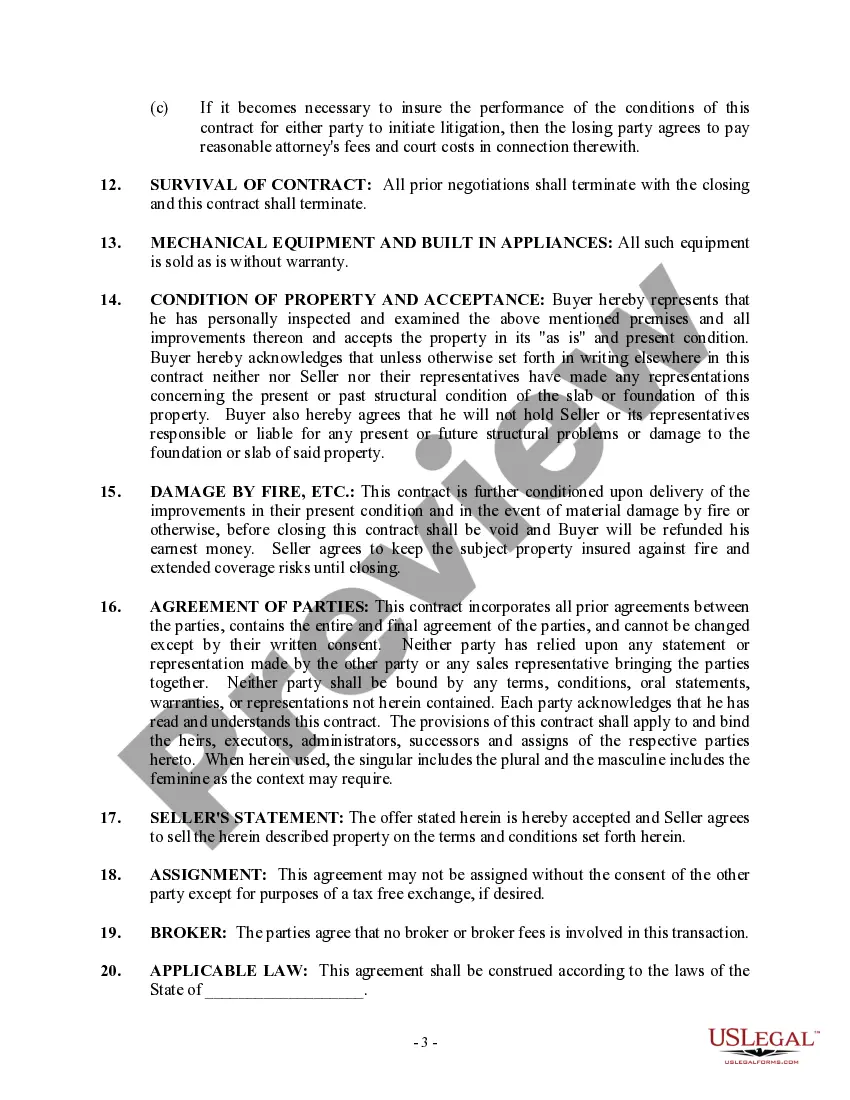
Condominium Real Estate Definition In North Carolina
Description
Get your form ready online
Our built-in tools help you complete, sign, share, and store your documents in one place.
Make edits, fill in missing information, and update formatting in US Legal Forms—just like you would in MS Word.
Download a copy, print it, send it by email, or mail it via USPS—whatever works best for your next step.
Sign and collect signatures with our SignNow integration. Send to multiple recipients, set reminders, and more. Go Premium to unlock E-Sign.
If this form requires notarization, complete it online through a secure video call—no need to meet a notary in person or wait for an appointment.
We protect your documents and personal data by following strict security and privacy standards.

Make edits, fill in missing information, and update formatting in US Legal Forms—just like you would in MS Word.

Download a copy, print it, send it by email, or mail it via USPS—whatever works best for your next step.

Sign and collect signatures with our SignNow integration. Send to multiple recipients, set reminders, and more. Go Premium to unlock E-Sign.

If this form requires notarization, complete it online through a secure video call—no need to meet a notary in person or wait for an appointment.

We protect your documents and personal data by following strict security and privacy standards.
Looking for another form?
Form popularity
FAQ
A inium, or condo, is an individually owned unit in a complex or building of units. A condo owner owns the space inside their condo and shares ownership interest in the community property, such as the floor, stairwells, and exterior areas.
Generally, the North Carolina inium Act requires unanimous approval of amendments that shift the allocation of undivided interests in the common elements or in the common expenses. A covenant amendment as to the party responsible for limited common element maintenance is not such an amendment.
A inium Information Statement (CIS) is the packet of documents provided to buyers purchasing a condo unit that is newly constructed or recently converted from a different use.
A inium is type of living residence within a multi-unit complex where each unit is individually owned. iniums are commonly called condos, for short. The origin of the term 'inium' comes from Latin meaning "joint rule."
Synonyms: condo. abode, domicile, dwelling, dwelling house, habitation, home. housing that someone is living in.
Condo owners share ownership of the common areas with other owners, while common areas in townhouse developments are usually owned by the homeowners' association for the benefit and use of unit owners.
Real property consists of land and buildings. Personal property consists of, for this guide, tangible personal property or all personal property that is not intangible and is not permanently affixed to real property. Motor vehicles, if registered, are assessed ing to its registration renewal date.
As defined by North Carolina law, private property would be owned by a private individual and not a commercial or other business interest.
