Roommate Agreement Rules In North Carolina
Description

Get your form ready online
Our built-in tools help you complete, sign, share, and store your documents in one place.
Make edits, fill in missing information, and update formatting in US Legal Forms—just like you would in MS Word.
Download a copy, print it, send it by email, or mail it via USPS—whatever works best for your next step.
Sign and collect signatures with our SignNow integration. Send to multiple recipients, set reminders, and more. Go Premium to unlock E-Sign.
If this form requires notarization, complete it online through a secure video call—no need to meet a notary in person or wait for an appointment.
We protect your documents and personal data by following strict security and privacy standards.

Make edits, fill in missing information, and update formatting in US Legal Forms—just like you would in MS Word.

Download a copy, print it, send it by email, or mail it via USPS—whatever works best for your next step.

Sign and collect signatures with our SignNow integration. Send to multiple recipients, set reminders, and more. Go Premium to unlock E-Sign.

If this form requires notarization, complete it online through a secure video call—no need to meet a notary in person or wait for an appointment.

We protect your documents and personal data by following strict security and privacy standards.
Looking for another form?







Form popularity
FAQ
Below is a general overview on how to evict a tenant in NC. Serving an Eviction Notice in NC. Filing a Summary Ejectment. Serving the Summons and Complaint. The Hearing. The Magistrate's Judgment. Changing Locks on the Property. Handling Personal Property.
North Carolina: Guests become tenants after occupying a property for 14 days. Ohio: Guests become tenants after occupying a property for 30 days.
The North Carolina Residential Rental Agreements Act was passed by the General Assembly in 1977 to define the duties of both the landlord and the tenant with respect to the maintenance and repair of the premises. It has been amended several times since then to address additional duties.
He would be legally considered a tenant at will even if he isn't paying any rent. You would have to give him a 30 day written notice to vacate. If he doesn't move in the 30 days, you would have to proceed through a fomal eviction in the court. This is a guide to NC landlord tenant law.
If you and your landlord aren't able to settle your disputes, you may want to call the Attorney General's Consumer Protection Division at 1-877-5-NO-SCAM.
File a Complaint with the North Carolina Office of Administrative Hearings (OAH): The North Carolina Office of Administrative Hearings (OAH) receives tenant complaints related to housing discrimination. Tenants looking to file a housing discrimination complaint against their landlord can call OAH at 984-236-1914.
To write a simple contract, title it clearly, identify all parties and specify terms (services or payments). Include an offer, acceptance, consideration, and intent. Add a signature and date for enforceability. Written contracts reduce disputes and offer better legal security than verbal ones.
In North Carolina, there are legal requirements that must be met to ensure the validity of a lease agreement: The agreement must be in writing. The security deposit must not exceed two months' rent. The landlord must provide a 30-day notice before increasing the rent.
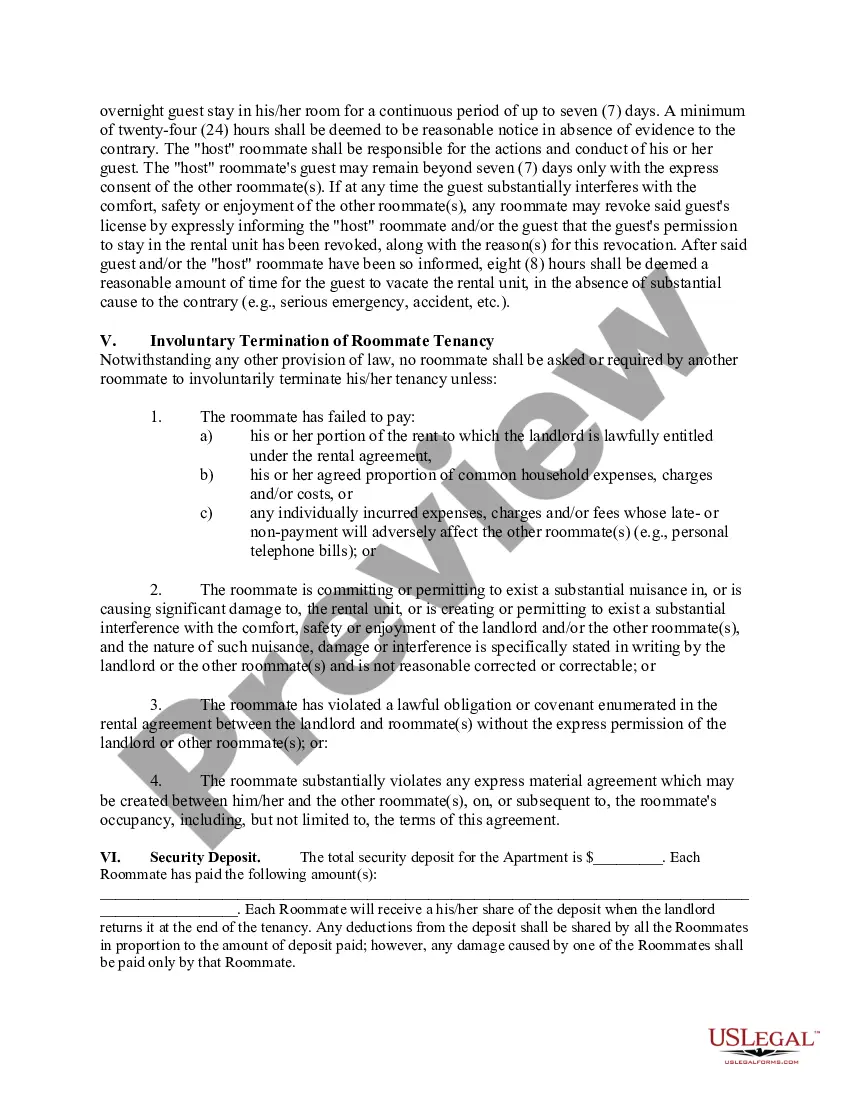
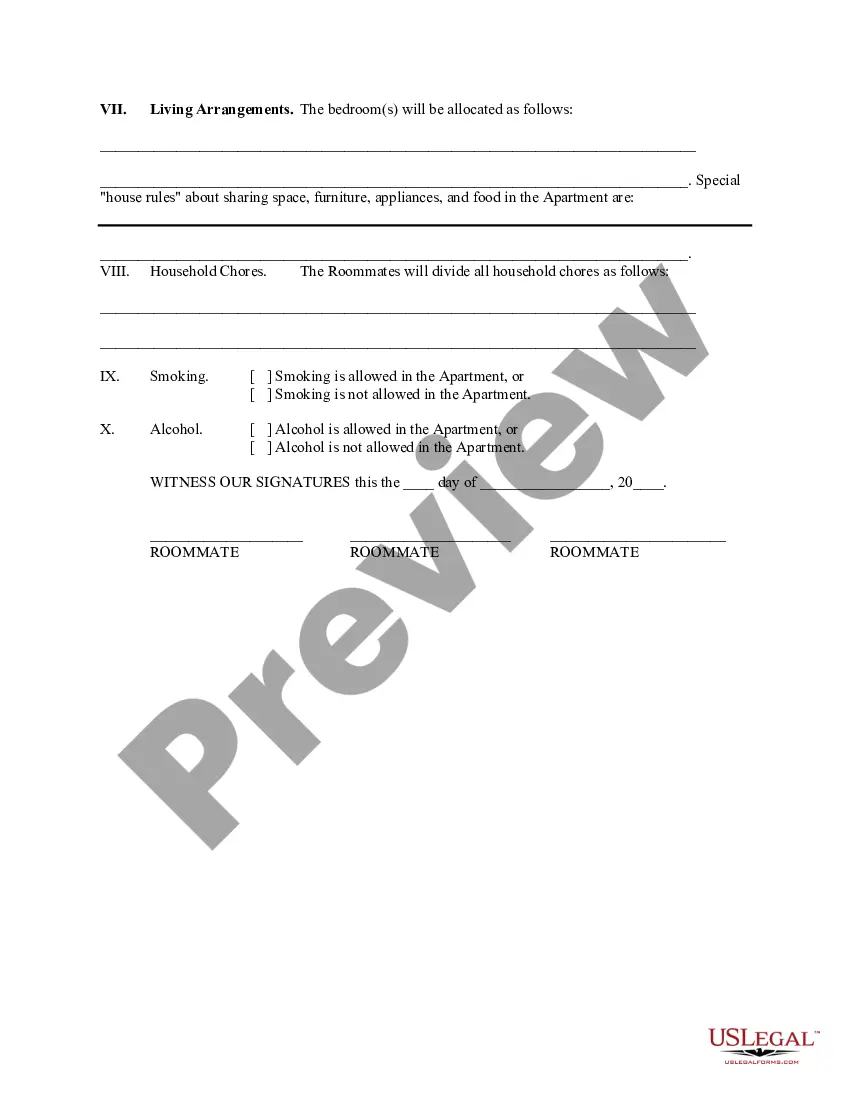
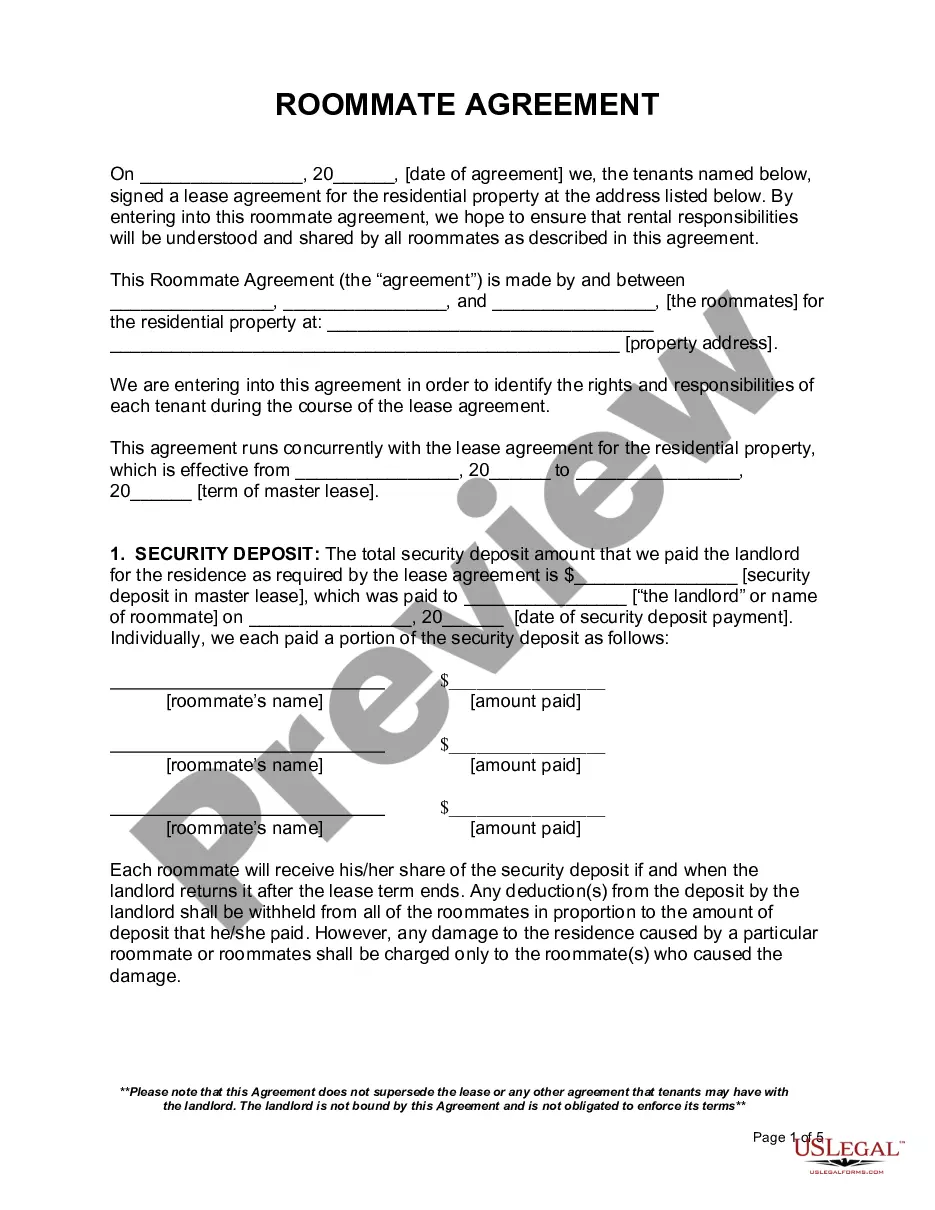
How to write a roommate agreement Names of both tenants. The property address. The dates the lease begins and ends. The amount of rent each person pays. Who pays for utilities. Who pays the security deposit. Which bedroom each person occupies. Who buys food, or if you're each buying your own food.
