Roommate Agreement Rules In Maryland
Description

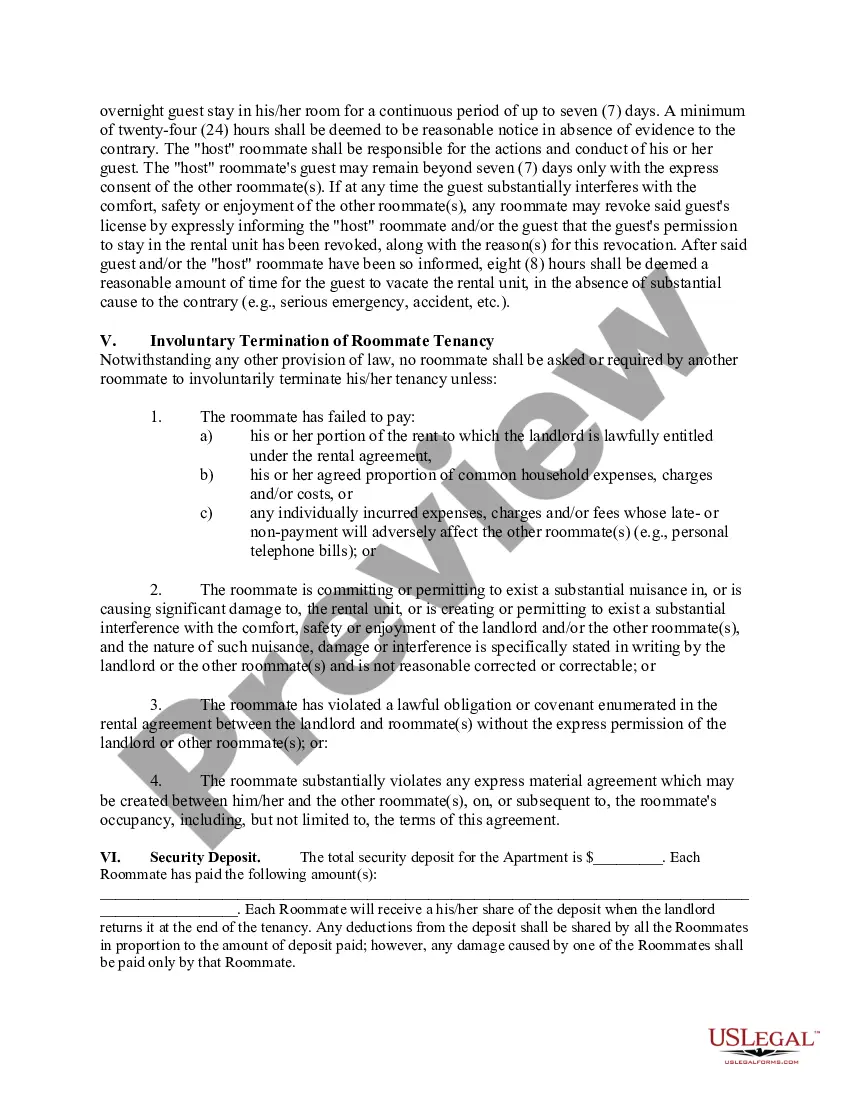
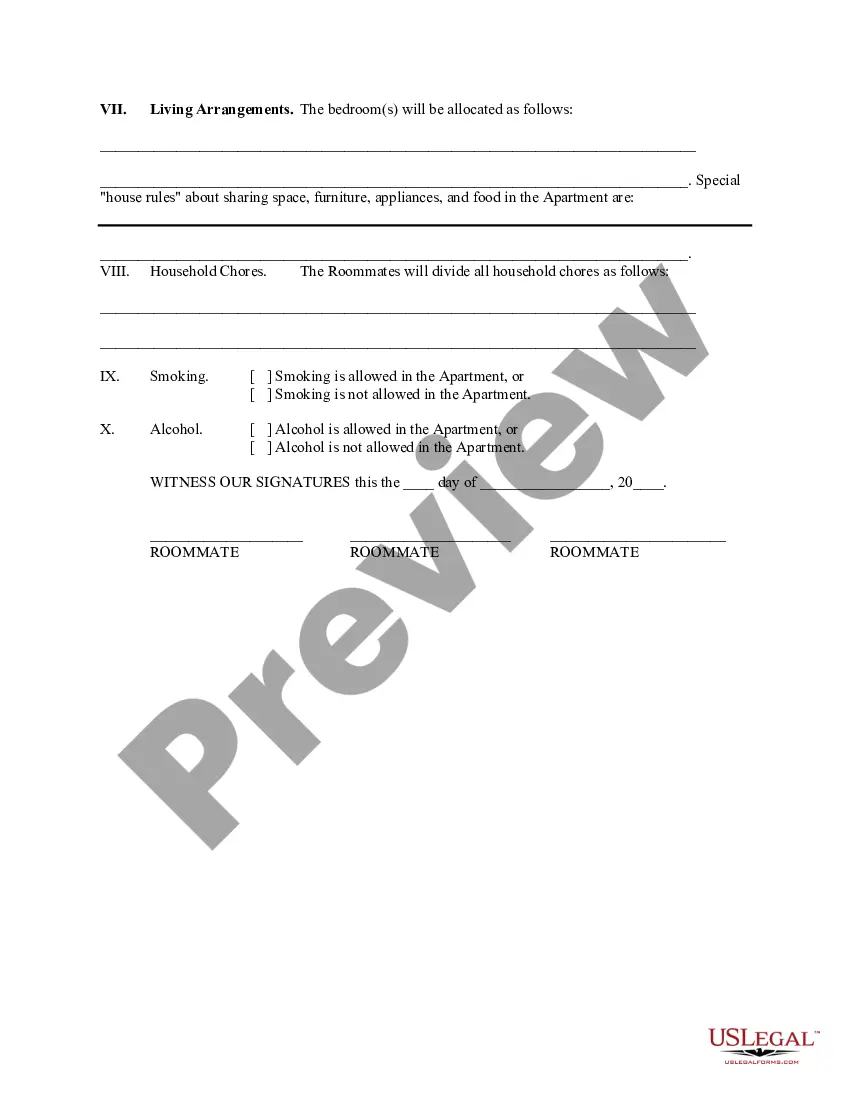
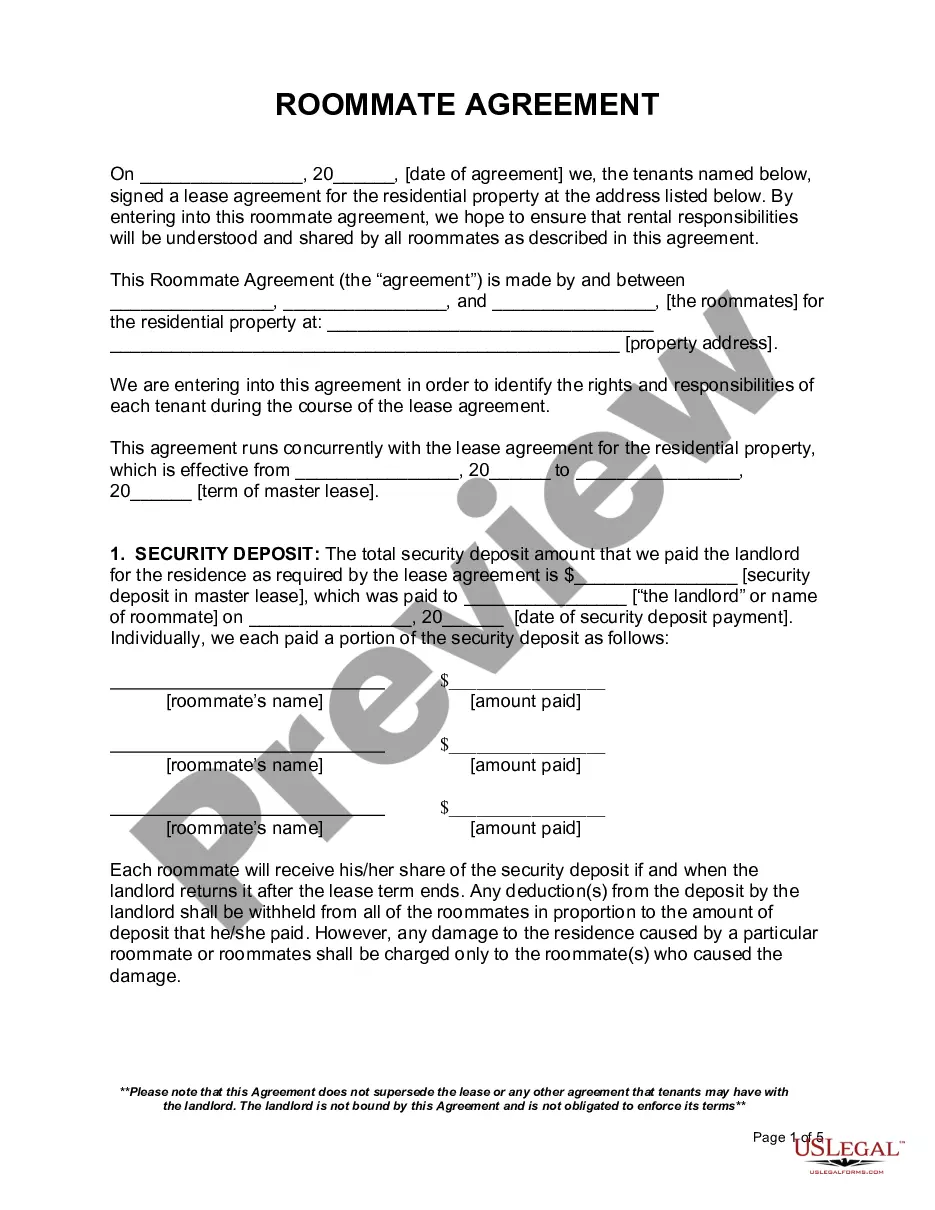
Get your form ready online
Our built-in tools help you complete, sign, share, and store your documents in one place.
Make edits, fill in missing information, and update formatting in US Legal Forms—just like you would in MS Word.
Download a copy, print it, send it by email, or mail it via USPS—whatever works best for your next step.
Sign and collect signatures with our SignNow integration. Send to multiple recipients, set reminders, and more. Go Premium to unlock E-Sign.
If this form requires notarization, complete it online through a secure video call—no need to meet a notary in person or wait for an appointment.
We protect your documents and personal data by following strict security and privacy standards.

Make edits, fill in missing information, and update formatting in US Legal Forms—just like you would in MS Word.

Download a copy, print it, send it by email, or mail it via USPS—whatever works best for your next step.

Sign and collect signatures with our SignNow integration. Send to multiple recipients, set reminders, and more. Go Premium to unlock E-Sign.

If this form requires notarization, complete it online through a secure video call—no need to meet a notary in person or wait for an appointment.

We protect your documents and personal data by following strict security and privacy standards.
Looking for another form?




Form popularity
FAQ
Since Maryland has no explicit regulations governing subletting, the landlord will need to approve the new tenant.
Even if you gave that person permission to enter the property, your guest must leave when you ask. If a guest or squatter refuses to leave, you may ask the court to issue an order to remove them by filing a "wrongful detainer" action in District Court.
While rules vary, many apartment communities state that the tenant cannot have an overnight guest for more than 14 nights per year. This is to ensure that there are no additional long-term occupants whose income should be included in the total household income.
Guests also become tenants after staying for over 14 days within six months. Maryland: Guests become tenants when they contribute towards rent or provide services to live at the property.
Property rights A tenant has exclusive rights to the use and access of their bedroom, while a lodger does not. In a lodger agreement, it might be the case that the landlord needs to enter the bedroom for cleaning or other service purposes, while in a tenancy the landlord would need permission to enter the room.
Yes, a Flatmate Agreement is a legally binding document. If a flatmate refuses to comply with their obligations as noted within the document, the other flatmates involved in the agreement can take them to court. If your flatmate stops paying their portion of the rent, this document can reinforce your claims in court.
When executed properly, a Roommate Agreement is a legally binding document. If a roommate fails to uphold their end of the agreement, it's possible you can reinforce your claims in court. However, there may be practical difficulties when trying to do so.
