Sample Lease Agreement For Roommate In Illinois
Description

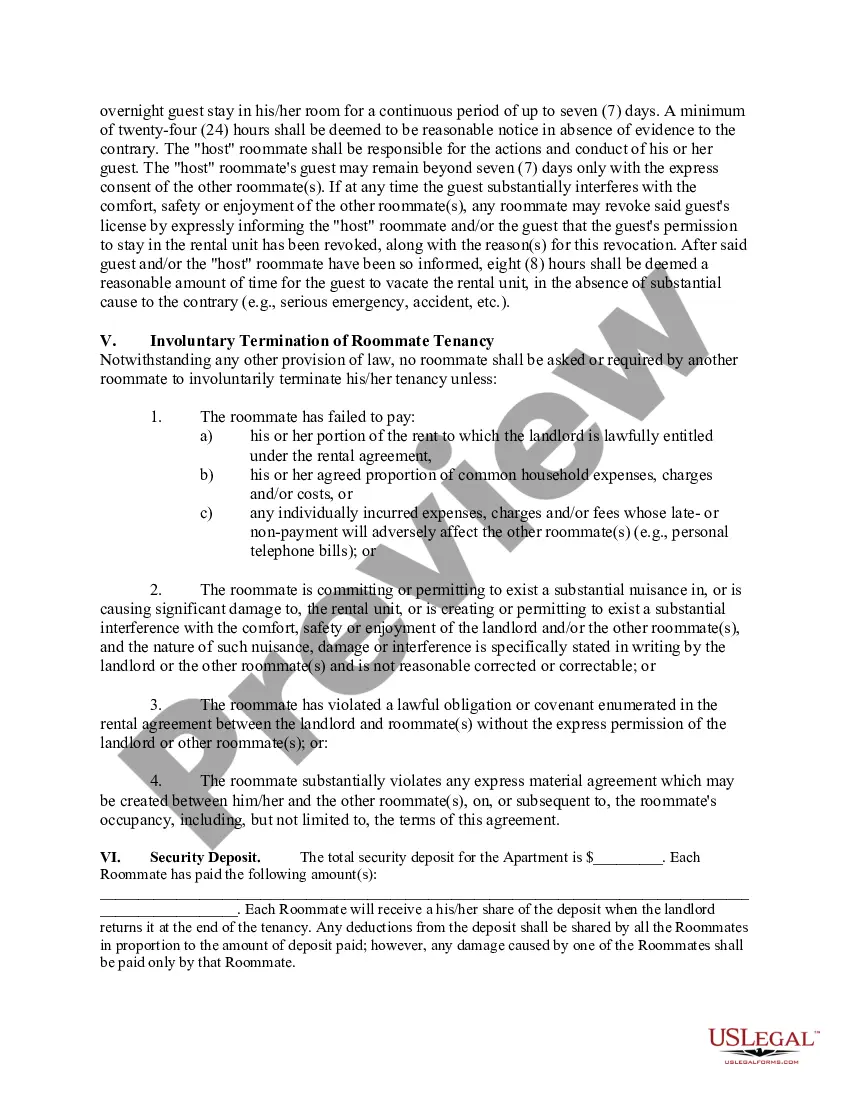
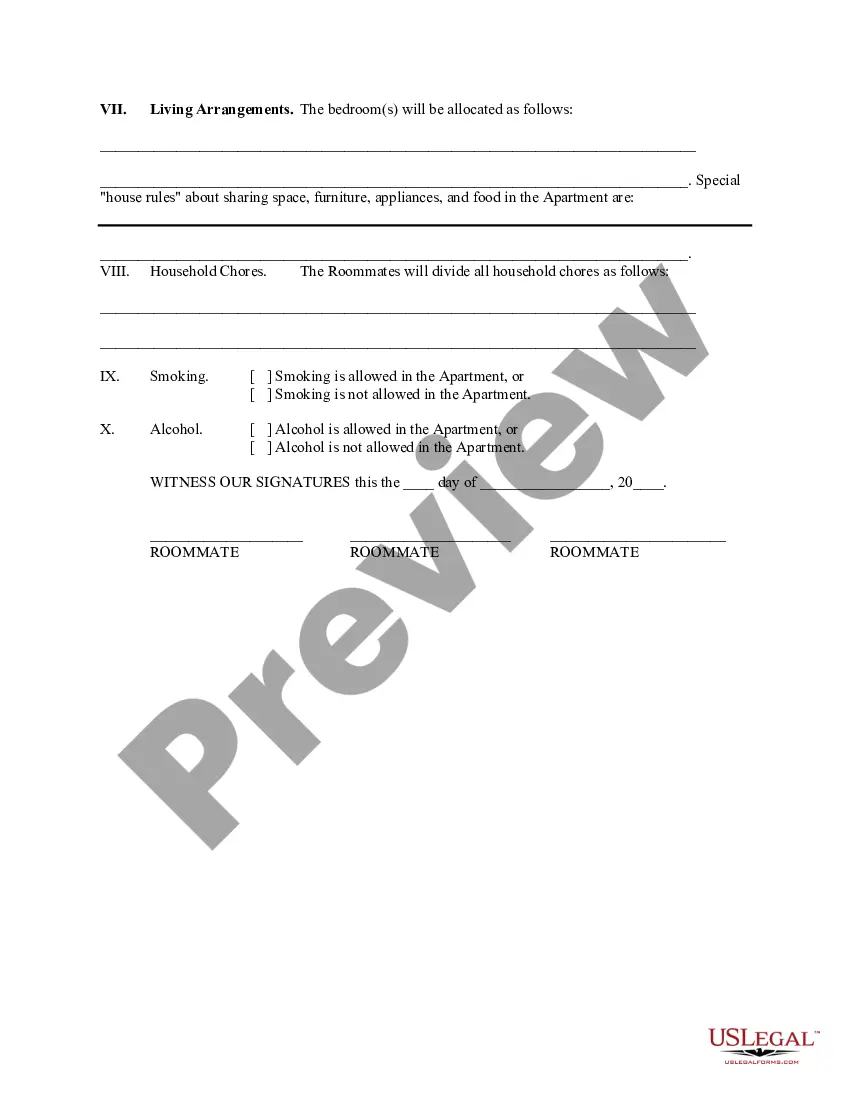
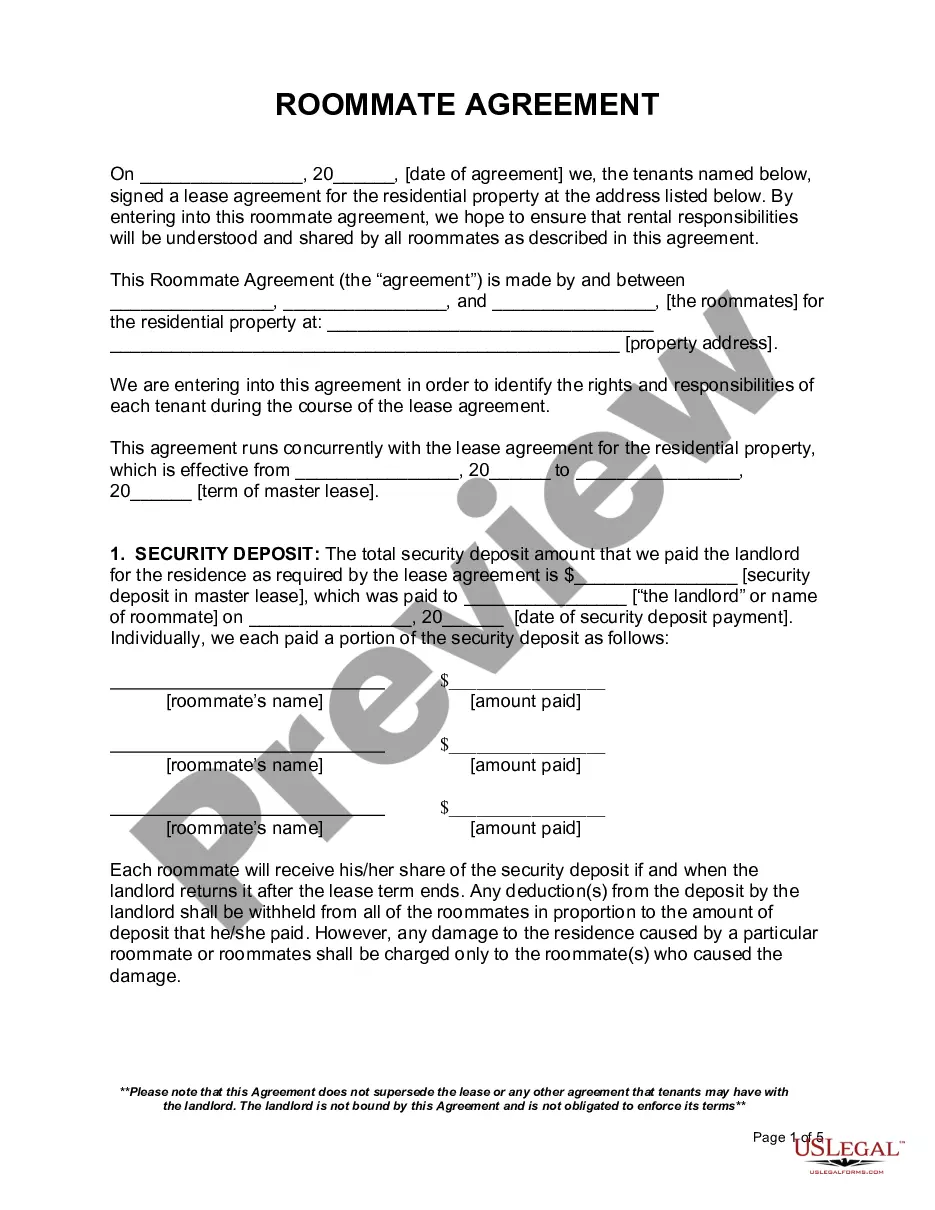
Get your form ready online
Our built-in tools help you complete, sign, share, and store your documents in one place.
Make edits, fill in missing information, and update formatting in US Legal Forms—just like you would in MS Word.
Download a copy, print it, send it by email, or mail it via USPS—whatever works best for your next step.
Sign and collect signatures with our SignNow integration. Send to multiple recipients, set reminders, and more. Go Premium to unlock E-Sign.
If this form requires notarization, complete it online through a secure video call—no need to meet a notary in person or wait for an appointment.
We protect your documents and personal data by following strict security and privacy standards.

Make edits, fill in missing information, and update formatting in US Legal Forms—just like you would in MS Word.

Download a copy, print it, send it by email, or mail it via USPS—whatever works best for your next step.

Sign and collect signatures with our SignNow integration. Send to multiple recipients, set reminders, and more. Go Premium to unlock E-Sign.

If this form requires notarization, complete it online through a secure video call—no need to meet a notary in person or wait for an appointment.

We protect your documents and personal data by following strict security and privacy standards.
Looking for another form?










Form popularity
FAQ
If your roommate is not on the lease, the law considers him your subtenant, and you can evict him. Your first step in the eviction process is providing your roommate with the legally required notice. You must give him thirty days of notice that you intend to evict him.
When you sign a joint lease, you and your roommates' names are on the same lease. Usually, your rent payments are combined, but you should ask your landlord how they prefer to receive payments. To decide if co-signing a lease is right for you, consider the benefits and drawbacks that may apply.
Create a list of house rules with your roommates and agree on how you'll handle monthly rent payments. Decide how you'll be sharing food, utility, and furniture costs, and try to balance out how much each roommate spends. Use digital payment apps for splitting expenses or set up a shared bank account.
What do I include in a Roommate Agreement? Information about the property, roommates, and original lease. Term or length of the agreement. Rent responsibilities. Security deposit details. Responsibilities for utilities and household costs. House rules, roommate duties, and restrictions. Rules for termination of tenancy.
How to write a roommate agreement Names of both tenants. The property address. The dates the lease begins and ends. The amount of rent each person pays. Who pays for utilities. Who pays the security deposit. Which bedroom each person occupies. Who buys food, or if you're each buying your own food.
A lease in Illinois must include the names of all parties, property address, lease term, rent amount, and payment terms. It should be signed by both the landlord and tenant. Specific changes for 2024 can be found in Illinois Lease Agreements: A 2024 Guide.
