Rental Lease Agreement Document With Cosigner In California
Description
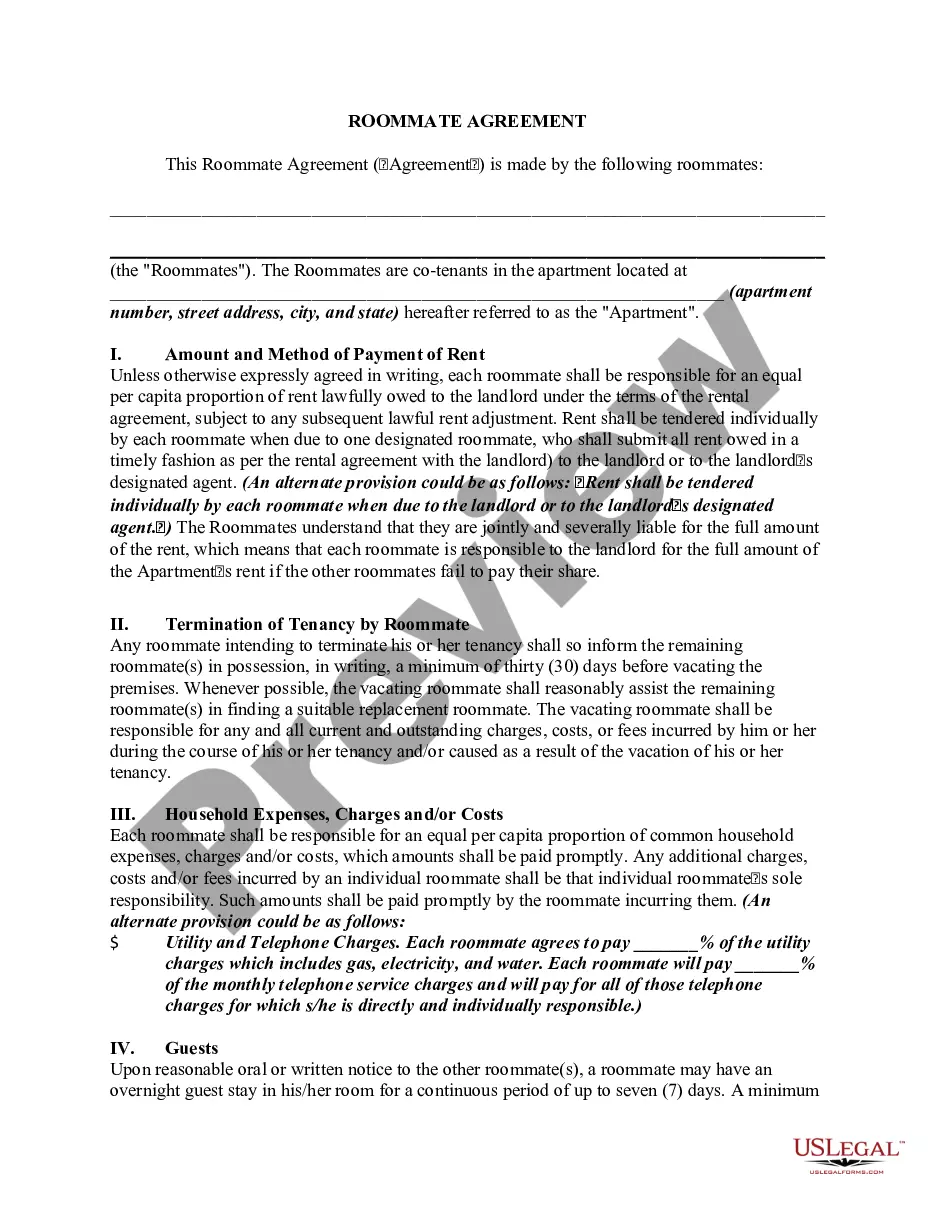
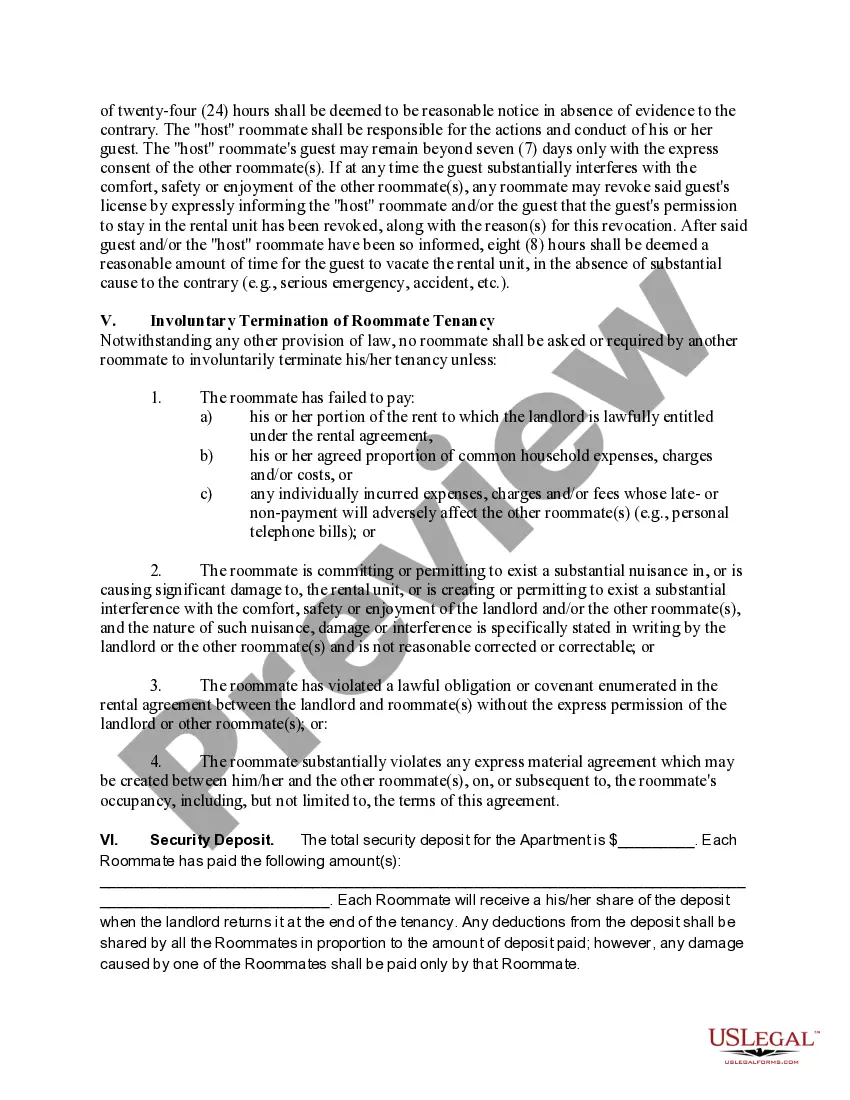
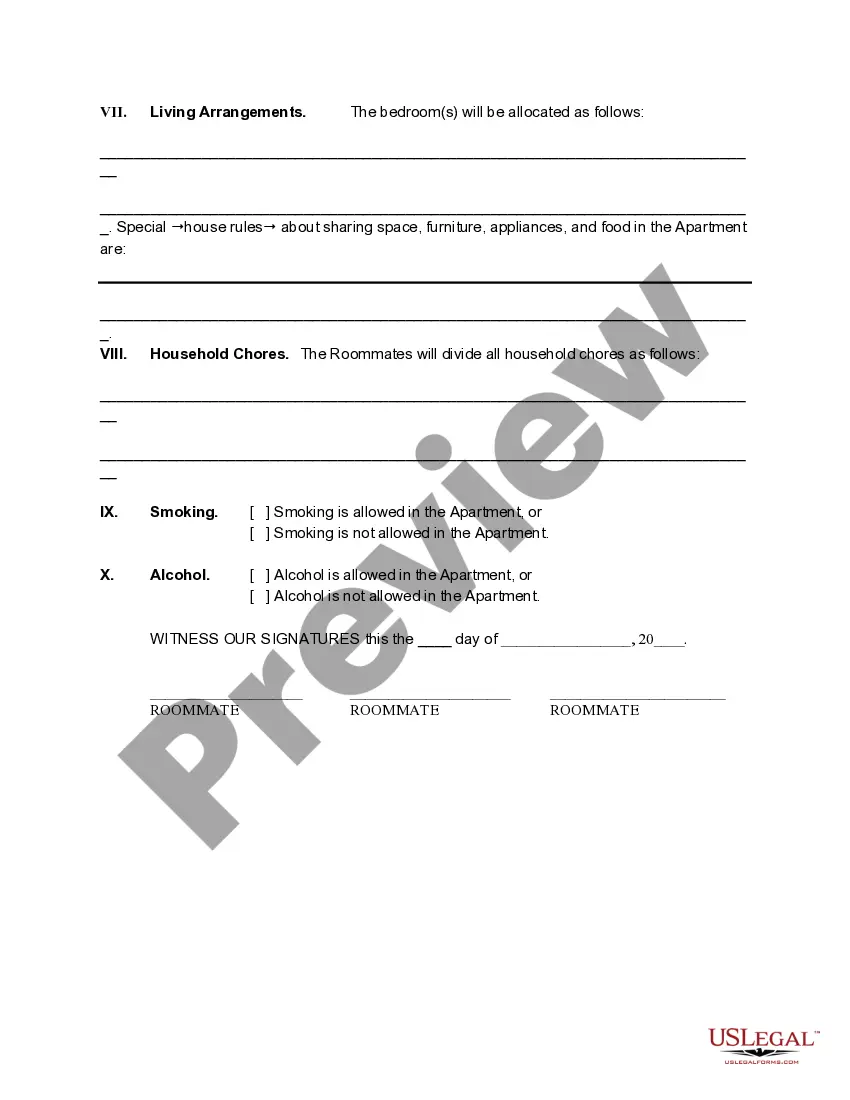

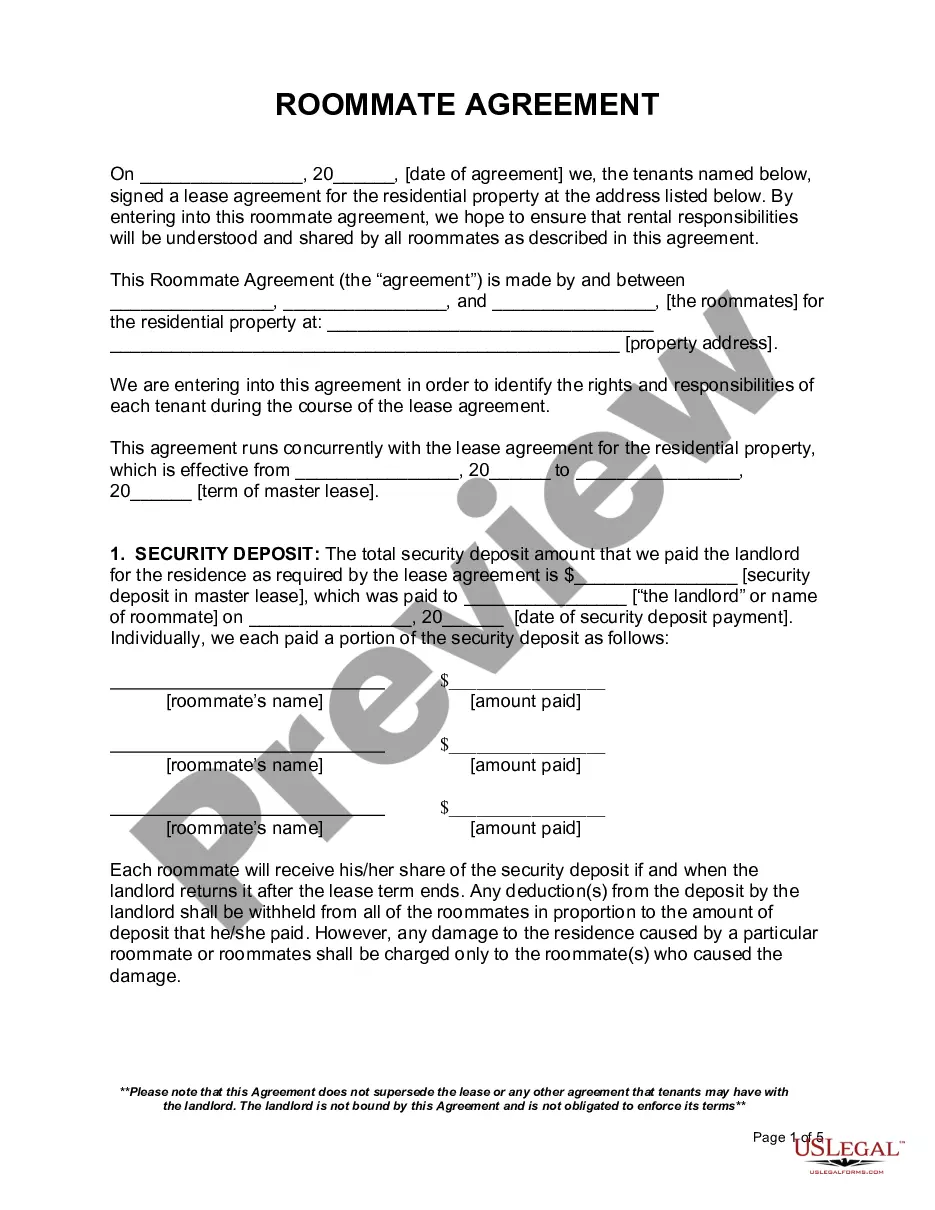
Get your form ready online
Our built-in tools help you complete, sign, share, and store your documents in one place.
Make edits, fill in missing information, and update formatting in US Legal Forms—just like you would in MS Word.
Download a copy, print it, send it by email, or mail it via USPS—whatever works best for your next step.
Sign and collect signatures with our SignNow integration. Send to multiple recipients, set reminders, and more. Go Premium to unlock E-Sign.
If this form requires notarization, complete it online through a secure video call—no need to meet a notary in person or wait for an appointment.
We protect your documents and personal data by following strict security and privacy standards.

Make edits, fill in missing information, and update formatting in US Legal Forms—just like you would in MS Word.

Download a copy, print it, send it by email, or mail it via USPS—whatever works best for your next step.

Sign and collect signatures with our SignNow integration. Send to multiple recipients, set reminders, and more. Go Premium to unlock E-Sign.

If this form requires notarization, complete it online through a secure video call—no need to meet a notary in person or wait for an appointment.

We protect your documents and personal data by following strict security and privacy standards.
Looking for another form?
Form popularity
FAQ
Yes, in California, once both parties have signed a lease agreement, the landlord is required to provide the tenant with a copy of the signed lease. This requirement ensures that both parties have a record of the terms and conditions agreed upon.
The most common example is a parent co-signing for their child's first apartment since the child has no rental history. Other examples include co-signing an apartment for a significant other who doesn't live with you or for an unemployed family member.
The Co-signer will remain responsible for the entire term of the lease, including any renewal and will not be released without written consent of the Landlord/Property Management Company. The Co-signer agrees to payment of rent and any monetary damages suffered by the Landlord/Property Management Company.
A California standard residential lease agreement is a fixed-term contract between a landlord and a tenant regarding a rental property. It typically covers matters such as maintenance, health hazards, and monthly rent.
Joint tenancies In this situation, as a guarantor, you are likely to be responsible for whatever any of the joint tenants owe the landlord, not just what the tenant you are helping may owe. You may also be responsible for any damage caused by other tenants, not just the one you're wanting to help.
The standard lease agreement in California, whether for residential or commercial property, is a legal contract between the property owner and the prospective tenant. It outlines the terms under which the tenant can occupy and use the rental property.
Signing Requirements Your cosigner must be available to sign application documents ing to the lender's requirements: in person, with a notary or by e-signing. They may also need to provide documents, which could include the following: Government-issued identification. Social Security card.
When you cosign a document, you sign it with another person. You and your business partner might cosign a lease for your new office space. You can use the verb cosign in two slightly different ways. First, if two (or more) people put their signatures on a form or letter, you can say they cosign it.