Master Deed Condominium Meaning In Utah
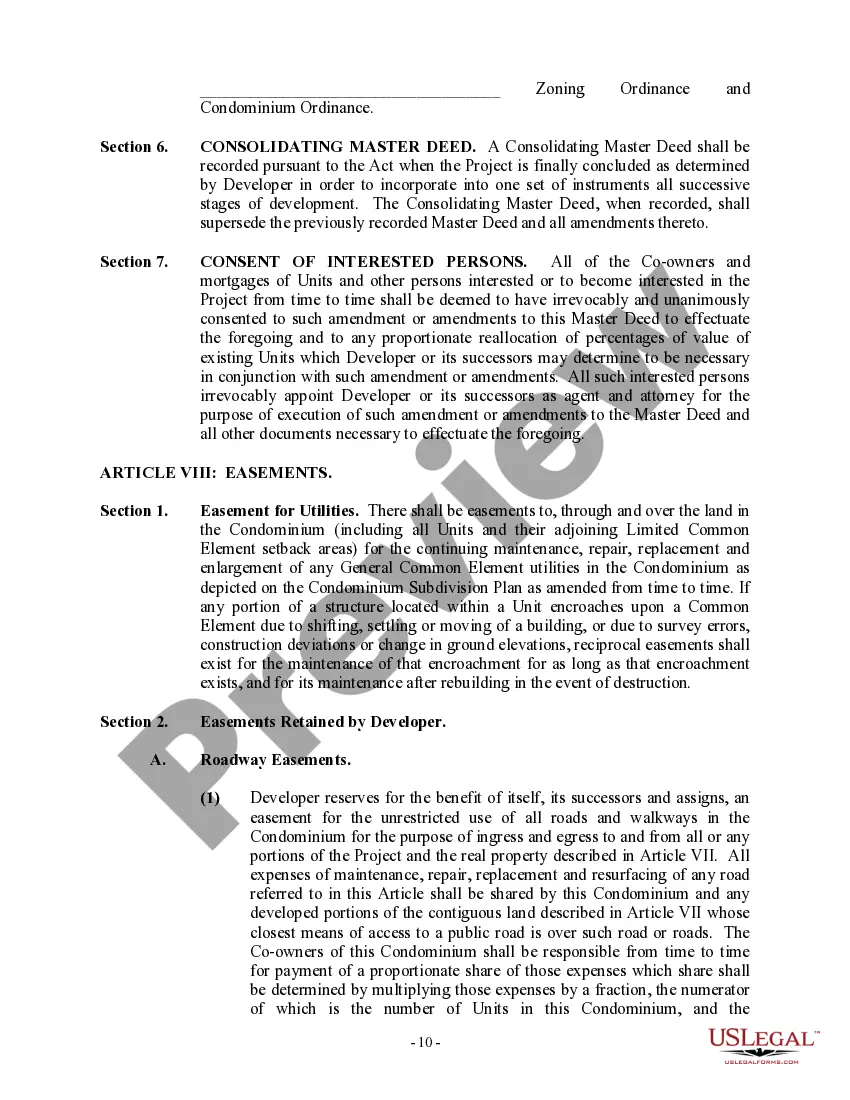
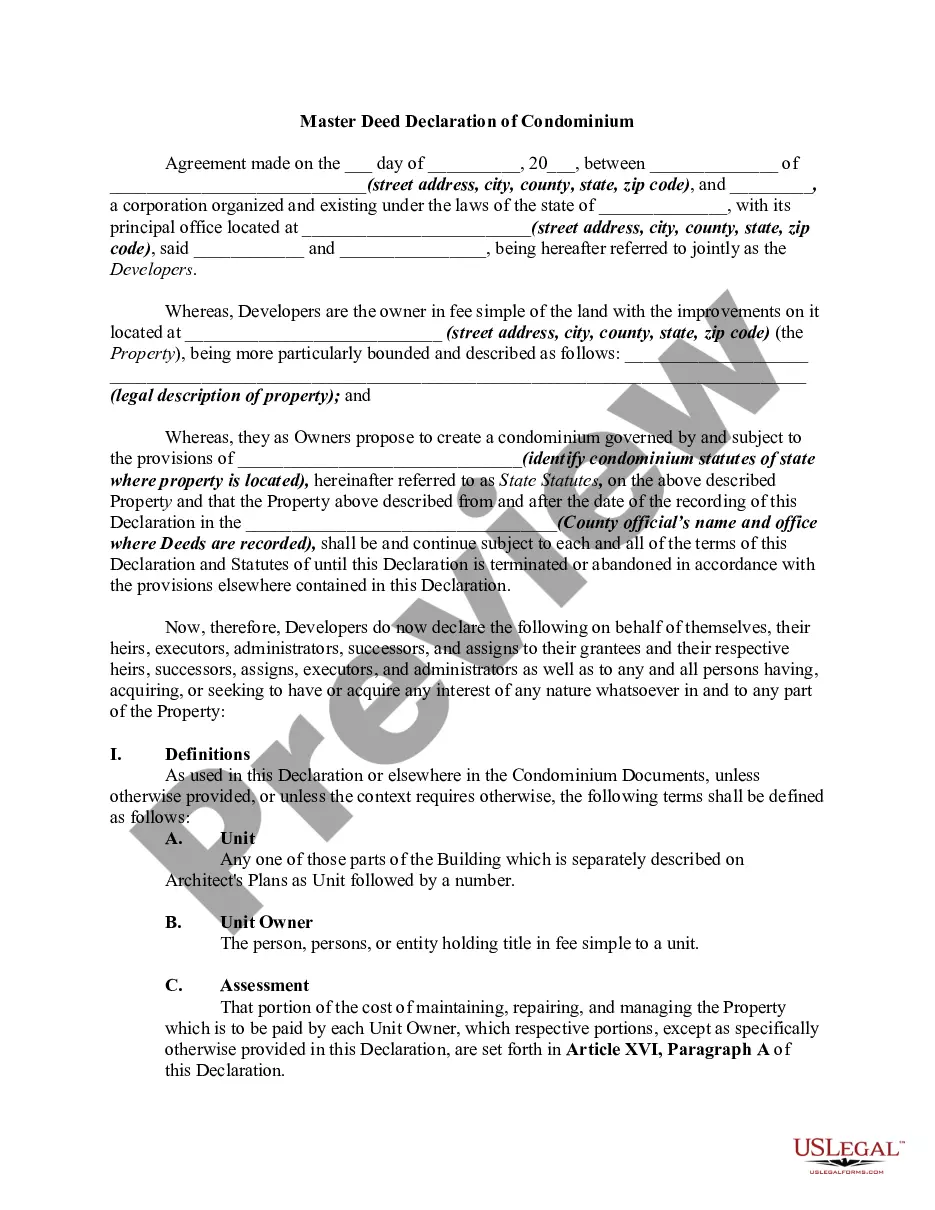
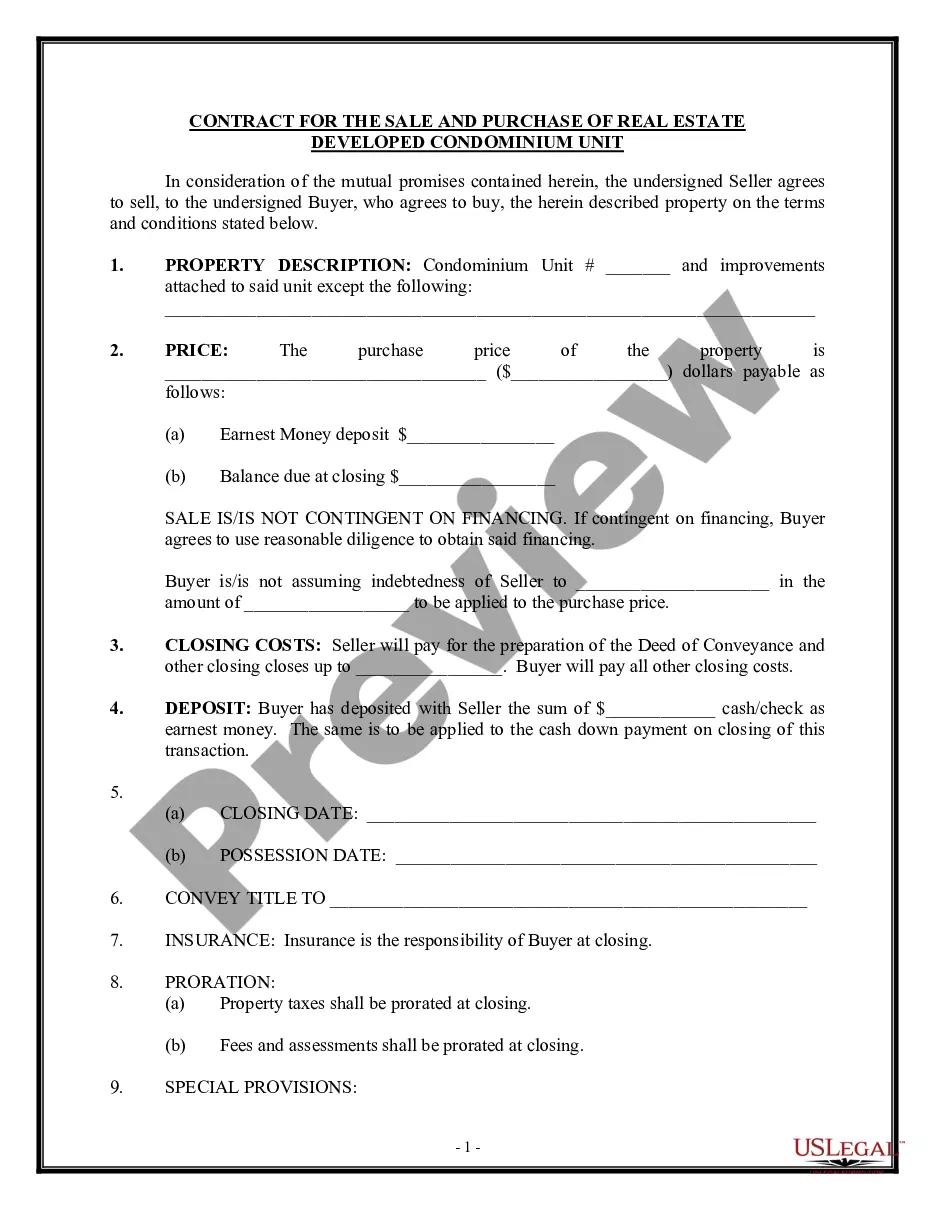
Description

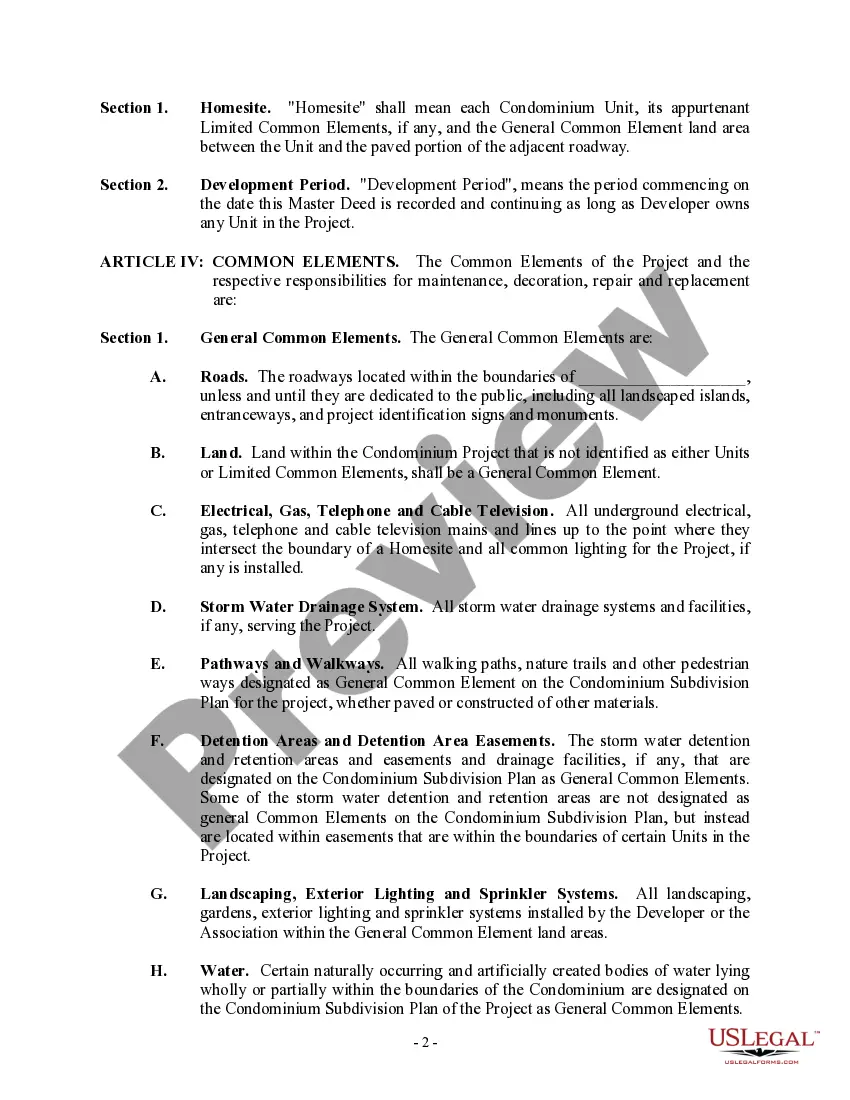
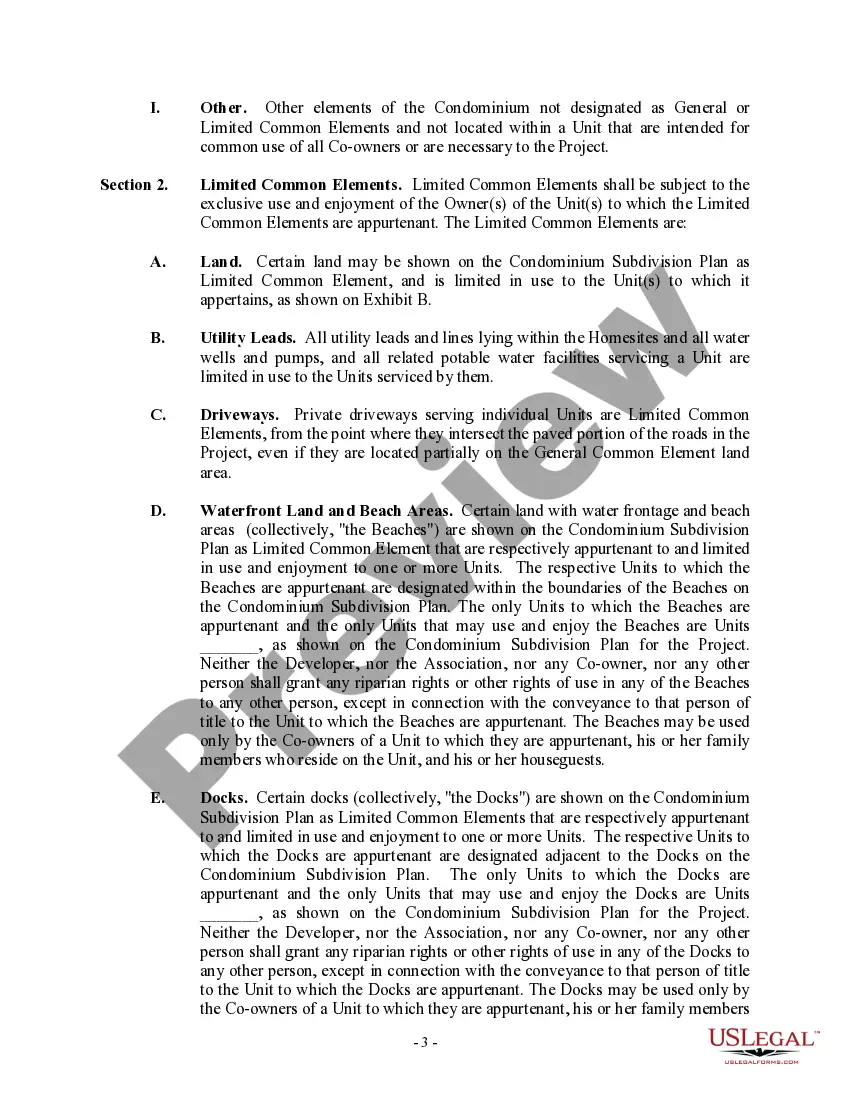
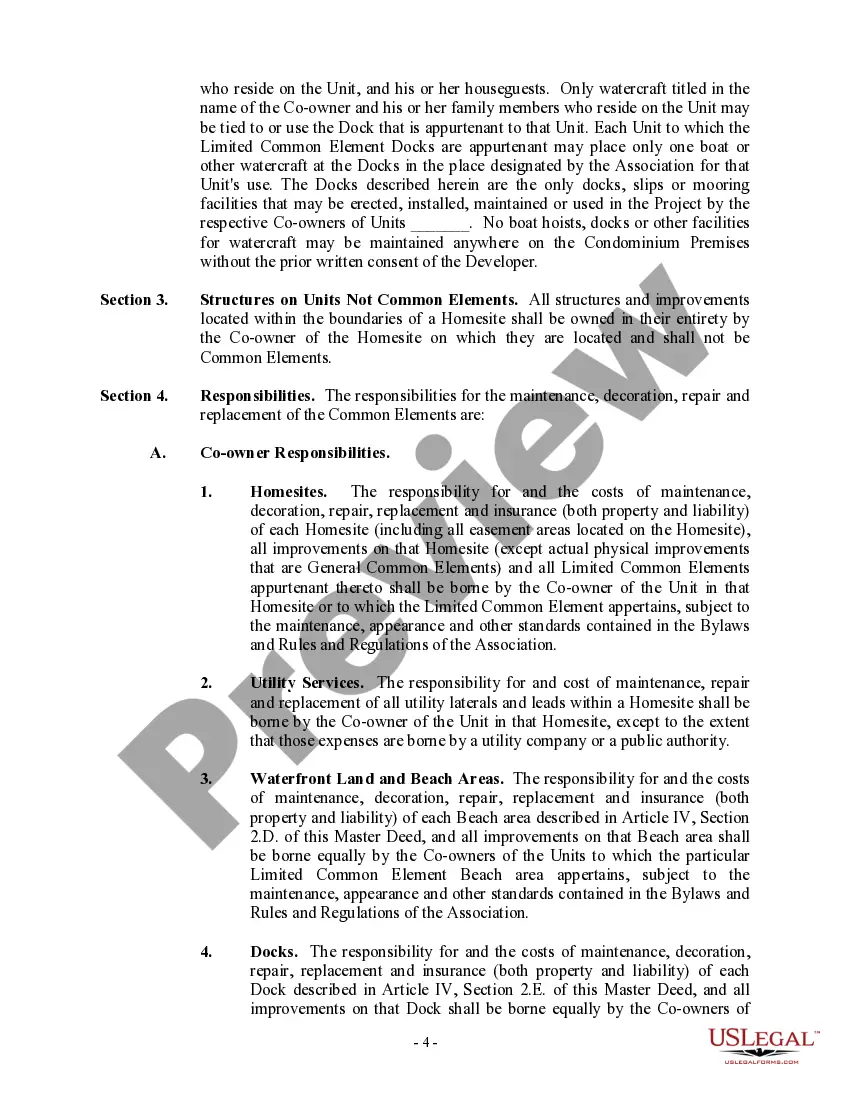
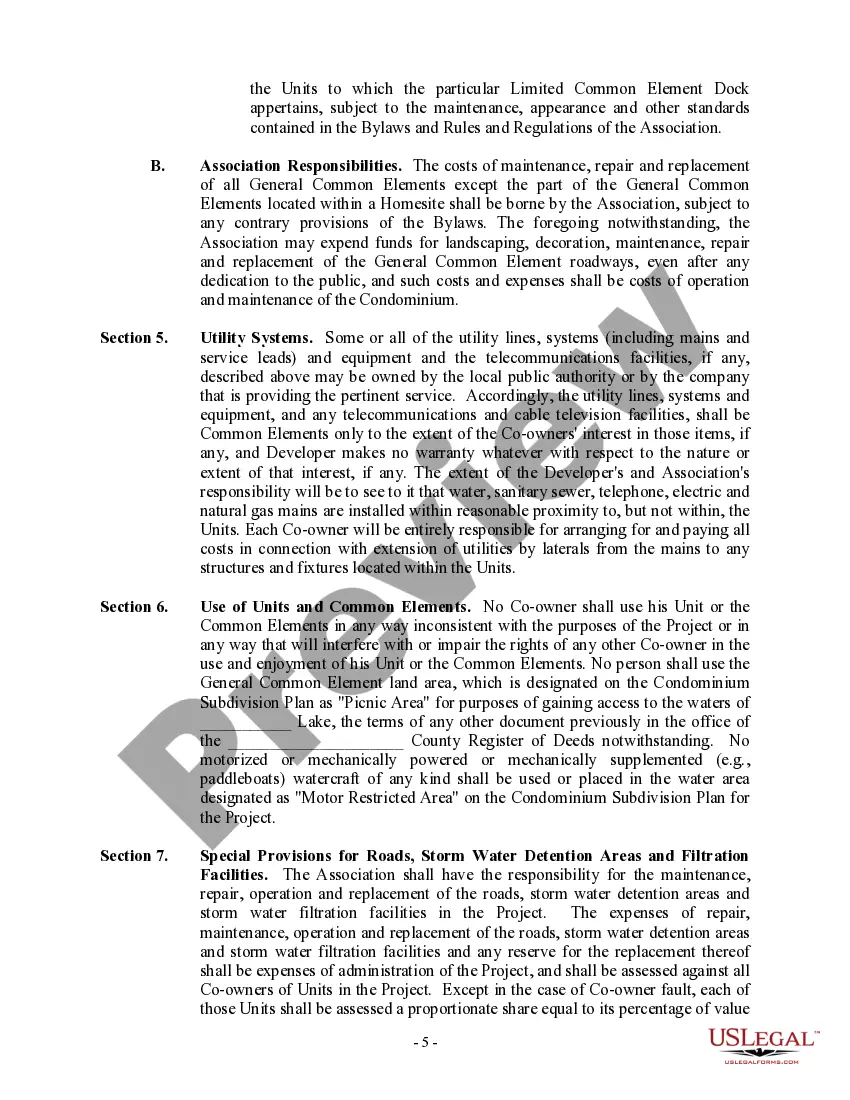


Get your form ready online
Our built-in tools help you complete, sign, share, and store your documents in one place.
Make edits, fill in missing information, and update formatting in US Legal Forms—just like you would in MS Word.
Download a copy, print it, send it by email, or mail it via USPS—whatever works best for your next step.
Sign and collect signatures with our SignNow integration. Send to multiple recipients, set reminders, and more. Go Premium to unlock E-Sign.
If this form requires notarization, complete it online through a secure video call—no need to meet a notary in person or wait for an appointment.
We protect your documents and personal data by following strict security and privacy standards.

Make edits, fill in missing information, and update formatting in US Legal Forms—just like you would in MS Word.

Download a copy, print it, send it by email, or mail it via USPS—whatever works best for your next step.

Sign and collect signatures with our SignNow integration. Send to multiple recipients, set reminders, and more. Go Premium to unlock E-Sign.

If this form requires notarization, complete it online through a secure video call—no need to meet a notary in person or wait for an appointment.

We protect your documents and personal data by following strict security and privacy standards.
Looking for another form?

Form popularity
FAQ
The key documents required for a title transfer in Utah include the Certificate of Title, Bill of Sale, Release of Lien, and Affidavit of Ownership. Having these documents prepared is essential for a successful transfer process.
Legal description of real property and names and addresses required in documents. Except as otherwise provided by statute, if a document for recording does not conform to this section, a person may not present the document to the office of the recorder of the county for recording.
Abstracts and their indexes are available through the county recorders' offices; the Archives has microfilm copies for some Utah counties. Deeds. These are recorded copies of various types of deeds registered with the county recorder that show land ownership and changes to land ownership.
Deed recording can be defined as the process of getting the original deed to a property filed in the appropriate county government office. A real estate title deed or a property deed can be described as a legal document that shifts ownership of real estate from a seller to a buyer.
Utah is known as a Trust Deed and Promissory Note state. There are references to a foreclosure being allowed under the law, typically in a Contract for Deed transaction but this is certainly not the standard.
The key documents required for a title transfer in Utah include the Certificate of Title, Bill of Sale, Release of Lien, and Affidavit of Ownership. Having these documents prepared is essential for a successful transfer process.
Utah law does not require any particular amount of reserves for associations.
Is it mandatory to join a Utah HOA? In Utah, if an individual buys a house in an area where an HOA already exists, they have to join and start contributing to the association.
The dissolution process is done with Utah Division of Corporations following this general process: Under Utah Code § 16-6a et seq., HOAs/COAs that are registered nonprofit corporations may be dissolved following Utah Code § 16-1 et seq.
