Condo Master Deed And Bylaws In Orange
Description



Get your form ready online
Our built-in tools help you complete, sign, share, and store your documents in one place.
Make edits, fill in missing information, and update formatting in US Legal Forms—just like you would in MS Word.
Download a copy, print it, send it by email, or mail it via USPS—whatever works best for your next step.
Sign and collect signatures with our SignNow integration. Send to multiple recipients, set reminders, and more. Go Premium to unlock E-Sign.
If this form requires notarization, complete it online through a secure video call—no need to meet a notary in person or wait for an appointment.
We protect your documents and personal data by following strict security and privacy standards.

Make edits, fill in missing information, and update formatting in US Legal Forms—just like you would in MS Word.

Download a copy, print it, send it by email, or mail it via USPS—whatever works best for your next step.

Sign and collect signatures with our SignNow integration. Send to multiple recipients, set reminders, and more. Go Premium to unlock E-Sign.

If this form requires notarization, complete it online through a secure video call—no need to meet a notary in person or wait for an appointment.

We protect your documents and personal data by following strict security and privacy standards.
Looking for another form?










Form popularity
FAQ
Your will can only give away assets that are entirely yours, so if you own partial interest in the land—for example, as a tenant in common with siblings—then you can only give away your share of the ownership. As previously noted, a will cannot override the ownership of the land as stated on your deed.
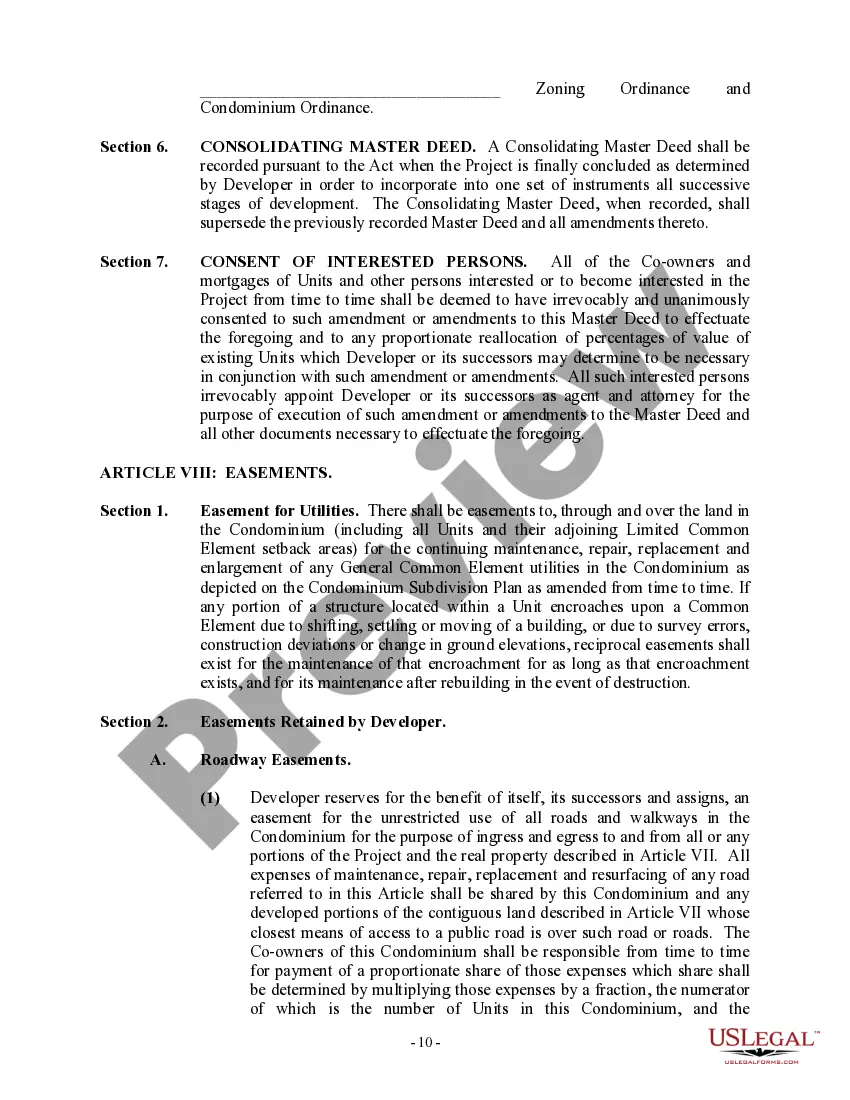
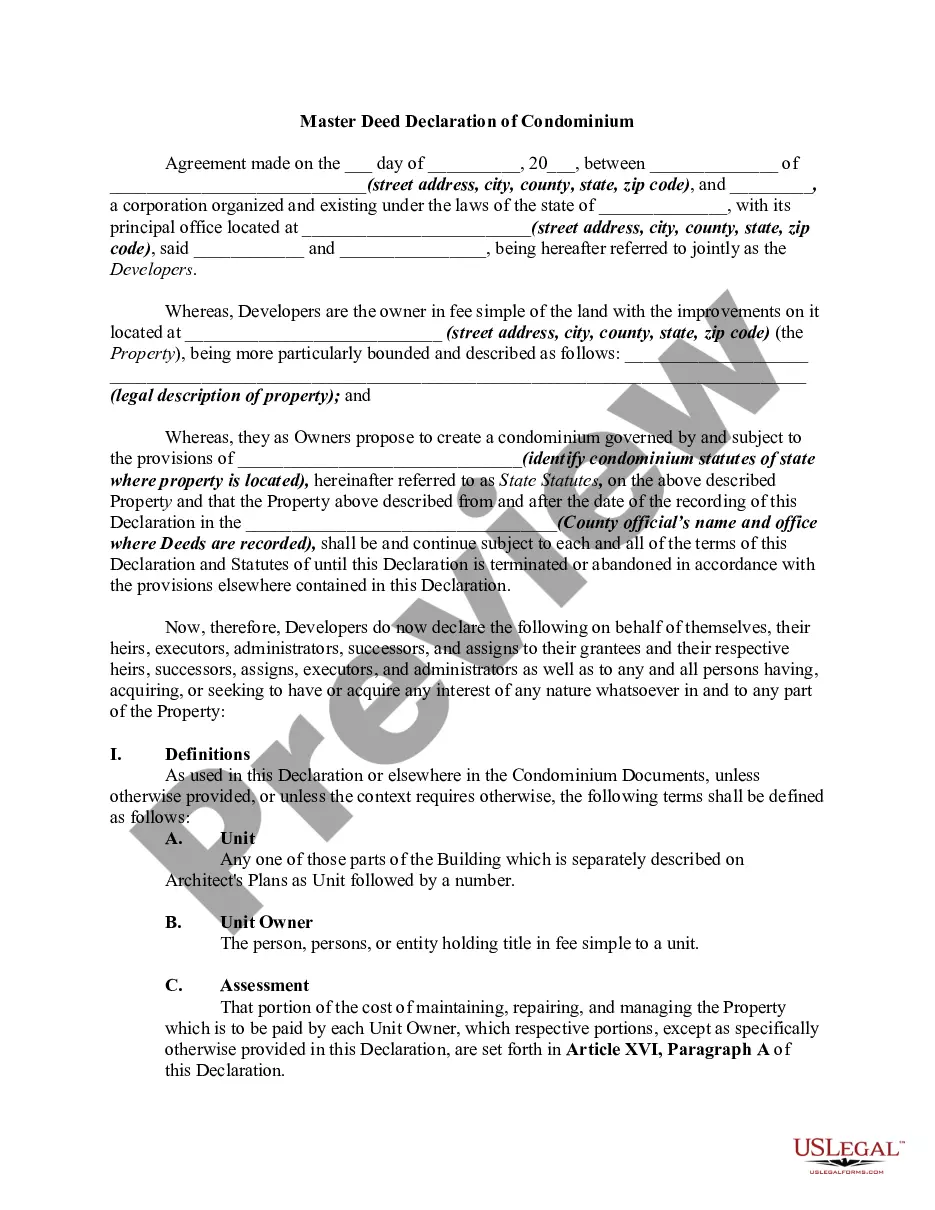
The master deed is one of the documents that transfer property to be owned by the inium. It includes a description of the land and buildings, a description of what is the common area and what the individual owners own, a determination of percentage interest, a plot plan, and use restrictions.
Essentially a quitclaim deed provides the same protections as a warranty deed, except it limits how far back in time the grantor is liable for any problems resulting from the title.
What Are My Rights as a Condo Owner? As a condo owner, you have the right to use your unit as provided in the master deed – if it's a residential inium unit – in a way that allows you to maintain a reasonable standard of living as required by Massachusetts health, safety and building laws.
Gain board approval – Present the proposed amendments to the HOA board. Discuss the changes, address any concerns or questions the board members may have, and open the floor to also allow homeowners to ask questions. Then, hold a formal vote to approve the new rule or amendment.
In Massachusetts, there are primarily three types of deeds that are used in all transactions: Release Deeds, Quitclaim Deeds, and Warranty Deeds. The vast majority of property in Massachusetts is transferred via a quitclaim deed.
Massachusetts Recorded Document Search - Visit your county recorder's office to find HOA documents, like CC&Rs, Amendments, Bylaws, HOA Notices, Subdivision Maps, Plats, Recorded Land Surveys, Deeds, Deeds of Trust, Liens, and Judgments. Search under the subdivision or community name.
