Master Deed Condominium Meaning In Allegheny
Description



Get your form ready online
Our built-in tools help you complete, sign, share, and store your documents in one place.
Make edits, fill in missing information, and update formatting in US Legal Forms—just like you would in MS Word.
Download a copy, print it, send it by email, or mail it via USPS—whatever works best for your next step.
Sign and collect signatures with our SignNow integration. Send to multiple recipients, set reminders, and more. Go Premium to unlock E-Sign.
If this form requires notarization, complete it online through a secure video call—no need to meet a notary in person or wait for an appointment.
We protect your documents and personal data by following strict security and privacy standards.

Make edits, fill in missing information, and update formatting in US Legal Forms—just like you would in MS Word.

Download a copy, print it, send it by email, or mail it via USPS—whatever works best for your next step.

Sign and collect signatures with our SignNow integration. Send to multiple recipients, set reminders, and more. Go Premium to unlock E-Sign.

If this form requires notarization, complete it online through a secure video call—no need to meet a notary in person or wait for an appointment.

We protect your documents and personal data by following strict security and privacy standards.
Looking for another form?
Form popularity
FAQ
Many people think they can come into the office and change the present recorded deed with a form, but that is not the case. Once a deed is recorded it cannot be changed. We recommend you consult a real estate attorney or title company to prepare a new deed.
To add, remove, or change a name on a deed, have a lawyer, title company, or other real estate professional prepare the deed. Then, record the new deed with the Department of Records. Note: We recommend that you do not prepare a deed on your own. We also recommend that you get title insurance.
Deeds, which are legal documents regarding the ownership of property or legal rights, can be obtained from the Division of Real Estate. Deed records can be found online through the Division of Real Estates' website.
This can only be done by recording a new deed showing the change. Many people think they can come to our office and change the present deed on record. However, once a document or deed is recorded, it cannot be altered or changed in any way. A new deed is needed and can be prepared for you by your attorney.
Yes, a deed must always be notarized and filed in public records. Deeds are a formal document that verifies legal interest in a property and the right to sell. Notarizing deeds ensures that an individual's claim to a property is verified and protected.
Once the deed is drafted, it must be properly executed and notarized to be valid. Execution means the grantor must sign the deed. In Pennsylvania, deeds must be signed in the presence of a notary public. A real estate lawyer in Philadelphia can help arrange for notarization and serve as a witness.
It takes about two to three weeks. The papers are sent back to the person who records them in most cases a Title Company or Attorney. We require a self-addressed stamped envelope if they are to be returned by mail. 7.
Yes, but it is usually a good idea to have someone with a certain expertise in the field prepare it for you to make sure it is correct. Attorneys can perform this service for you. IMPORTANT: Employees of the Recorder of Deeds Office CAN NOT and WILL NOT prepare deeds for you.
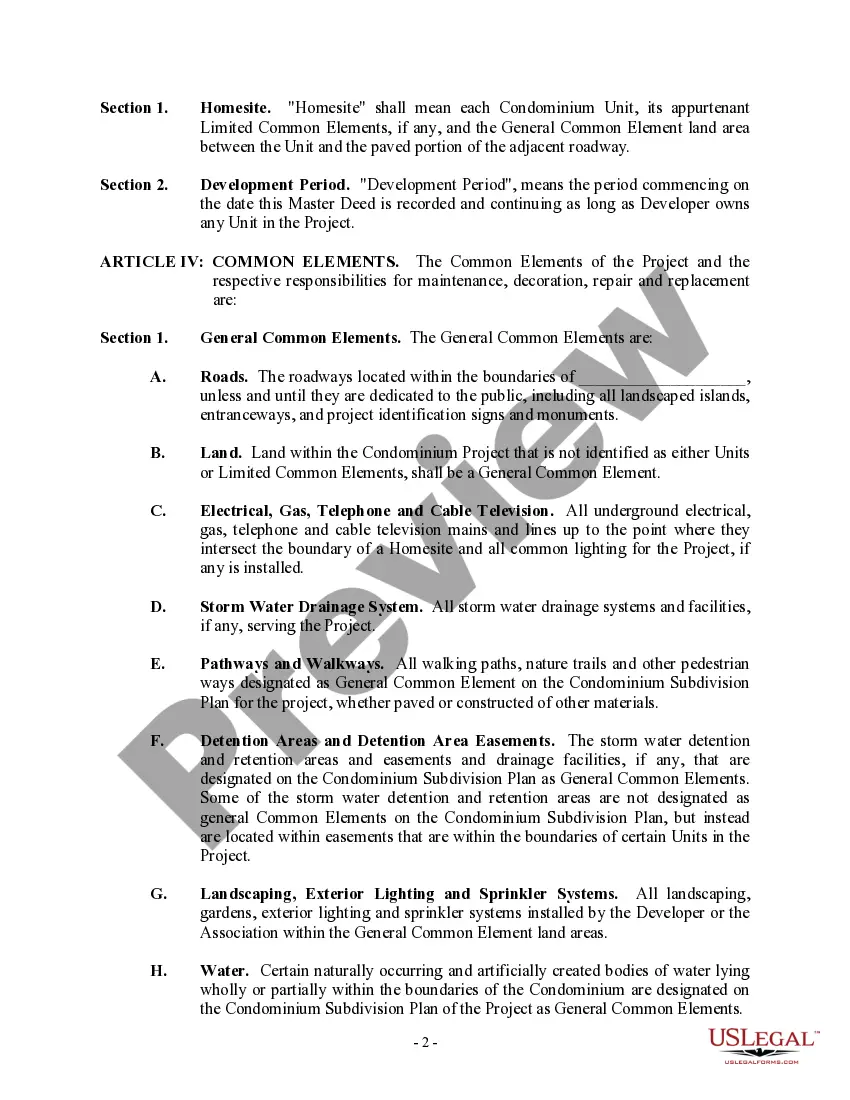
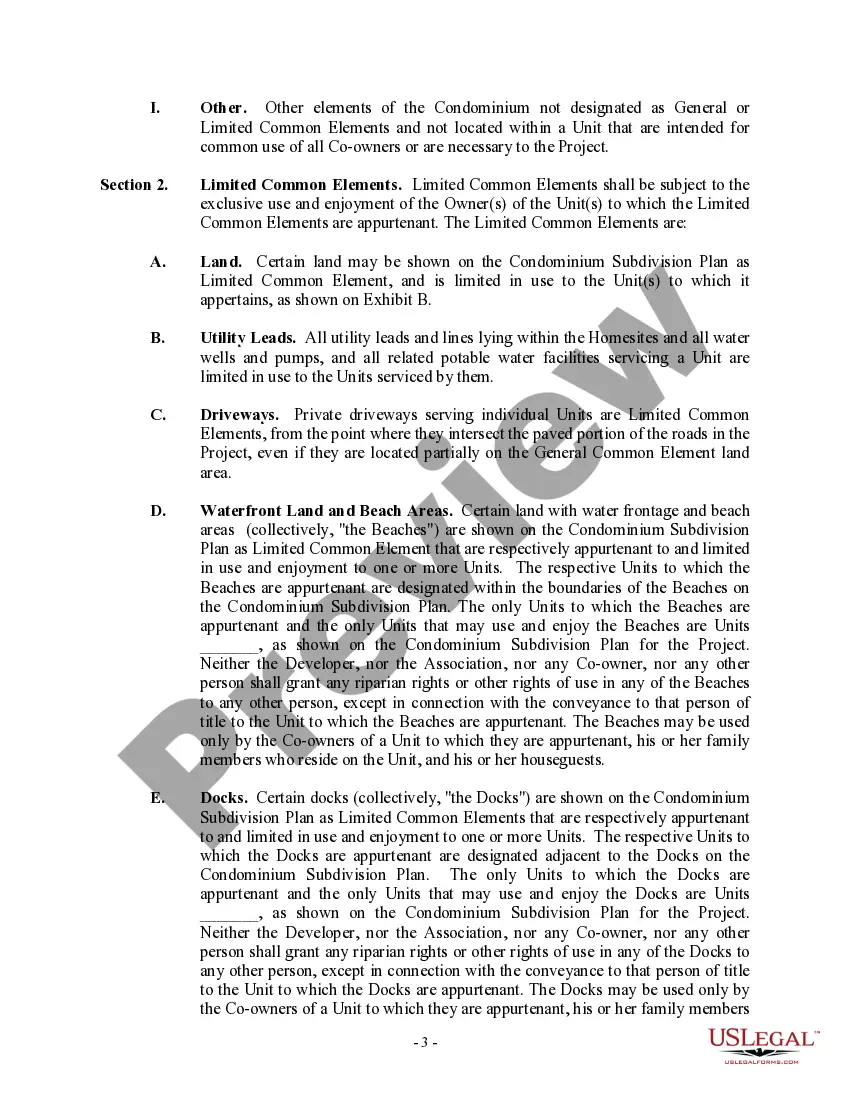
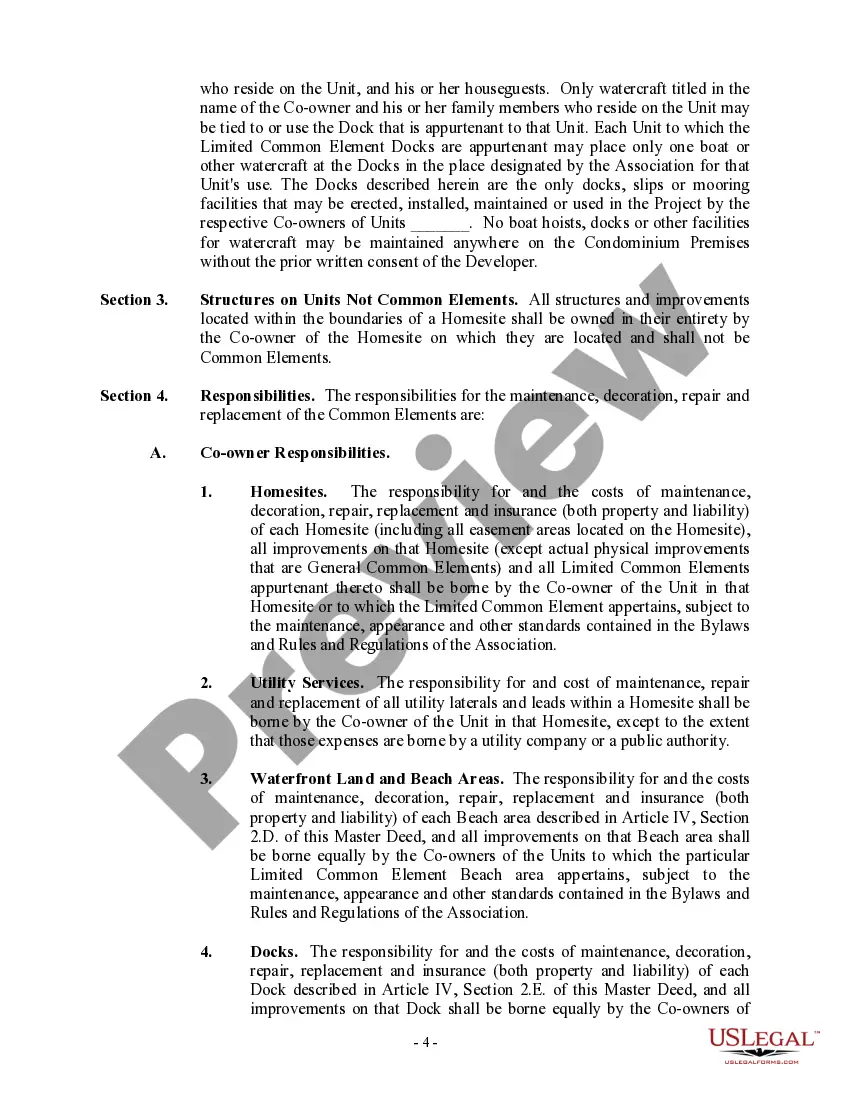
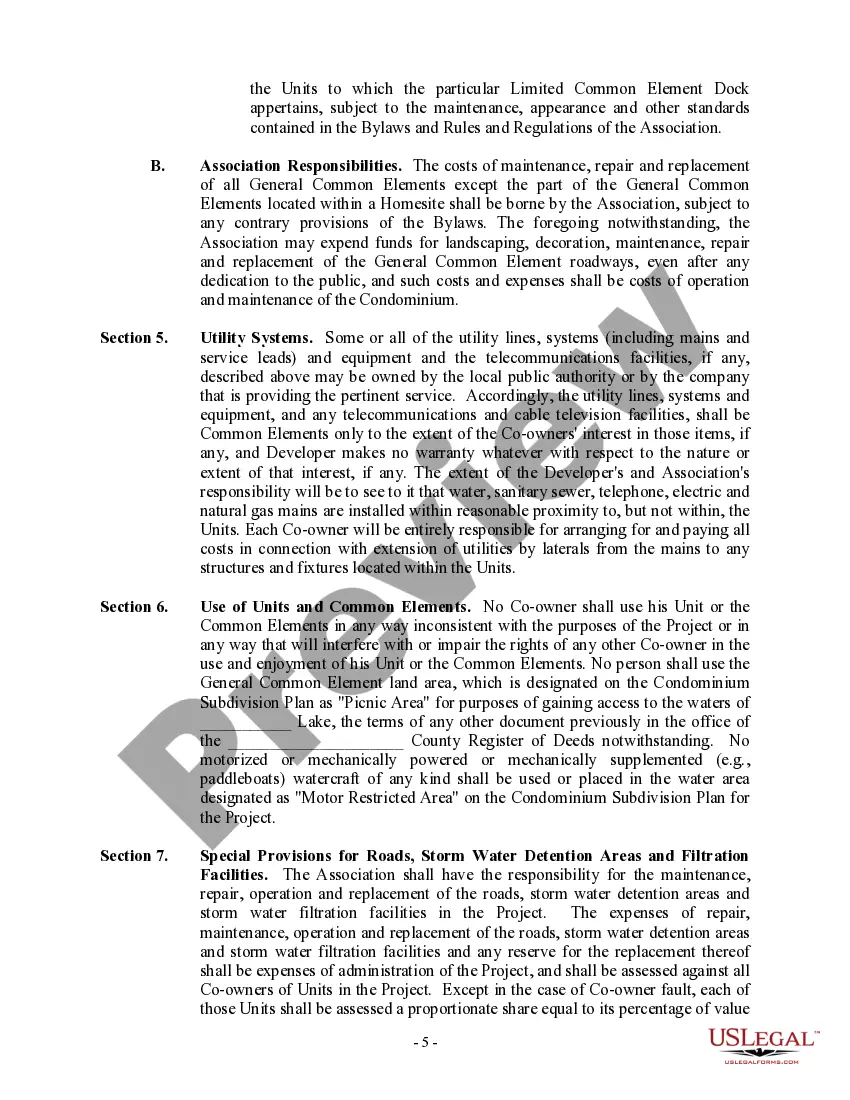
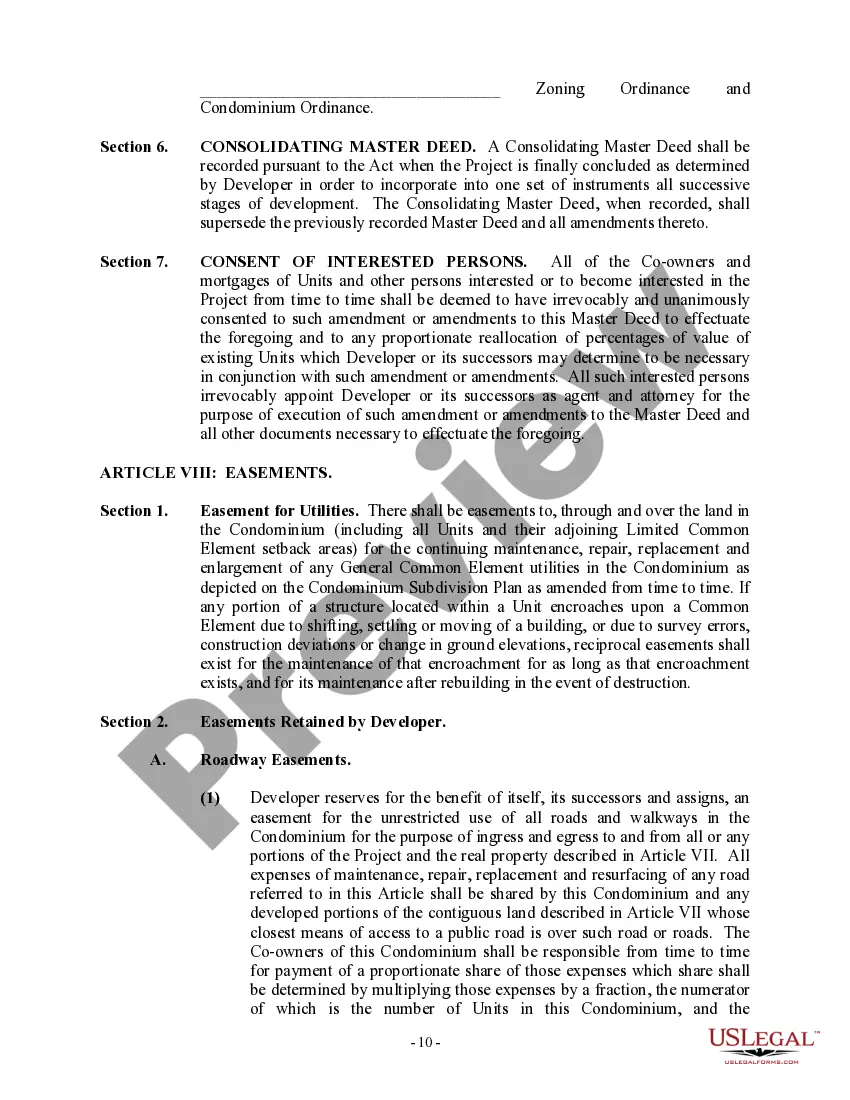
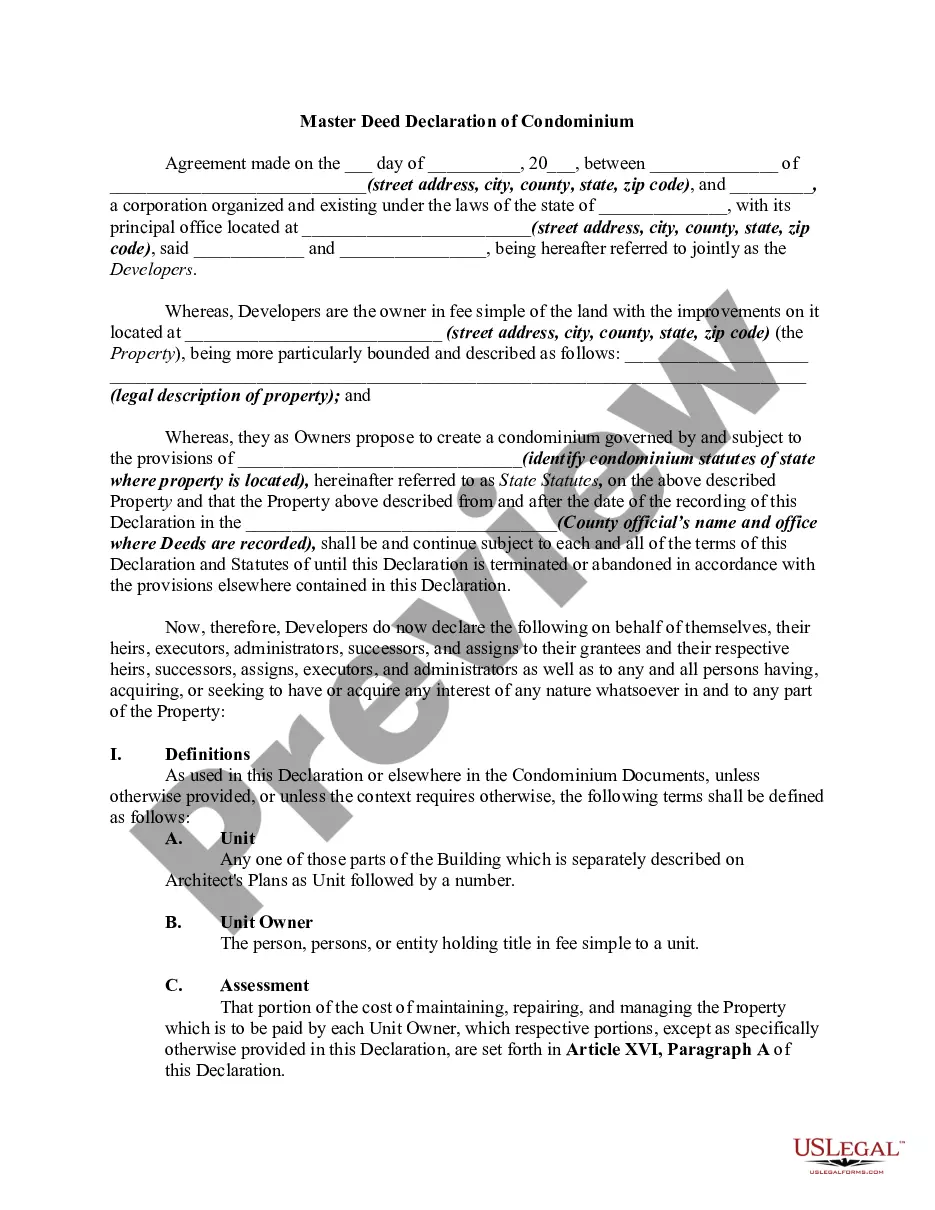
The master deed is one of the documents that transfer property to be owned by the inium. It includes a description of the land and buildings, a description of what is the common area and what the individual owners own, a determination of percentage interest, a plot plan, and use restrictions.
Inium is a Latin word that means "Owning property together." That's what it is like when someone buys a condo unit. They have an "interest" in the land beneath the building, but the building's association owns the actual land.
