Bylaws Condo Association With Regulations In Washington
Description













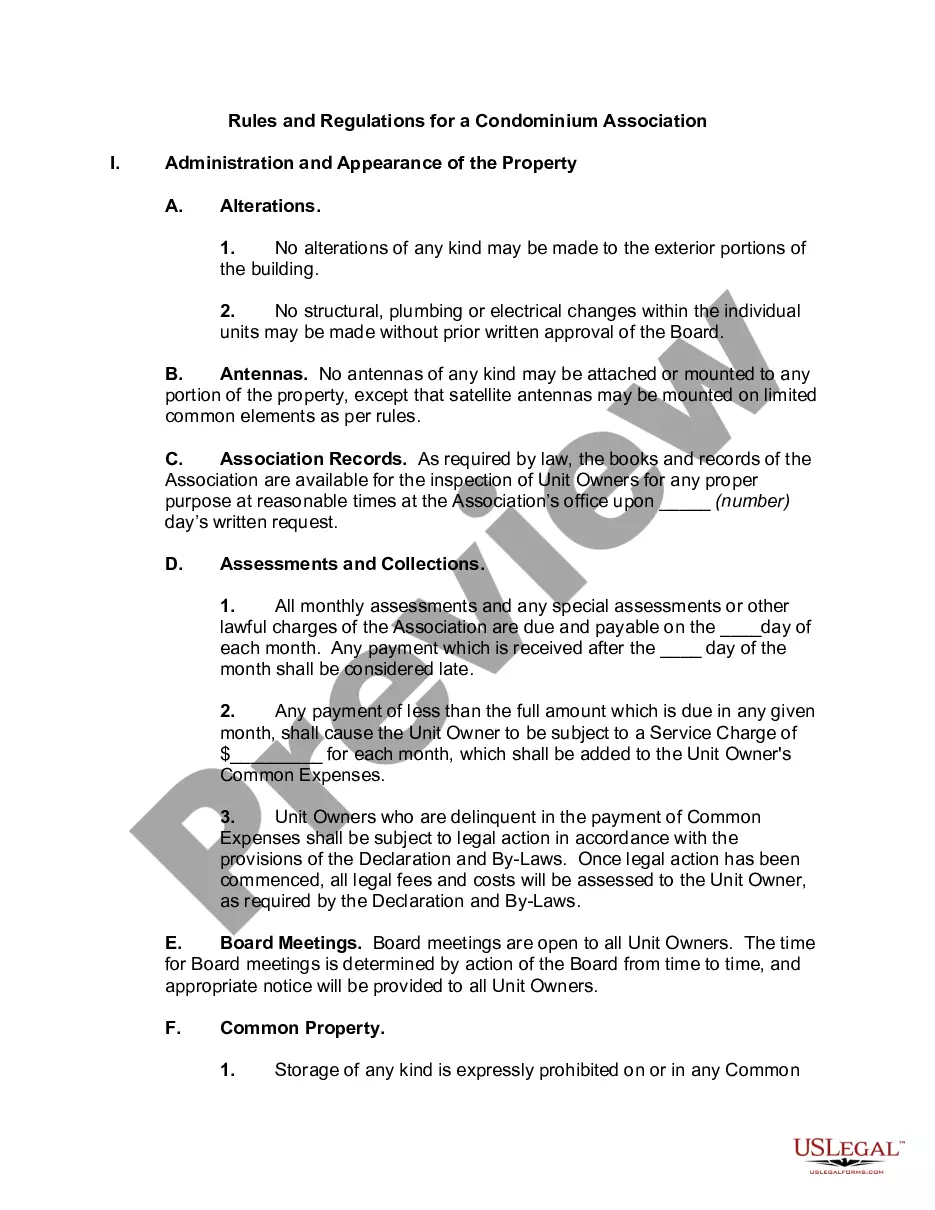

Get your form ready online
Our built-in tools help you complete, sign, share, and store your documents in one place.
Make edits, fill in missing information, and update formatting in US Legal Forms—just like you would in MS Word.
Download a copy, print it, send it by email, or mail it via USPS—whatever works best for your next step.
Sign and collect signatures with our SignNow integration. Send to multiple recipients, set reminders, and more. Go Premium to unlock E-Sign.
If this form requires notarization, complete it online through a secure video call—no need to meet a notary in person or wait for an appointment.
We protect your documents and personal data by following strict security and privacy standards.

Make edits, fill in missing information, and update formatting in US Legal Forms—just like you would in MS Word.

Download a copy, print it, send it by email, or mail it via USPS—whatever works best for your next step.

Sign and collect signatures with our SignNow integration. Send to multiple recipients, set reminders, and more. Go Premium to unlock E-Sign.

If this form requires notarization, complete it online through a secure video call—no need to meet a notary in person or wait for an appointment.

We protect your documents and personal data by following strict security and privacy standards.
Looking for another form?
Form popularity
FAQ
Is recording HOA meetings legal or not? It depends on where your association is located. States like California, Florida, and Pennsylvania have two-party consent laws, which means that all parties involved must consent to the recording. If there is no consent, it is illegal.
HOA governing documents are public record in Washington. An HOA must record its governing documents with the county land records to be enforceable.
Homeowners' associations in Washington are governed by the WUCIOA. This act applies to all common interest communities, including planned developments and iniums.
Simply put, homeowners association bylaws dictate how an HOA should run. Since HOAs are considered corporations under law, albeit non-profit, they require bylaws to govern day-to-day operations. HOA bylaws are also sometimes referred to as neighborhood association bylaws or subdivision bylaws.
Key differences purpose bylaws focus on the governance structure. And operational procedures of theMoreKey differences purpose bylaws focus on the governance structure. And operational procedures of the HOA. While rules and regulations focus on the daily behavior.
Each document serves a specific purpose and contributes to the governance of your community. While CC&Rs and Bylaws provide foundational guidelines, Rules & Regulations offer flexibility to address evolving circumstances.
Again, the CC&Rs set out the rules of the HOA community. They describe the requirements and limitations of what you can do with your property. The goal of the CC&Rs is to protect, preserve, and enhance property values in the community. The bylaws, on the other hand, govern how the HOA operates.
House Rules are different from Bylaws in that they can be implemented and changed by the Board of Directors without the need for unit owner approval – which means that they can be changed more easily. Bylaws will very often set forth restrictions on the use of units in the condo.
Washington State law mandates that associations keep detailed records, enabling them to provide a true statement of their financial status, which includes the current budget and record of receipts and expenditures, as outlined in Chapter 64.38 RCW.
Most HOA documents are public record, including governing documents. Some states only require the HOA to make certain documents public, while others can be kept confidential.
