Bylaws Residential Association With Board Of Directors In Virginia
Description

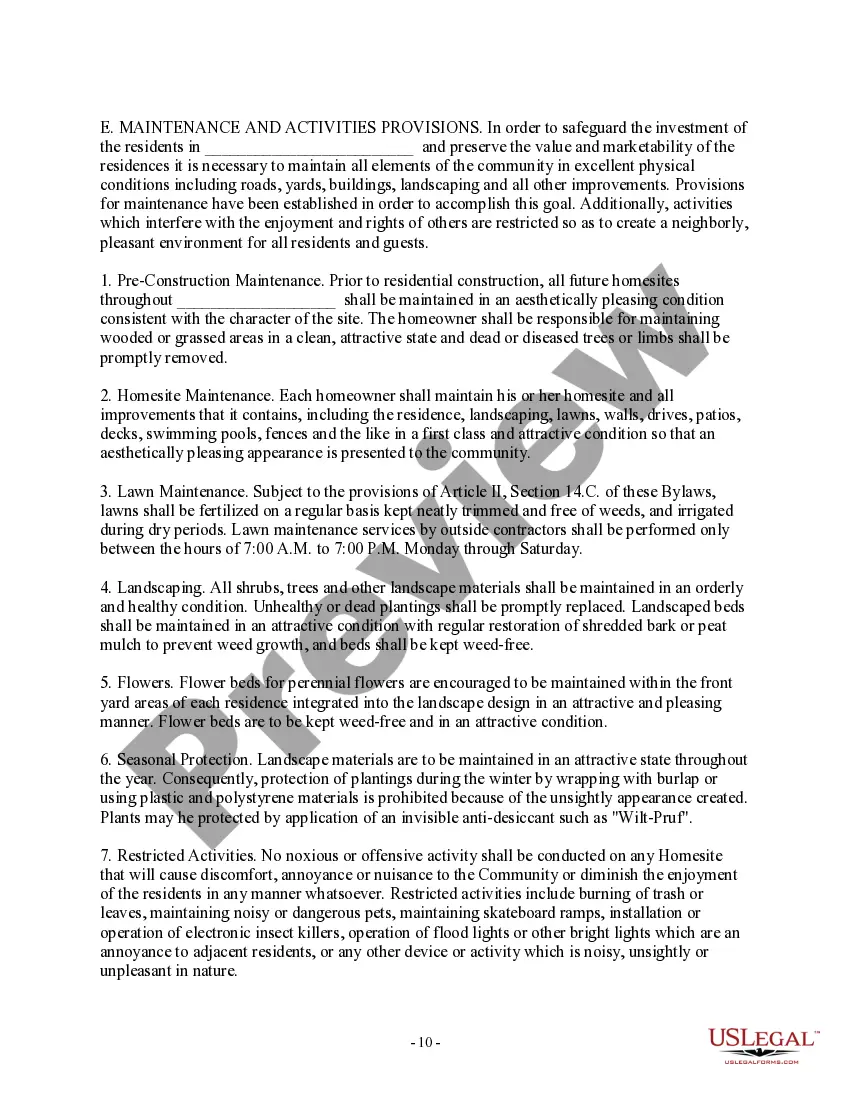


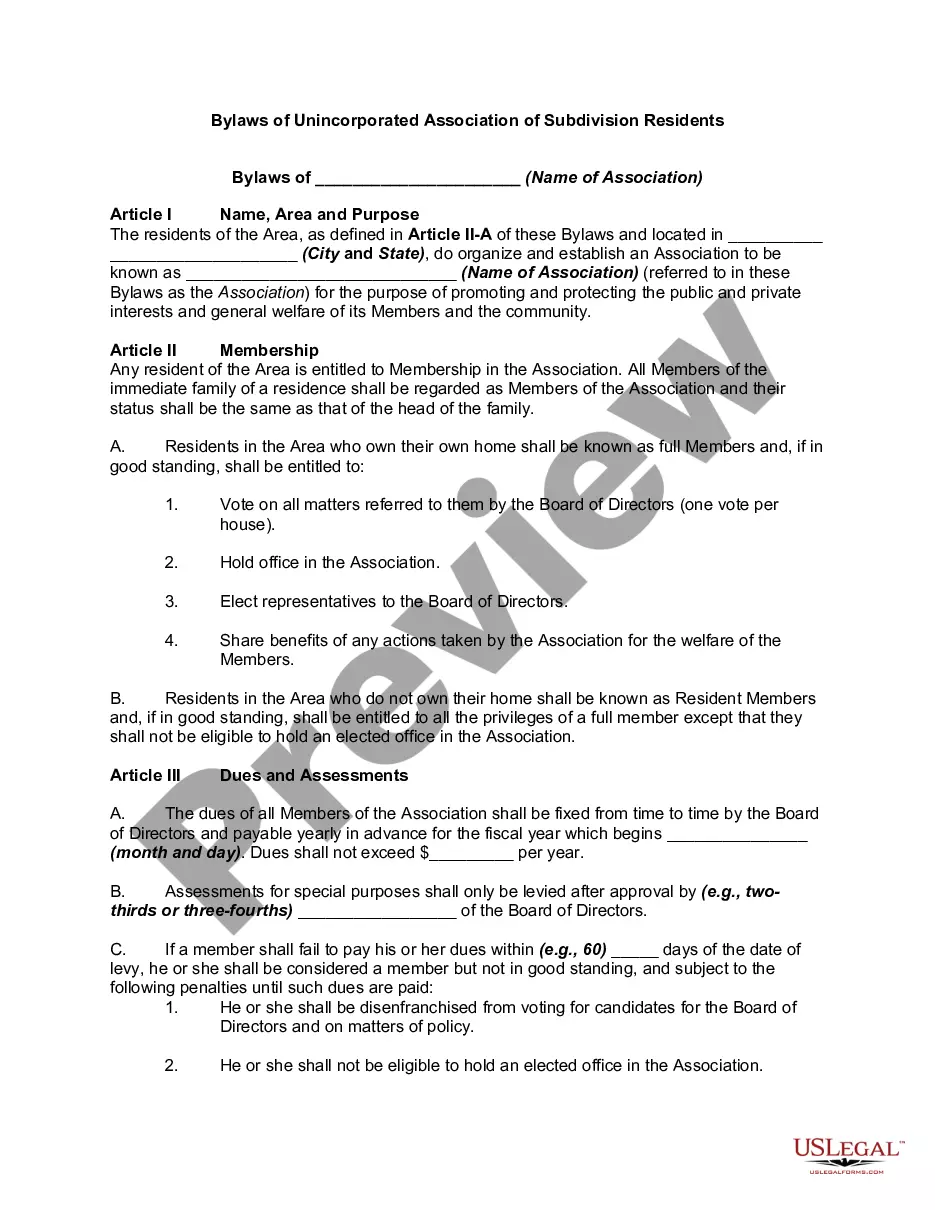
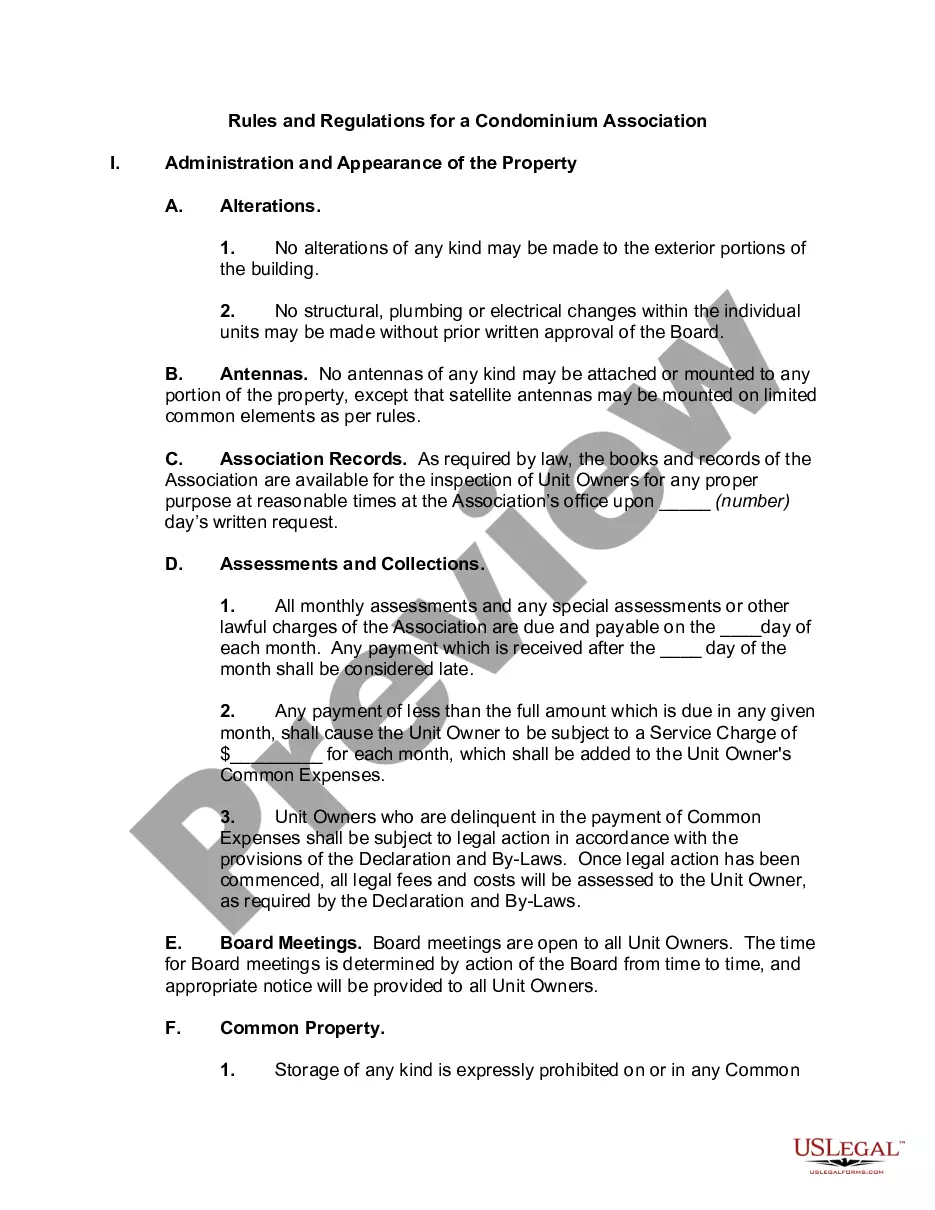
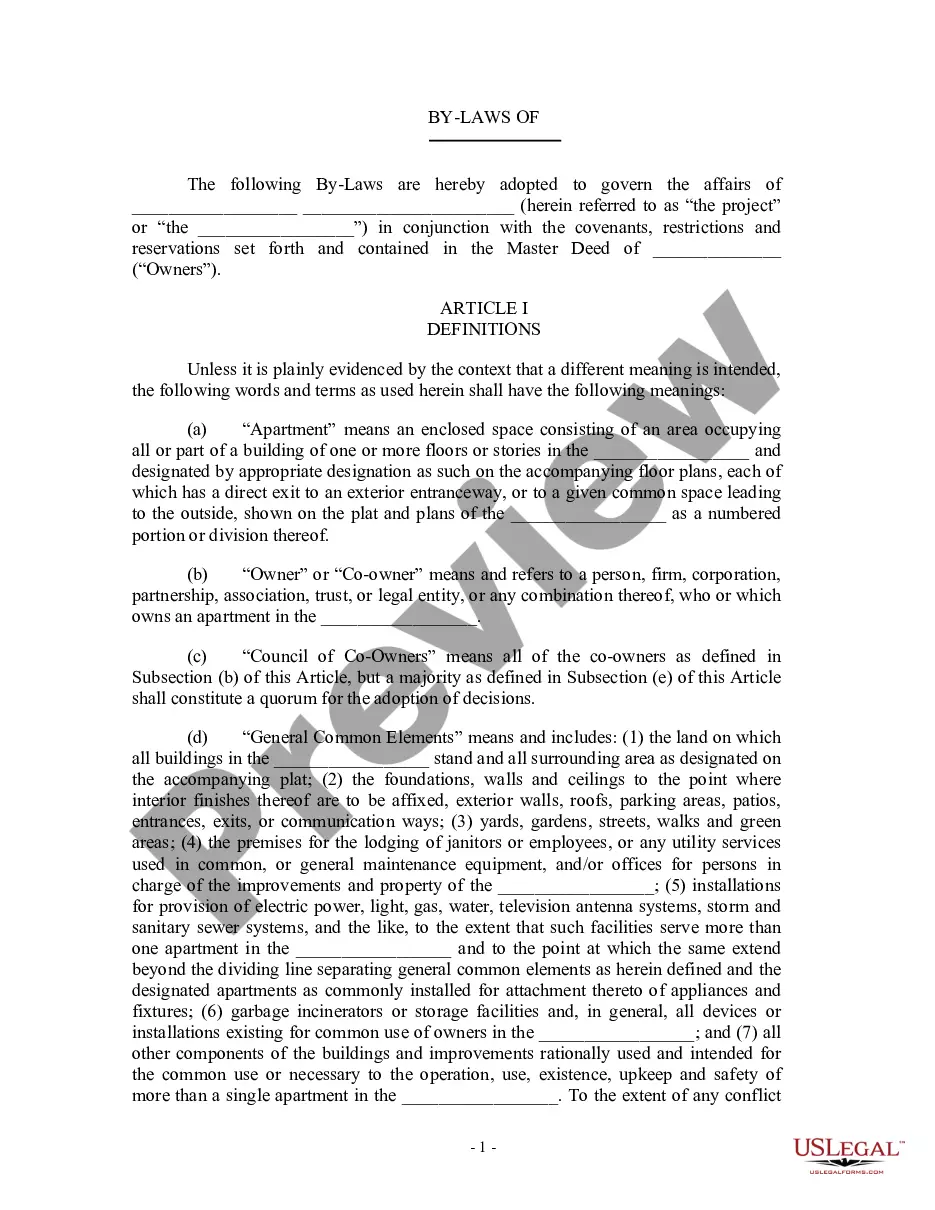
Get your form ready online
Our built-in tools help you complete, sign, share, and store your documents in one place.
Make edits, fill in missing information, and update formatting in US Legal Forms—just like you would in MS Word.
Download a copy, print it, send it by email, or mail it via USPS—whatever works best for your next step.
Sign and collect signatures with our SignNow integration. Send to multiple recipients, set reminders, and more. Go Premium to unlock E-Sign.
If this form requires notarization, complete it online through a secure video call—no need to meet a notary in person or wait for an appointment.
We protect your documents and personal data by following strict security and privacy standards.

Make edits, fill in missing information, and update formatting in US Legal Forms—just like you would in MS Word.

Download a copy, print it, send it by email, or mail it via USPS—whatever works best for your next step.

Sign and collect signatures with our SignNow integration. Send to multiple recipients, set reminders, and more. Go Premium to unlock E-Sign.

If this form requires notarization, complete it online through a secure video call—no need to meet a notary in person or wait for an appointment.

We protect your documents and personal data by following strict security and privacy standards.
Looking for another form?



Form popularity
FAQ
§ 55.1-1805. The Common Interest Community Board may assess a monetary penalty for a violation of this section against any (a) association pursuant to § 54.1-2351 or (b) common interest community manager pursuant to § 54.1-2349, and may issue a cease and desist order pursuant to § 54.1-2352.
Removal of directors. A. The members may remove one or more directors with or without cause, unless the articles of incorporation provide that directors may be removed only with cause.
The association will likely go into receivership. Any homeowner or creditor can take legal action against the HOA. Once it is clear that no one on the board will serve as the association's representative, the court will appoint a receiver.
Open Meetings Can HOA board members meet in private? In general, they can't, and there are only a few rare instances when they can. Most states have open meeting acts or sunshine laws, including NC, SC, TN, and VA.
§ 13.1-853. All corporate powers shall be exercised by or under the authority of, and the business and affairs of the corporation managed under the direction of, its board of directors, subject to any limitation set forth in the articles of incorporation or in an agreement authorized by § 13.1-852.1.
Homeowners often ask whether local laws supersede the rules and regulations set forth by their homeowner association (HOA). The short answer is yes, local laws do supersede HOA rules.
§ 13.1-869. B. The creation of a committee and appointment of directors to it shall be approved by the greater number of (i) a majority of all the directors in office when the action is taken, or (ii) the number of directors required by the articles of incorporation or bylaws to take action under § 13.1-868.
Many associations have communication channels in place so that homeowners can talk to the board or the community manager about any issues. However, if you wish to file a complaint against your HOA, you can do so with the Office of the Common Interest Community Ombudsman.
For questions or additional information, please contact the Office of the Common Interest Community Ombudsman at (804) 367-2941 or cicombudsman@dpor.virginia.
