Condominium Bylaws Condo Association With Board Members In Suffolk
Description

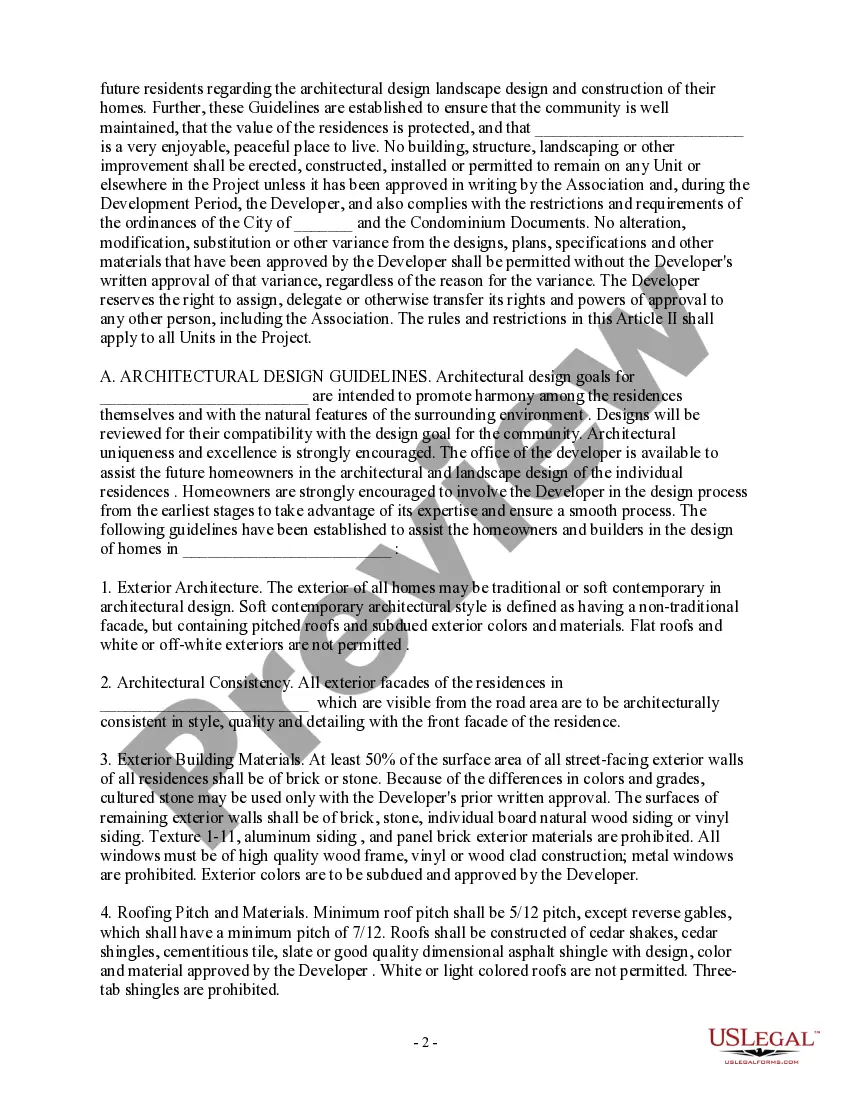
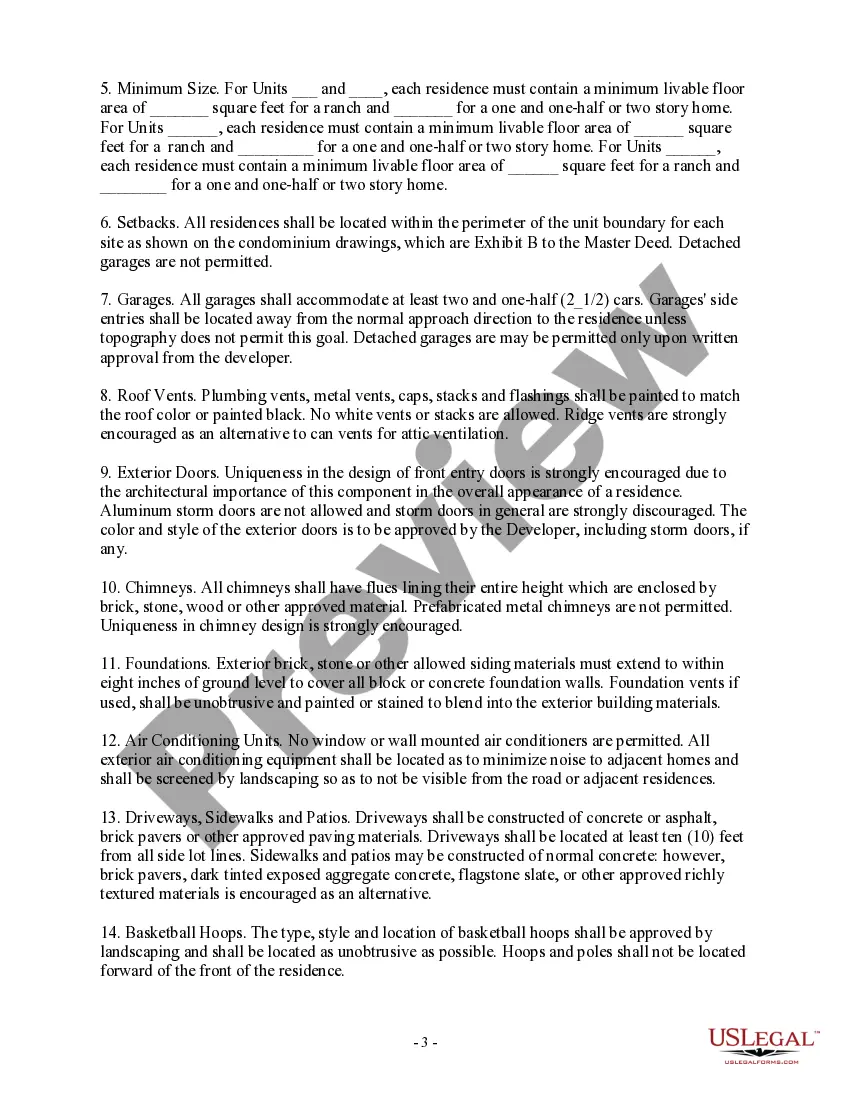
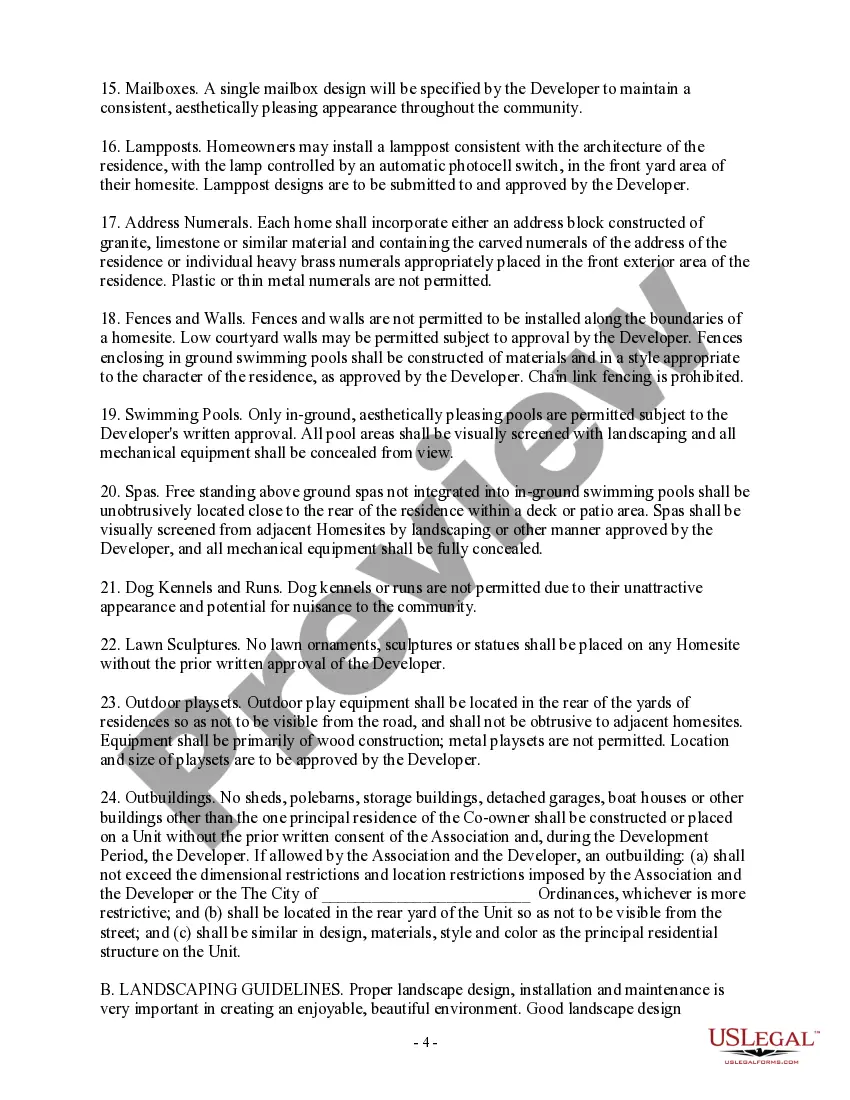
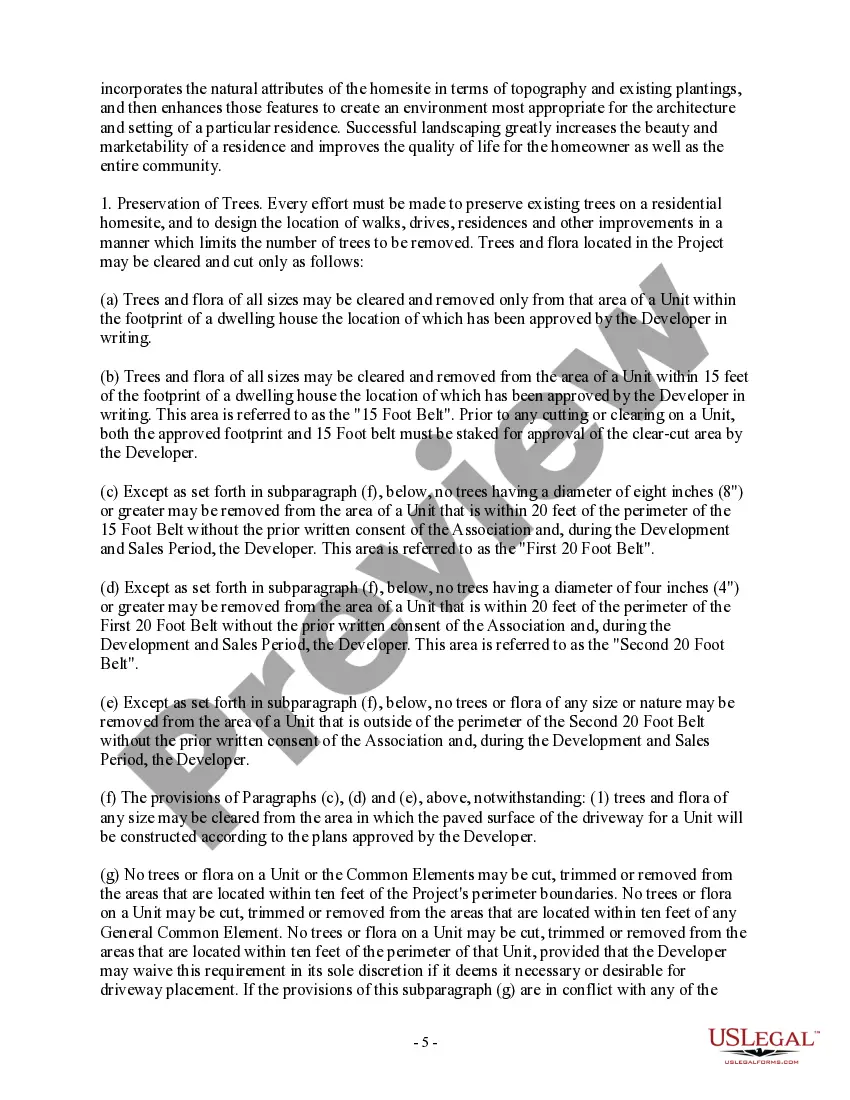




Get your form ready online
Our built-in tools help you complete, sign, share, and store your documents in one place.
Make edits, fill in missing information, and update formatting in US Legal Forms—just like you would in MS Word.
Download a copy, print it, send it by email, or mail it via USPS—whatever works best for your next step.
Sign and collect signatures with our SignNow integration. Send to multiple recipients, set reminders, and more. Go Premium to unlock E-Sign.
If this form requires notarization, complete it online through a secure video call—no need to meet a notary in person or wait for an appointment.
We protect your documents and personal data by following strict security and privacy standards.

Make edits, fill in missing information, and update formatting in US Legal Forms—just like you would in MS Word.

Download a copy, print it, send it by email, or mail it via USPS—whatever works best for your next step.

Sign and collect signatures with our SignNow integration. Send to multiple recipients, set reminders, and more. Go Premium to unlock E-Sign.

If this form requires notarization, complete it online through a secure video call—no need to meet a notary in person or wait for an appointment.

We protect your documents and personal data by following strict security and privacy standards.
Looking for another form?




Form popularity
FAQ
In Massachusetts, homeowners' associations, also called HOAs, are not governed by a particular law in the way that inium associations are. Generally, iniums are preferred by developers when trying to create housing arrangements with shared common spaces among different unit dwellers.
The rules found in the Massachusetts inium Act include mandatory provisions that must be included in the bylaws, interests in common areas of the inium, and expenses incurred by the unit owners' association. The provisions also explain the fundamental attributes of a inium.
Federal laws - In addition to state law regulations, the federal government has laws that govern the operation of homeowners' associations, iniums, and other residential properties in the state of Massachusetts.
Homeowners within the community elect a board of directors to oversee the association and enforce the community's CC&Rs (covenants, conditions, and restrictions).
Section 720.303(2)(a) of the Florida Statutes dictates that board meetings must be open to all members. The only exceptions to this are meetings between the board and its attorney when discussing pending litigation. Similar laws exist in Arizona and California.
Homeowners' Associations in New York, or otherwise known as Common Interest Communities, are regulated by the Attorney General's office and must be set up as non-profit organizations. They are governed by NY Not-For-Profit Corporation Law, the Association's Articles of Declaration, and Bylaws.
To comply with New York law, there are three primary pathways to establish an HOA: obtaining a no-action letter under 13 NYCRR Section 22.8, utilizing the Cooperative Policy Statement No. 7 (CPS-7), or filing an offering plan pursuant to 13 NYCRR Part 22 (Part 22).
Condo Owner Rights: The Right to Protest When board members fail to meet their fiduciary duties, condo members can remove the board members who are abusing their authority. Condo owners also have the right to protest any regulations that are discriminatory, unfair, or onerous.
Inium is a Latin word that means "Owning property together." That's what it is like when someone buys a condo unit. They have an "interest" in the land beneath the building, but the building's association owns the actual land.
To have a pleasant condo living experience, keep in mind these legal rights for condo owners. The Right to Access Condo Documents. The Right to Equality and Non-Discrimination. The Right to Notice and Meetings. The Right to Run and Vote During Elections. The Right to Protest.
