Condominium Bylaws Condo Association With Hoa In Suffolk
Description

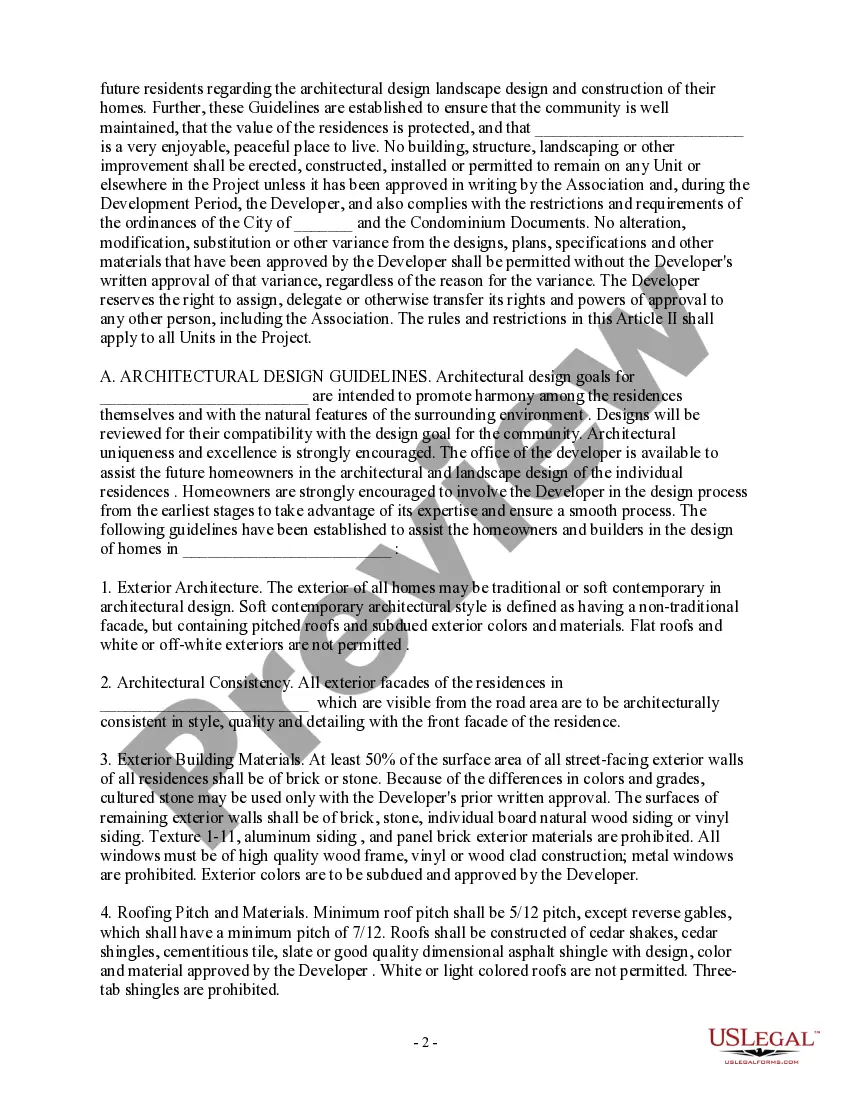
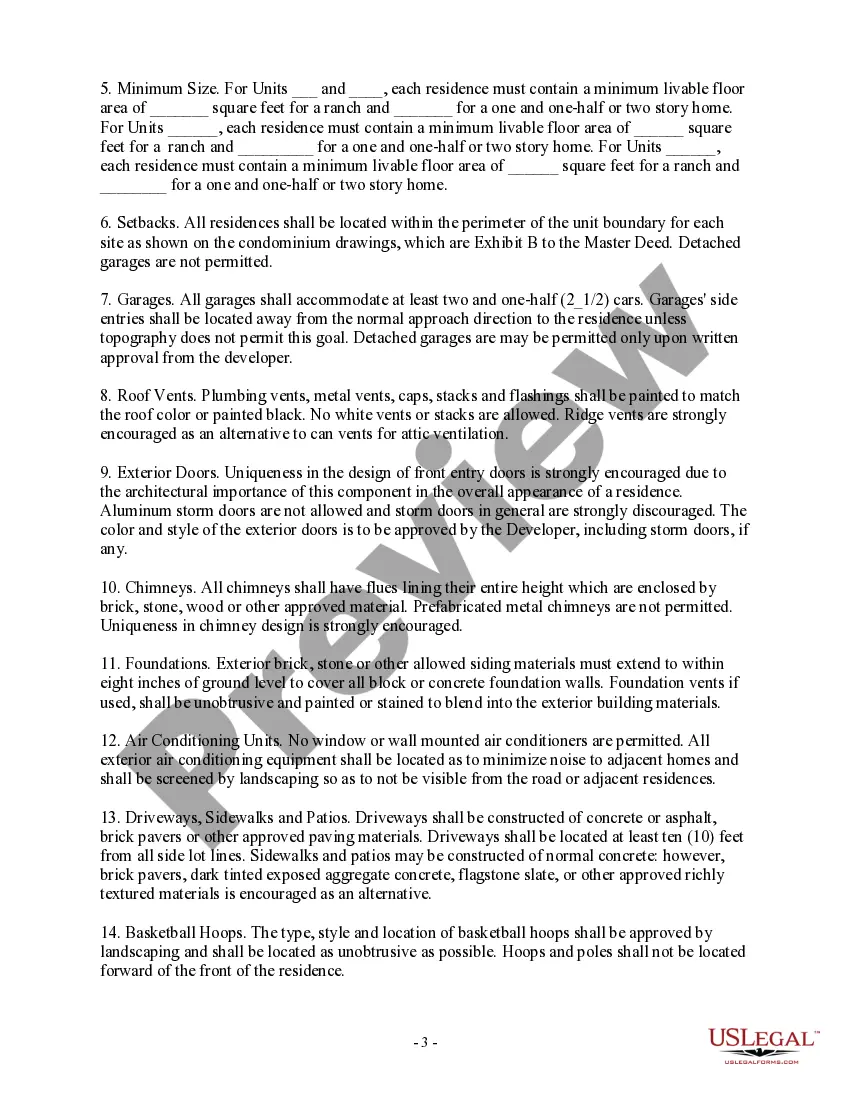
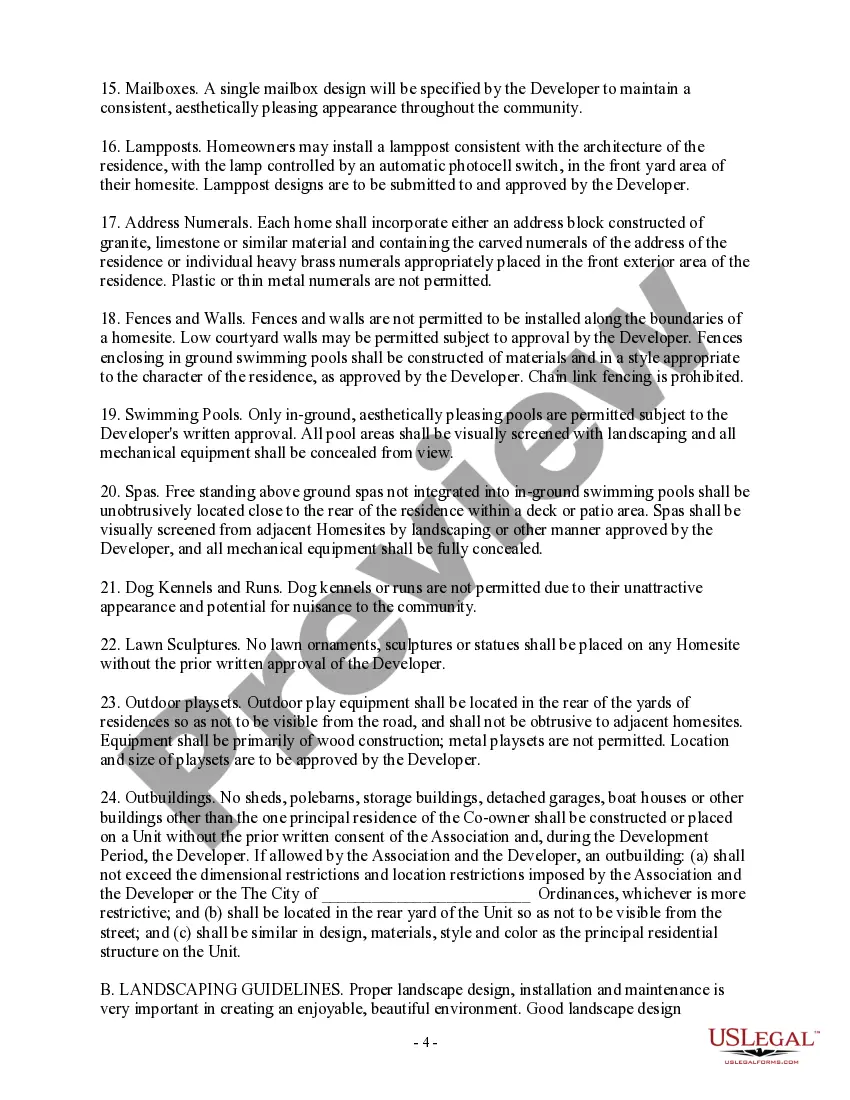
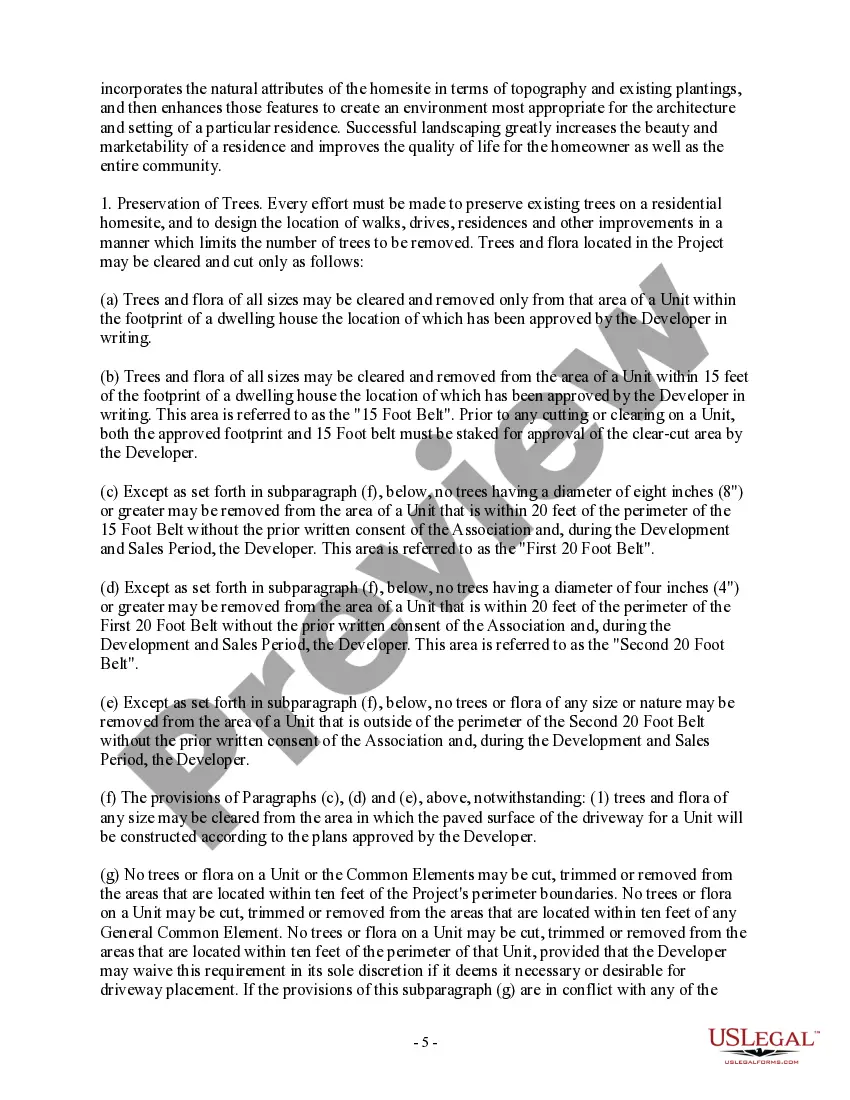
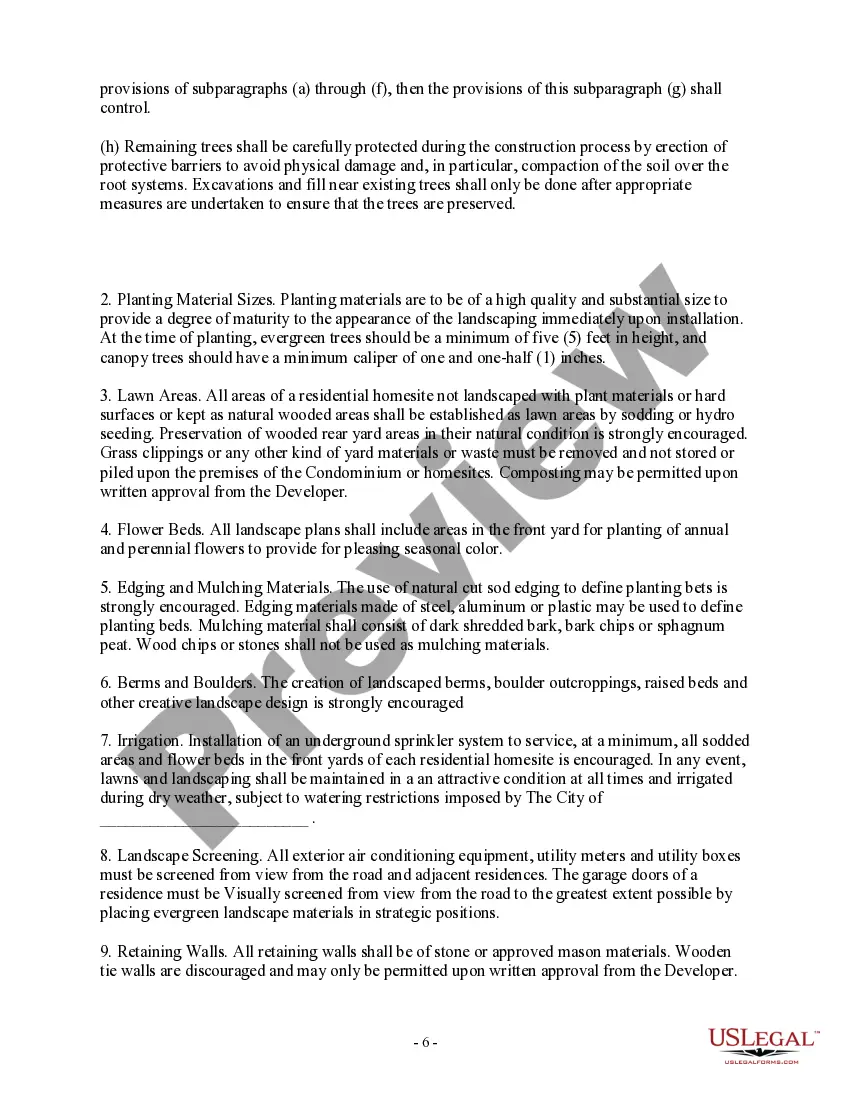
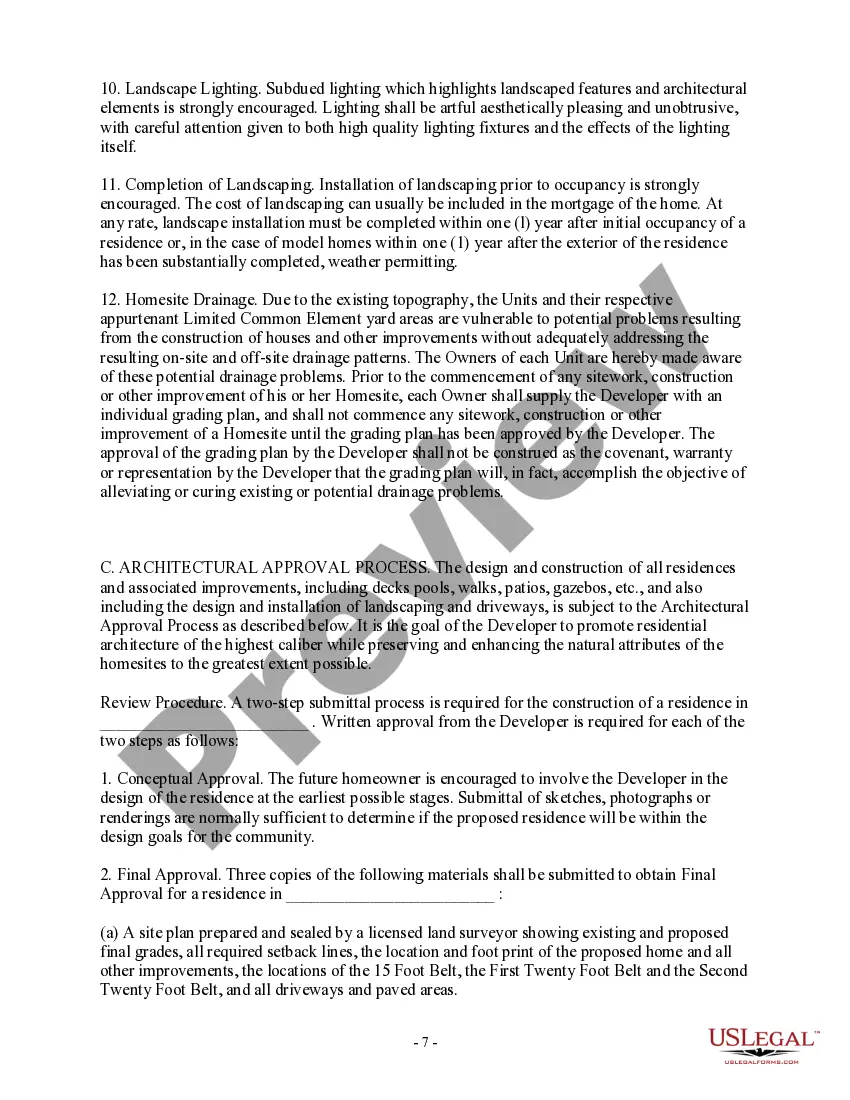
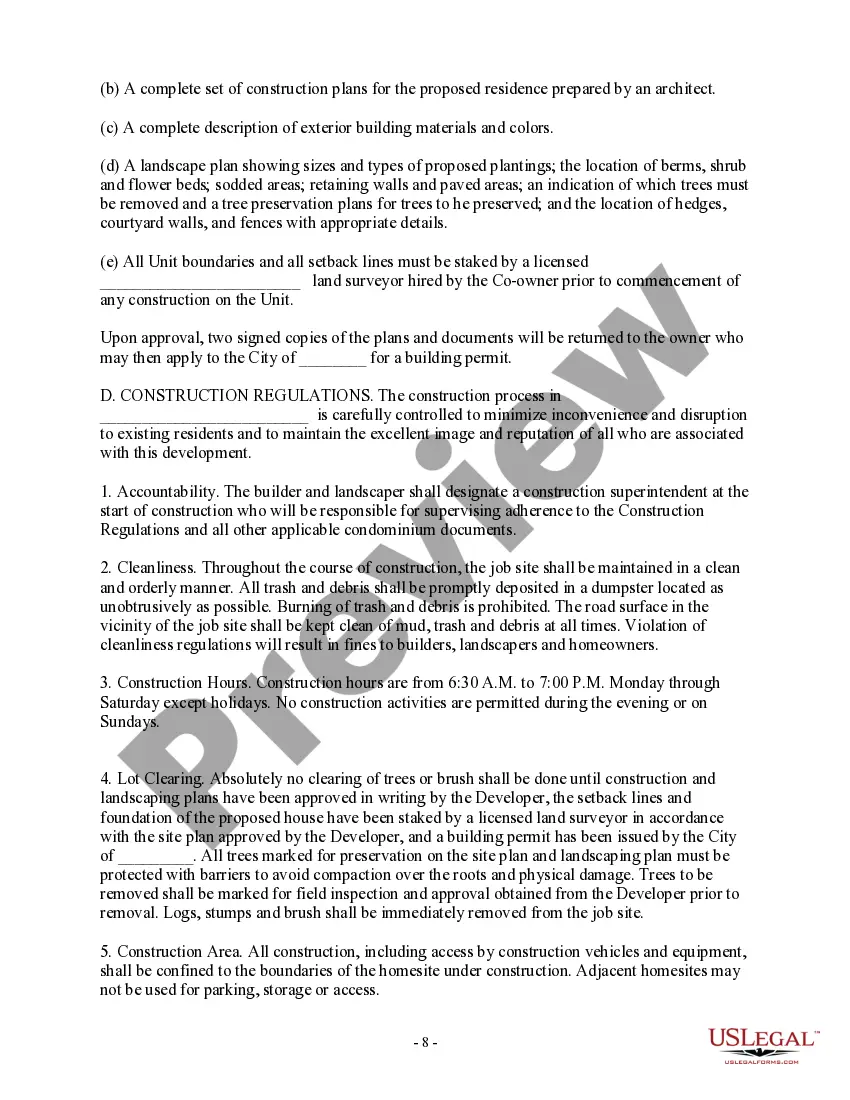
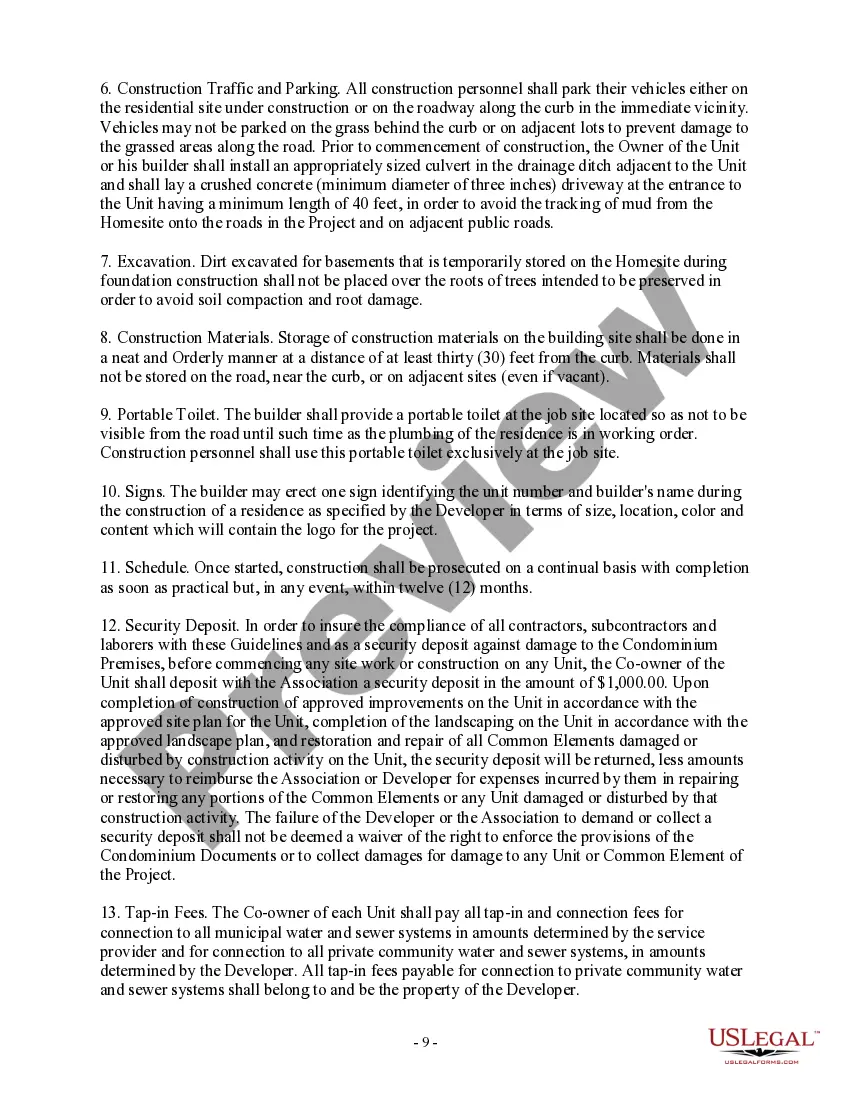
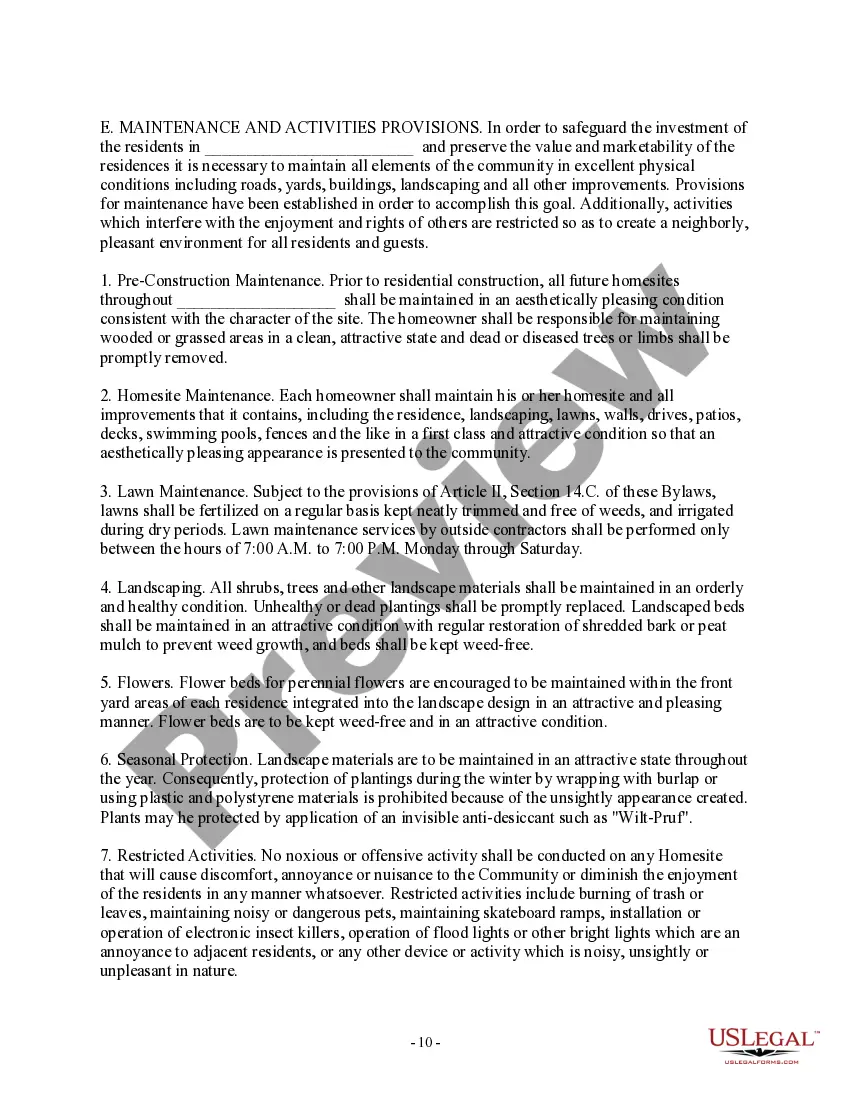


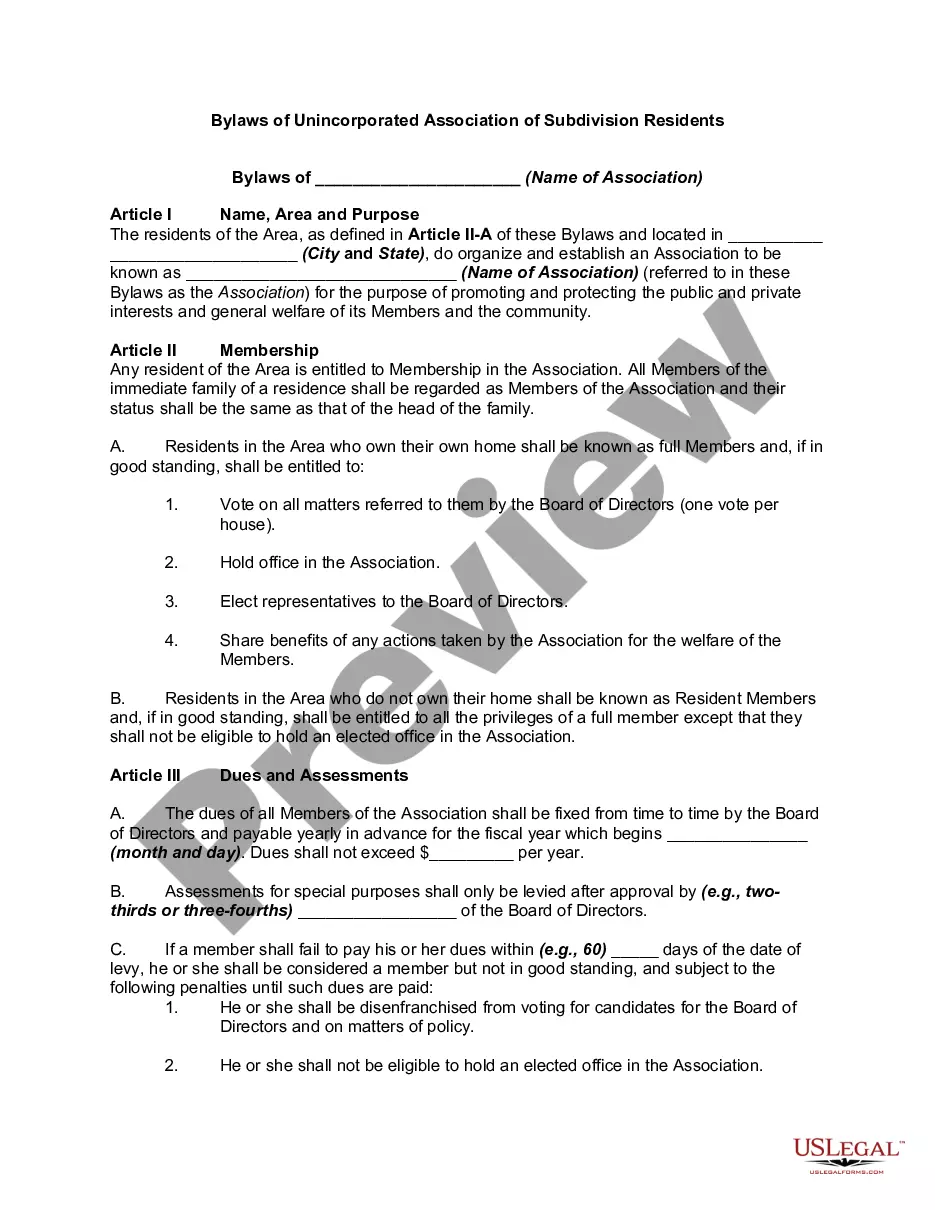
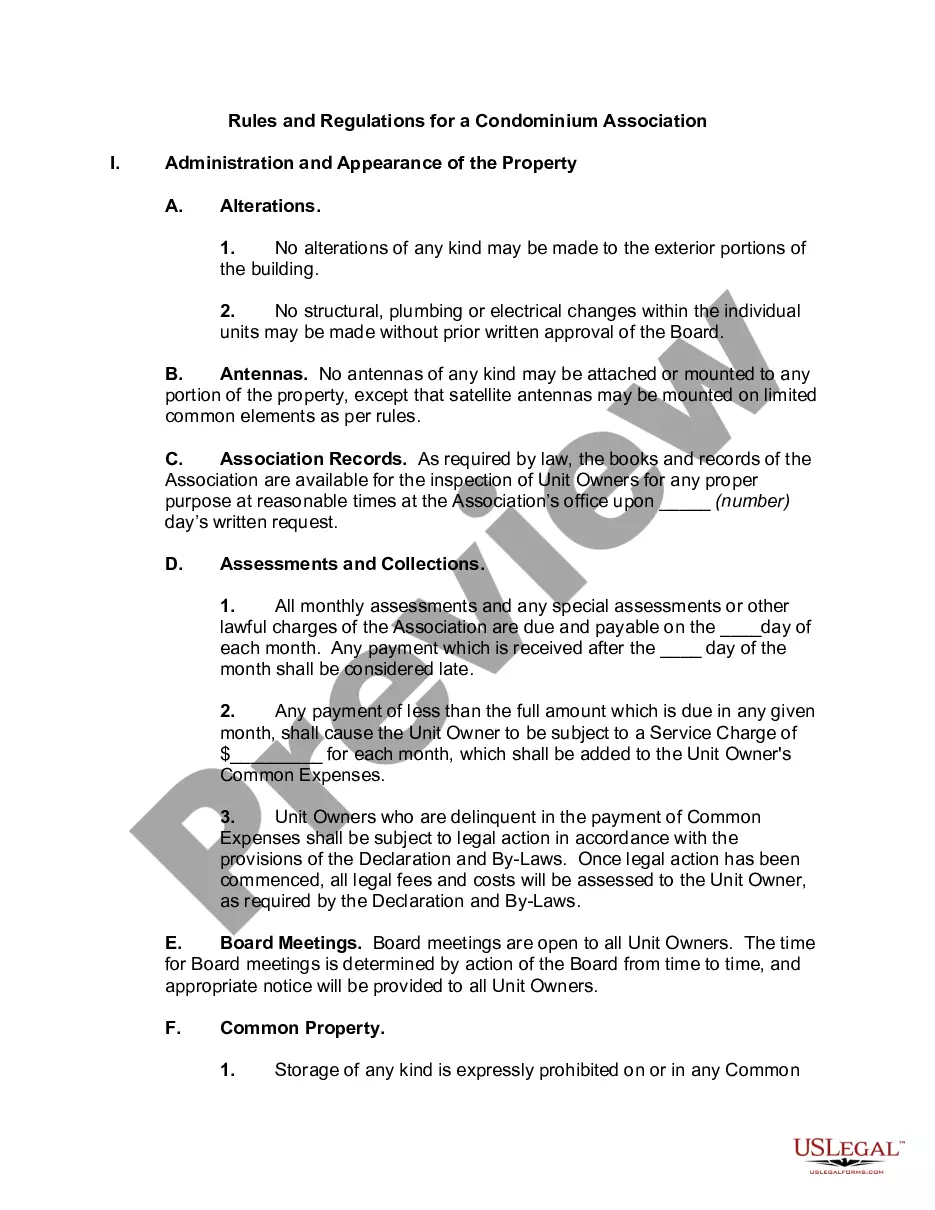

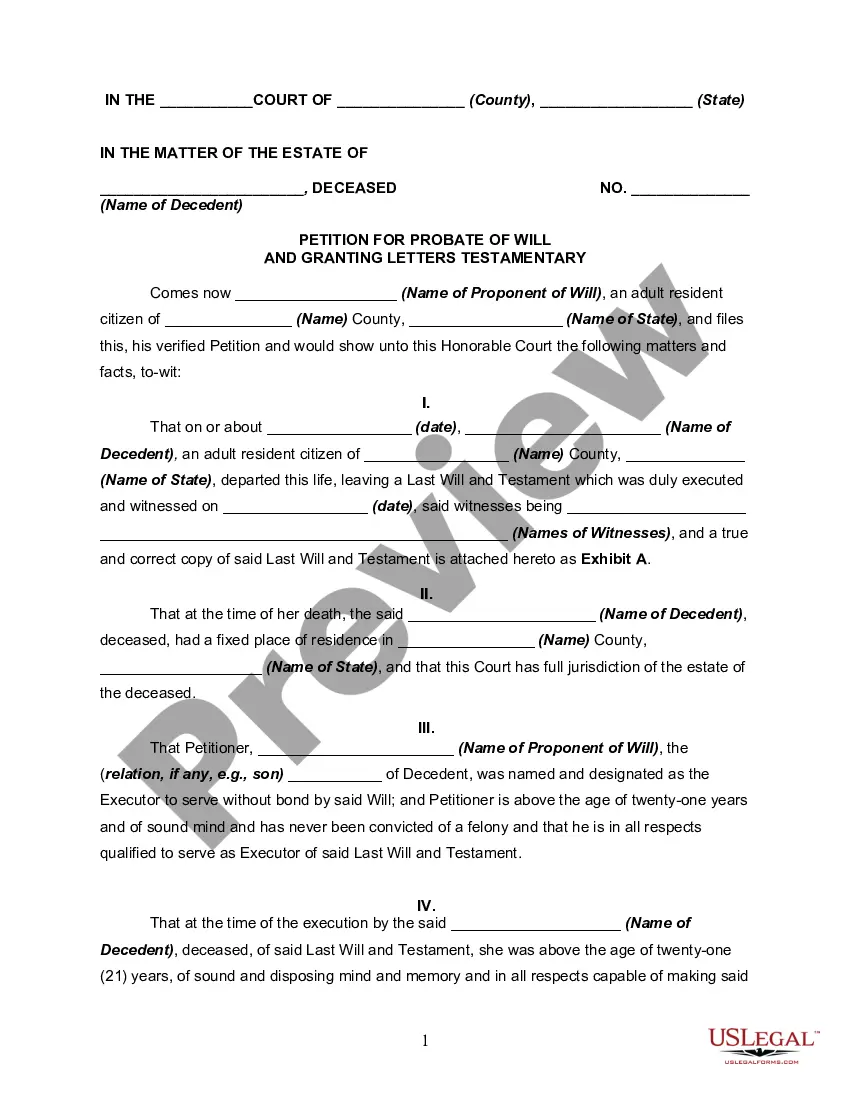
Get your form ready online
Our built-in tools help you complete, sign, share, and store your documents in one place.
Make edits, fill in missing information, and update formatting in US Legal Forms—just like you would in MS Word.
Download a copy, print it, send it by email, or mail it via USPS—whatever works best for your next step.
Sign and collect signatures with our SignNow integration. Send to multiple recipients, set reminders, and more. Go Premium to unlock E-Sign.
If this form requires notarization, complete it online through a secure video call—no need to meet a notary in person or wait for an appointment.
We protect your documents and personal data by following strict security and privacy standards.

Make edits, fill in missing information, and update formatting in US Legal Forms—just like you would in MS Word.

Download a copy, print it, send it by email, or mail it via USPS—whatever works best for your next step.

Sign and collect signatures with our SignNow integration. Send to multiple recipients, set reminders, and more. Go Premium to unlock E-Sign.

If this form requires notarization, complete it online through a secure video call—no need to meet a notary in person or wait for an appointment.

We protect your documents and personal data by following strict security and privacy standards.
Looking for another form?







Form popularity
FAQ
Federal laws - In addition to state law regulations, the federal government has laws that govern the operation of homeowners' associations, iniums, and other residential properties in the state of Massachusetts.
Homeowners' Associations in New York, or otherwise known as Common Interest Communities, are regulated by the Attorney General's office and must be set up as non-profit organizations. They are governed by NY Not-For-Profit Corporation Law, the Association's Articles of Declaration, and Bylaws.
Inium is a Latin word that means "Owning property together." That's what it is like when someone buys a condo unit. They have an "interest" in the land beneath the building, but the building's association owns the actual land.
Condo Owner Rights: The Right to Protest When board members fail to meet their fiduciary duties, condo members can remove the board members who are abusing their authority. Condo owners also have the right to protest any regulations that are discriminatory, unfair, or onerous.
To have a pleasant condo living experience, keep in mind these legal rights for condo owners. The Right to Access Condo Documents. The Right to Equality and Non-Discrimination. The Right to Notice and Meetings. The Right to Run and Vote During Elections. The Right to Protest.
Key Takeaways: HOAs Cannot Directly Evict Tenants – While HOAs enforce rules and maintain community standards, they cannot directly evict tenants. However, rule violations, unpaid fees, or legal actions initiated by the HOA can impact the property owner, potentially leading to eviction through the landlord.
In many cases, the fees cover some common utilities, such as water/sewer fees and garbage disposal. The association may also levy special assessments from time to time if its reserve funds are not sufficient to cover a major repair, such as a new elevator or new roof.
Legal Framework Governing HOAs in Massachusetts In Massachusetts, homeowners' associations (HOAs) are subject to a robust legal framework. This framework not only aligns with federal regulations but also includes state-specific laws designed to regulate the formation, management, and operation of these associations.
