Bylaws Condo Association With Low Reserves In San Bernardino
Description



Get your form ready online
Our built-in tools help you complete, sign, share, and store your documents in one place.
Make edits, fill in missing information, and update formatting in US Legal Forms—just like you would in MS Word.
Download a copy, print it, send it by email, or mail it via USPS—whatever works best for your next step.
Sign and collect signatures with our SignNow integration. Send to multiple recipients, set reminders, and more. Go Premium to unlock E-Sign.
If this form requires notarization, complete it online through a secure video call—no need to meet a notary in person or wait for an appointment.
We protect your documents and personal data by following strict security and privacy standards.

Make edits, fill in missing information, and update formatting in US Legal Forms—just like you would in MS Word.

Download a copy, print it, send it by email, or mail it via USPS—whatever works best for your next step.

Sign and collect signatures with our SignNow integration. Send to multiple recipients, set reminders, and more. Go Premium to unlock E-Sign.

If this form requires notarization, complete it online through a secure video call—no need to meet a notary in person or wait for an appointment.

We protect your documents and personal data by following strict security and privacy standards.
Looking for another form?
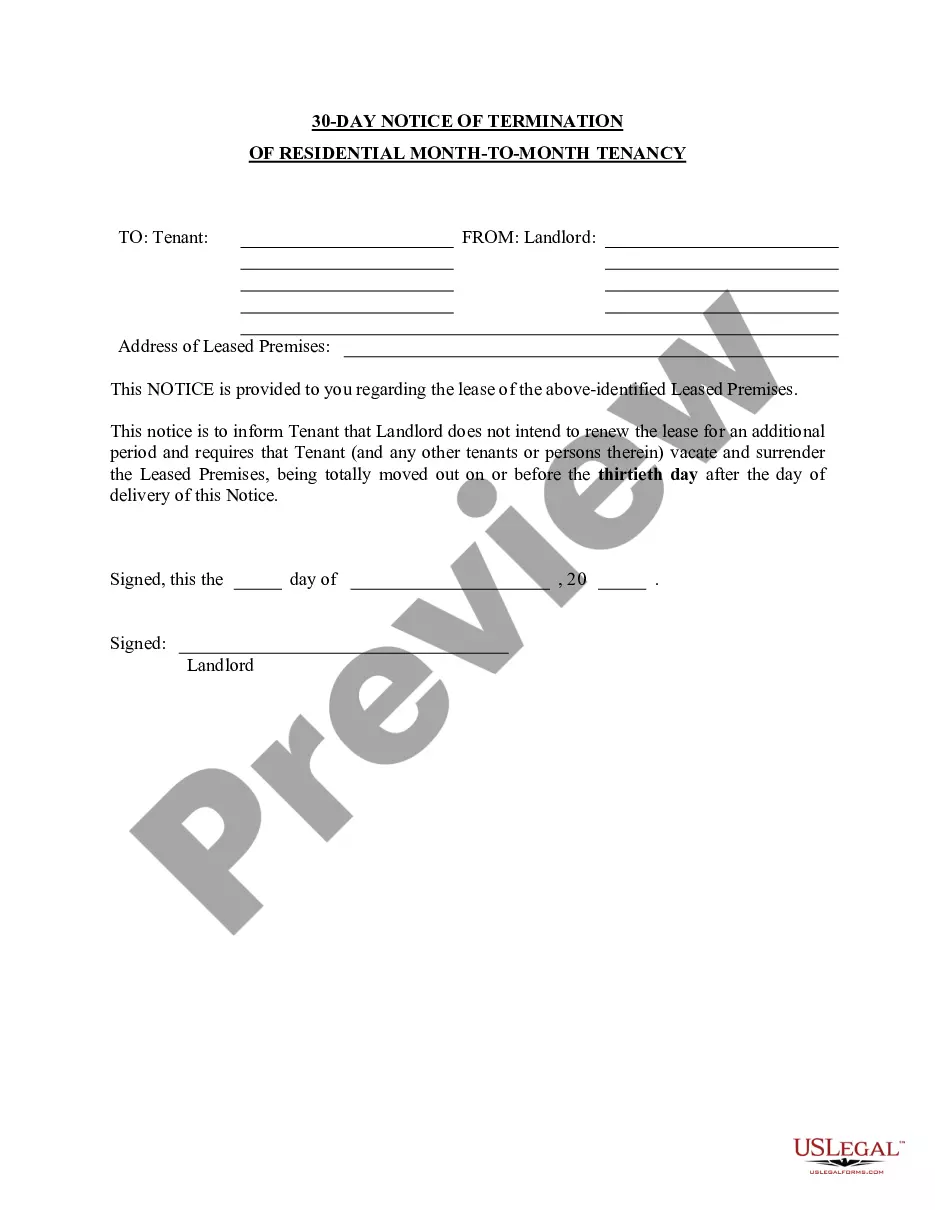




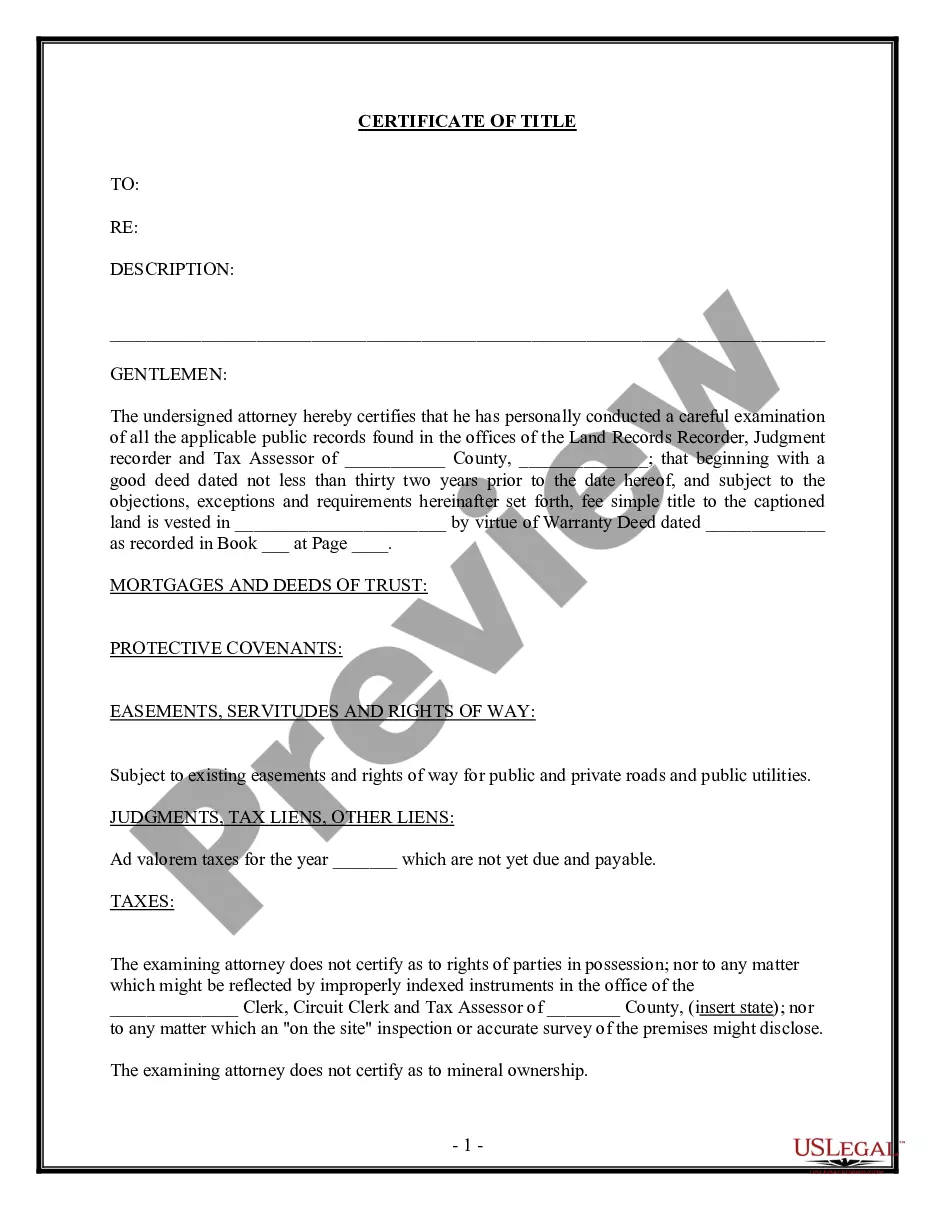




Form popularity
FAQ
What are unenforceable HOA rules? Keep you out of court. Hush up litigation. Discriminate indiscriminately. Enter your home without cause or notice. String you out on the (clothes)line. Fine you for fun. Change rules on the fly. Demand you take down your dish.
An HOA has the authority to enforce the rules and regulations of the community using the community rules, or “bylaws and covenants.” These rules are considered “agreed upon” since homeowners approve them through board-elected representatives.
So how much should your HOA have on hand to address these inevitable repair and replacement costs? A good rule of thumb is for Reserves to be funded at 70% or higher of the property's calculated deterioration.
What are unenforceable HOA rules? Keep you out of court. Hush up litigation. Discriminate indiscriminately. Enter your home without cause or notice. String you out on the (clothes)line. Fine you for fun. Change rules on the fly. Demand you take down your dish.
The local law supersedes the rules and regulations of the HOA, meaning that HOAs must ensure they are operating under the law.
Laws always supersede governing documents IF they conflict and the law applies to your HOA. In California, the Davis-Stirling Act may take precedent over general corporation codes because it's specific to HOAs.
So how much should your HOA have on hand to address these inevitable repair and replacement costs? A good rule of thumb is for Reserves to be funded at 70% or higher of the property's calculated deterioration.
National Reserve Study Standards (released in 1998) define three types of Reserve Studies: Full, Update With-Site-Visit, and Update No-Site-Visit. The Operating Budget is for the daily/weekly/monthly expenses at the association, while the Reserve Budget is for the major common area repair & replacement expenses.
Except as provided below, all associations are required to prepare a reserve study at least once every three (3) years with a review to be conducted annually to determine if adjustments are necessary to the association's reserve account requirements. (Civ. Code §§ 5300(b), 5550(a).)
The new HOA law in California, passed in September 2024, includes amendments to the Davis-Stirling Act of 1985. These amendments make it possible for HOAs to conduct elections online rather than through costly and time-consuming paper balloting.
