Bylaws Residential Association For Condominiums In San Antonio
Description

















Form popularity
FAQ
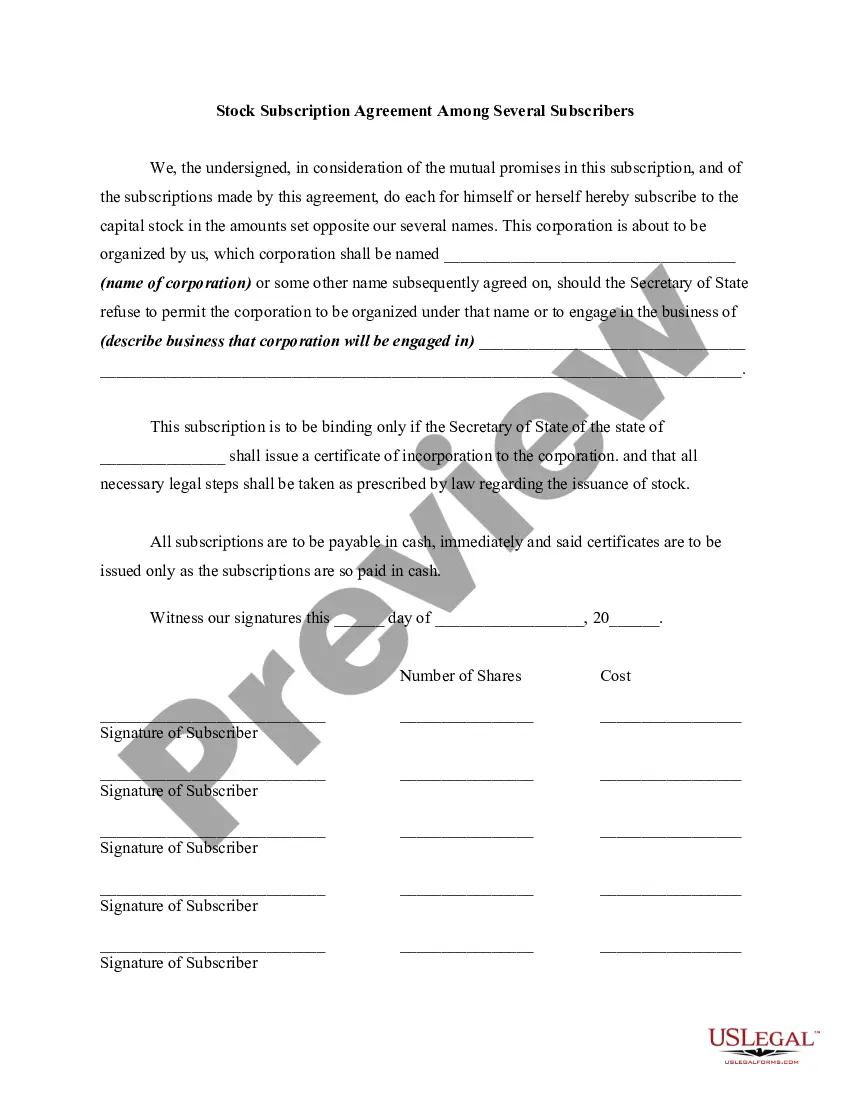
Bylaws. The Bylaws of a inium or planned development contain the operating procedures of the homeowners association. These generally include how to call and conduct a meeting, how to vote, how to levy assessments, how to manage association business, and how to keep records.
Condo fees typically cover: Routine maintenance and repairs of areas like lobbies, hallways, and elevators. Utilities, which vary but may include water, heating, garbage collection, and electricity. Landscaping and outdoor maintenance. Building insurance (but not personal condo insurance)
Disclosure Requirements Disclosure is mandated by law, often through public records and real property records. Before purchasing a home, buyers must receive a set of documents detailing the HOA's health, such as its covenants, conditions, restrictions, bylaws, rules, and financial statements.
More important, most inium documents were written by developer lawyers for the primary benefit of the developer. As a board member, you have a responsibility to ensure that owners can live with your condo documents. The declaration and bylaws of your association are your constitution.
HOA Rights in Texas The Collection of Fees Known as "Assessments" or "Dues" ... Enforcing Community Rules and Regulations. Access to Common Areas and Shared Facilities. The Right to Create Bylaws. Host Meetings. Property Owners' Associations Must Be Transparent. Fair and Consistent Enforcement of Rules and Regulations.
The local law supersedes the rules and regulations of the HOA, meaning that HOAs must ensure they are operating under the law.
The best way to strategize on short-term rental restrictions is to speak to a board member. At the same time, you can consult the CC&Rs' (Covenants, conditions, and restrictions) advice. Knowing the potential risks of getting around HOA's restrictions is important. And we highly recommend doing it the legal way.
House Bill 614 guarantees your right to a hearing before the HOA board to contest the violation or the proposed fine. This ensures a fair and transparent process where you can voice your concerns and advocate for your interests.
No, there is not a way to ``leave the HOA'' without moving. The HOA covenants are tied to the property permanently.
Once you buy a home that's part of an HOA, you automatically become a member of the HOA. HOA rules are legally binding, and you must adhere to all rules and regulations in the governing document. Yes, there are bylaws that you may not like, but there are no HOA loopholes.
