Condominium Bylaws Condo Association Format In Palm Beach
Description

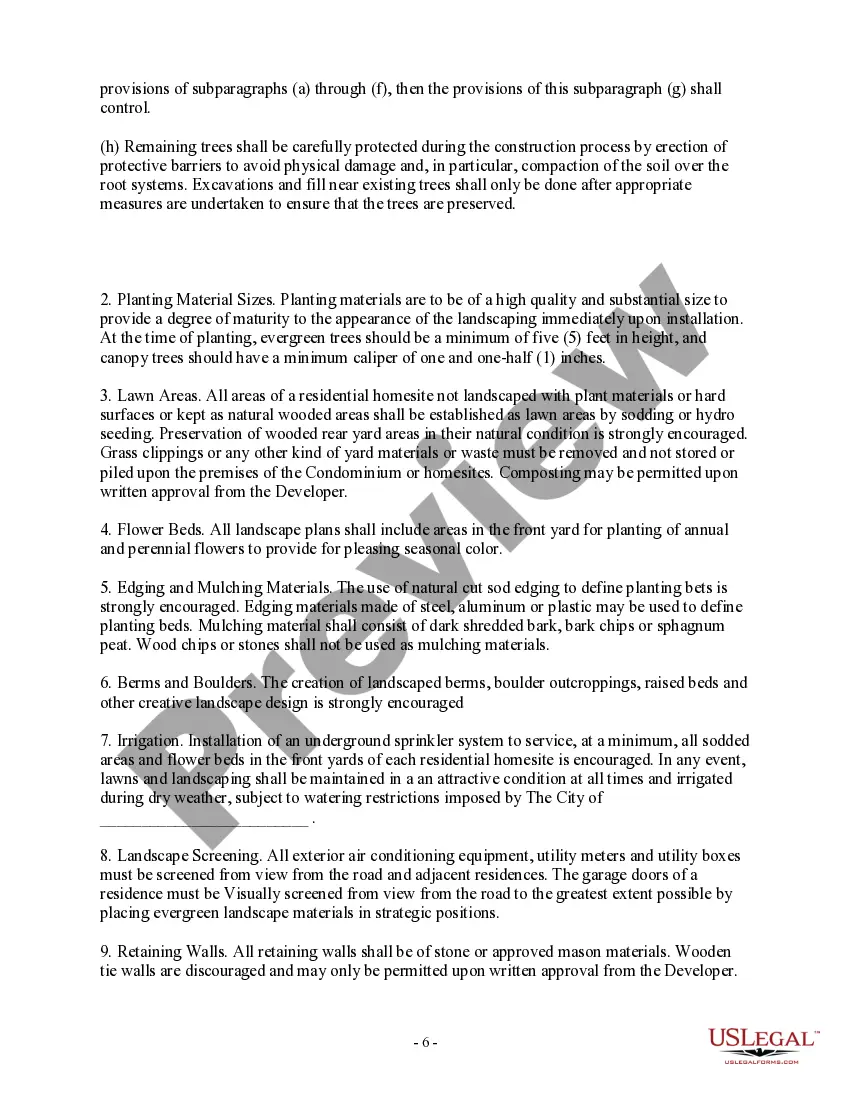
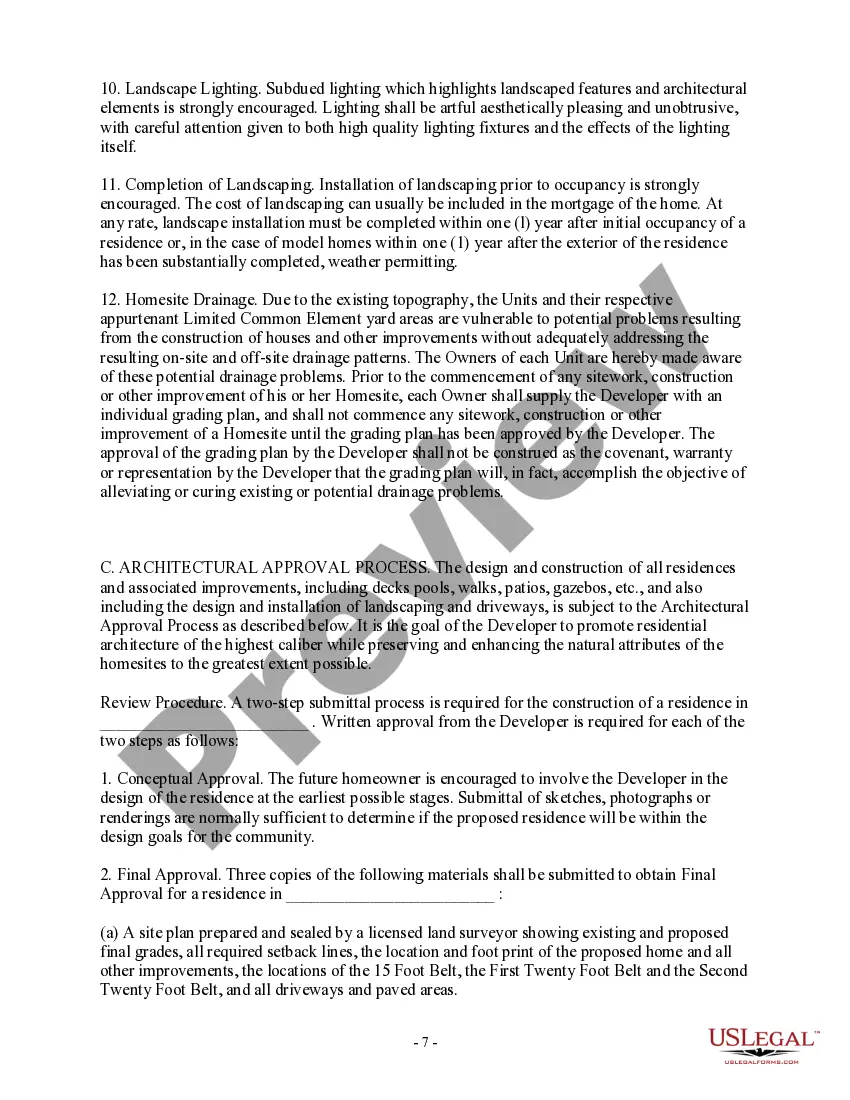
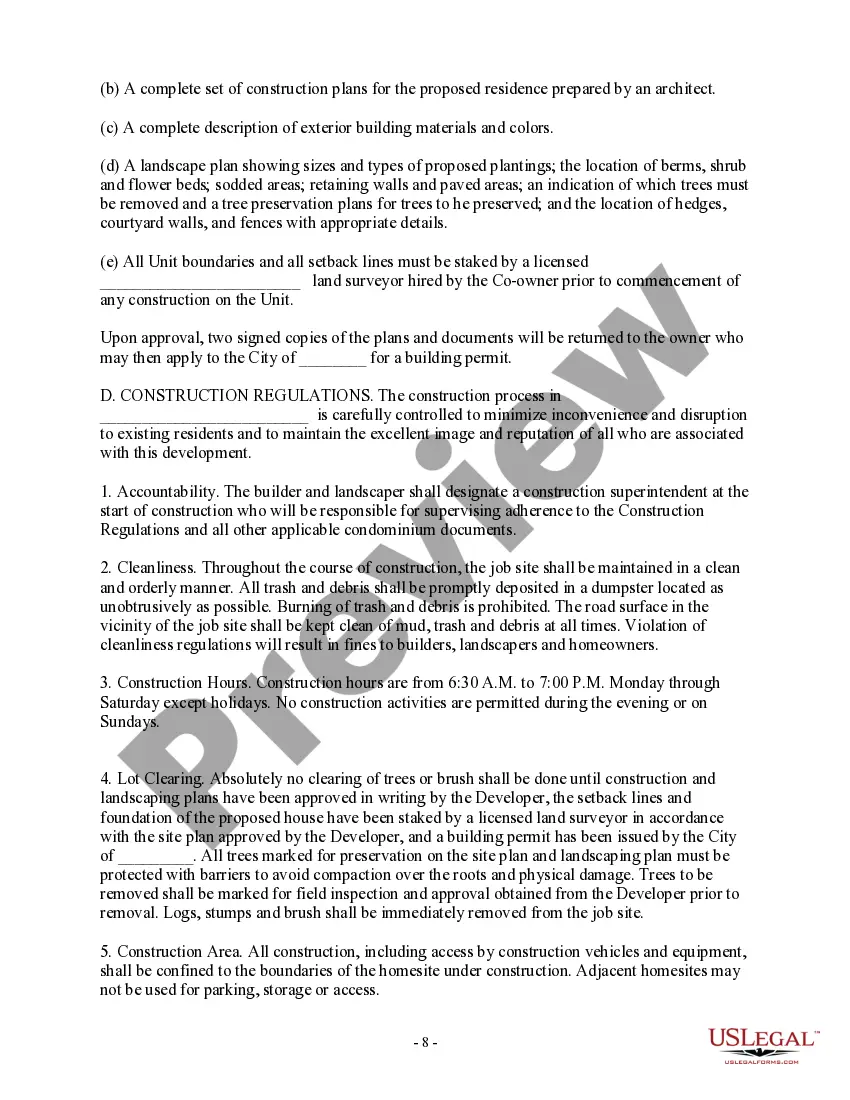
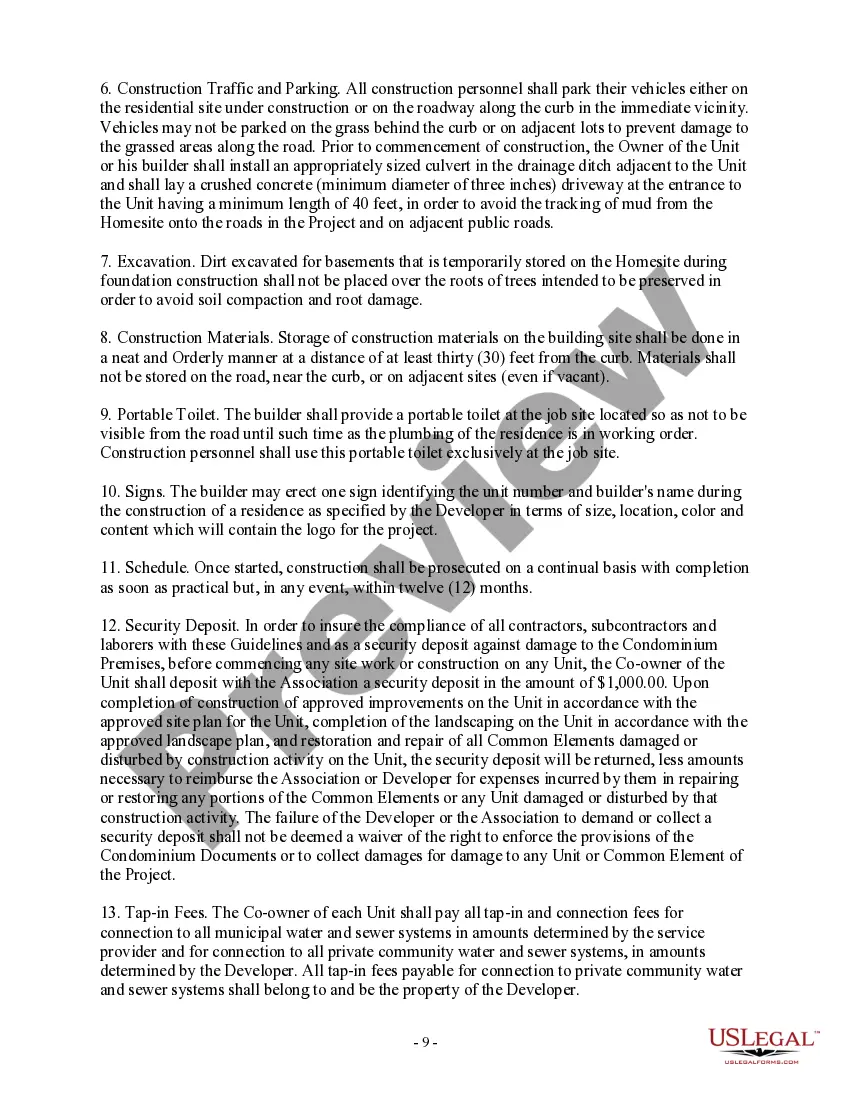



Get your form ready online
Our built-in tools help you complete, sign, share, and store your documents in one place.
Make edits, fill in missing information, and update formatting in US Legal Forms—just like you would in MS Word.
Download a copy, print it, send it by email, or mail it via USPS—whatever works best for your next step.
Sign and collect signatures with our SignNow integration. Send to multiple recipients, set reminders, and more. Go Premium to unlock E-Sign.
If this form requires notarization, complete it online through a secure video call—no need to meet a notary in person or wait for an appointment.
We protect your documents and personal data by following strict security and privacy standards.

Make edits, fill in missing information, and update formatting in US Legal Forms—just like you would in MS Word.

Download a copy, print it, send it by email, or mail it via USPS—whatever works best for your next step.

Sign and collect signatures with our SignNow integration. Send to multiple recipients, set reminders, and more. Go Premium to unlock E-Sign.

If this form requires notarization, complete it online through a secure video call—no need to meet a notary in person or wait for an appointment.

We protect your documents and personal data by following strict security and privacy standards.
Looking for another form?



Form popularity
FAQ
The Florida Homeowners' Association Act, Chapter 720 of the Florida Statutes, states that amendments to “governing documents” for homeowners' associations are not effective until they are recorded in the public records of the county in which the community is located.
Copies of the Articles of Incorporation and bylaws of the homeowners association can be obtained from the Florida Department of State, Division of Corporations. Copies of the governing documents may also be obtained directly from the homeowners association.
Although a board may propose a rule that changes or modifies the declaration the board will still need to have the owners vote to approve the change and follow the procedures for amending the declaration. The board may not act alone in this regard.
Florida Recorded Document Search - Visit the county recorder's office where the property is located to find an association's Declaration of Covenants, Conditions, and Restrictions (CC&Rs), Amendments to CC&Rs, Bylaws, Lien Notices, HOA Notices, Plats, Maps, and other community documents.
6 Steps to Amend HOA Bylaws and Covenants Amendment Proposal. The first step consists of a proposal describing the changes to the bylaw or covenant. Discussion Meeting. The board will then discuss the proposed amendment at a board meeting. Give it a Vote. Count the Votes. Amendment Approval. Recording and Effectivity.
The Florida Homeowners' Association Act, Chapter 720 of the Florida Statutes, states that amendments to “governing documents” for homeowners' associations are not effective until they are recorded in the public records of the county in which the community is located.
The Florida Homeowners Association Act, Statute 720(Opens in a new window), requires that the affirmative vote of two-thirds of the voting interests of the association agree to amend any governing document of an association. This ensures that any amendments meet the approval of a healthy majority within the community.
The Florida Department of Business and Professional Regulation's (DBPR) CTMH Division oversees five program areas: iniums, cooperatives, timeshares, mobile homes, and yacht and ship brokers and salespersons.
