Condominium Act Form 4 In Oakland

State:
Multi-State
County:
Oakland
Control #:
US-00452
Format:
Word; 
Rich Text
Instant download

Description

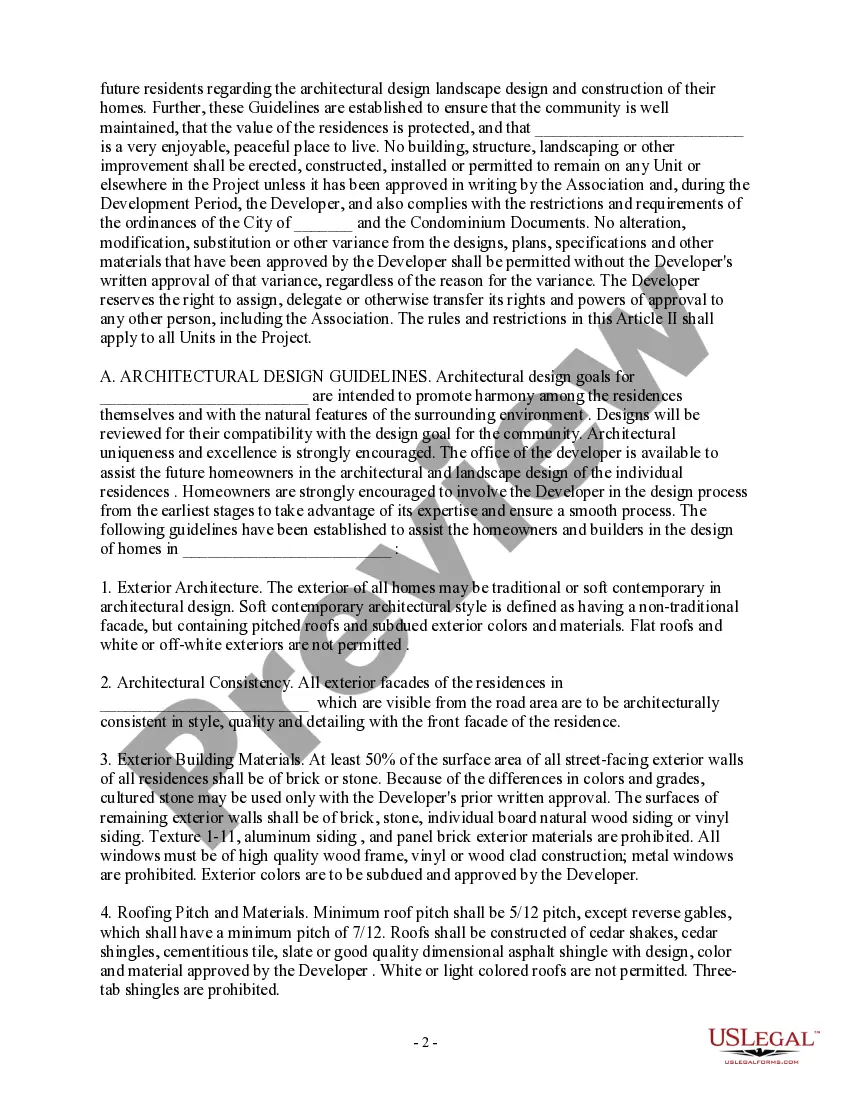
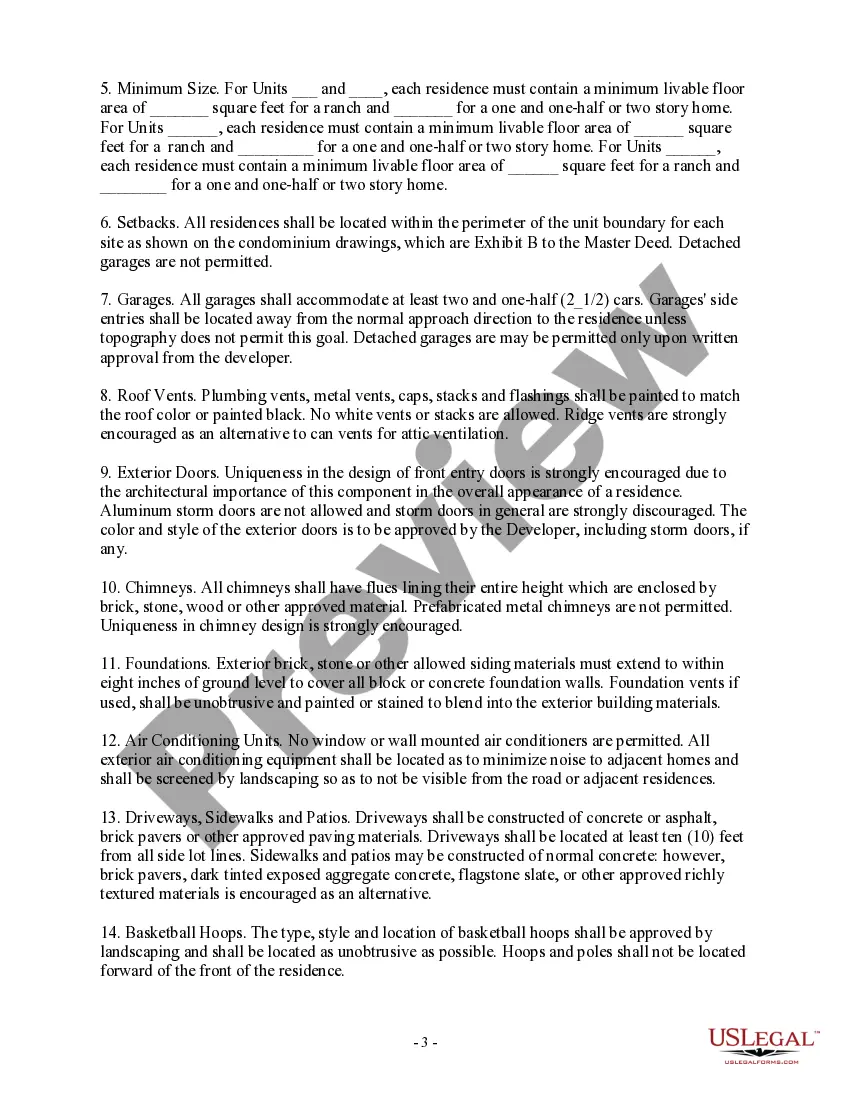
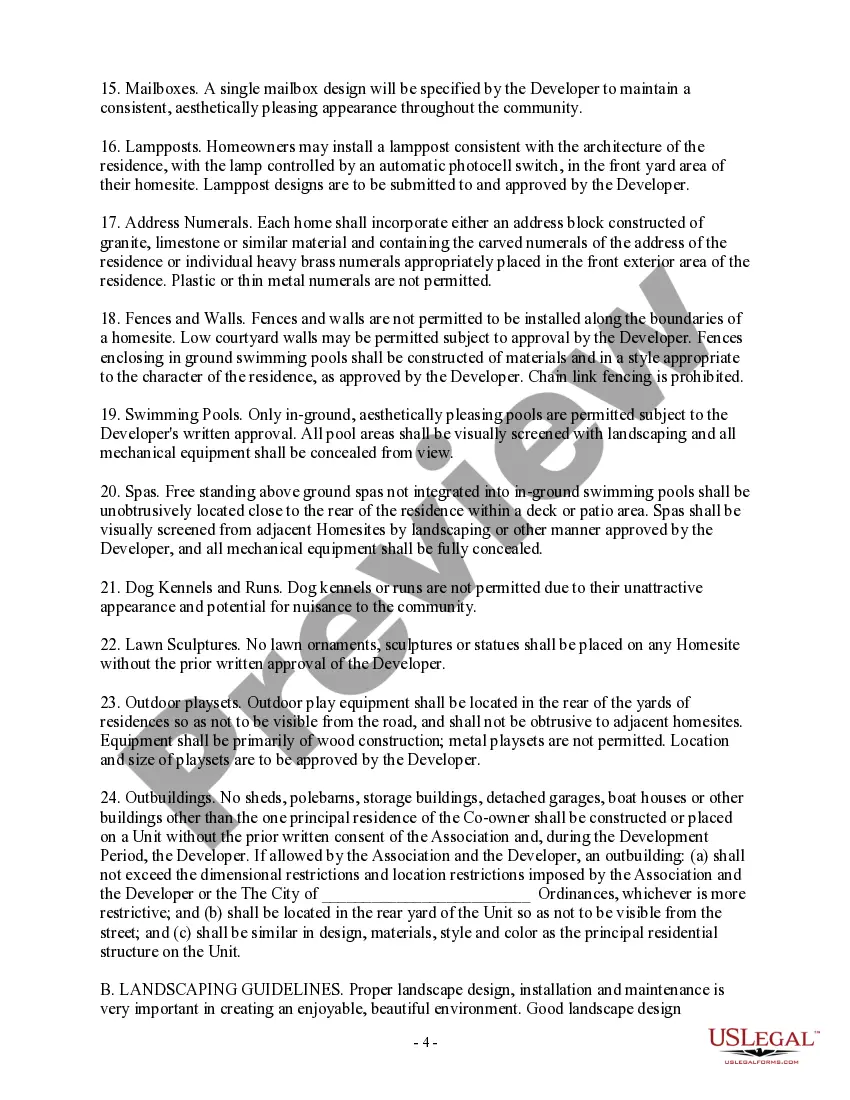
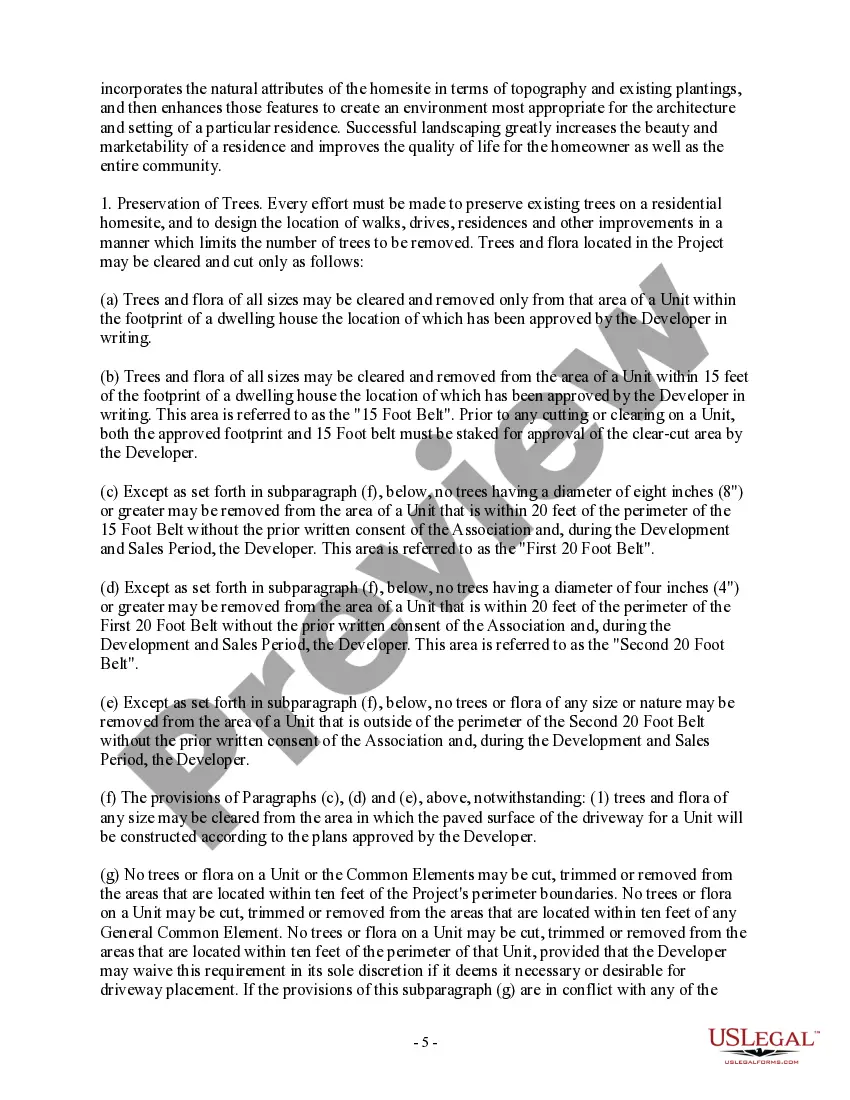
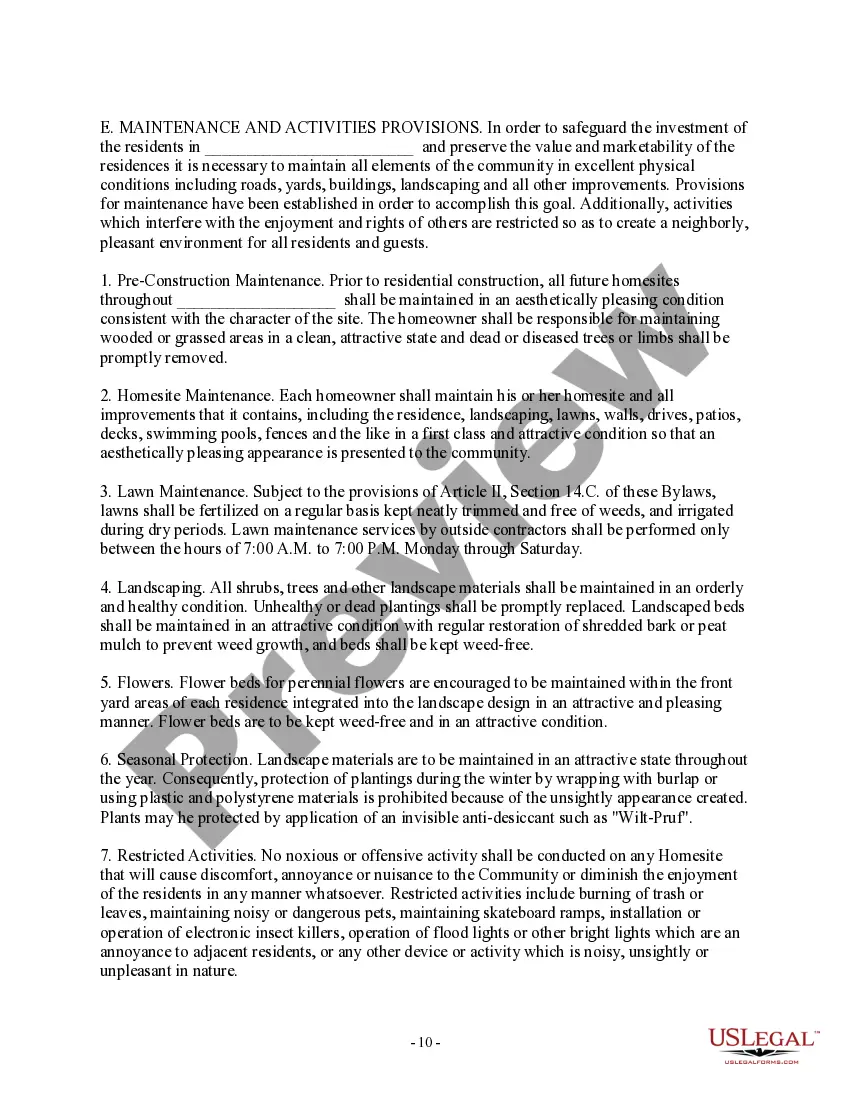
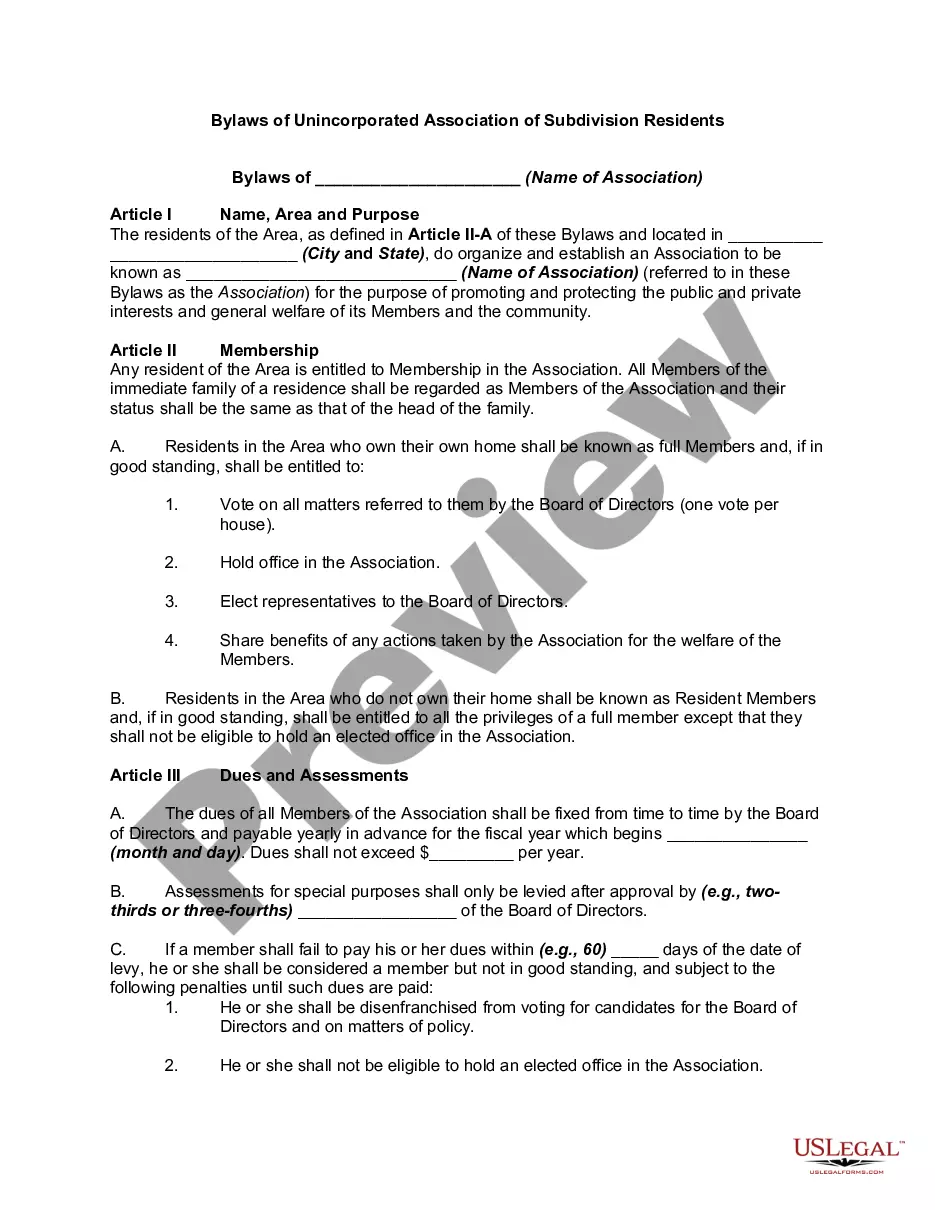
The Condominium Act Form 4 in Oakland is crucial for establishing the bylaws governing a condominium association, ensuring that management and operational procedures are legally sound and communicated to all co-owners. This document outlines the responsibilities of the association, restrictions on property use, and guidelines for architectural control, promoting a harmonious community environment. It details the steps for filling out and modifying the bylaws according to specific community needs, emphasizing the necessity for compliance with state regulations. Relevant to attorneys and legal assistants, this form serves as a foundational document that ensures all co-owners understand their rights and obligations within the community. For owners and potential buyers, it clarifies the important aspects of property usage and upkeep standards, which can influence property value and enjoyment. Paralegals and associates benefit from familiarity with this form, as it provides a framework for legal matters involving dispute resolution and governance. Therefore, implementing this form accurately is essential to maintain legal and operational integrity within condominium communities.
Free preview
  • Preview Condominium Bylaws - Residential Condo Development
  • Preview Condominium Bylaws - Residential Condo Development
  • Preview Condominium Bylaws - Residential Condo Development
  • Preview Condominium Bylaws - Residential Condo Development
  • Preview Condominium Bylaws - Residential Condo Development
  • Preview Condominium Bylaws - Residential Condo Development
  • Preview Condominium Bylaws - Residential Condo Development
  • Preview Condominium Bylaws - Residential Condo Development
  • Preview Condominium Bylaws - Residential Condo Development
  • Preview Condominium Bylaws - Residential Condo Development
  • Preview Condominium Bylaws - Residential Condo Development

Get your form ready online

Our built-in tools help you complete, sign, share, and store your documents in one place.

Built-in online Word editor

Make edits, fill in missing information, and update formatting in US Legal Forms—just like you would in MS Word.

Export easily

Download a copy, print it, send it by email, or mail it via USPS—whatever works best for your next step.

E-sign your document

Sign and collect signatures with our SignNow integration. Send to multiple recipients, set reminders, and more. Go Premium to unlock E-Sign.

Notarize online 24/7

If this form requires notarization, complete it online through a secure video call—no need to meet a notary in person or wait for an appointment.

Store your document securely

We protect your documents and personal data by following strict security and privacy standards.

Form selector

Make edits, fill in missing information, and update formatting in US Legal Forms—just like you would in MS Word.

Form selector

Download a copy, print it, send it by email, or mail it via USPS—whatever works best for your next step.

Form selector

Sign and collect signatures with our SignNow integration. Send to multiple recipients, set reminders, and more. Go Premium to unlock E-Sign.

Form selector

If this form requires notarization, complete it online through a secure video call—no need to meet a notary in person or wait for an appointment.

Form selector

We protect your documents and personal data by following strict security and privacy standards.

Looking for another form?

This field is required
Ohio
Select state

Form popularity

FAQ

The Ellis Act is a state law that allows landlords to evict residential tenants in order to go out of the rental business. This right is afforded to rental housing providers even though general public policy is to keep residents housed so long as their tenancy is in good standing.

Just Cause is Required for Eviction (Oakland Municipal Code, Section 8.22. 300) In Oakland, a property owner can only terminate a tenancy or evict a tenant for JUST CAUSE.

If you don't do what your landlord asks, they can start an eviction case to ask the judge to order you to move out. After the landlord gives you the Notice it can take 30-45 days, or longer, for the eviction case to end. If you lose the case, the judge can order you to move out of your home.

Trusted and secure by over 3 million people of the world’s leading companies

Condominium Act Form 4 In Oakland