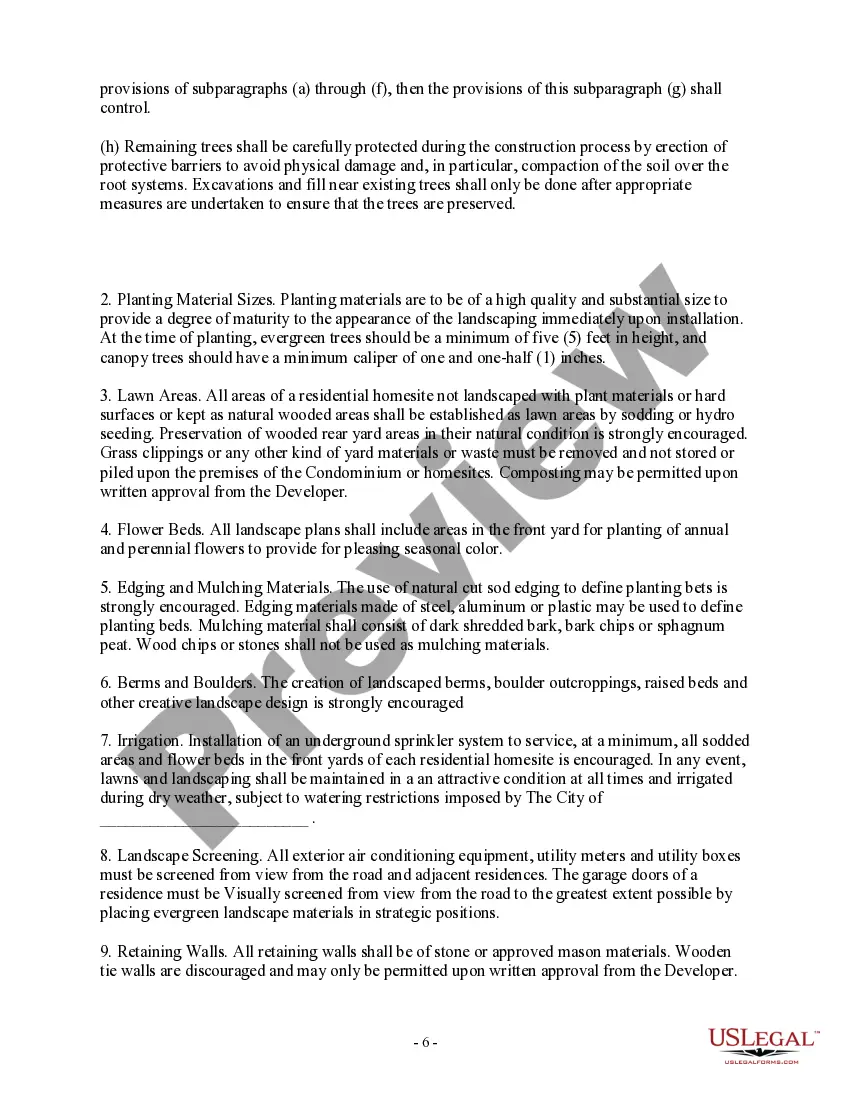
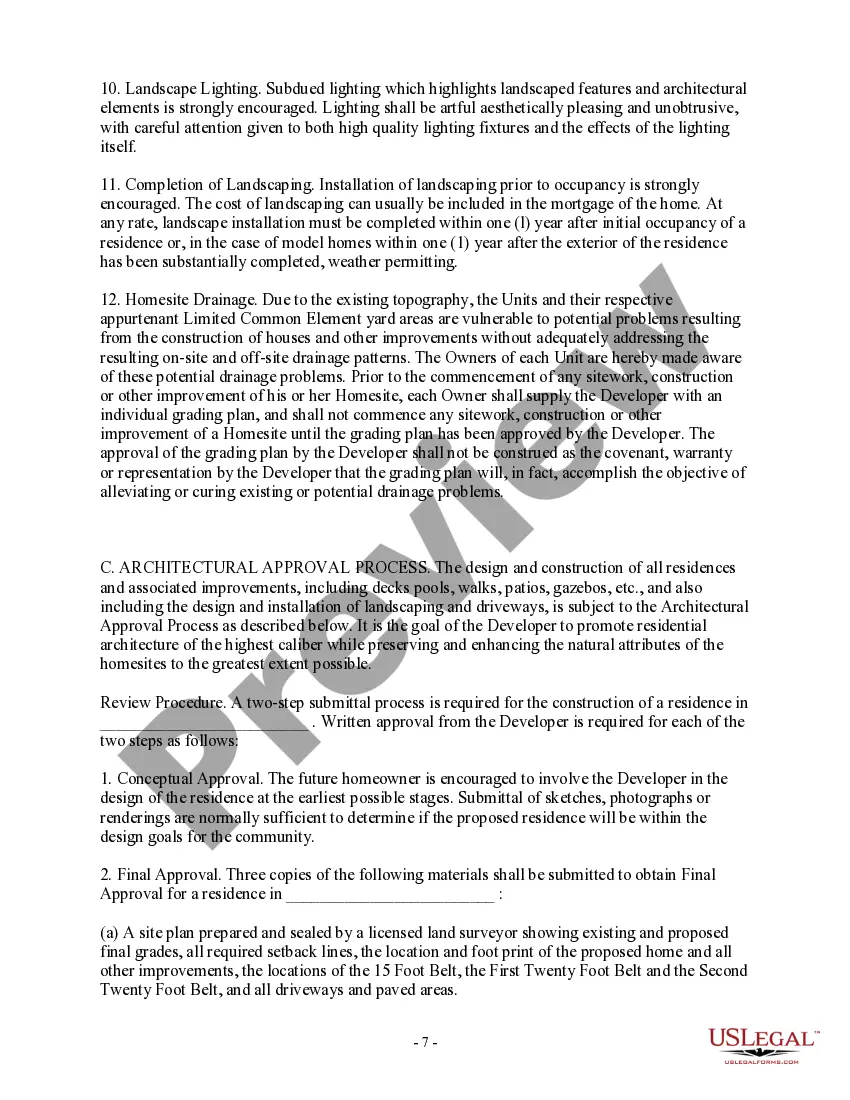
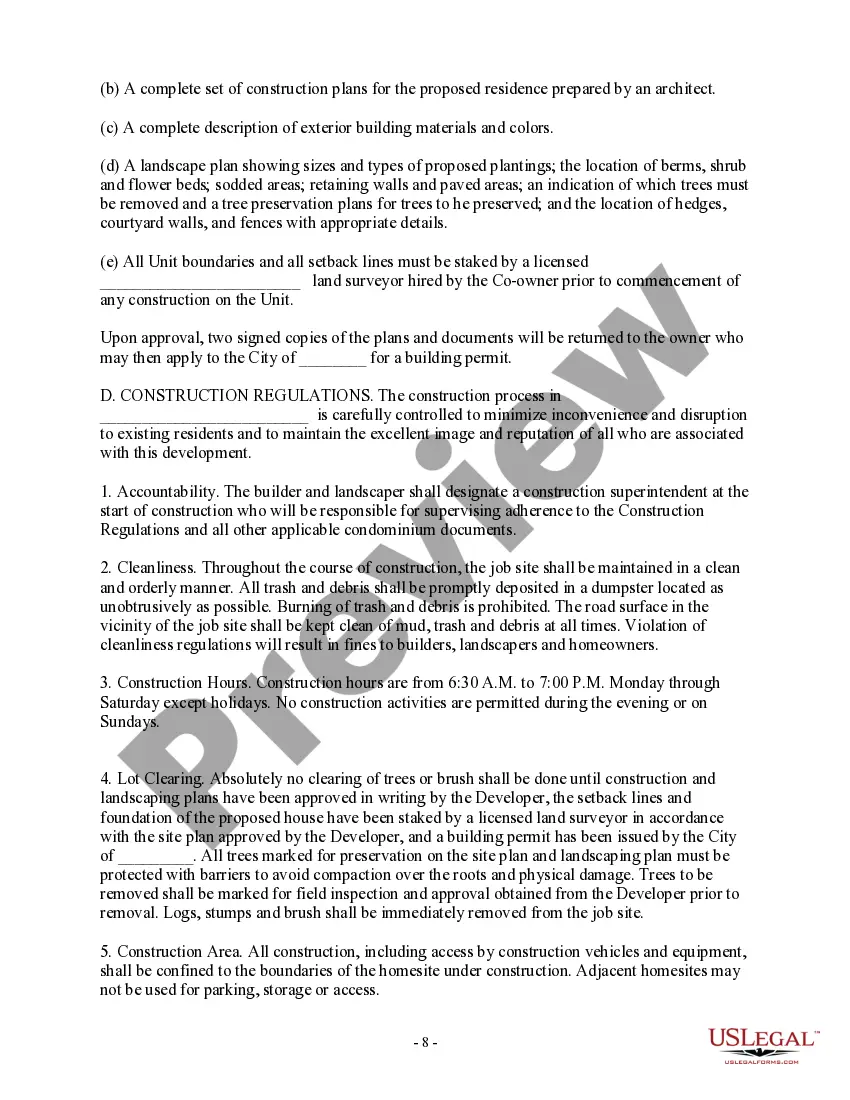
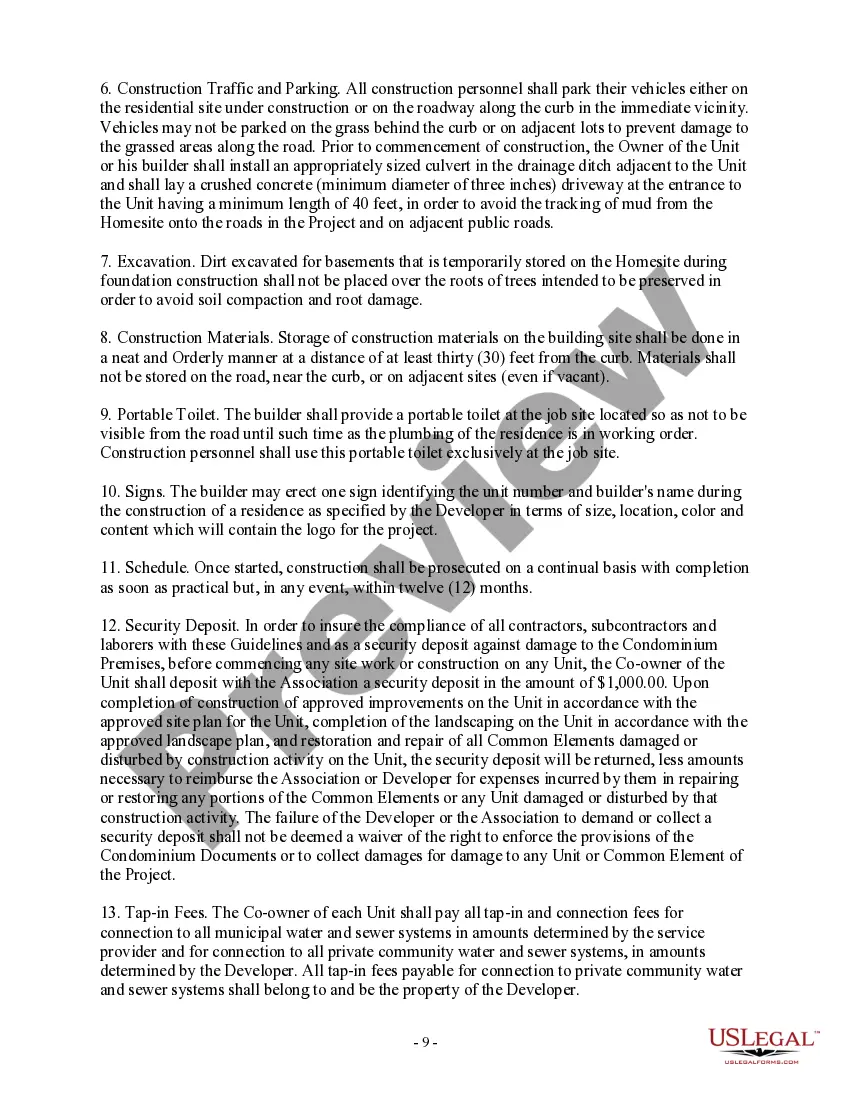
Condo Rules For Renters In Miami-Dade
Description



Get your form ready online
Our built-in tools help you complete, sign, share, and store your documents in one place.
Make edits, fill in missing information, and update formatting in US Legal Forms—just like you would in MS Word.
Download a copy, print it, send it by email, or mail it via USPS—whatever works best for your next step.
Sign and collect signatures with our SignNow integration. Send to multiple recipients, set reminders, and more. Go Premium to unlock E-Sign.
If this form requires notarization, complete it online through a secure video call—no need to meet a notary in person or wait for an appointment.
We protect your documents and personal data by following strict security and privacy standards.

Make edits, fill in missing information, and update formatting in US Legal Forms—just like you would in MS Word.

Download a copy, print it, send it by email, or mail it via USPS—whatever works best for your next step.

Sign and collect signatures with our SignNow integration. Send to multiple recipients, set reminders, and more. Go Premium to unlock E-Sign.

If this form requires notarization, complete it online through a secure video call—no need to meet a notary in person or wait for an appointment.

We protect your documents and personal data by following strict security and privacy standards.
Looking for another form?






Form popularity
FAQ
Administration and implementation of Miami-Dade County's Local Housing Assistance Program. evaluating the effectiveness of the County's Local Housing Assistance Program and providing recommendations to the County Manager on an annual basis as to the performance of the program.
Florida short term rentals are required to have a license issued by the Division of Hotels and Restaurants if an entire unit is rented out for more than 3 times in a calendar year for periods of fewer than 30 days or 1 calendar month or if it is advertised or held out to the public as a place that is regularly rented ...
While there aren't short-term rental ownership restrictions, Miami Dade County does restrict where owners can operate a short-term (Airbnb) rental and the number of occupants allowed on a property. Vacation rentals are restricted to areas designated to: Residential Communities. Business and Office.
Regulations. The maximum overnight occupancy for vacation rentals is up to a maximum of 2 persons per bedroom, plus 2 additional persons per property, up to a maximum of 12 persons, excluding children under 3 years of age.
One of Florida's statewide mandates for short-term rental properties is that if you rent a property more than three times a year for less than 30 days at a time or if you publicly advertise your property for rent in this capacity, you must acquire a Florida short-term rental license from the state.
In total, a 6 percent tax is collected on the rental amount from any person who rents, leases or lets for consideration any living quarter accommodations in a hotel, apartment hotel, motel, resort motel, apartment motel, rooming house, mobile home park, recreational vehicle park, single family dwelling, beach house, ...
Tenant/Landlord Law in Florida is regulated by the Florida Department of Agricultural and Consumer Services. For an overview of the law and information on how to file a complaint go to: Landlord/Tenant Law in FL: .
The landlord cannot make the late penalty too high, he cannot include provisions that make you forfeit your personal property without going to court, nor can he throw you out without going to court for nonpayment of rent. These are illegal provisions and will not be recognized by the courts.
Florida law allows for a legal action know as an Ejectment to remove a non-rent paying person living in your home, who has not signed a lease and has no title or interest in the property. Often times, this involves a person whom you have allowed to live in your home and who later refuses to leave when asked.
As a result of this duty, in particular, HOAs have the right to deny or approve real estate transactions in their community. In particular, HOA and Condo Owners Association (COA) laws in Florida allow the associations wide-reaching capabilities to either approve or disapprove rental or purchasing contracts.
