Condo Rules For Guests In Massachusetts
Description

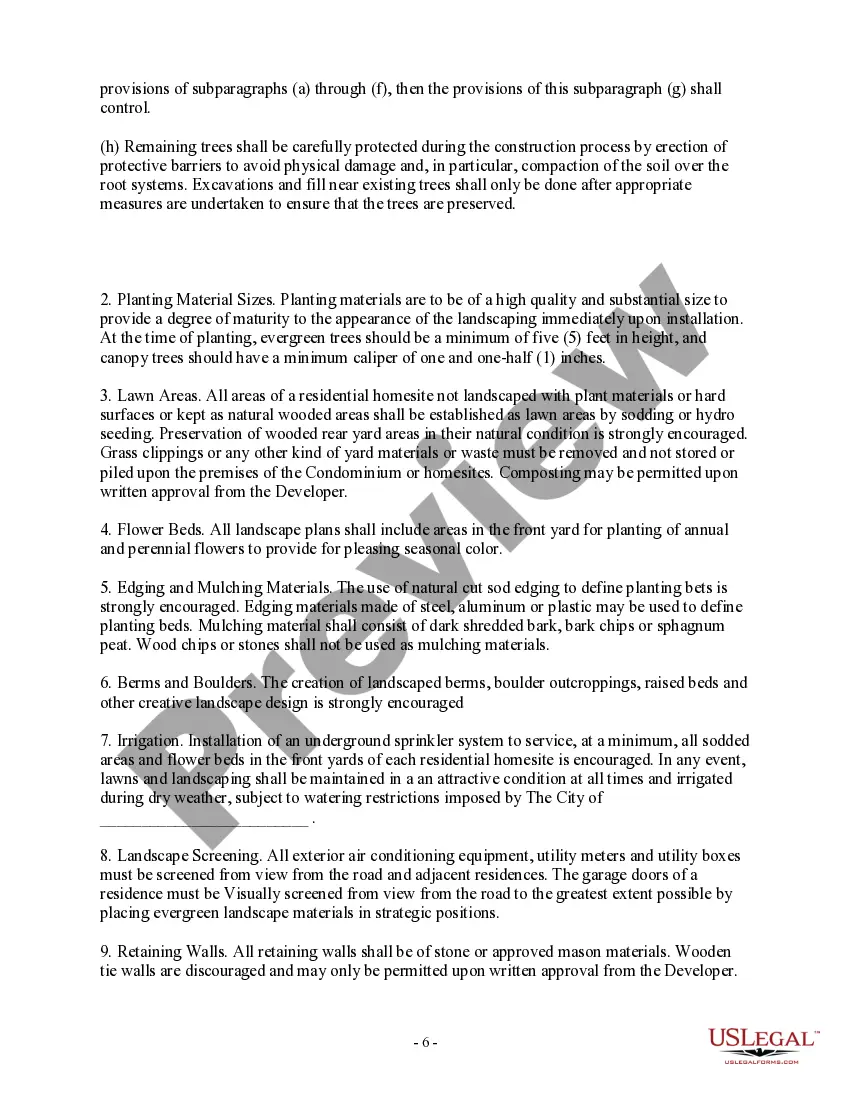
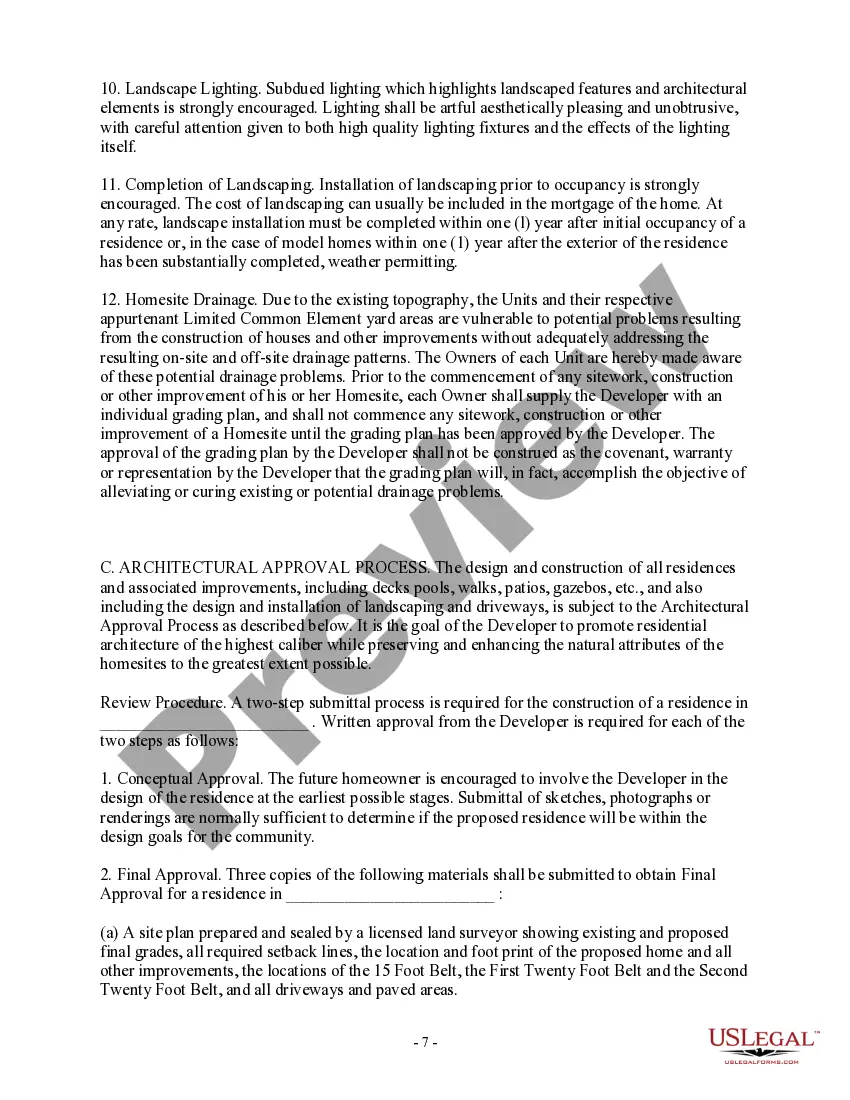
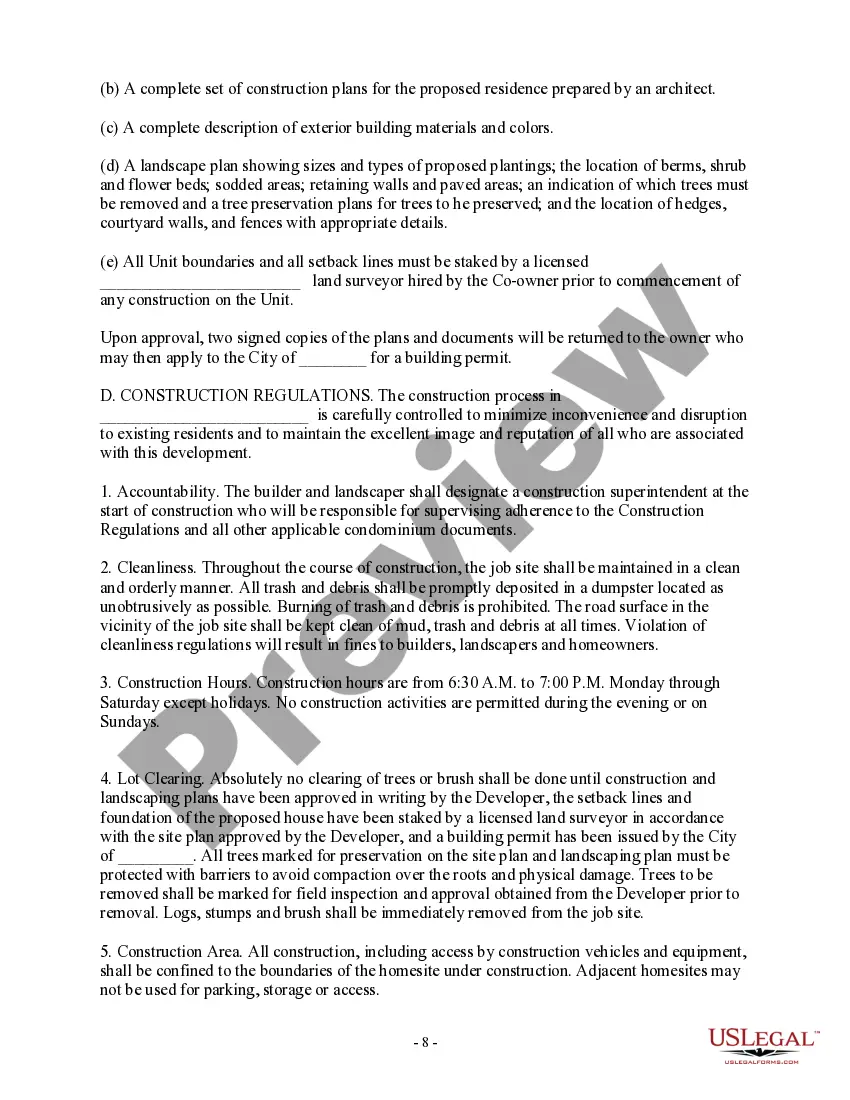
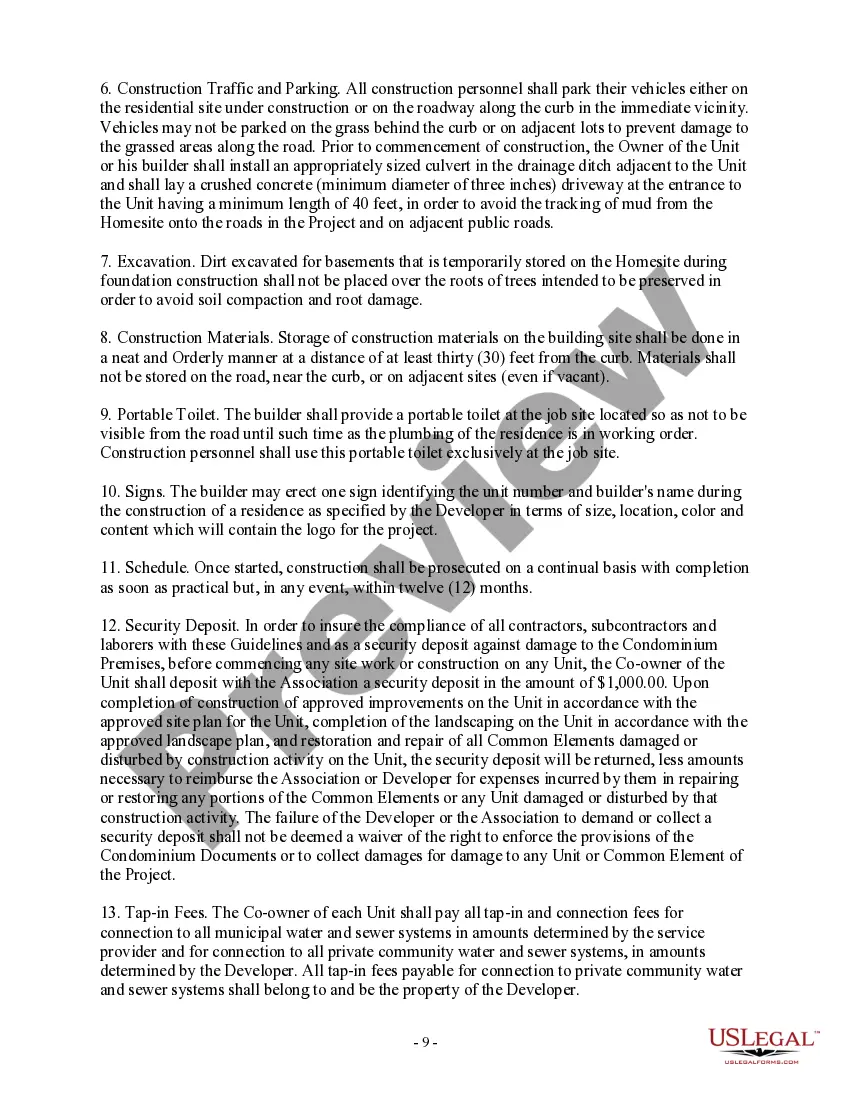


Get your form ready online
Our built-in tools help you complete, sign, share, and store your documents in one place.
Make edits, fill in missing information, and update formatting in US Legal Forms—just like you would in MS Word.
Download a copy, print it, send it by email, or mail it via USPS—whatever works best for your next step.
Sign and collect signatures with our SignNow integration. Send to multiple recipients, set reminders, and more. Go Premium to unlock E-Sign.
If this form requires notarization, complete it online through a secure video call—no need to meet a notary in person or wait for an appointment.
We protect your documents and personal data by following strict security and privacy standards.

Make edits, fill in missing information, and update formatting in US Legal Forms—just like you would in MS Word.

Download a copy, print it, send it by email, or mail it via USPS—whatever works best for your next step.

Sign and collect signatures with our SignNow integration. Send to multiple recipients, set reminders, and more. Go Premium to unlock E-Sign.

If this form requires notarization, complete it online through a secure video call—no need to meet a notary in person or wait for an appointment.

We protect your documents and personal data by following strict security and privacy standards.
Looking for another form?









Form popularity
FAQ
What Are My Rights as a Condo Owner? As a condo owner, you have the right to use your unit as provided in the master deed – if it's a residential inium unit – in a way that allows you to maintain a reasonable standard of living as required by Massachusetts health, safety and building laws.
Legal Framework Governing HOAs in Massachusetts In Massachusetts, homeowners' associations (HOAs) are subject to a robust legal framework. This framework not only aligns with federal regulations but also includes state-specific laws designed to regulate the formation, management, and operation of these associations.
Condo Ownership When you buy a condo, you own the interior of the unit. Unlike an apartment, where you need the landlord's permission to make changes, you can do whatever you like to the interior of your unit. You're also responsible for interior repairs and maintenance.
Massachusetts Recorded Document Search - Visit your county recorder's office to find HOA documents, like CC&Rs, Amendments, Bylaws, HOA Notices, Subdivision Maps, Plats, Recorded Land Surveys, Deeds, Deeds of Trust, Liens, and Judgments. Search under the subdivision or community name.
A inium association (COA) does have authority to get a court order requiring a unit owner to evict a tenant. Whether or not the COA would be successful under your facts and circumstances is questionable.
Federal laws - In addition to state law regulations, the federal government has laws that govern the operation of homeowners' associations, iniums, and other residential properties in the state of Massachusetts.
The rules found in the Massachusetts inium Act include mandatory provisions that must be included in the bylaws, interests in common areas of the inium, and expenses incurred by the unit owners' association. The provisions also explain the fundamental attributes of a inium.
This section provides that all unit owners own an undivided interest in the common areas. The inium form of ownership combines title in specific units with an undivided interest—with other owners—in the common areas.
