Bylaws Condo Association With Low Reserves In Maricopa
Description

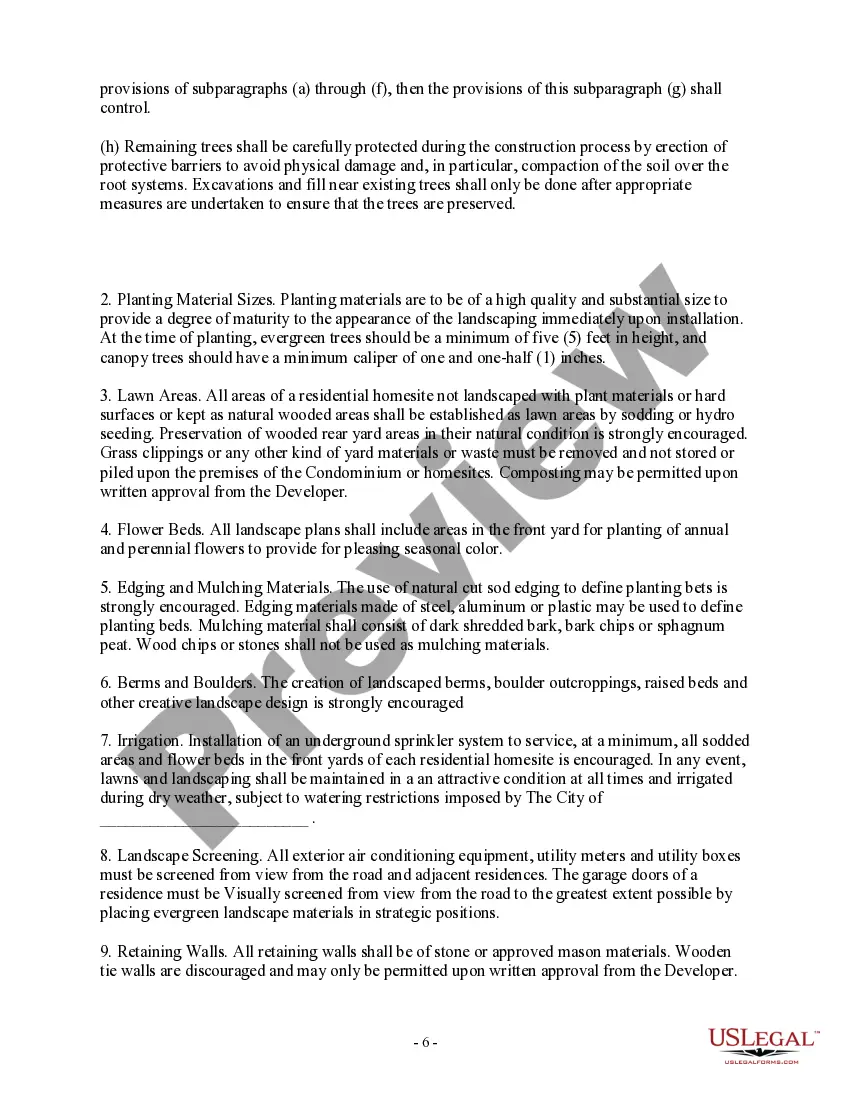
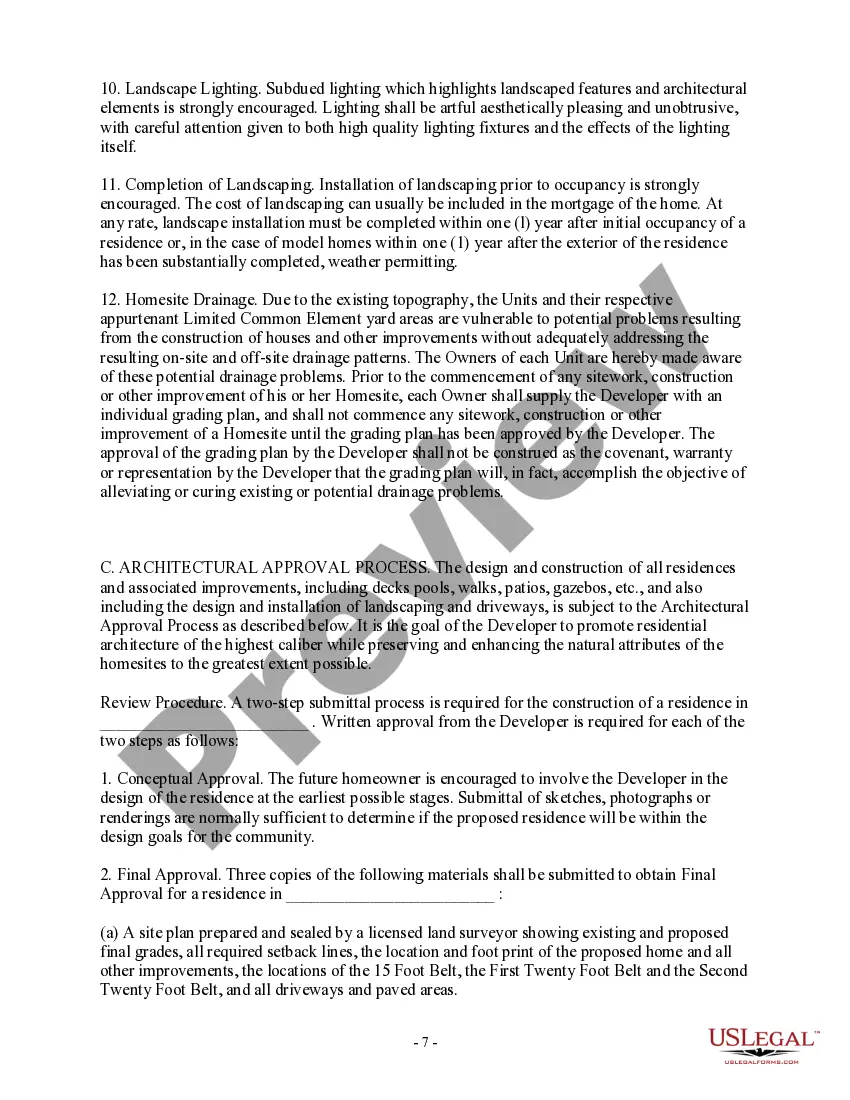
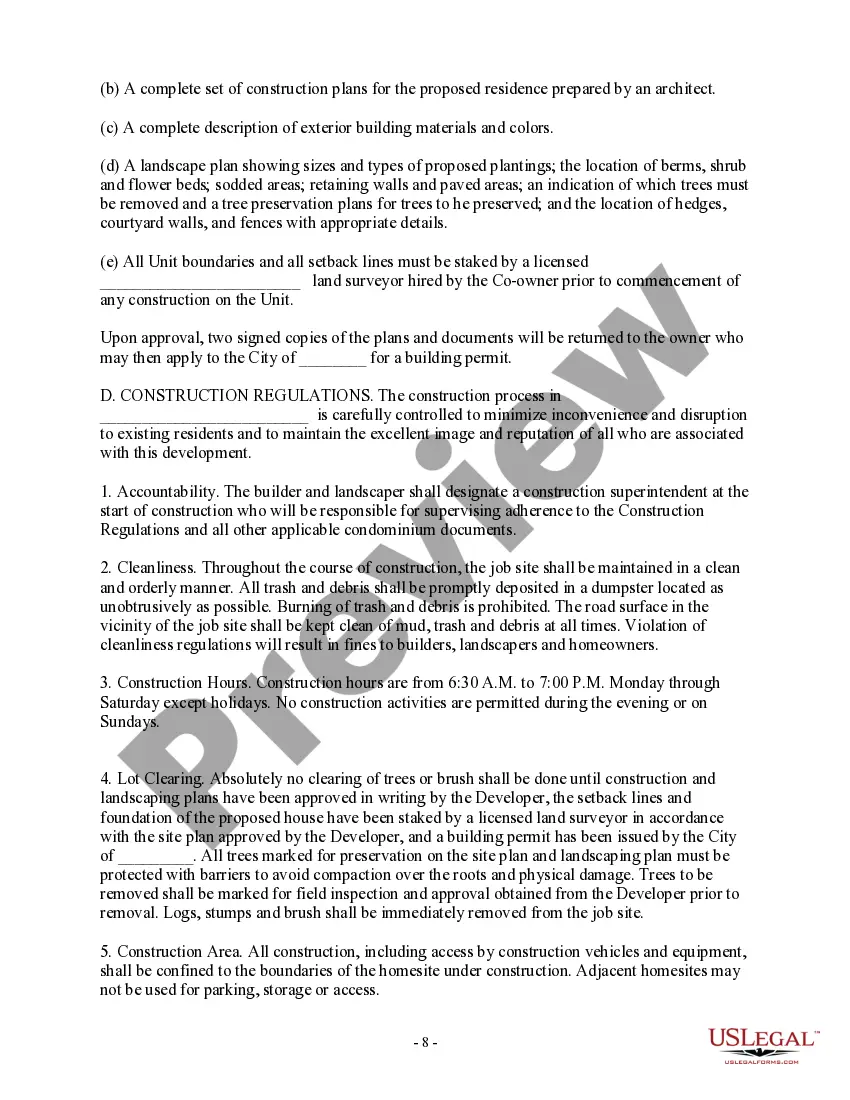
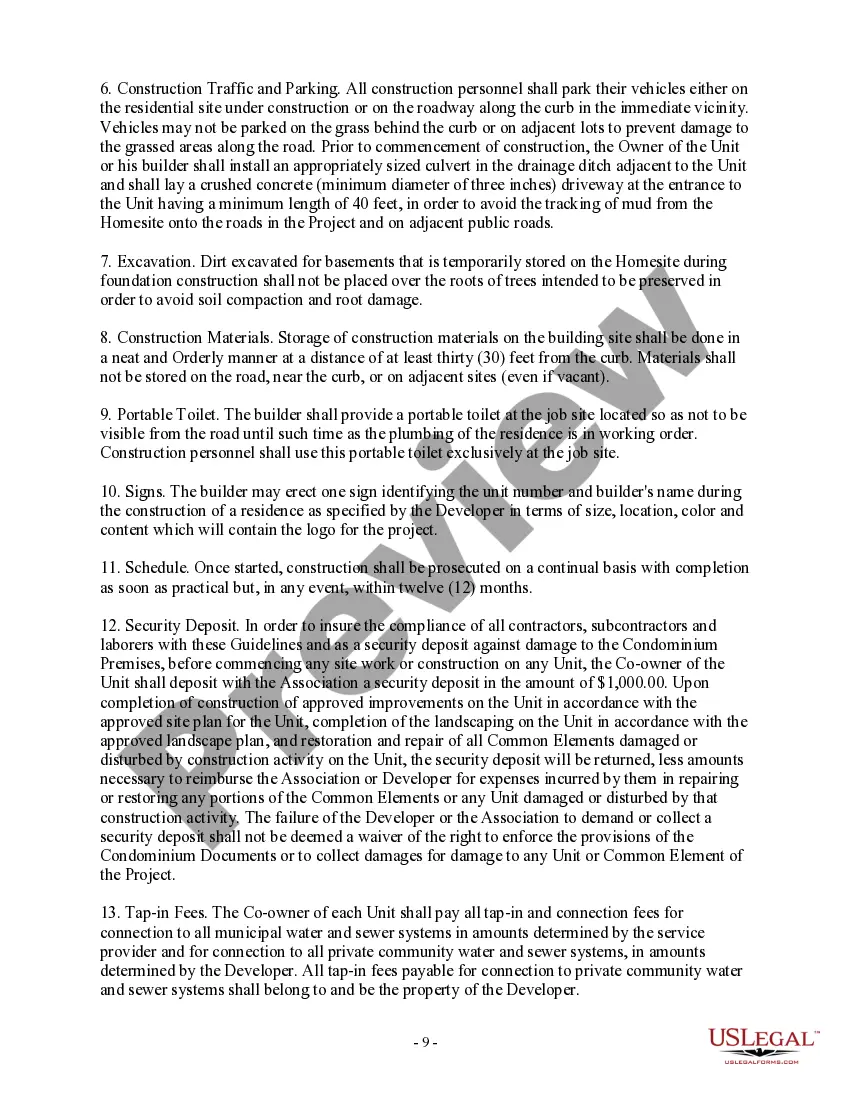




Get your form ready online
Our built-in tools help you complete, sign, share, and store your documents in one place.
Make edits, fill in missing information, and update formatting in US Legal Forms—just like you would in MS Word.
Download a copy, print it, send it by email, or mail it via USPS—whatever works best for your next step.
Sign and collect signatures with our SignNow integration. Send to multiple recipients, set reminders, and more. Go Premium to unlock E-Sign.
If this form requires notarization, complete it online through a secure video call—no need to meet a notary in person or wait for an appointment.
We protect your documents and personal data by following strict security and privacy standards.

Make edits, fill in missing information, and update formatting in US Legal Forms—just like you would in MS Word.

Download a copy, print it, send it by email, or mail it via USPS—whatever works best for your next step.

Sign and collect signatures with our SignNow integration. Send to multiple recipients, set reminders, and more. Go Premium to unlock E-Sign.

If this form requires notarization, complete it online through a secure video call—no need to meet a notary in person or wait for an appointment.

We protect your documents and personal data by following strict security and privacy standards.
Looking for another form?







Form popularity
FAQ
On average, The Board should be setting aside 15% to 40% of their total assessments towards reserves, although for some simpler situations, a more minimal reserve fund ratio of 10% to 15% may be sufficient. Develop a funding plan that aligns with the calculated reserve fund requirements.
The Federal Housing Administration (FHA) has weighed in by requiring approved inium projects to have at least 10% of the annual operating budget set aside for reserves. However, that percentage is arbitrary and is usually never enough for an association that has to paint and replace roofs.
Achieving a 70% funded reserve is considered a milestone for inium associations, indicating a reasonable level of financial preparedness. It signifies that the association has taken proactive steps to ensure the long-term sustainability of the community and mitigate the risk of financial instability.
Answer: As of 2024, Florida law requires all condos over three stories to conduct mandatory building inspections and a Structural Integrity Reserve Study (SIRS) every 10 years. Additionally, associations can no longer waive or reduce reserve funds, ensuring they are fully funded to cover future repairs.
A reserve study is a long-term capital budget planning tool which identifies the current status of the reserve fund and a stable and equitable funding plan to offset ongoing deterioration, resulting in sufficient funds when those anticipated major common area expenditures actually occur.
Usually, the reserve fund is meant to cover those expenditures which either replace a common area component or extends the life of that component. Thus, minor roof repairs are usually operating expenses while major repairs which extend the life of the roof or delay replacement of the roof may be reserve expenses.
Reserves are like savings accounts – an accumulation of funds for a future purpose. The source of funding for a reserve might be surpluses from operations, or scheduled transfers that have been planned and budgeted.
