Condominium Act Form 4 In Los Angeles
Description

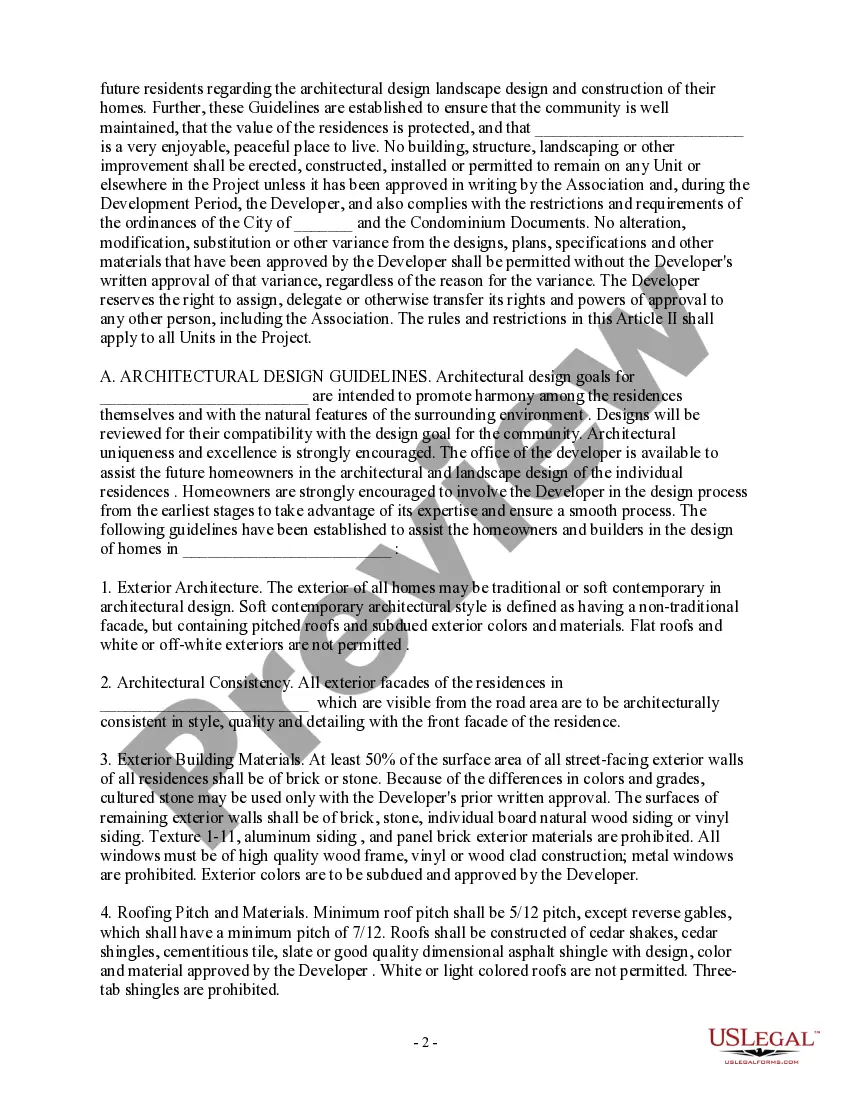
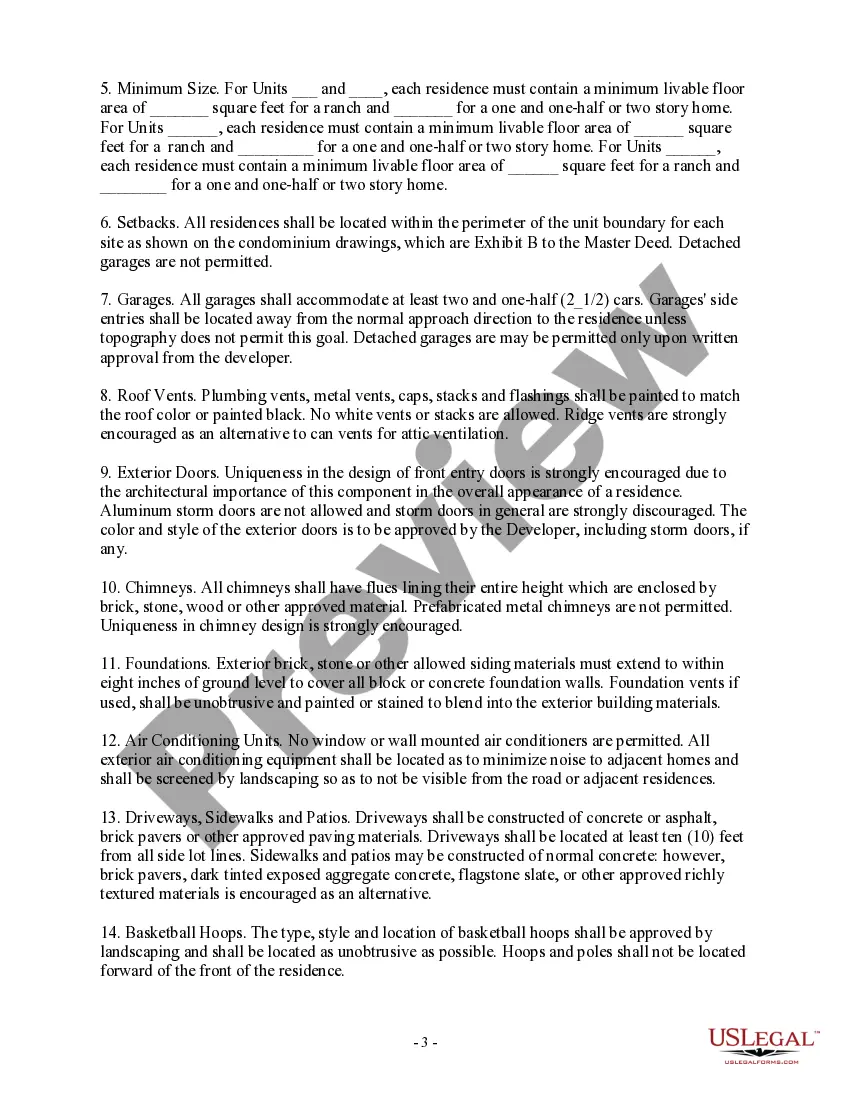
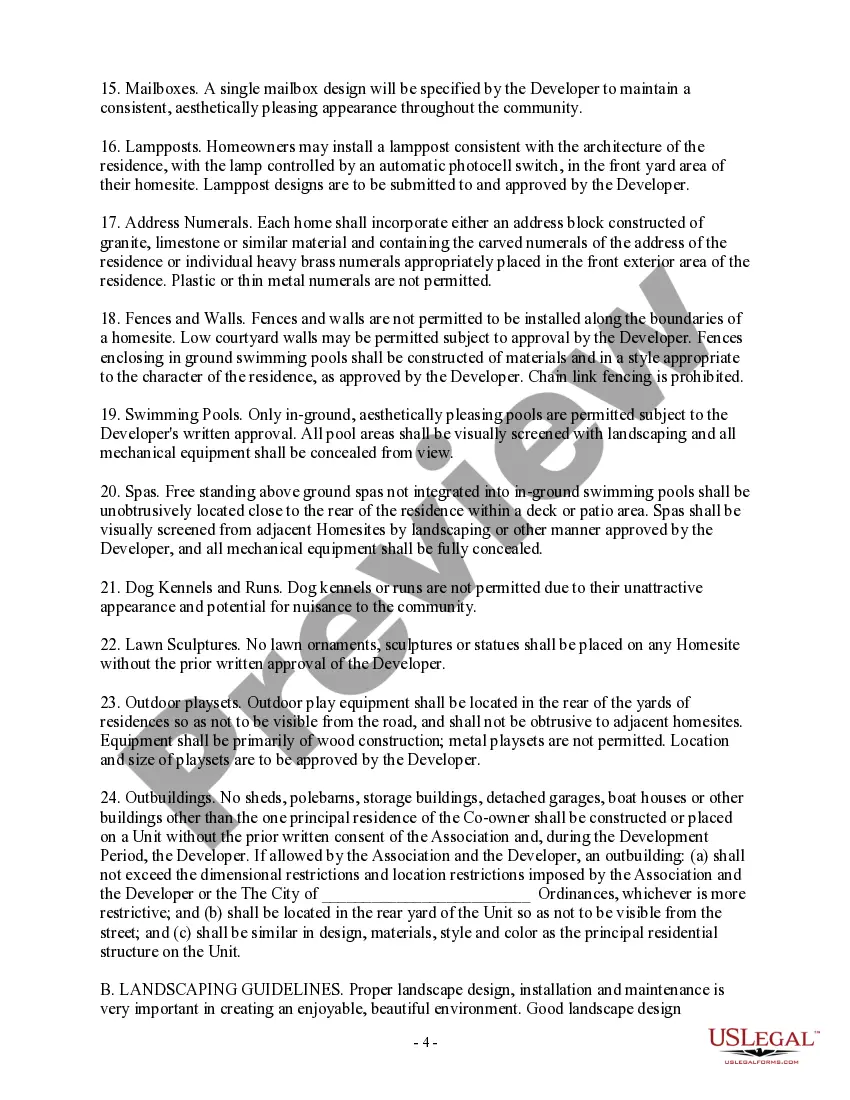
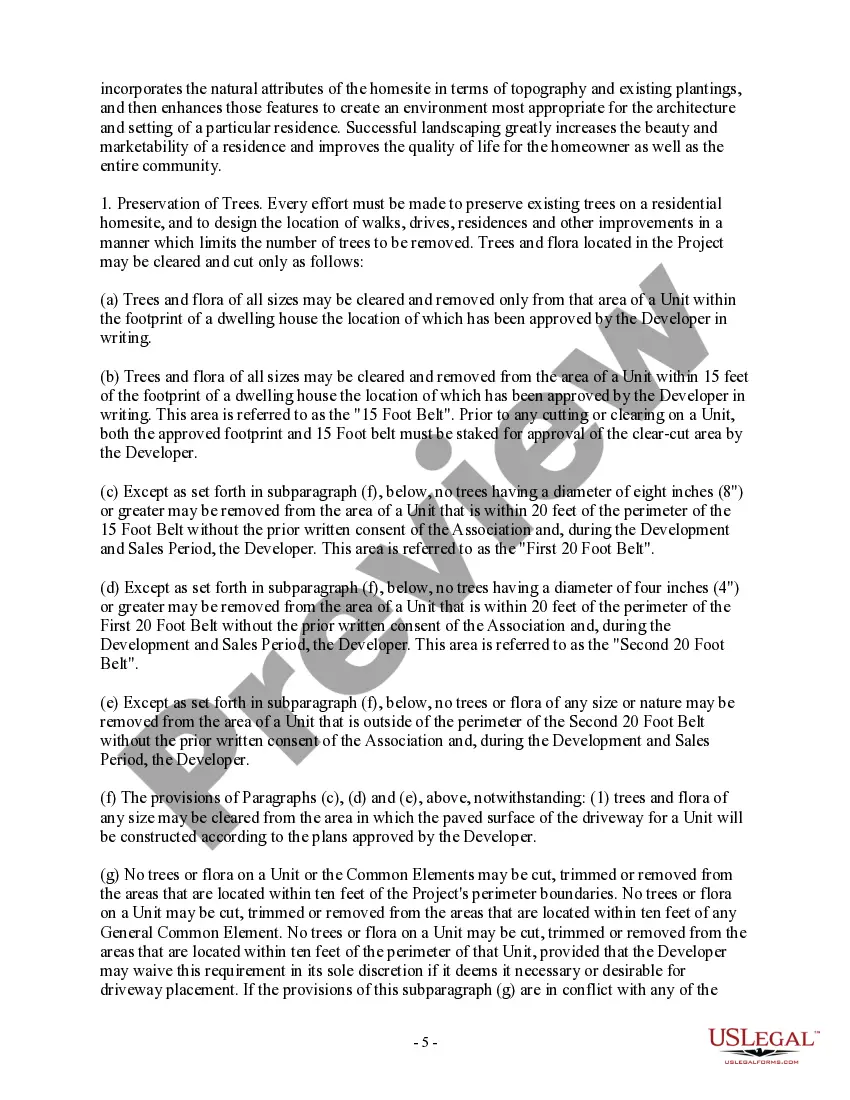
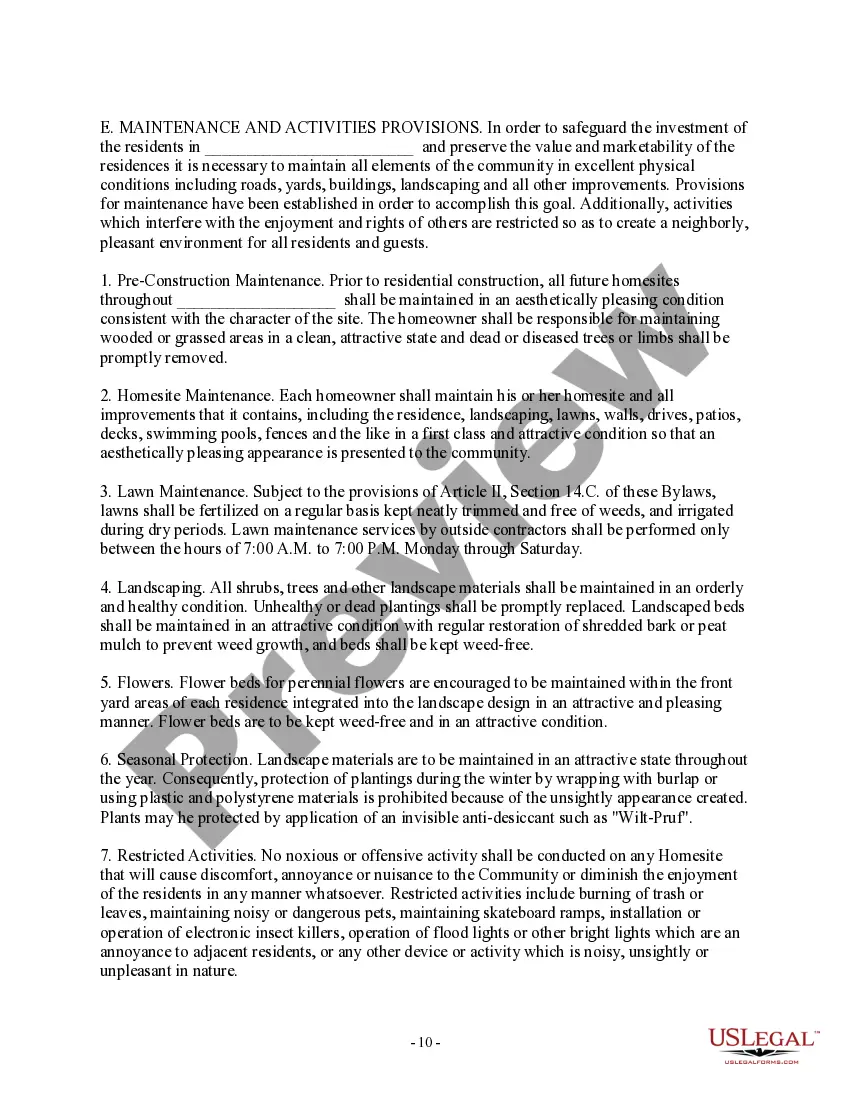


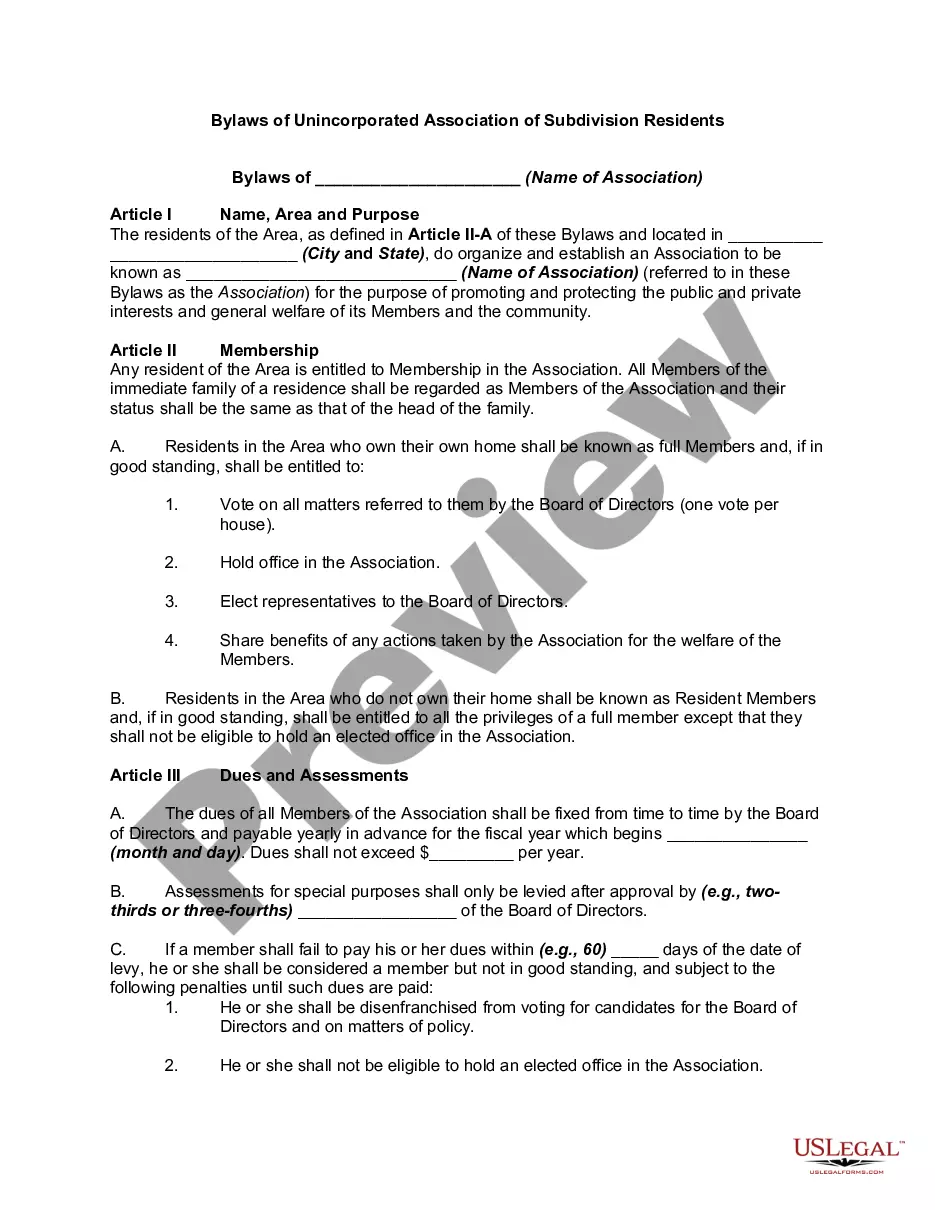
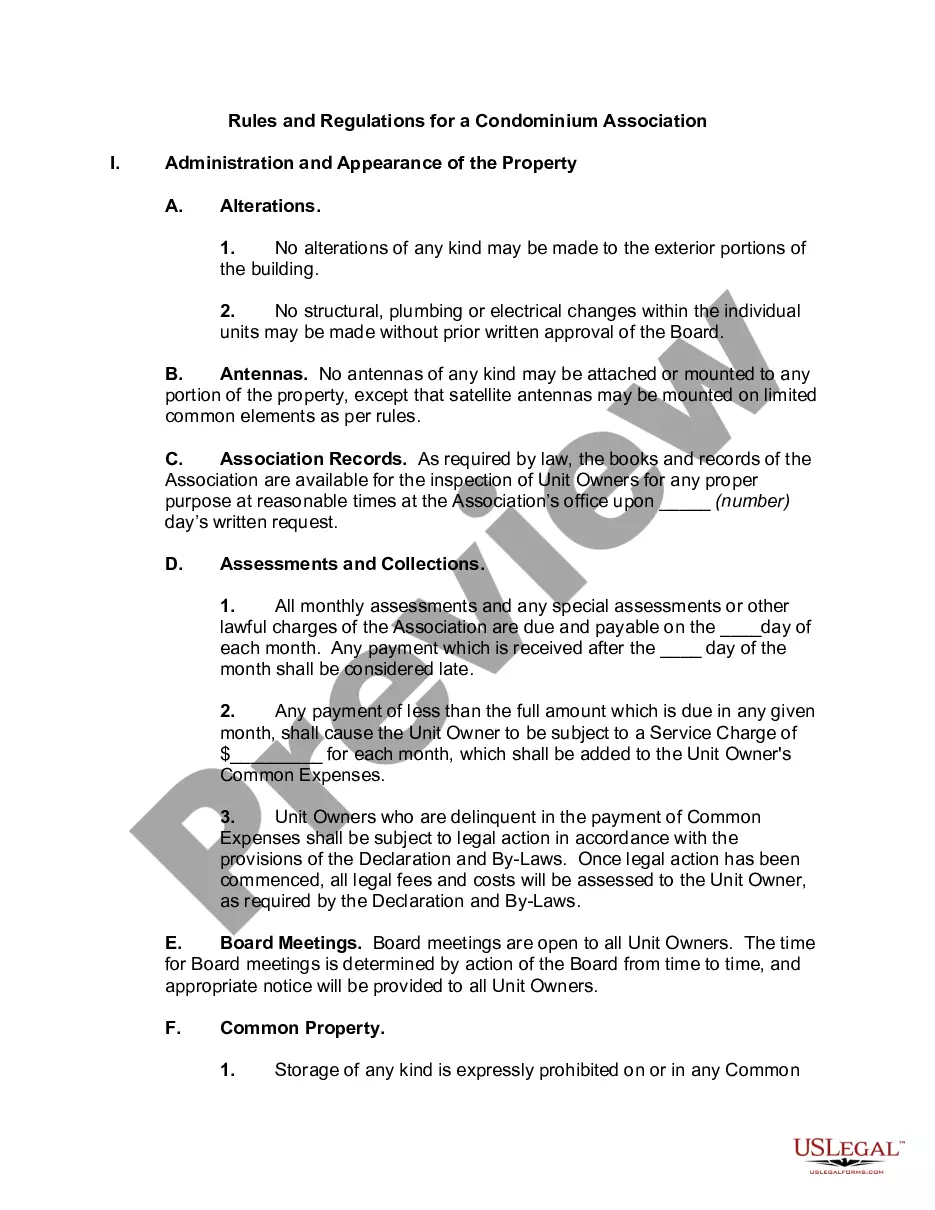
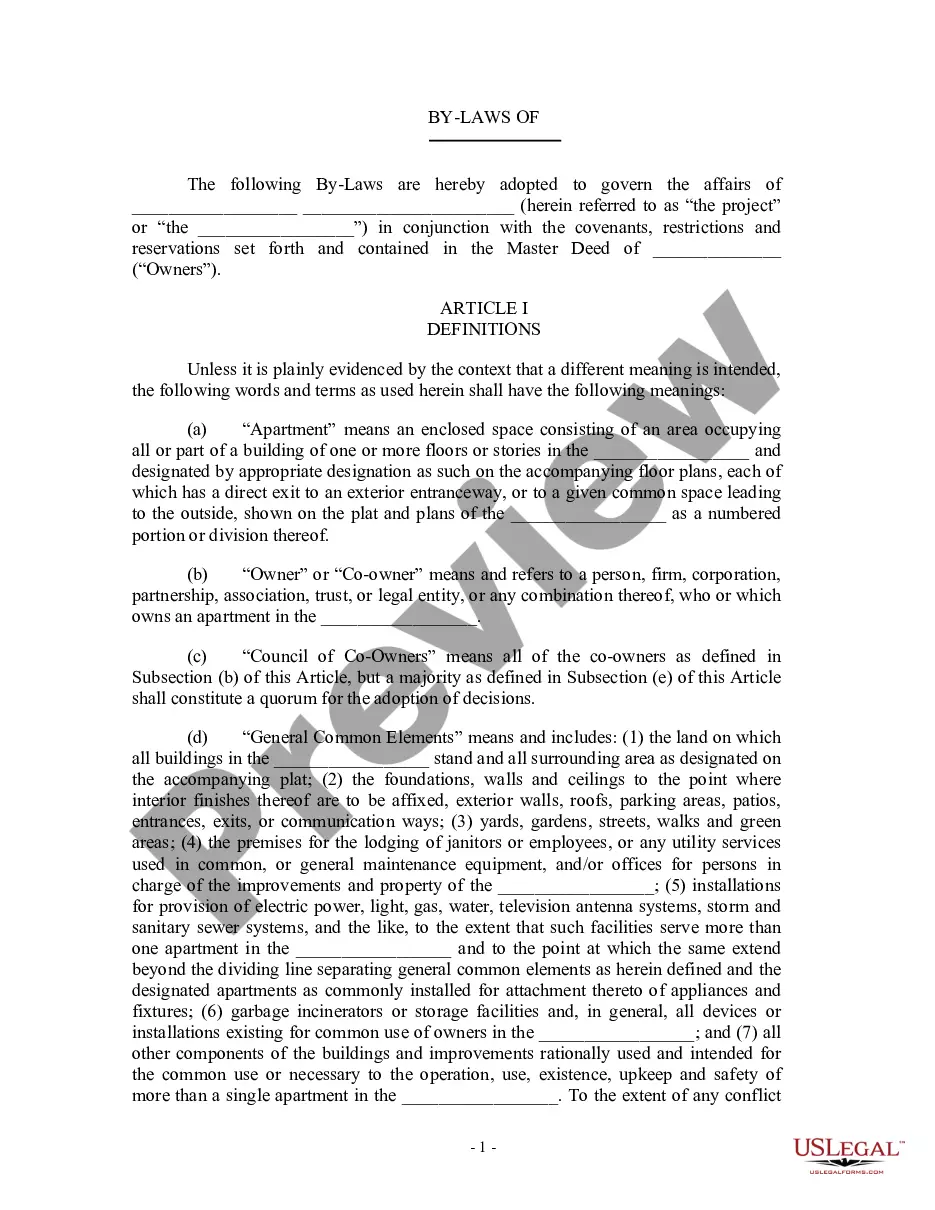
Get your form ready online
Our built-in tools help you complete, sign, share, and store your documents in one place.
Make edits, fill in missing information, and update formatting in US Legal Forms—just like you would in MS Word.
Download a copy, print it, send it by email, or mail it via USPS—whatever works best for your next step.
Sign and collect signatures with our SignNow integration. Send to multiple recipients, set reminders, and more. Go Premium to unlock E-Sign.
If this form requires notarization, complete it online through a secure video call—no need to meet a notary in person or wait for an appointment.
We protect your documents and personal data by following strict security and privacy standards.

Make edits, fill in missing information, and update formatting in US Legal Forms—just like you would in MS Word.

Download a copy, print it, send it by email, or mail it via USPS—whatever works best for your next step.

Sign and collect signatures with our SignNow integration. Send to multiple recipients, set reminders, and more. Go Premium to unlock E-Sign.

If this form requires notarization, complete it online through a secure video call—no need to meet a notary in person or wait for an appointment.

We protect your documents and personal data by following strict security and privacy standards.
Looking for another form?









Form popularity
FAQ
Additionally, condo owners often don't own the land their unit is built on—they lease it from the condo association—which can lead to different restrictions regarding renovations or modifications.
Understanding Rent Control in Los Angeles California has had rent control in various forms in cities in the Los Angeles County and San Francisco areas since the 1970s. In 1995, the state passed the Costa-Hawkins Rental Housing Act, which exempted new construction, single-family homes, and condos from rent control.
Additionally, condo owners often don't own the land their unit is built on—they lease it from the condo association—which can lead to different restrictions regarding renovations or modifications.
Section 83(1) of the Act requires landlords to notify the condo corporation of the rental and provide a copy of the lease within 10 days of signing.
The main difference comes down to ownership. iniums are owned by individuals and rented out privately (this is your typical landlord). In contrast, apartments are generally owned by property management companies who rent and manage all the units, creating a more standard approach and leasing process.
Keep in mind that certain properties are exempt from California rent control law. These types of properties include: Condos and single family-homes not owned by a real estate investment trust (REIT), corporation, or corporation-owned LLC. Mobile homes.
Your rental unit is not subject to the RSO if: You live in a single-family home (that is the only residential structure on the parcel) You live in affordable housing or luxury housing units exempted by LAHD. The rental unit was built after October 1, 1978 (in most instances)
Keep in mind that certain properties are exempt from California rent control law. These types of properties include: Condos and single family-homes not owned by a real estate investment trust (REIT), corporation, or corporation-owned LLC. Mobile homes.
You can obtain a copy of your Grant Deed directly from the Los Angeles County Registrar-Recorder/County Clerk. No third party assistance is needed.
