Bylaws Residential Association For Condominiums In Illinois
Description

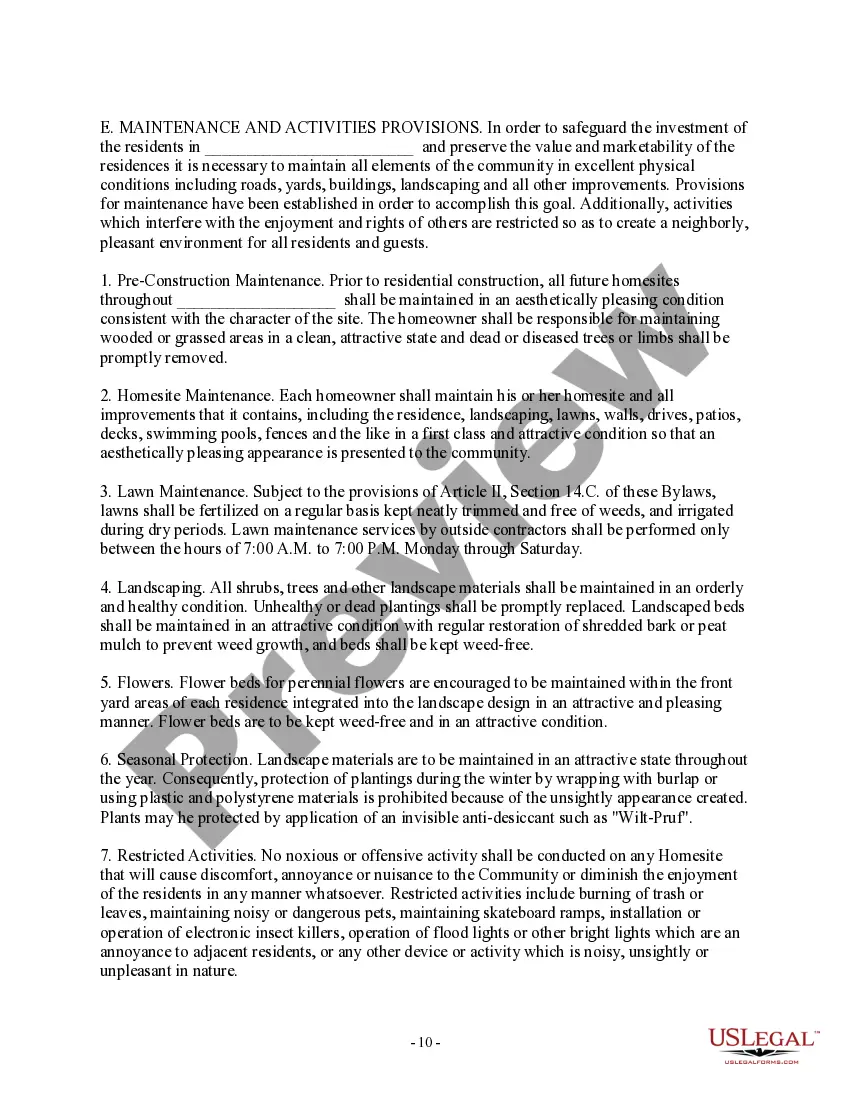


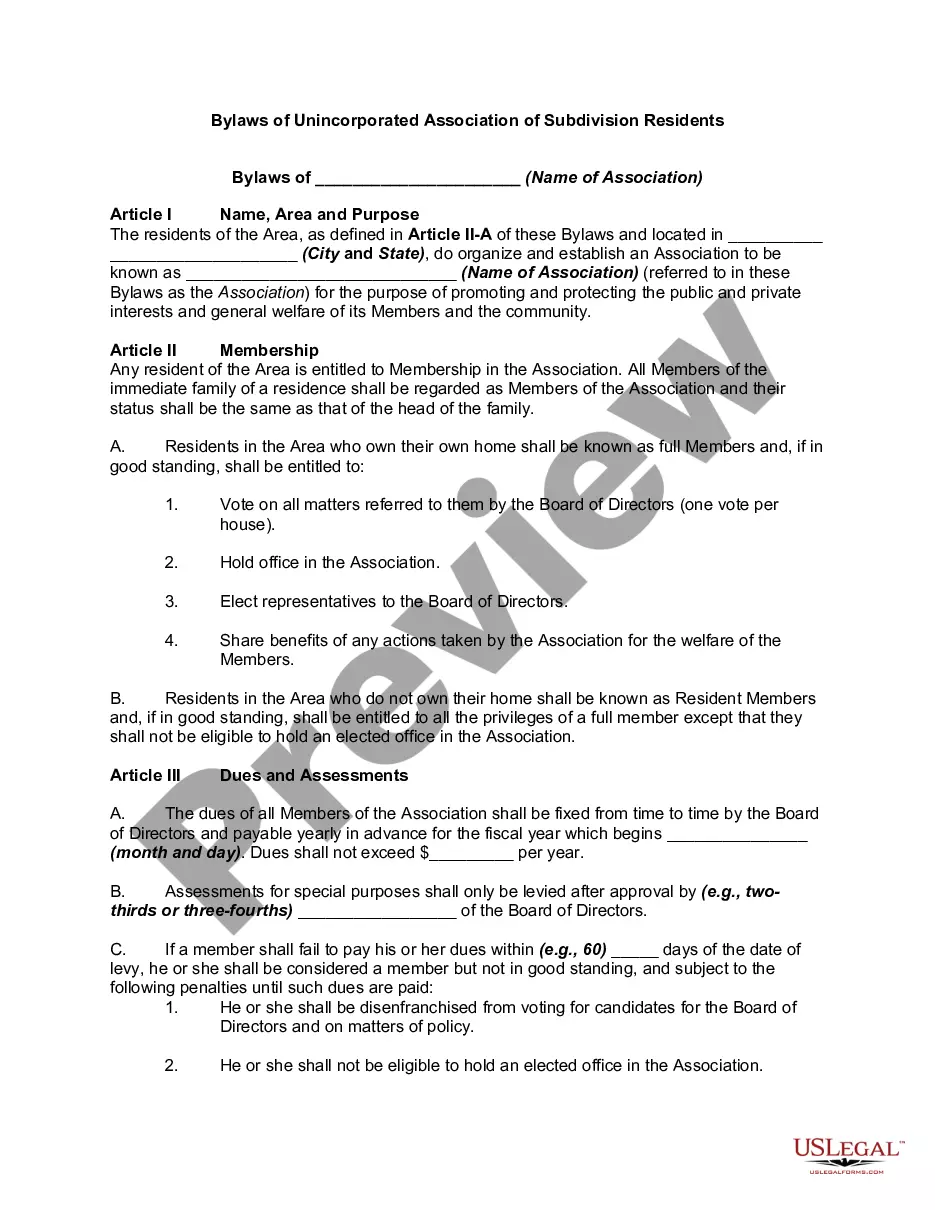
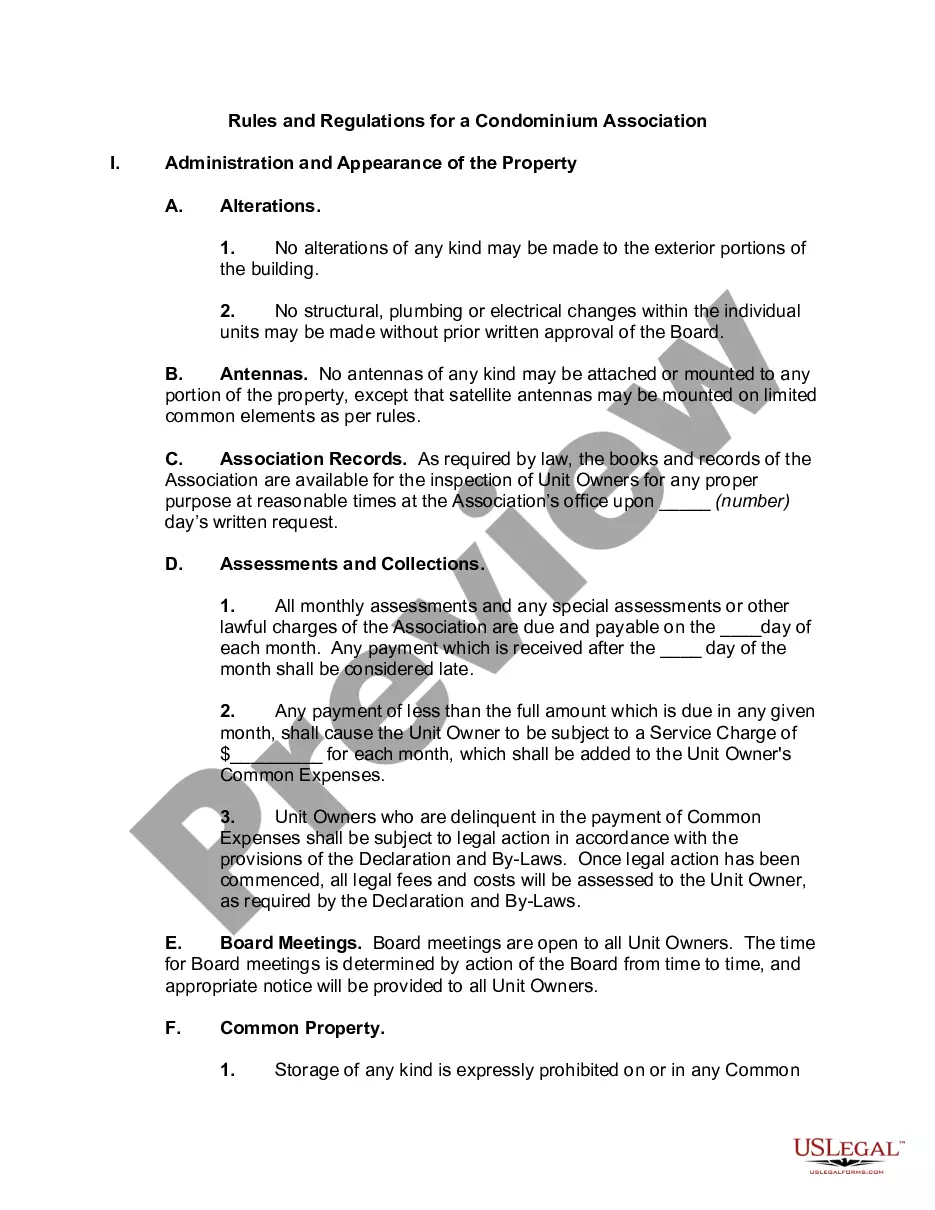
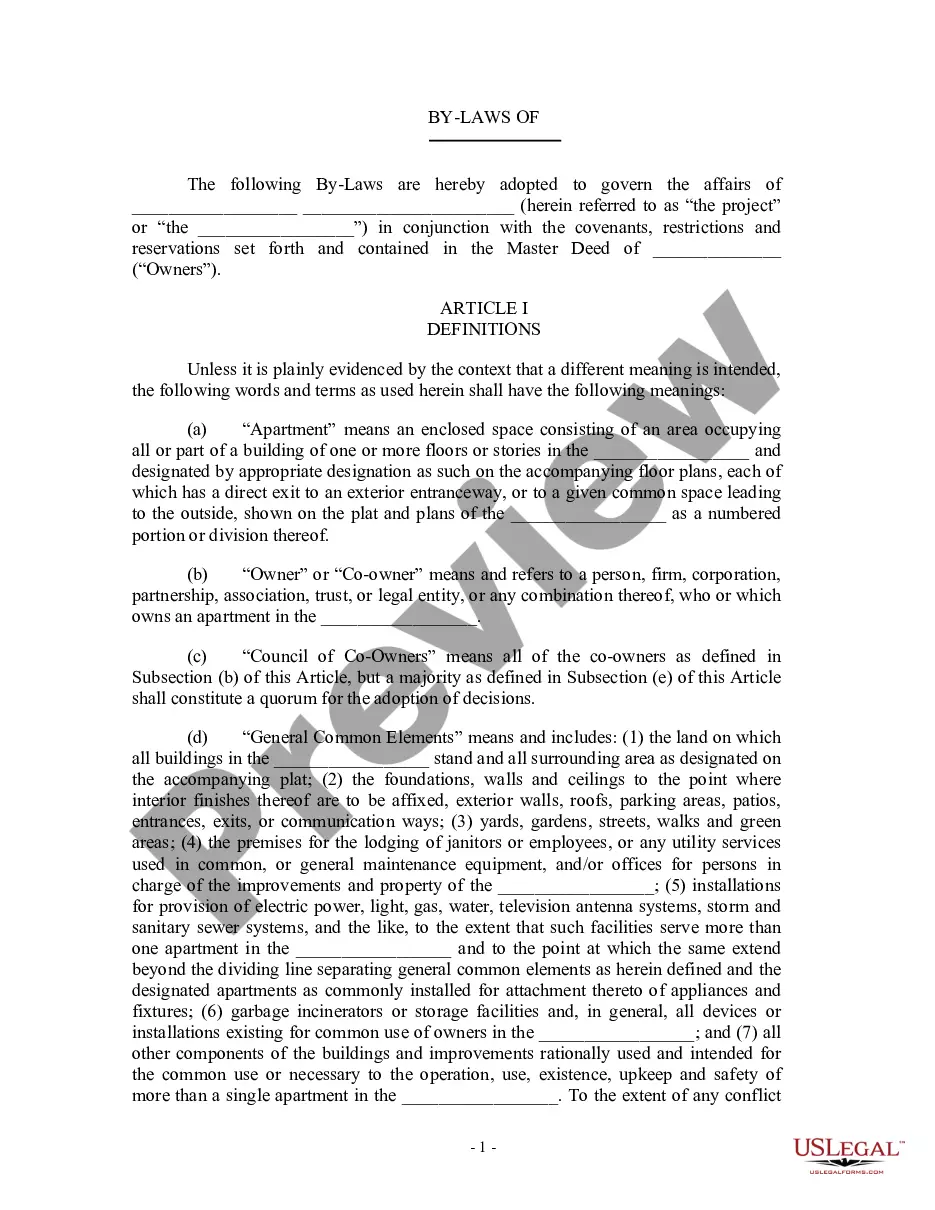
Get your form ready online
Our built-in tools help you complete, sign, share, and store your documents in one place.
Make edits, fill in missing information, and update formatting in US Legal Forms—just like you would in MS Word.
Download a copy, print it, send it by email, or mail it via USPS—whatever works best for your next step.
Sign and collect signatures with our SignNow integration. Send to multiple recipients, set reminders, and more. Go Premium to unlock E-Sign.
If this form requires notarization, complete it online through a secure video call—no need to meet a notary in person or wait for an appointment.
We protect your documents and personal data by following strict security and privacy standards.

Make edits, fill in missing information, and update formatting in US Legal Forms—just like you would in MS Word.

Download a copy, print it, send it by email, or mail it via USPS—whatever works best for your next step.

Sign and collect signatures with our SignNow integration. Send to multiple recipients, set reminders, and more. Go Premium to unlock E-Sign.

If this form requires notarization, complete it online through a secure video call—no need to meet a notary in person or wait for an appointment.

We protect your documents and personal data by following strict security and privacy standards.
Looking for another form?







Form popularity
FAQ
The Role and Powers of the HOA Board An Illinois HOA is governed by a board of directors, typically composed of unit owners elected by the membership. These board members have the power to enforce the governing documents, manage financial affairs, and maintain common areas.
In general, homeowners can request HOA documents that cover the following: Governing documents, including the CC&Rs, bylaws, articles of incorporation, community plat, and operating rules; All board and membership meeting minutes and notices; Membership lists; All insurance policies of the association;
To legally establish an HOA in Illinois, the organization must submit Articles of Incorporation to the Illinois Secretary of State. The Illinois General Not For Profit Corporation Act of 1986 governs nonprofit corporations.
Inium associations in Chicago are primarily regulated by state law, specifically the Illinois inium Property Act (ICPA). This act governs the creation, management and dissolution of iniums in Chicago and throughout Illinois.
Most homeowners associations are governed by either the Illinois inium Property Act or the Illinois Common Interest Community Association Act.
Understanding Illinois Homeowners' Association Law AspectKey Takeaway HOA Powers Power to regulate common areas, collect charges, levy fines, and foreclose on homes for unpaid liens. Entry to Property Most governing documents allow HOA entry to homes for maintenance under certain conditions.6 more rows
Once you buy a home that's part of an HOA, you automatically become a member of the HOA. HOA rules are legally binding, and you must adhere to all rules and regulations in the governing document. Yes, there are bylaws that you may not like, but there are no HOA loopholes.
The regulation of Homeowners Associations in Illinois falls under the oversight of the Illinois Department of Financial and Professional Regulation. However, HOAs are also subject to federal laws and regulations, as well as their own governing documents.
Understanding HOA Receivership What happens if no one runs for the HOA board? The association will likely go into receivership. Any homeowner or creditor can take legal action against the HOA. Once it is clear that no one on the board will serve as the association's representative, the court will appoint a receiver.
Iniums associations are considered corporations in the eyes of the IRS. As such, they are required to file an annual tax return (either an 1120 or 1120-H). Condo associations showing taxable income on their federal returns are also required to file an IL-1120 with the state of Illinois.
