Bylaws For Condo Association In Clark
Description

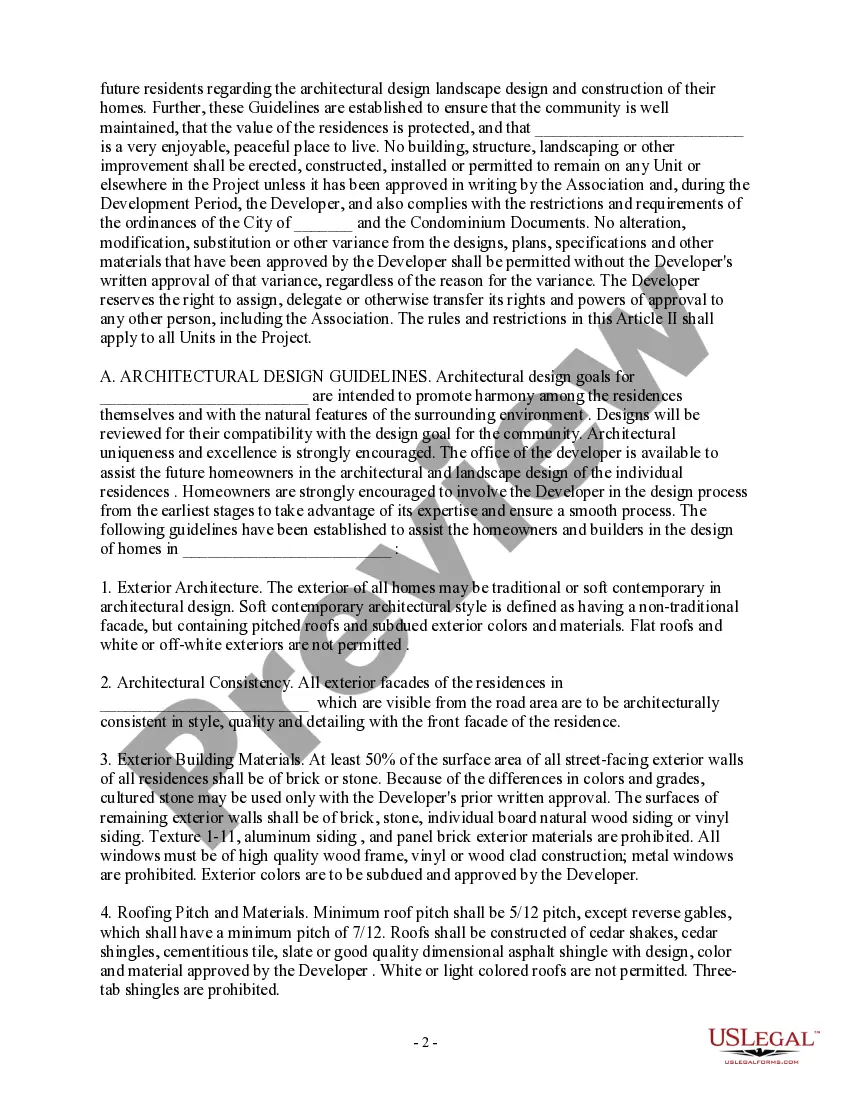
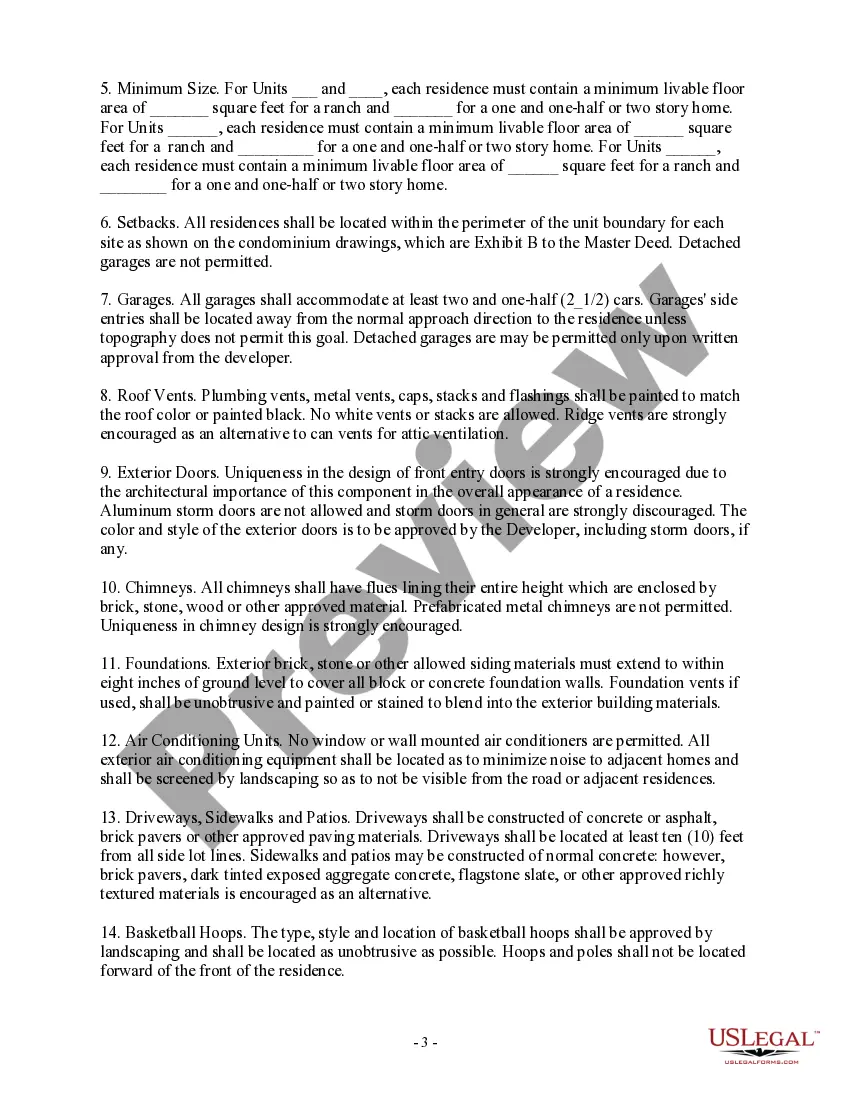
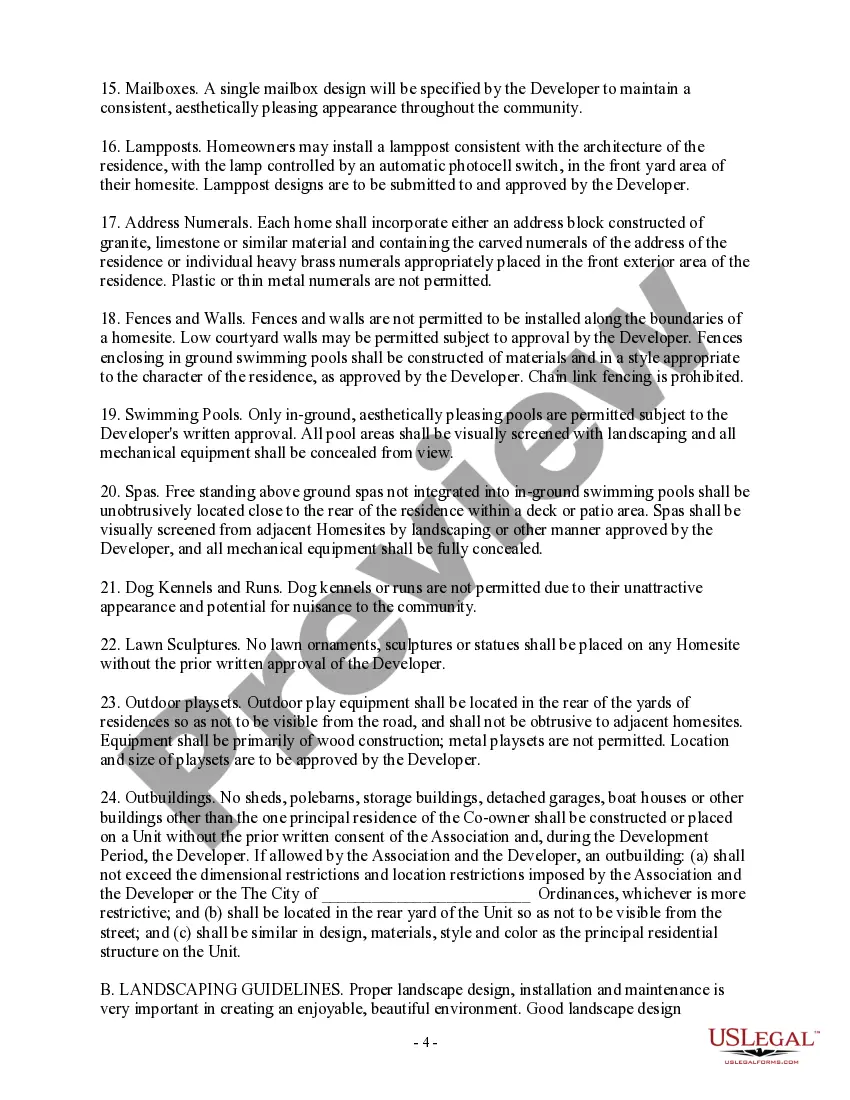
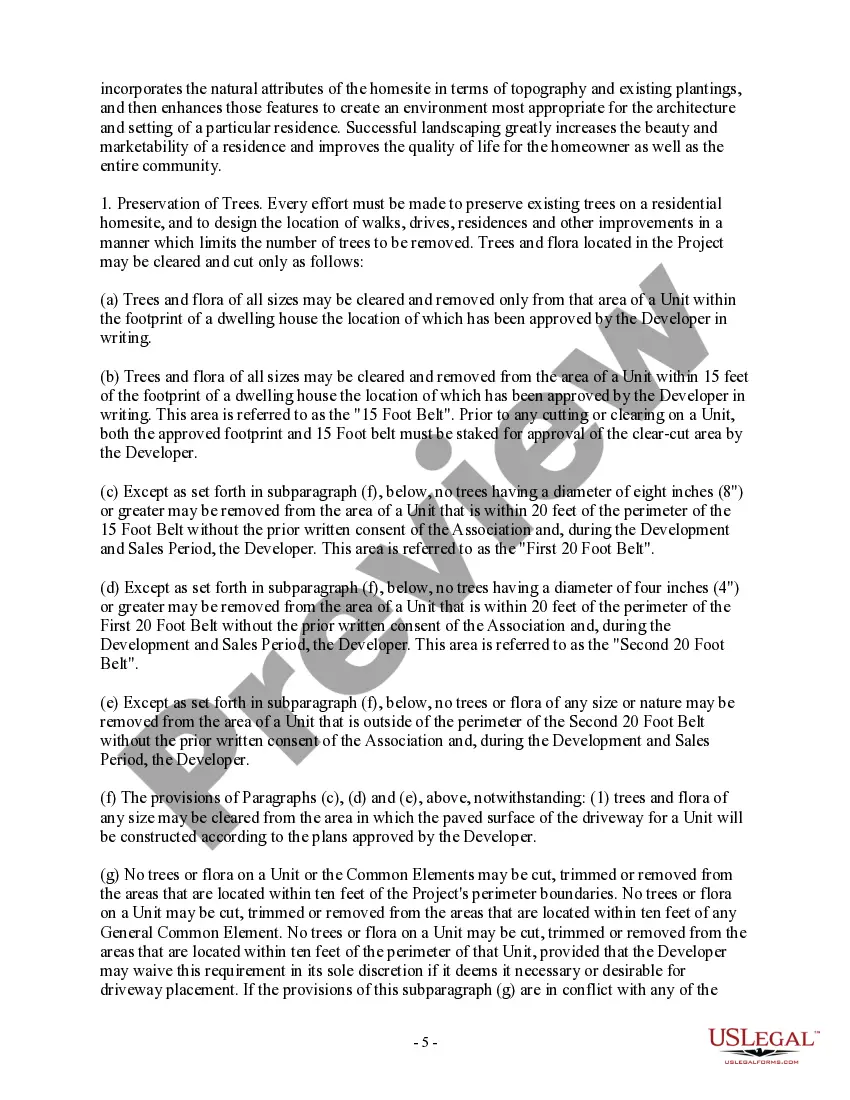
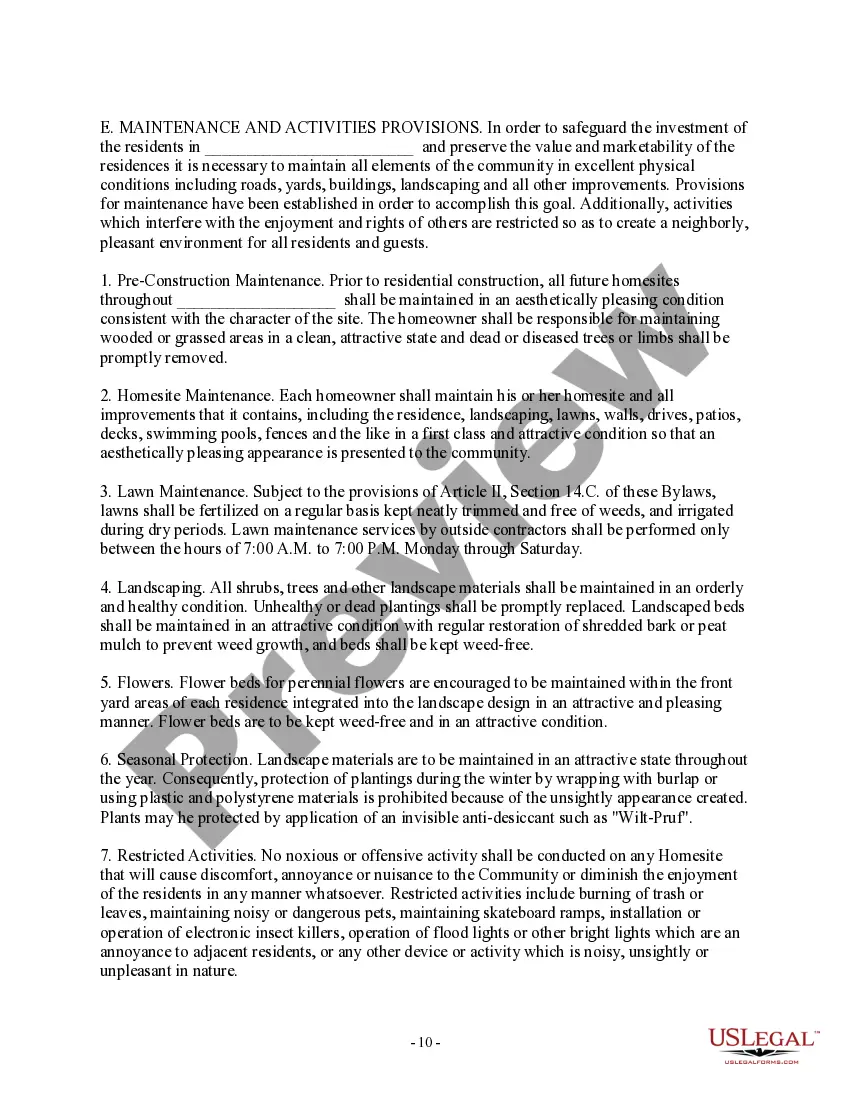


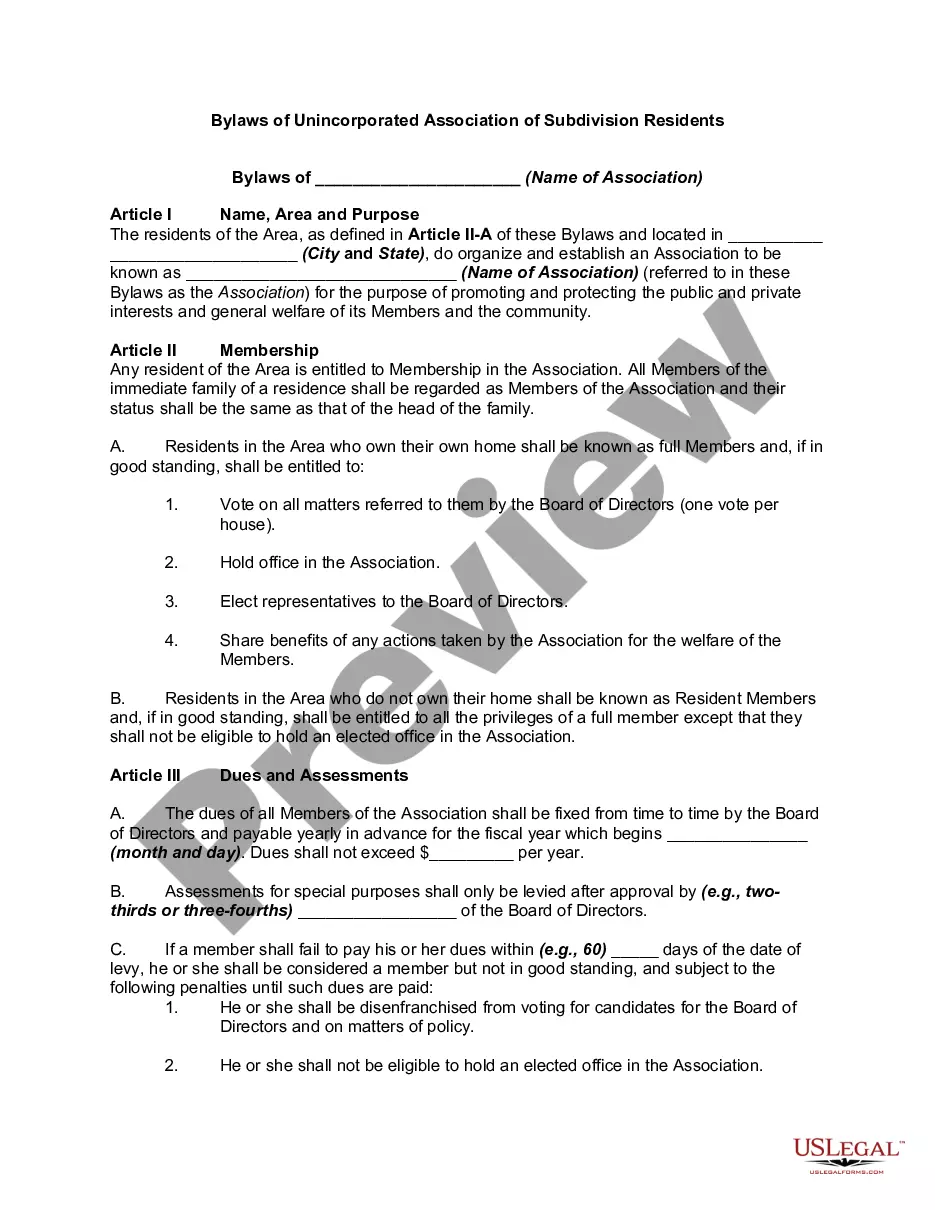
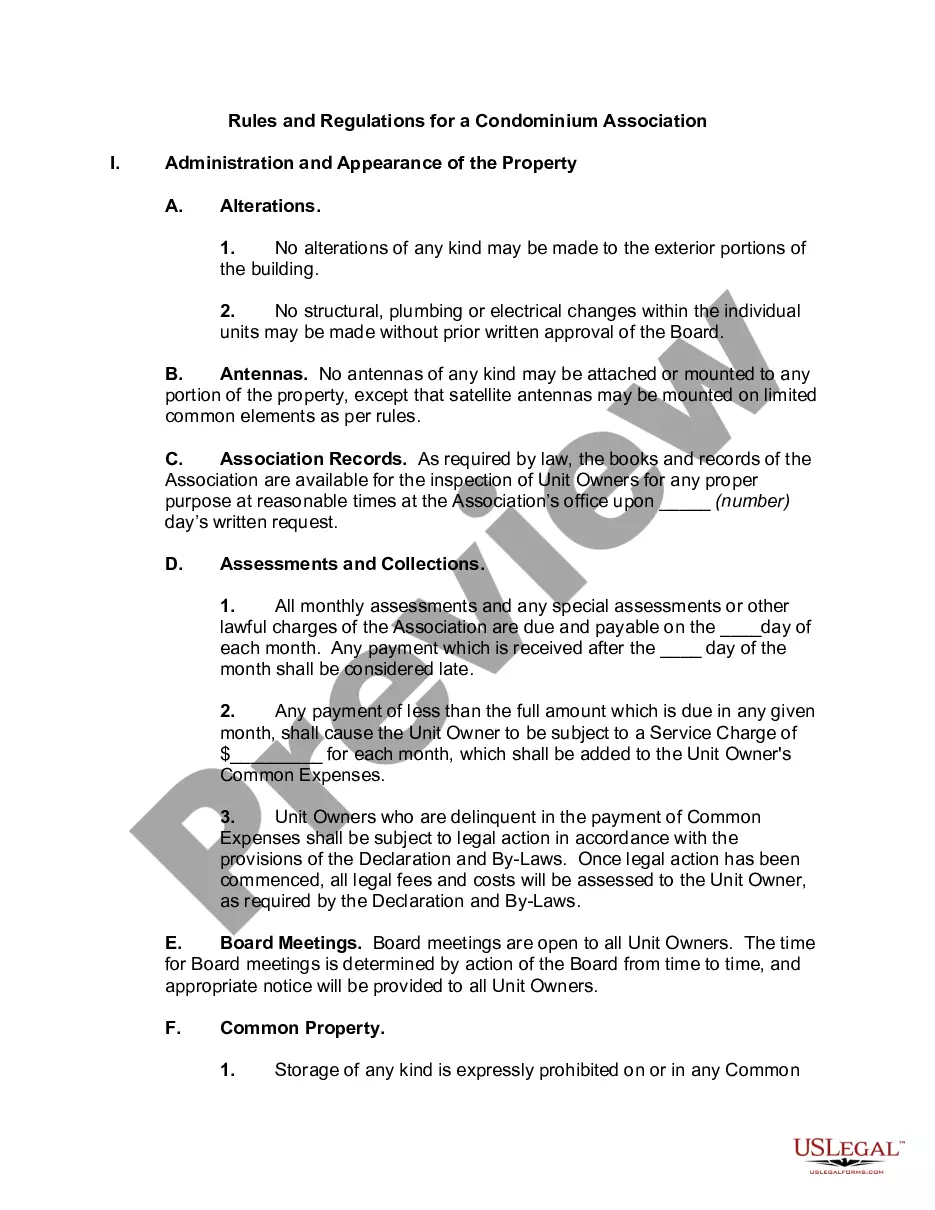
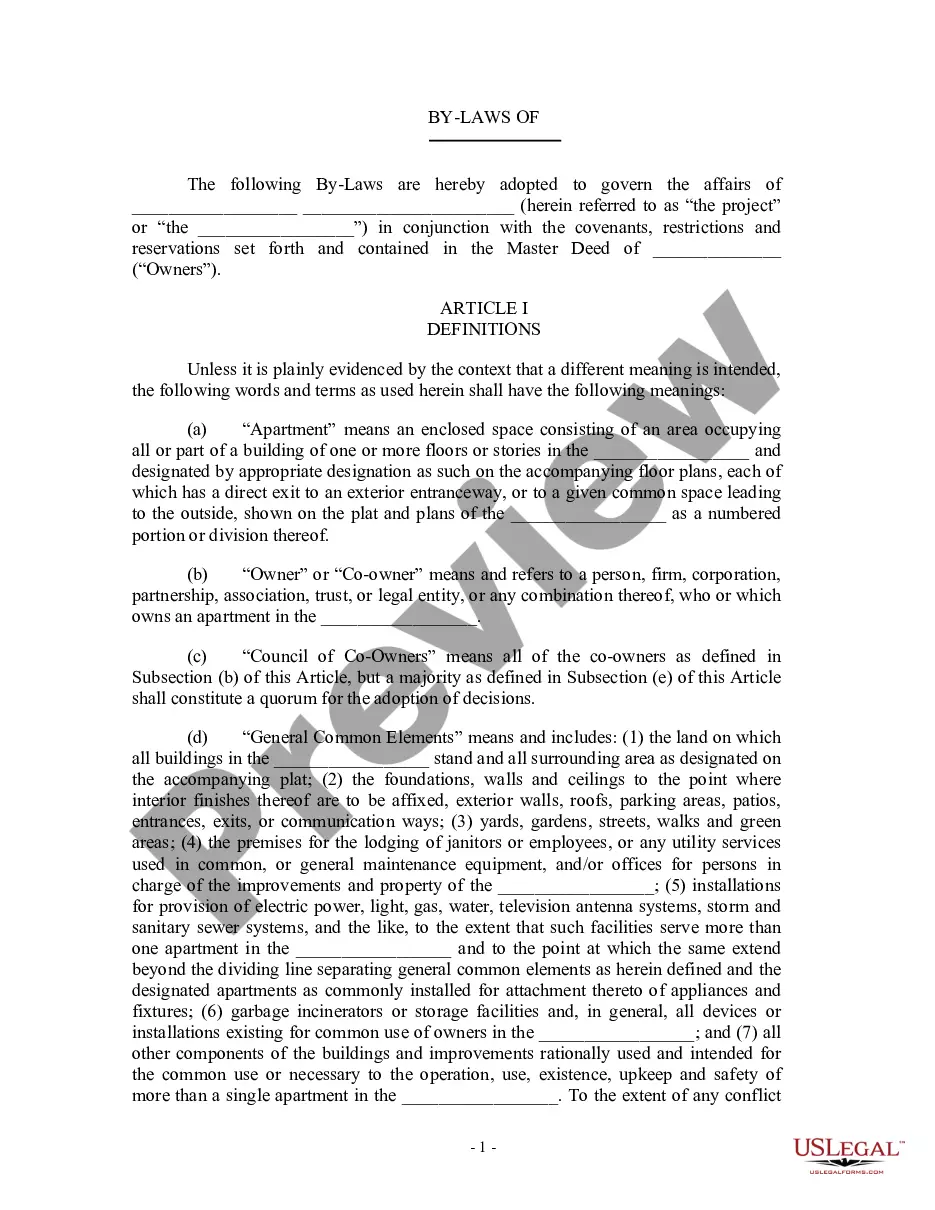
Get your form ready online
Our built-in tools help you complete, sign, share, and store your documents in one place.
Make edits, fill in missing information, and update formatting in US Legal Forms—just like you would in MS Word.
Download a copy, print it, send it by email, or mail it via USPS—whatever works best for your next step.
Sign and collect signatures with our SignNow integration. Send to multiple recipients, set reminders, and more. Go Premium to unlock E-Sign.
If this form requires notarization, complete it online through a secure video call—no need to meet a notary in person or wait for an appointment.
We protect your documents and personal data by following strict security and privacy standards.

Make edits, fill in missing information, and update formatting in US Legal Forms—just like you would in MS Word.

Download a copy, print it, send it by email, or mail it via USPS—whatever works best for your next step.

Sign and collect signatures with our SignNow integration. Send to multiple recipients, set reminders, and more. Go Premium to unlock E-Sign.

If this form requires notarization, complete it online through a secure video call—no need to meet a notary in person or wait for an appointment.

We protect your documents and personal data by following strict security and privacy standards.
Looking for another form?

Form popularity
FAQ
Homeowners associations, or HOAs are governed by the Washington State Homeowners Association Act codified in RCW 64.38.
Homeowners in Washington State can file complaints against their HOA through the Washington Human Rights Commission if they believe their rights have been violated. Complaints can also be directed to local courts for disputes over covenant enforcement, with the process defined under the applicable state statutes.
HOAs may ask homeowners to do something or keep you from doing something not officially covered in the CC&Rs. In such cases, homeowners may want to take legal action against the HOA by filing a lawsuit.
State law: Washington state has laws that specifically grant HOAs and COA (inium Owner Associations) the authority to create and enforce CC&Rs.
Homeowners' associations in Washington are governed by the WUCIOA. This act applies to all common interest communities, including planned developments and iniums.
The Open Meeting Act, also known as the Sunshine Law or Government in the Sunshine Act, is a law that aims to boost transparency and accountability in governing bodies. It mandates all homeowners' association meetings to be open to every member. This includes all HOA board and annual meetings.
Bylaws. The Bylaws of a inium or planned development contain the operating procedures of the homeowners association. These generally include how to call and conduct a meeting, how to vote, how to levy assessments, how to manage association business, and how to keep records.
In some states, such as California, HOA bylaws are considered public record and must be made available upon request. In other states, such as Virginia, HOA bylaws are not considered public record and therefore are not required to be made publicly available.
Association bylaws are detailed rules and regulations within your organization or association that help with internal operations like your organizational makeup. They also provide guidelines for members and the board to follow. For nonprofit organizations, bylaws are a legal document that must be adhered to.
