Employees Whereas Assisting With Prioritizing Work Responsibilities In Kings
Description

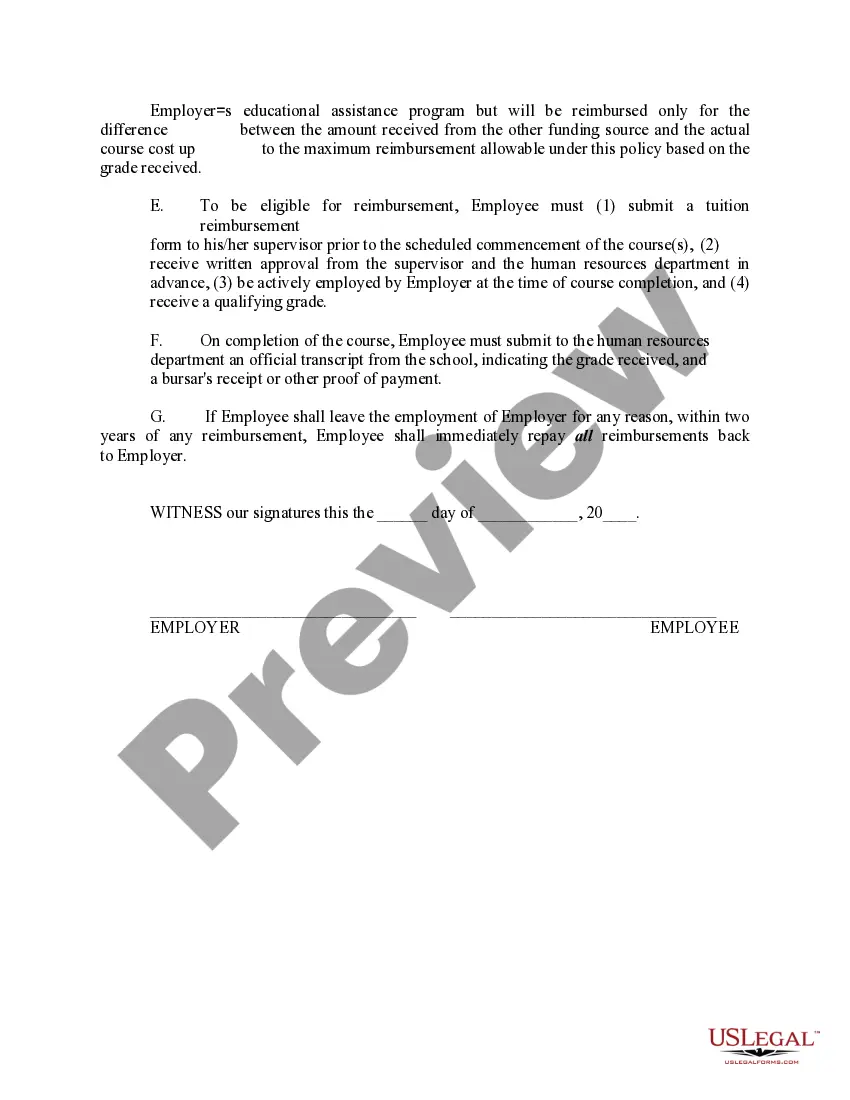
Get your form ready online
Our built-in tools help you complete, sign, share, and store your documents in one place.
Make edits, fill in missing information, and update formatting in US Legal Forms—just like you would in MS Word.
Download a copy, print it, send it by email, or mail it via USPS—whatever works best for your next step.
Sign and collect signatures with our SignNow integration. Send to multiple recipients, set reminders, and more. Go Premium to unlock E-Sign.
If this form requires notarization, complete it online through a secure video call—no need to meet a notary in person or wait for an appointment.
We protect your documents and personal data by following strict security and privacy standards.

Make edits, fill in missing information, and update formatting in US Legal Forms—just like you would in MS Word.

Download a copy, print it, send it by email, or mail it via USPS—whatever works best for your next step.

Sign and collect signatures with our SignNow integration. Send to multiple recipients, set reminders, and more. Go Premium to unlock E-Sign.

If this form requires notarization, complete it online through a secure video call—no need to meet a notary in person or wait for an appointment.

We protect your documents and personal data by following strict security and privacy standards.
Looking for another form?





Form popularity
FAQ
The primary goal of financial management is to ensure sustainable growth while meeting both short-term and long-term financial goals. A strong financial strategy helps businesses navigate challenges, optimize resources, and enhance shareholder value.
Employee empowerment is the process of giving employees the authority and responsibility to make decisions and take actions that improve their work and the organization.
How can you help employees prioritize their tasks and manage their time effectively? Assess their workload and expectations. Be the first to add your personal experience. Teach them how to prioritize. Help them plan and schedule. Encourage them to track and review. Here's what else to consider.
How can you help employees prioritize their tasks and manage their time effectively? Assess their workload and expectations. Be the first to add your personal experience. Teach them how to prioritize. Help them plan and schedule. Encourage them to track and review. Here's what else to consider.
And, as author and business consultant Jim Collins famously said, “If you have more than three priorities, you don't have any.” What exactly are these three magical priorities in life? Well, it's simple. Your health, relationships, and purpose.
Prioritizing at work allows you to define your main objectives — i.e., what you're trying to achieve. Then, you order them based on three characteristics: urgency, importance, and value. The urgency aspect: Urgency involves managing short-term goals where a deadline is imposed on you.
Prepare for prioritizing tasks at work At the top of the first write “Delay,” on the second write “Delegate,” and on the third write “Do.”
What are prioritization techniques? The simple definition is that these techniques help you make better decisions about the order in which you should tackle things on your to-do list or your backlog.
If you're completely confused about prioritization and how to make it work for you, these are three of the most common and popular methods. The MoSCoW Method. RICE Scoring. Kano Model.
1) Clearly communicate the goals and priorities of the team and the organization so everyone knows what is most important. 2) Help your team understand how their individual tasks contribute to the overall goals and priorities, so they can see their work's value and importance.
