Educational Assistance Employees With Disabilities In California
Description

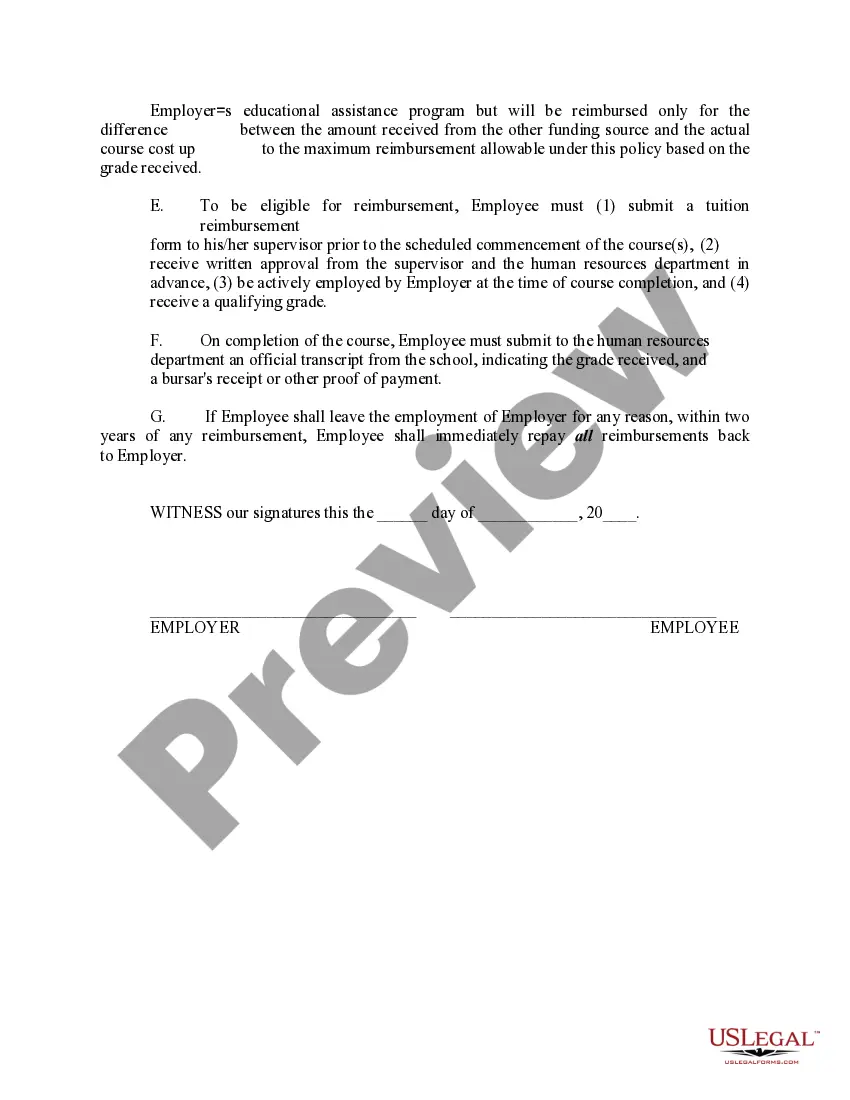
Get your form ready online
Our built-in tools help you complete, sign, share, and store your documents in one place.
Make edits, fill in missing information, and update formatting in US Legal Forms—just like you would in MS Word.
Download a copy, print it, send it by email, or mail it via USPS—whatever works best for your next step.
Sign and collect signatures with our SignNow integration. Send to multiple recipients, set reminders, and more. Go Premium to unlock E-Sign.
If this form requires notarization, complete it online through a secure video call—no need to meet a notary in person or wait for an appointment.
We protect your documents and personal data by following strict security and privacy standards.

Make edits, fill in missing information, and update formatting in US Legal Forms—just like you would in MS Word.

Download a copy, print it, send it by email, or mail it via USPS—whatever works best for your next step.

Sign and collect signatures with our SignNow integration. Send to multiple recipients, set reminders, and more. Go Premium to unlock E-Sign.

If this form requires notarization, complete it online through a secure video call—no need to meet a notary in person or wait for an appointment.

We protect your documents and personal data by following strict security and privacy standards.
Looking for another form?
Form popularity
FAQ
How Do I Get an IEP for My Child in California? Step 1: Identify Your Child's Needs. Step 2: Request an Assessment. Step 3: Attend the IEP Meeting. Step 4: Review and Approve the IEP. Step 5: Implementation and Regular Review. Step 6: Advocacy and Support.
You may be eligible for DI benefits if you: Can't do your regular work for at least eight days. Have lost wages because of your disability. Are working or looking for work at the time your disability begins.
Social Security offers an online disability application you can complete at your convenience. Apply from the comfort of your home or any location at a time most convenient for you. You do not need to drive to your local Social Security office or wait for an appointment with a Social Security representative.
To file your claim online, follow these steps: Log in to your myEDD account. Select SDI Online. Select New Claim. Select Disability Insurance and follow the steps in each section. Choose your payment option when prompted: direct deposit, debit card, or check. Submit the completed Part A – Claimant's Statement.
When to File Your Claim. You can file your claim on the first day of your disability, but to avoid creating delays on your claim, losing benefits, or having your claim disqualified, you should file your claim: No earlier than nine days after your disability begins. No later than 49 days after your disability begins.
The California Fair Employment and Housing Act The FEHA protects the right of people to seek, obtain, and hold employment without discrimination be- cause of their disability or perceived disability. (Gov. Code, §§ 12920, 12926, subd. (o).)
Disability Leave for Employees in California. The California Family Rights Act (CFRA) provides eligible employees with up to 12 weeks of unpaid, job-protected leave to care for their own serious health condition or a family member with a serious health condition, or to bond with a new child.
The ADA prohibits discrimination based on a person's disability in employment, State and local government programs, private and non-profit businesses (referred to as public accommodations), commercial facilities, transportation, and telecommunications.
All California retail establishments, restaurants, hospitals, hotels and other public places and transportation must offer people with disabilities the same service and facilities as the general public. This includes acceptance of service animals. People with disabilities are also protected when they seek housing.
