Credit Card Form Statement Without In Hillsborough
Description
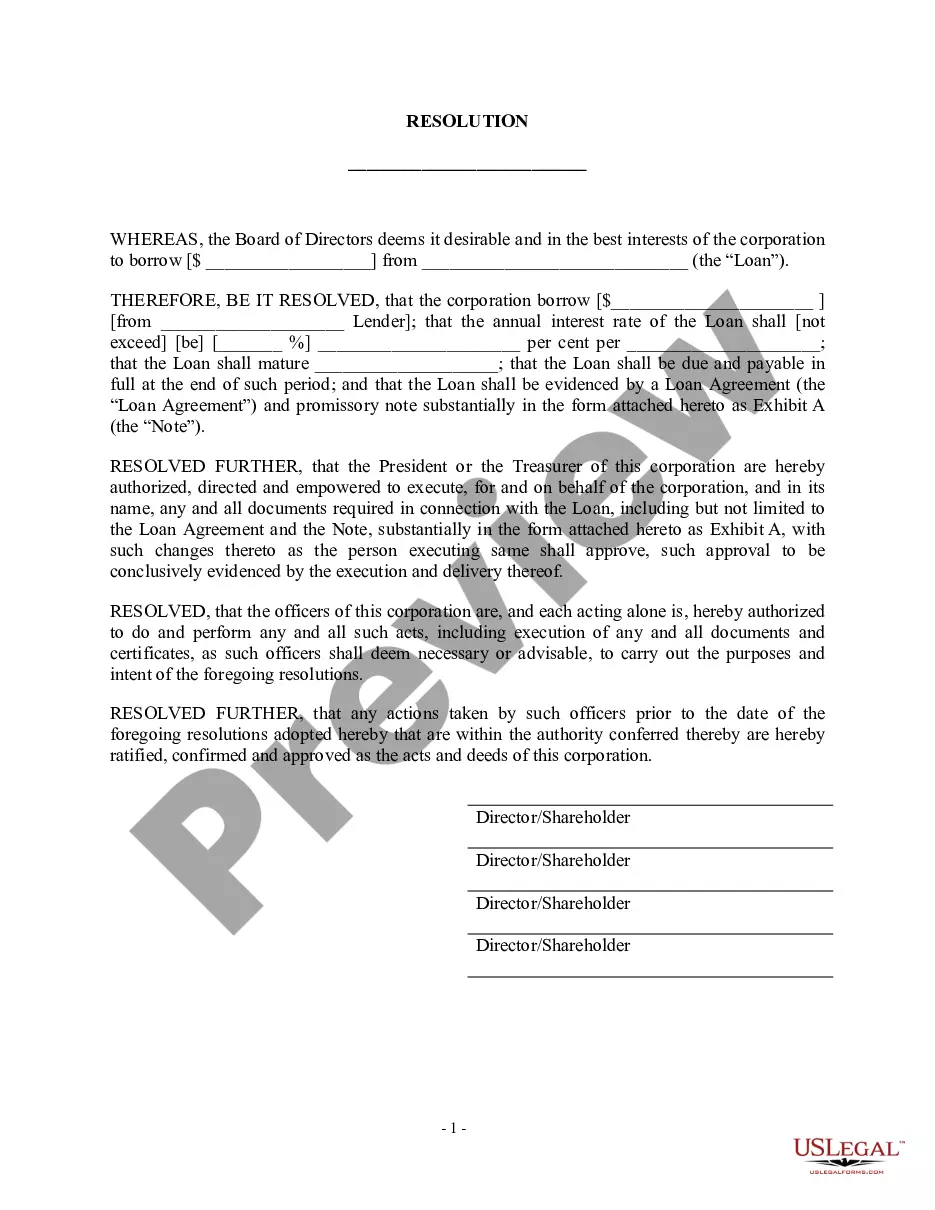
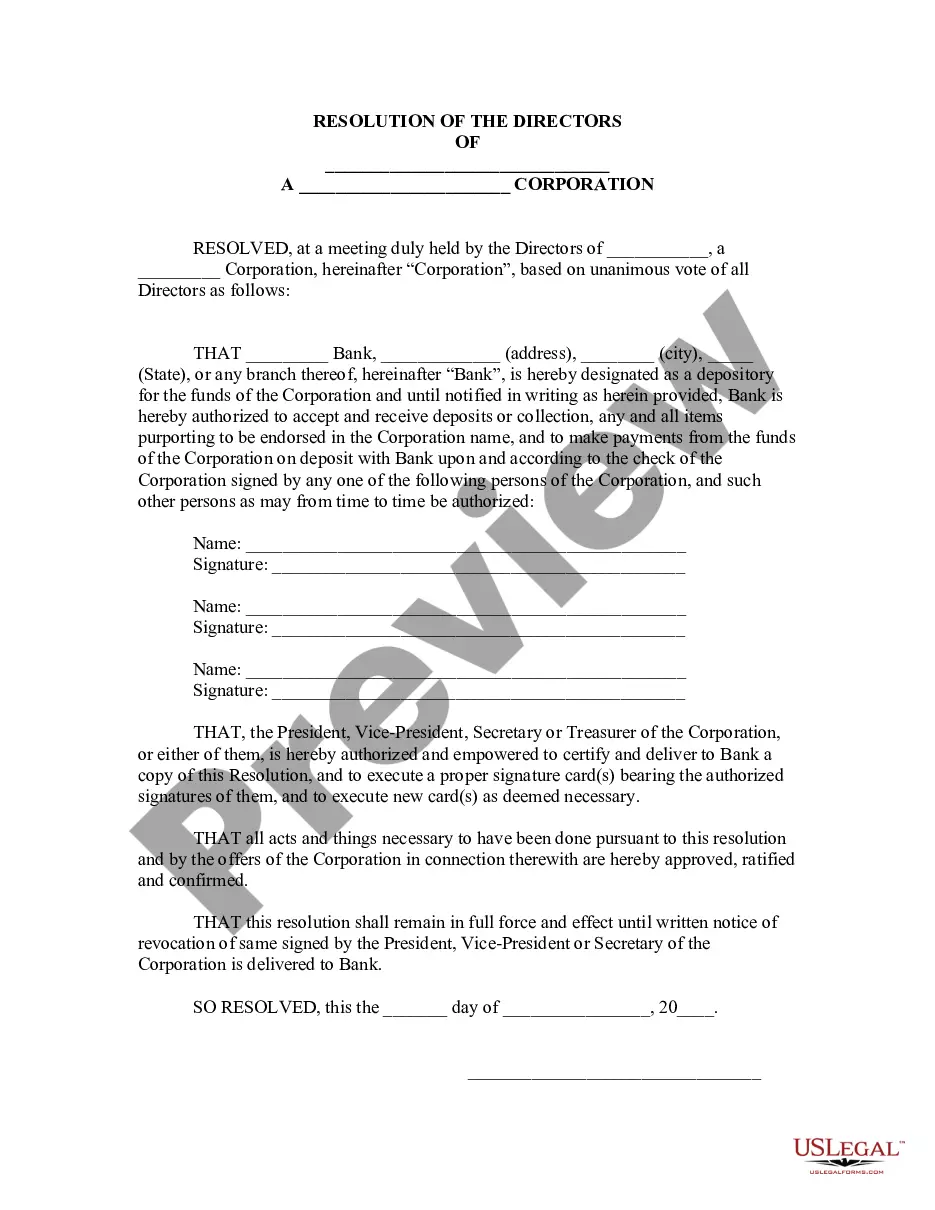
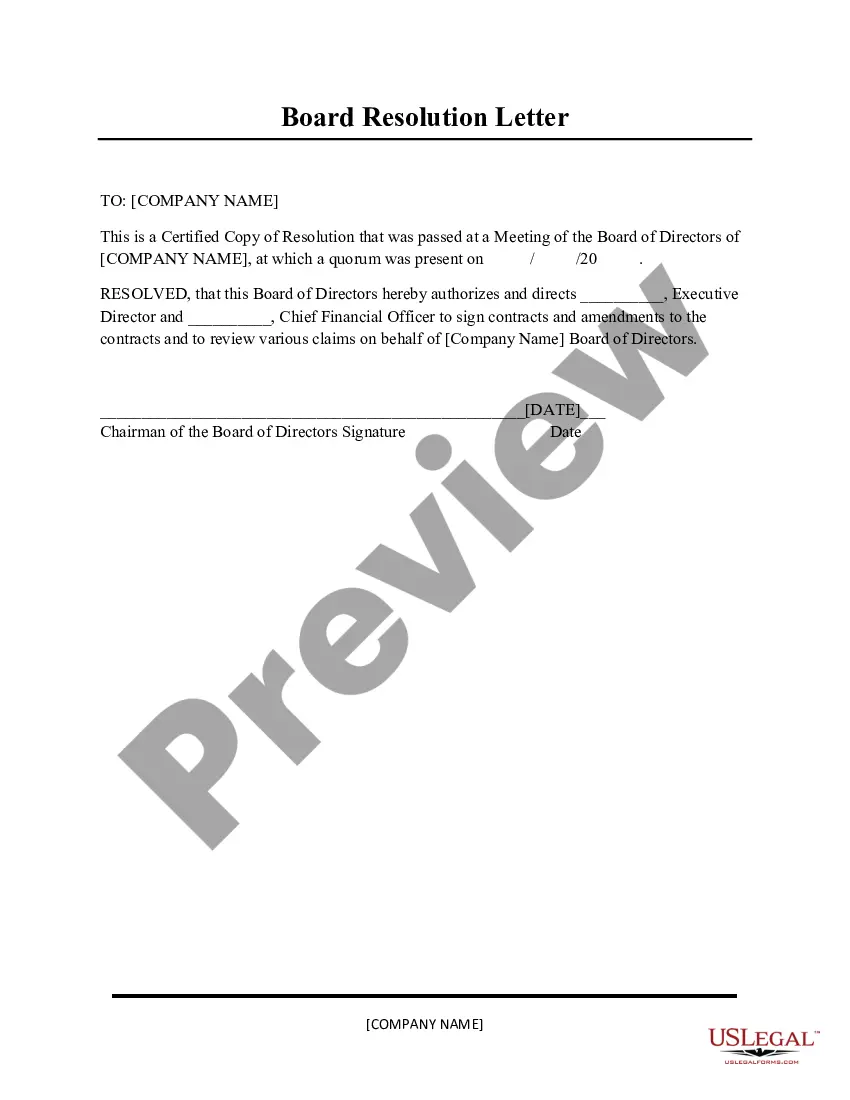
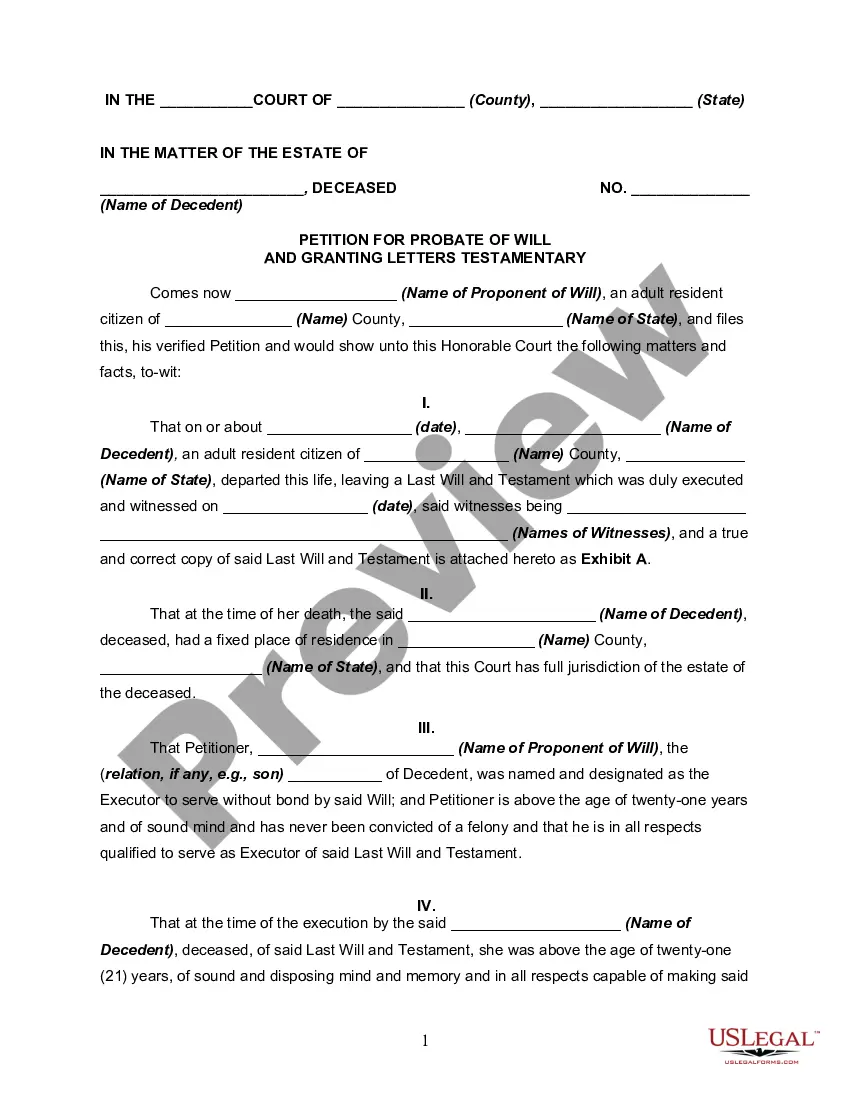
Get your form ready online
Our built-in tools help you complete, sign, share, and store your documents in one place.
Make edits, fill in missing information, and update formatting in US Legal Forms—just like you would in MS Word.
Download a copy, print it, send it by email, or mail it via USPS—whatever works best for your next step.
Sign and collect signatures with our SignNow integration. Send to multiple recipients, set reminders, and more. Go Premium to unlock E-Sign.
If this form requires notarization, complete it online through a secure video call—no need to meet a notary in person or wait for an appointment.
We protect your documents and personal data by following strict security and privacy standards.

Make edits, fill in missing information, and update formatting in US Legal Forms—just like you would in MS Word.

Download a copy, print it, send it by email, or mail it via USPS—whatever works best for your next step.

Sign and collect signatures with our SignNow integration. Send to multiple recipients, set reminders, and more. Go Premium to unlock E-Sign.

If this form requires notarization, complete it online through a secure video call—no need to meet a notary in person or wait for an appointment.

We protect your documents and personal data by following strict security and privacy standards.
Looking for another form?









Form popularity
FAQ
A declaration of domicile in Hillsborough is a legal document that establishes Hillsborough, Florida as an individual's legal domicile, or permanent residence. The document is typically used for legal purposes, such as for filing taxes, to obtain a driver's license, or to establish voting rights.
You can find detailed information on a parcel of property, including who owns it, the assessed and market value, and some tax information through the Hillsborough County Property Appraiser's website.
Declaration of Domicile A Declaration of Domicile proves residency in Broward County, Florida. It is often used to enroll children or college students in school, to establish eligibility for Homestead Exemption, or as the first step toward establishing legal residence in Florida.
Acceptable Proofs of Florida Residency: Current Florida voter registration information card. Declaration of domicile (may be obtained from county clerk's office) Florida homestead exemption. NOTE: Landlord certification is no longer accepted as an alternate proof of residency.
An Affidavit of Domicile is a legal document used to provide evidence of the domicile or legal residence of a deceased person at the time of their death. It is often required for various financial and legal matters related to the deceased person's estate.
Residency is physically living somewhere. Domicile is physically living somewhere (or lived somewhere) and intent to remain (or intent to return if you're military). You CANNOT have a domicile for a state you have never lived in. You must have physically resided in a certain state to gain its benefits and protections.
You do not have to be an attorney to prepare a Florida quitclaim deed. Absent attorney fees, your costs would only be the recording fees that the county comptroller charges and transfer fees if the property is mortgaged.
To change your name legally as an adult, you must petition the court for permission to do so. An adult is 18 years or older in age. The petition must be filed in the county where you live. Fingerprints are required for all name changes, except where a previous name is being restored.
If properly executed, a Florida quitclaim deed usually requires two weeks to three months to be recorded. The parties involved in real estate transactions generally seek to record the deed immediately after the closing process is concluded.
A person can file a quitclaim deed by (1) entering the relevant information on a quitclaim deed form, (2) signing the deed with two witnesses and a notary, and (3) recording the deed at the county comptroller's office. In Florida, quitclaim deeds must have the name and address of both the grantor and the grantee.
