Credit Card Form Statement For Address Proof In Dallas
Description
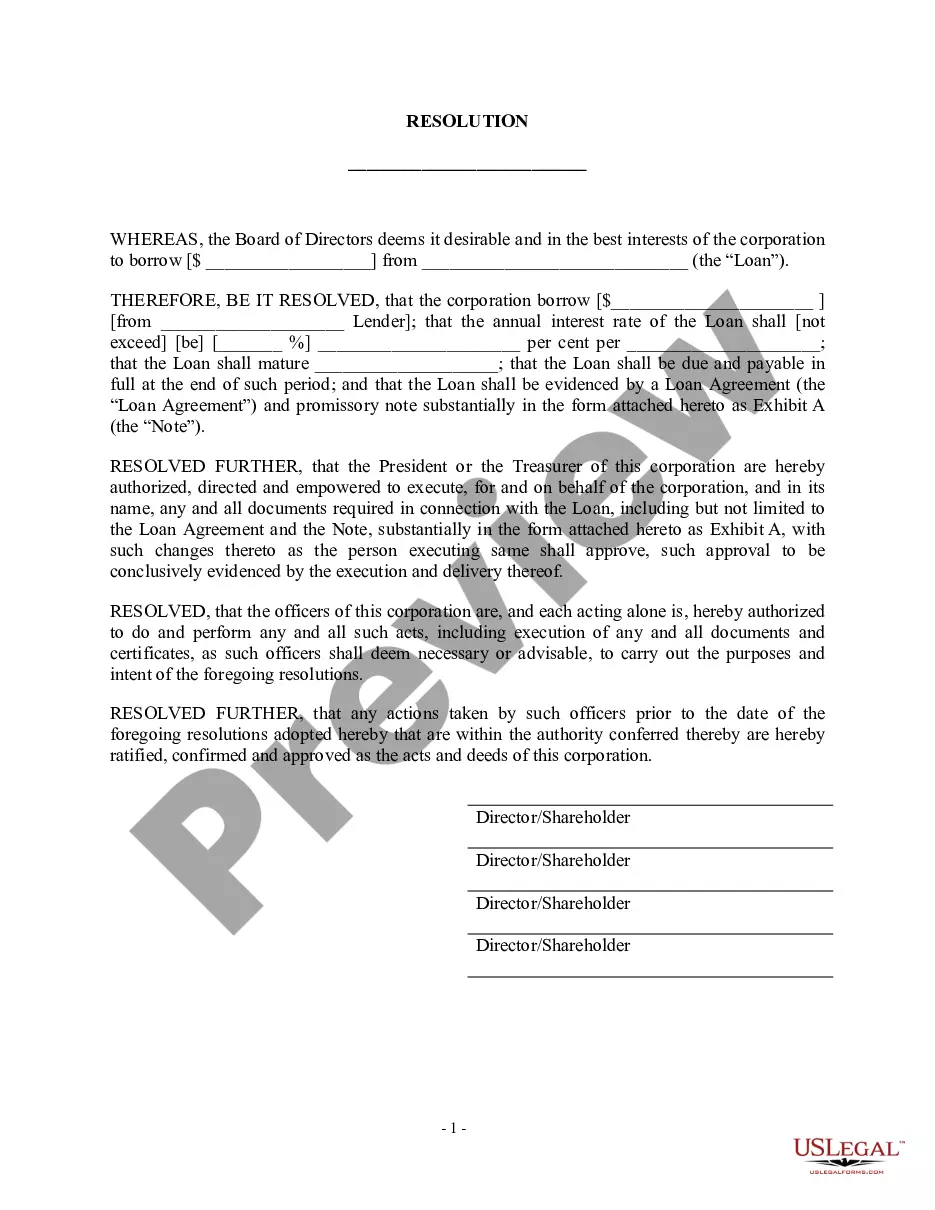
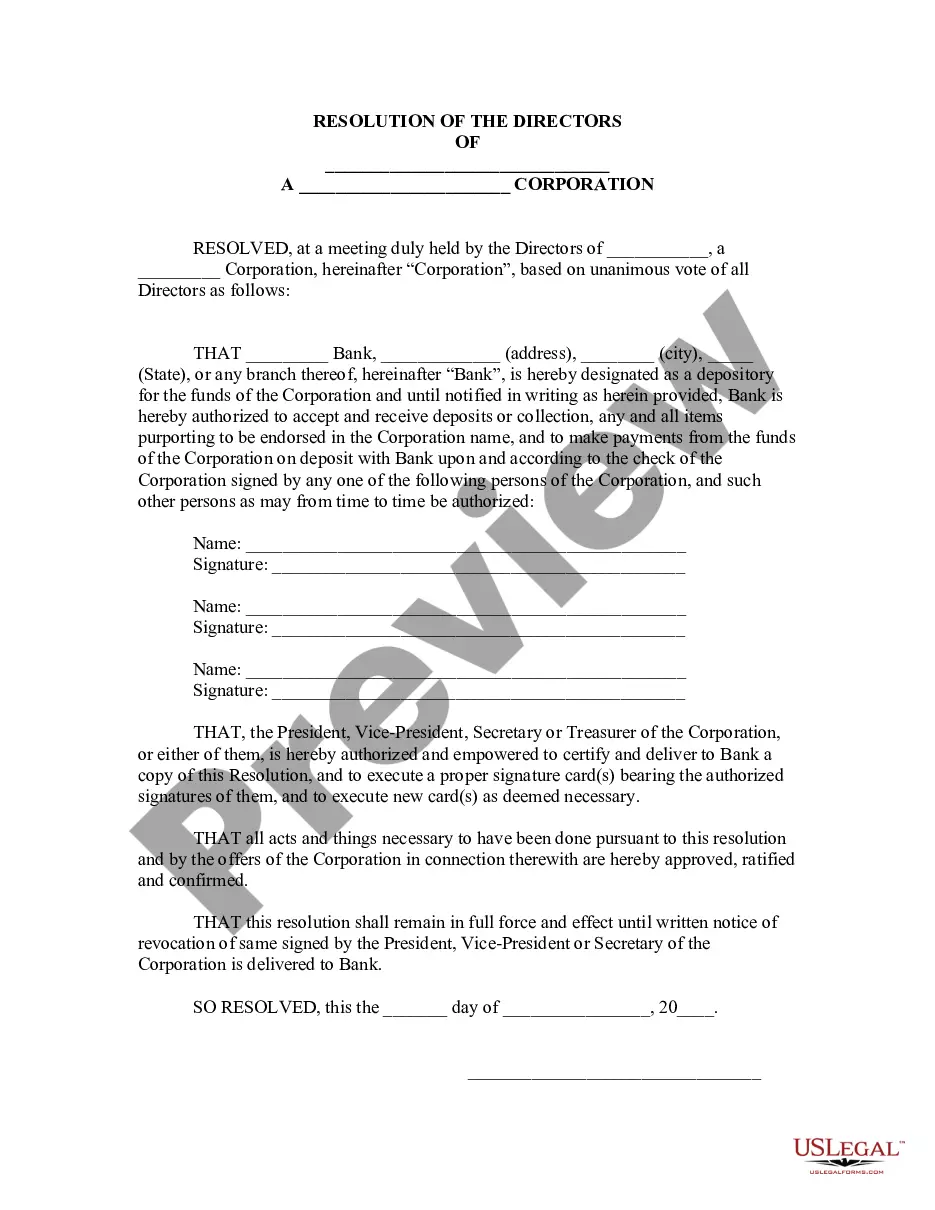
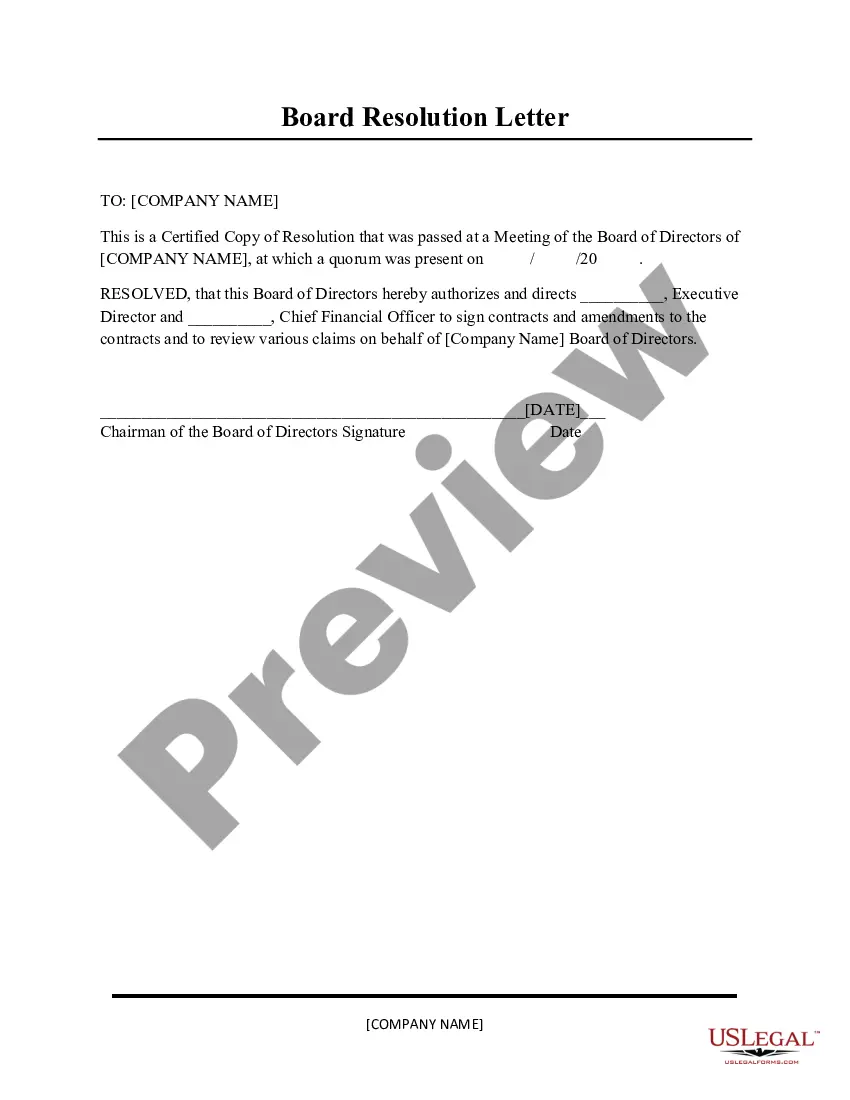
Get your form ready online
Our built-in tools help you complete, sign, share, and store your documents in one place.
Make edits, fill in missing information, and update formatting in US Legal Forms—just like you would in MS Word.
Download a copy, print it, send it by email, or mail it via USPS—whatever works best for your next step.
Sign and collect signatures with our SignNow integration. Send to multiple recipients, set reminders, and more. Go Premium to unlock E-Sign.
If this form requires notarization, complete it online through a secure video call—no need to meet a notary in person or wait for an appointment.
We protect your documents and personal data by following strict security and privacy standards.

Make edits, fill in missing information, and update formatting in US Legal Forms—just like you would in MS Word.

Download a copy, print it, send it by email, or mail it via USPS—whatever works best for your next step.

Sign and collect signatures with our SignNow integration. Send to multiple recipients, set reminders, and more. Go Premium to unlock E-Sign.

If this form requires notarization, complete it online through a secure video call—no need to meet a notary in person or wait for an appointment.

We protect your documents and personal data by following strict security and privacy standards.
Looking for another form?
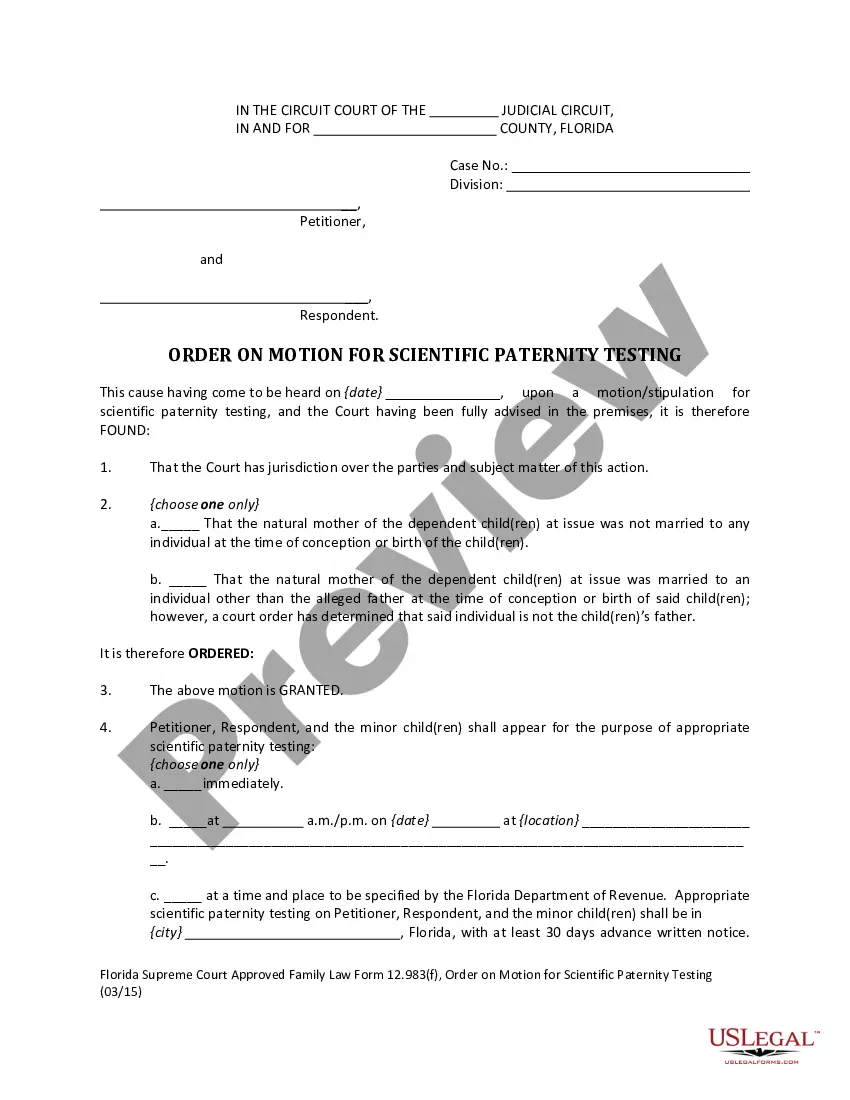


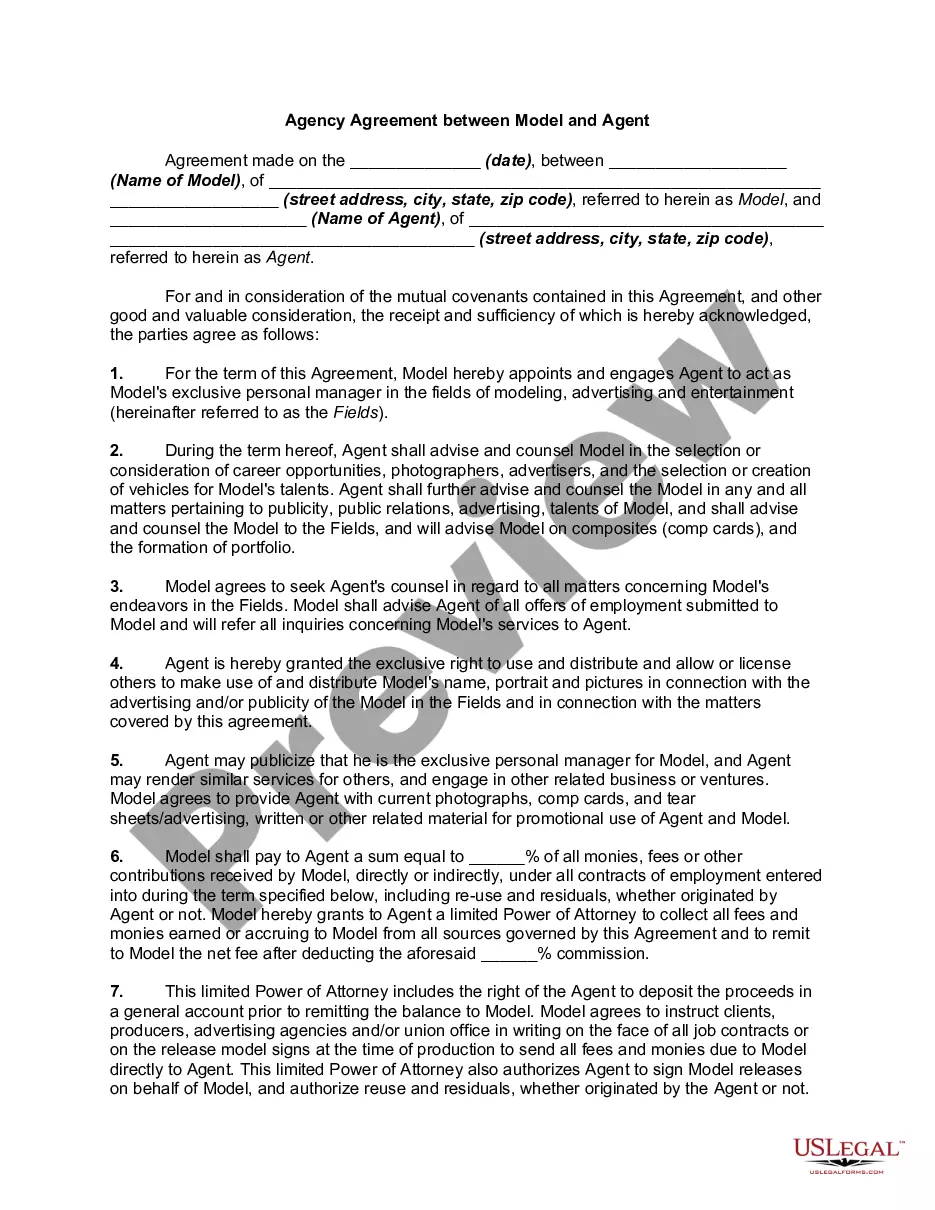
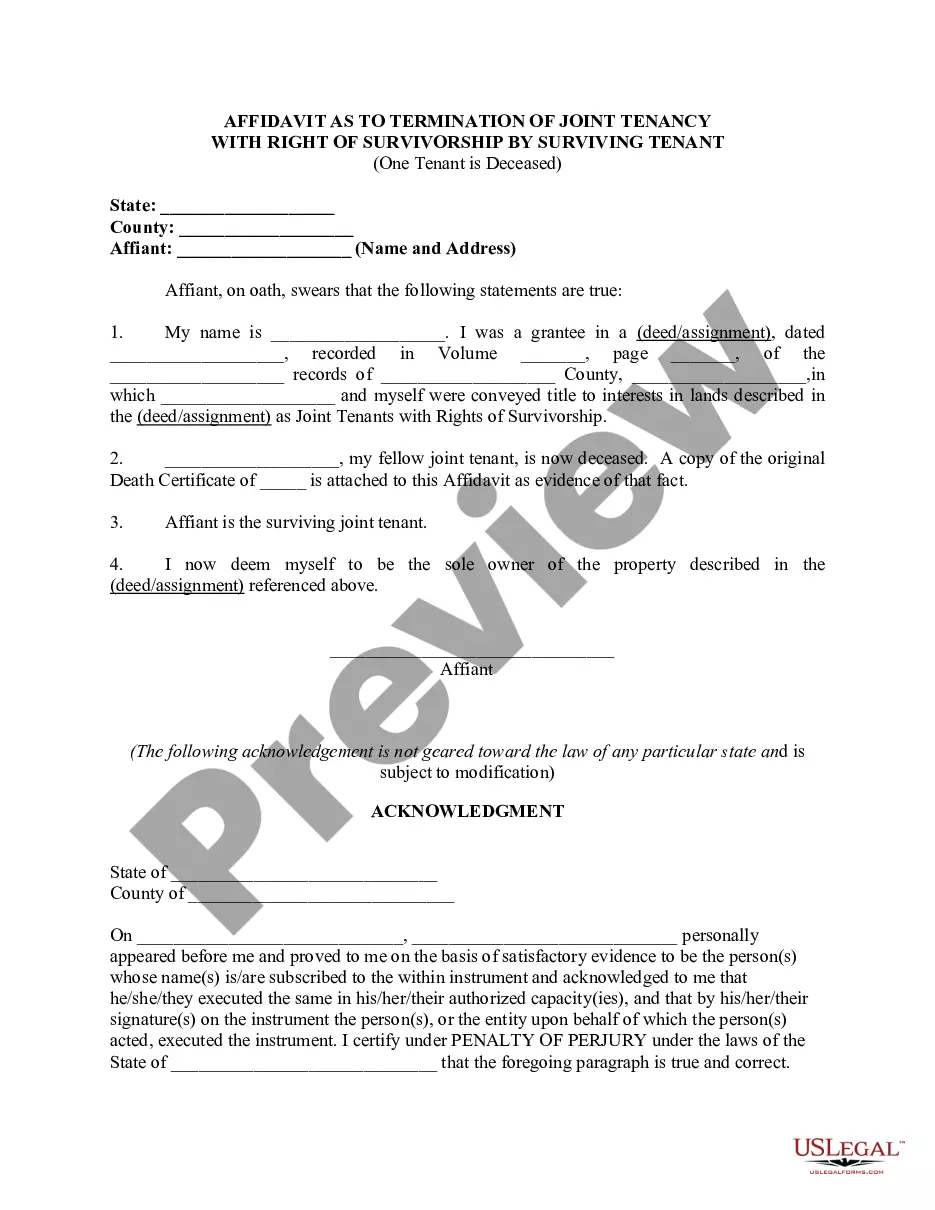
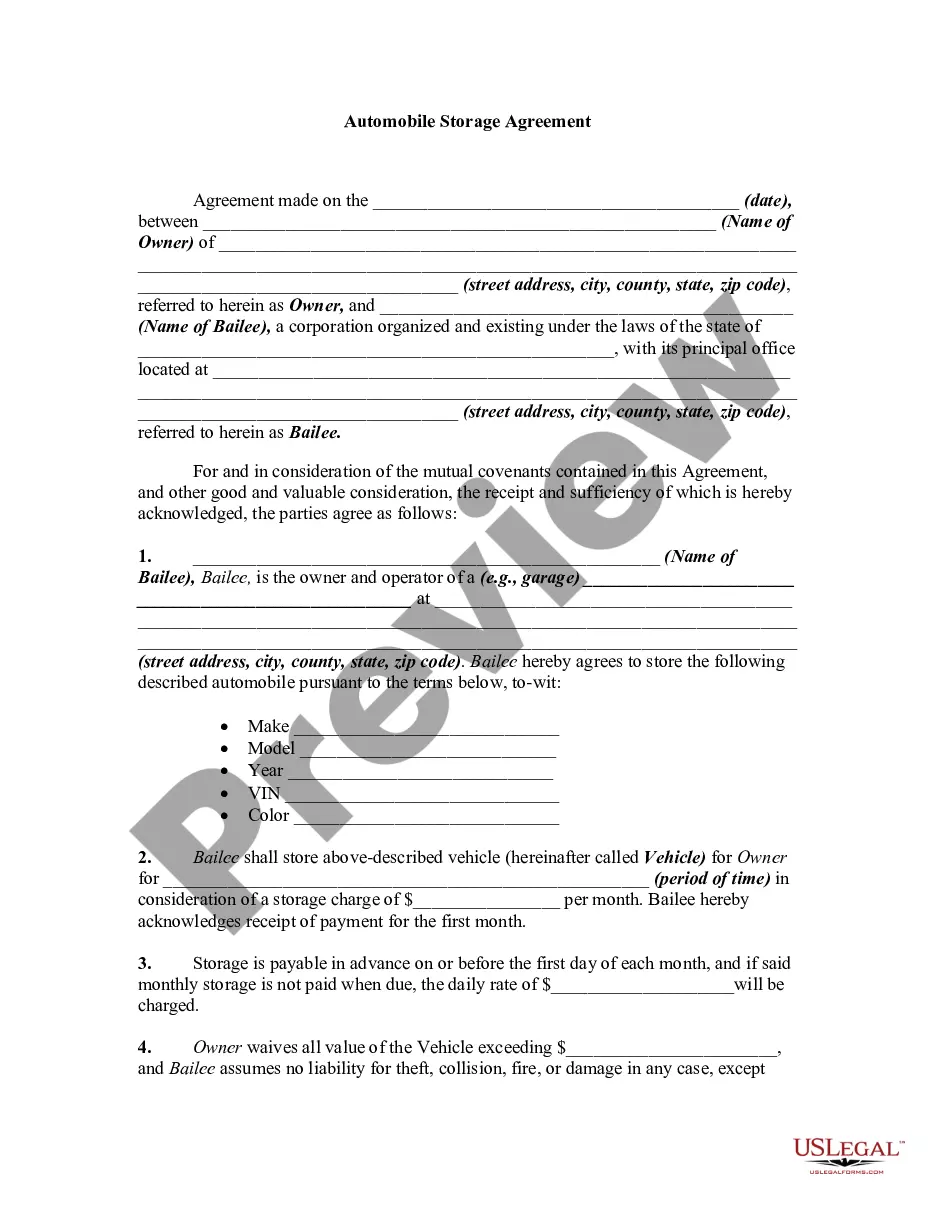
Form popularity
FAQ
Proof of Texas Residency. Proof of Identity. Social Security Number. Evidence of current Texas Vehicle Registration for each vehicle you own.
Write in all the required personal information step by step, including your full legal name, address and length of residence in your home, roommates, if any, and date of birth. Place your signature and have it notarized online or at your local notary.
Title the Document: Create a clear title that indicates the nature of the document as an “Affidavit of Fact.” Provide Affiant's Information: Include the affiant's full name, address, and, if applicable, their relationship to the matter at hand. State the Facts: List all pertinent facts chronologically or logically.
NOTE: Remember, all documents presented must contain the individual's name and Texas residential address, and must be printed. Current deed, mortgage, monthly mortgage statement, mortgage payment booklet or a residential rental/lease agreement. Valid, unexpired Texas voter registration card
(e) Acceptable proof of domicile documents are: (1) current deed, mortgage, monthly mortgage statement, mortgage payment booklet, or a residential rental/lease agreement. (2) A valid, unexpired Texas voter registration card. (3) A valid, unexpired Texas motor vehicle registration or title.
How to fill out the Texas Residency Affidavit Requirements and Instructions? Complete and sign Section A of the affidavit. Have the individual or representative fill out and sign Section B. Provide two acceptable residency documents. Attach the signed affidavit to your application.
Common elements of a valid residency affidavit include: Your full legal name. Your current residential address. The duration of your residency at the address. A declaration that the information you're providing is accurate and true. Your signature. The signature and seal of a notary public.
NOTE: Remember, all documents presented must contain the individual's name and Texas residential address, and must be printed. Current deed, mortgage, monthly mortgage statement, mortgage payment booklet or a residential rental/lease agreement. Valid, unexpired Texas voter registration card
Government-issued photo ID. Residential lease/property deed. Utility bill. Certified Letter from the government/court (marriage license, divorce, government aid). Bank statement. Driver's license/learner's permit. Car registration. Notarized affidavit of residency.
Acceptable residency documents: A utility or residential service bill dated within 180 days of the date of application. Examples of acceptable statements include, but are not limited to; electric, water, gas, internet, cable, streaming services, lawn service, cellular telephone, etc.
