Credit Card Form Statement For Address Proof In Contra Costa
Description
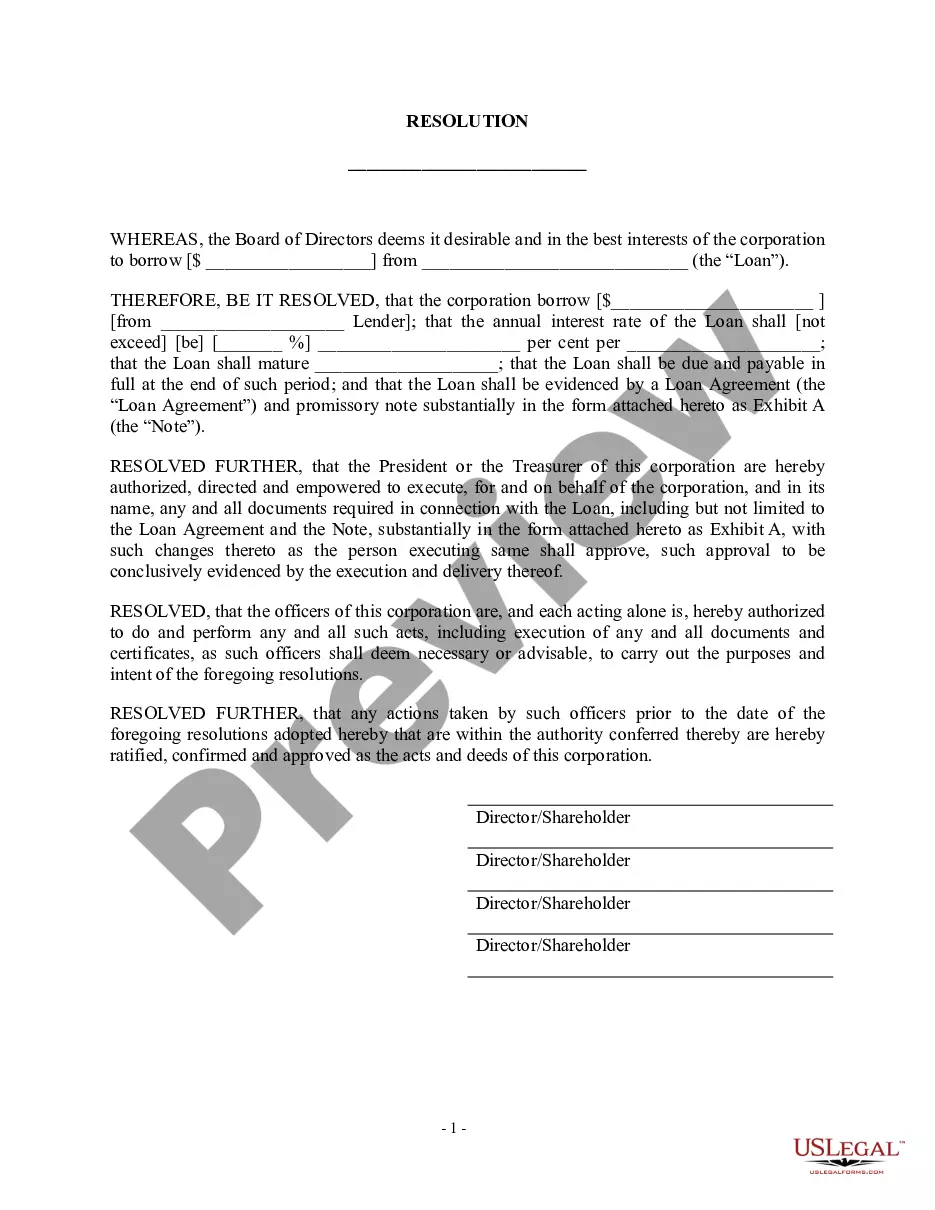
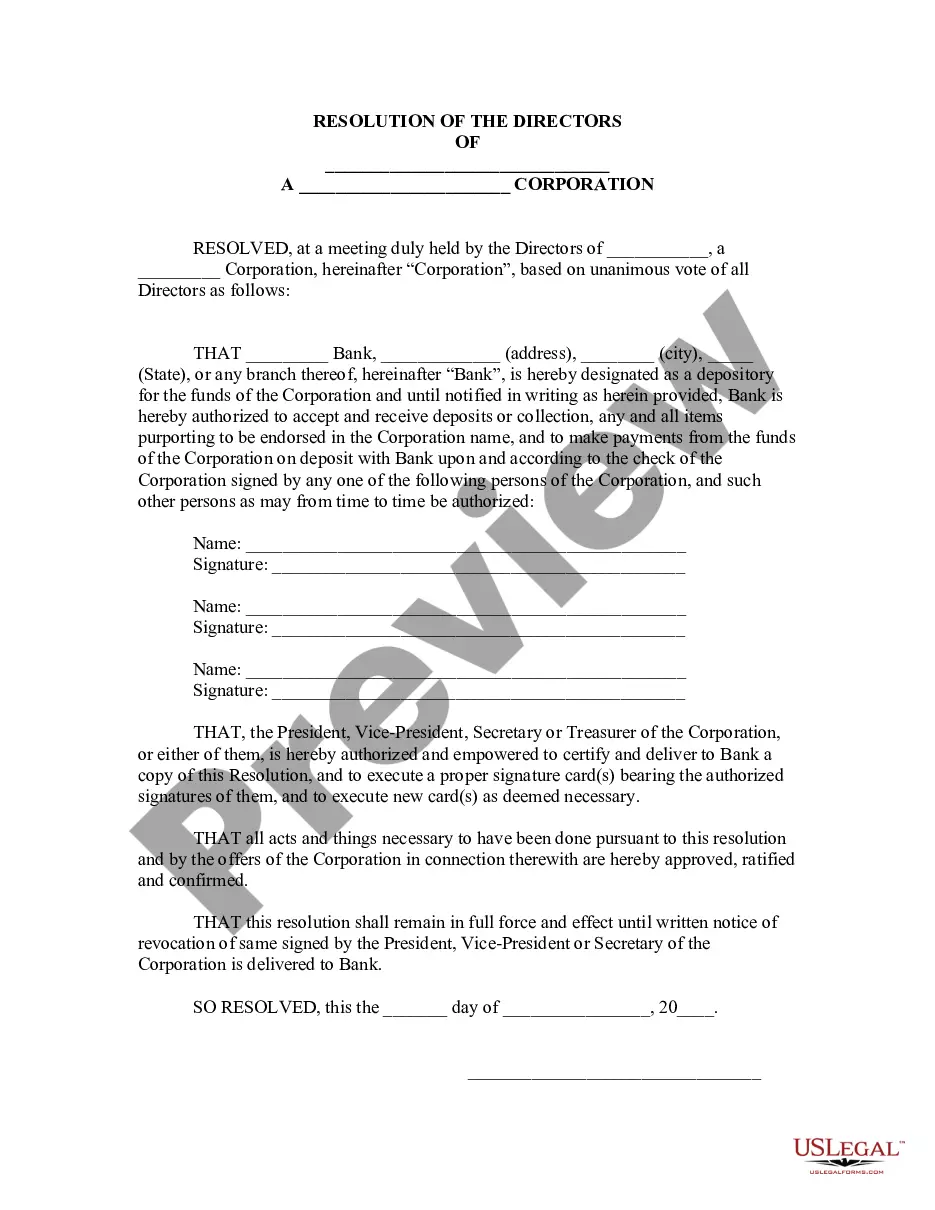
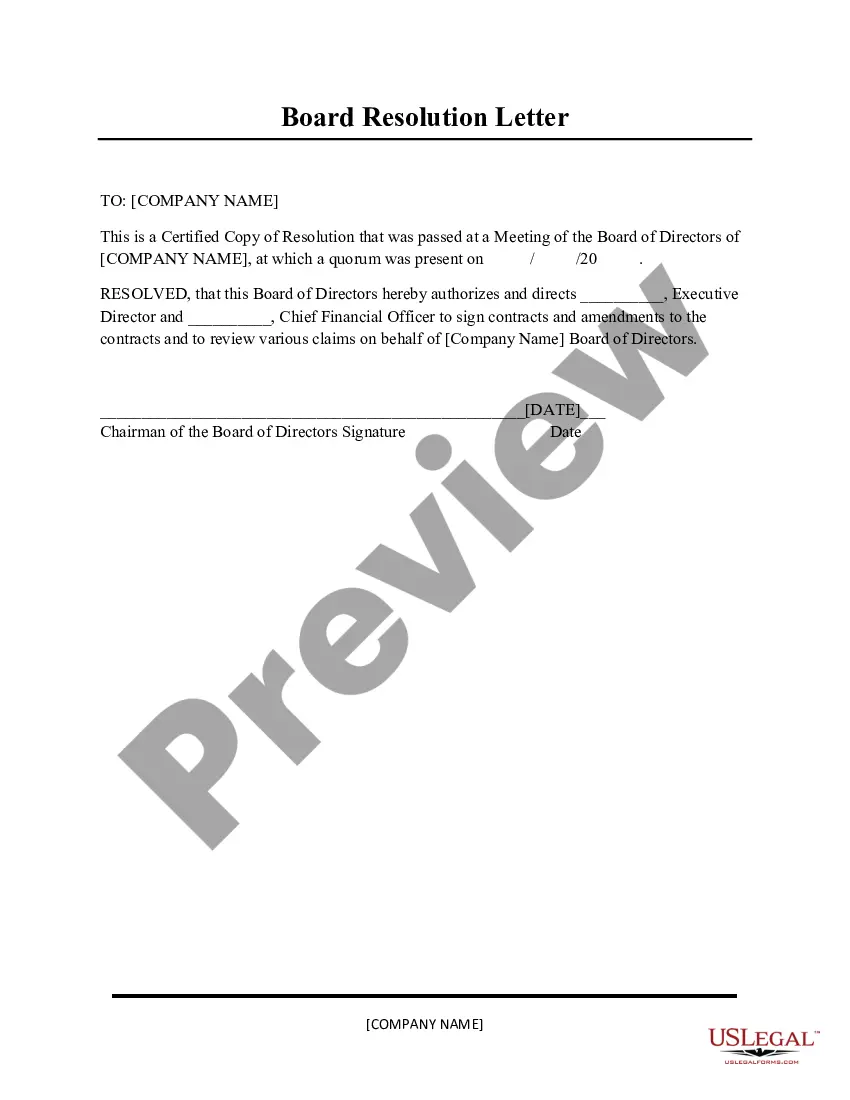
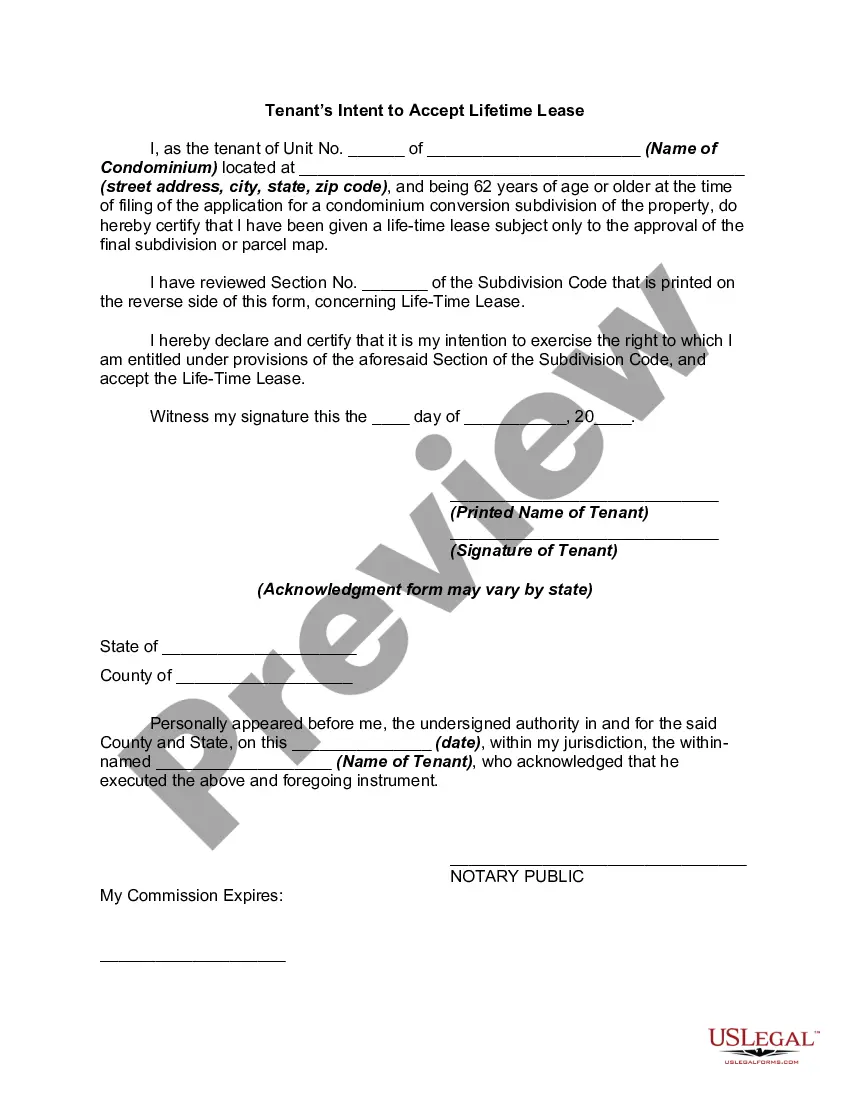
Get your form ready online
Our built-in tools help you complete, sign, share, and store your documents in one place.
Make edits, fill in missing information, and update formatting in US Legal Forms—just like you would in MS Word.
Download a copy, print it, send it by email, or mail it via USPS—whatever works best for your next step.
Sign and collect signatures with our SignNow integration. Send to multiple recipients, set reminders, and more. Go Premium to unlock E-Sign.
If this form requires notarization, complete it online through a secure video call—no need to meet a notary in person or wait for an appointment.
We protect your documents and personal data by following strict security and privacy standards.

Make edits, fill in missing information, and update formatting in US Legal Forms—just like you would in MS Word.

Download a copy, print it, send it by email, or mail it via USPS—whatever works best for your next step.

Sign and collect signatures with our SignNow integration. Send to multiple recipients, set reminders, and more. Go Premium to unlock E-Sign.

If this form requires notarization, complete it online through a secure video call—no need to meet a notary in person or wait for an appointment.

We protect your documents and personal data by following strict security and privacy standards.
Looking for another form?









Form popularity
FAQ
To do this, you file a petition with the court and publish a notice in a newspaper. Then, you'll either have a court date (a hearing) where a judge will make a decision, or the judge may make a decision without a hearing. Once the judge decides, you pick up a court decree (court order) with your new name.
Complete form BOE-266, Claim for Homeowners' Property Tax Exemption. Obtain the claim form from the County Assessor's office where the property is located. Submit the completed form to the same office.
New property owners will usually receive an exemption application enclosed with their notice of supplemental assessment, approximately 90 to 120 days after the deed is recorded. If you acquired the property more than 120 days ago, and have not received an application, please call (925) 313-7481 for an application. 9.
Homeowners' Exemption versus Homestead Exemptions With an approximate 1% property tax rate, the exemption provides roughly a $70 annual saving off your property taxes. Homestead Exemption is a civil code provision, which may protect part of the homes equity from creditors.
Homeowner's Exemption If you own and occupy the property as your principal place of residence, you are eligible for a Homeowners' Exemption of $7,000 in assessed value for that property. The exemption will reduce the annual property tax bill by at least $70 each year.
Eligibility Requirements: Homeowners must be age 55 or better (For married couples, only one spouse must be 55 or better to qualify.) Homeowners must have sold their former residence within 2 years of purchasing the replacement property. Both the former and replacement properties must be the owner's primary residence.
If you did not receive or misplaced your tax bill, you can request a duplicate online at .
Copies of previous (up to 11 years) and current tax bills can be found on line by going to Account Lookup. Taxpayers may also call our office, 925-608-9500 and/or email Tax Information us to request a duplicate tax bill.
New property owners will usually receive an exemption application enclosed with their notice of supplemental assessment, approximately 90 to 120 days after the deed is recorded. If you acquired the property more than 120 days ago, and have not received an application, please call (925) 313-7481 for an application. 9.

