Completion Report In Railway In Nevada
Description
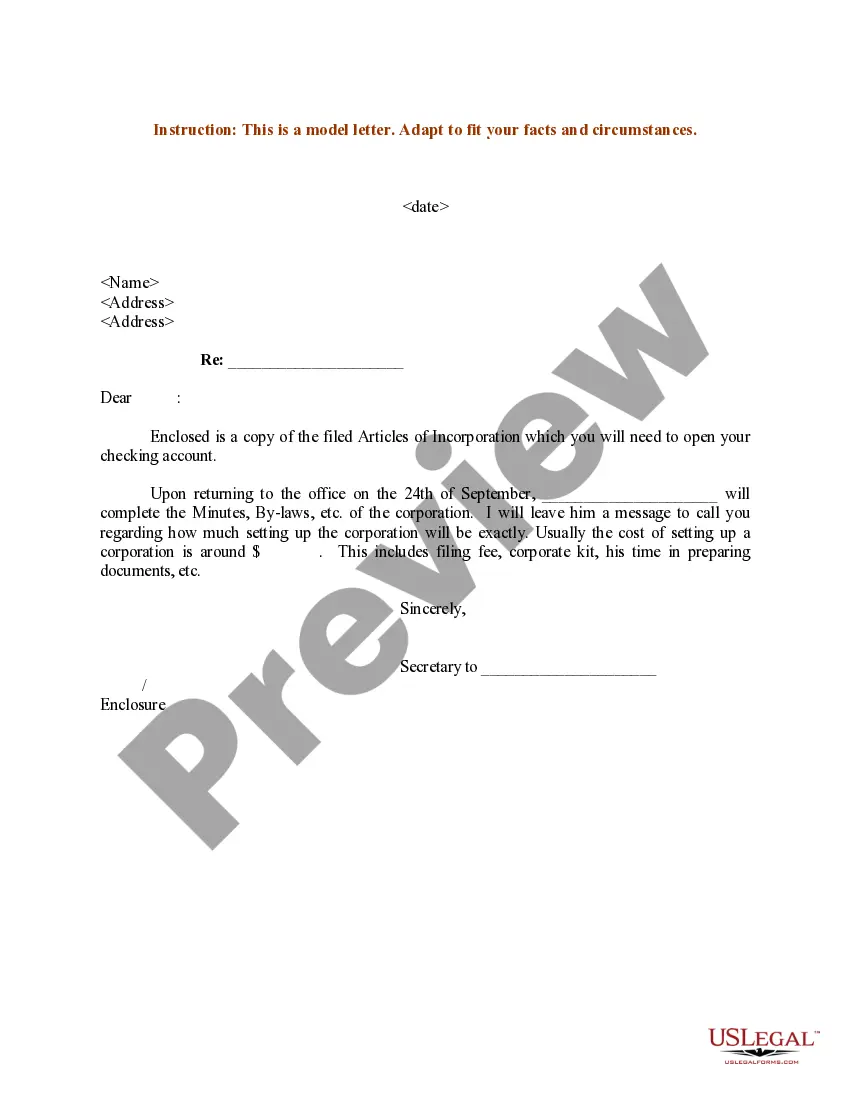
Get your form ready online
Our built-in tools help you complete, sign, share, and store your documents in one place.
Make edits, fill in missing information, and update formatting in US Legal Forms—just like you would in MS Word.
Download a copy, print it, send it by email, or mail it via USPS—whatever works best for your next step.
Sign and collect signatures with our SignNow integration. Send to multiple recipients, set reminders, and more. Go Premium to unlock E-Sign.
If this form requires notarization, complete it online through a secure video call—no need to meet a notary in person or wait for an appointment.
We protect your documents and personal data by following strict security and privacy standards.

Make edits, fill in missing information, and update formatting in US Legal Forms—just like you would in MS Word.

Download a copy, print it, send it by email, or mail it via USPS—whatever works best for your next step.

Sign and collect signatures with our SignNow integration. Send to multiple recipients, set reminders, and more. Go Premium to unlock E-Sign.

If this form requires notarization, complete it online through a secure video call—no need to meet a notary in person or wait for an appointment.

We protect your documents and personal data by following strict security and privacy standards.
Looking for another form?








Form popularity
FAQ
By the time the South Eastern Railway opened as far as Dover, in 1844, 2210 miles of line had been opened, making travel around the country faster, more comfortable and less expensive. Railways allowed people to travel further, more quickly. This allowed leisure travel, and contributed to the growth of seaside resorts.
The railroad opened the way for the settlement of the West, provided new economic opportunities, stimulated the development of town and communities, and generally tied the country together.
By connecting the existing eastern U.S. rail networks to the west coast, the Transcontinental Railroad (known originally as the "Pacific Railroad") became the first continuous railroad line across the United States.
The railroad opened for through traffic on , when CPRR President Leland Stanford ceremonially drove the gold "Last Spike" (later often referred to as the "Golden Spike") at Promontory Summit in Utah.
On , in a ceremony at Promontory, Utah, the last rails were laid and the last spike driven. Congress eventually authorized 4 transcontinental railroads and granted 174 million acres of public lands for rights-of-way.
The building of the transcontinental railroad opened up the American West to more rapid development. With the completion of the track, the travel time for making the 3,000-mile journey across the United States was cut from a matter of months to under a week.
The railroad is credited, for instance, with helping to open the West to migration and with expanding the American economy. It is blamed for the near eradication of the Native Americans of the Great Plains, the decimation of the buffalo and the exploitation of Chinese railroad workers.
What is a train CONSIST? This is a document showing the number of loaded or empty cars, weight in tons, and length in feet of a specific train. A locomotive consist shows the identifying number and location of each locomotive within that consist for a specific train.
When used as a noun, and in railway terms, a 'consist' refers to a formation of rolling stock put together to make a train. In the UK we mainly call that a rake, especially when referring to coaches, but over in the US, the word 'consist' is much more readily used.

