Completion Report Of Construction Work In Illinois
Description
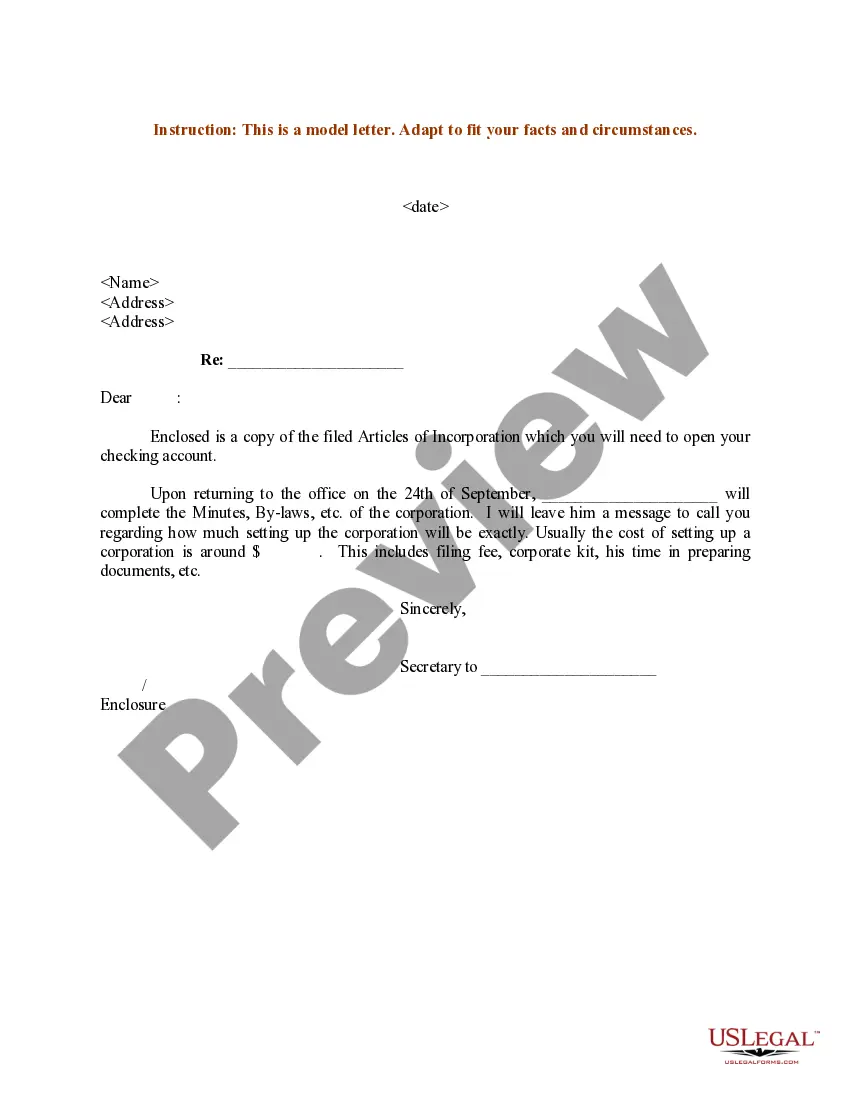
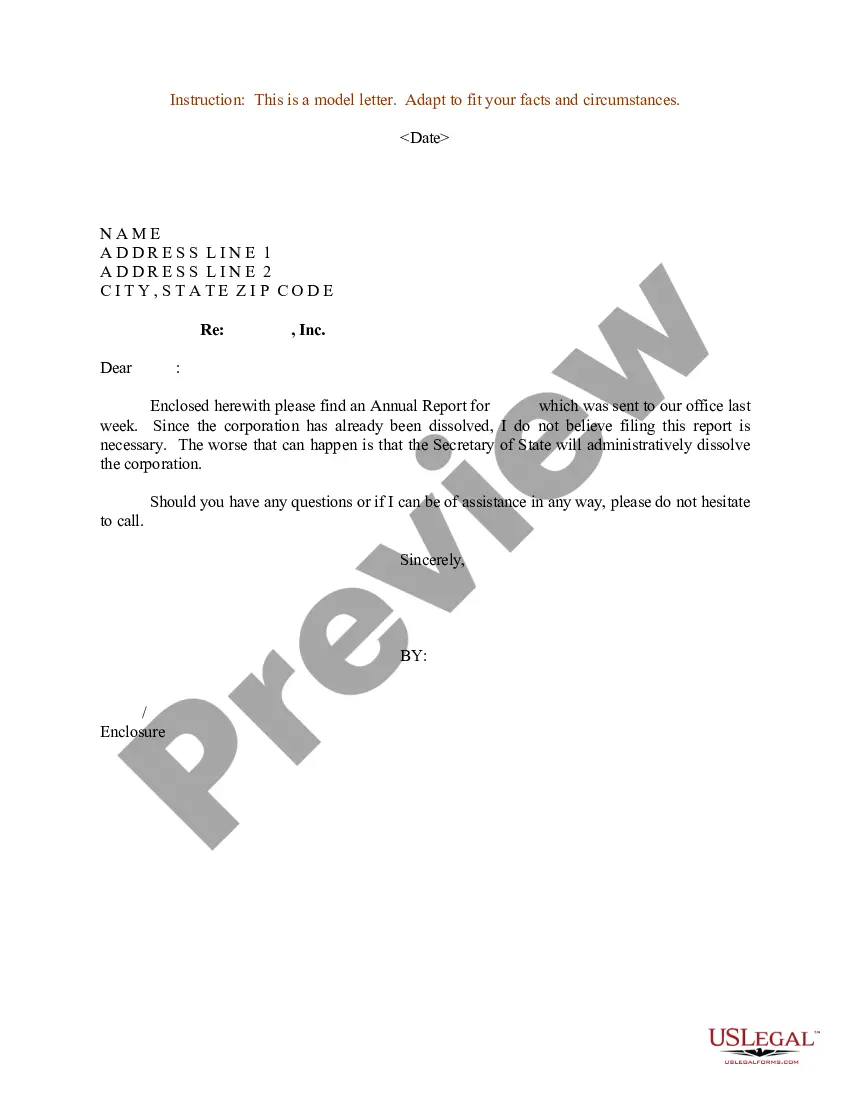
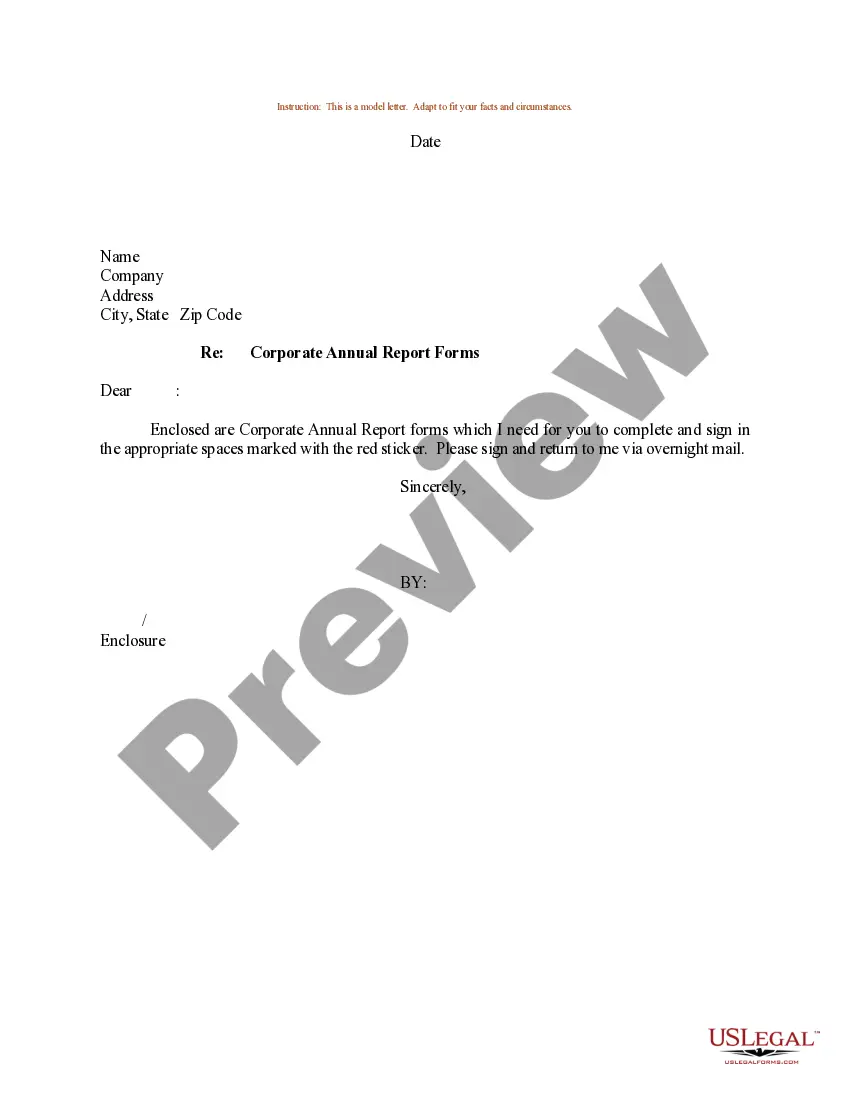
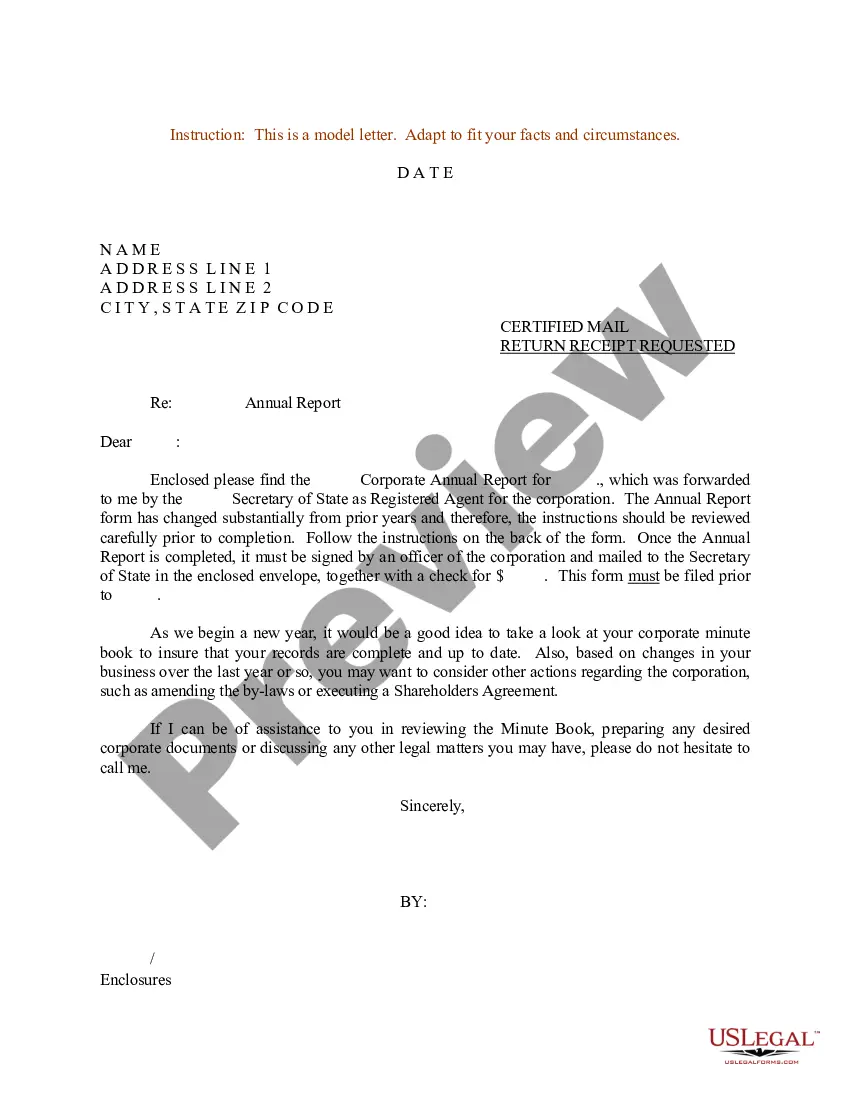
Get your form ready online
Our built-in tools help you complete, sign, share, and store your documents in one place.
Make edits, fill in missing information, and update formatting in US Legal Forms—just like you would in MS Word.
Download a copy, print it, send it by email, or mail it via USPS—whatever works best for your next step.
Sign and collect signatures with our SignNow integration. Send to multiple recipients, set reminders, and more. Go Premium to unlock E-Sign.
If this form requires notarization, complete it online through a secure video call—no need to meet a notary in person or wait for an appointment.
We protect your documents and personal data by following strict security and privacy standards.

Make edits, fill in missing information, and update formatting in US Legal Forms—just like you would in MS Word.

Download a copy, print it, send it by email, or mail it via USPS—whatever works best for your next step.

Sign and collect signatures with our SignNow integration. Send to multiple recipients, set reminders, and more. Go Premium to unlock E-Sign.

If this form requires notarization, complete it online through a secure video call—no need to meet a notary in person or wait for an appointment.

We protect your documents and personal data by following strict security and privacy standards.
Looking for another form?










Form popularity
FAQ
Contents Decide on the type of certificate you need to create. Choose a design and layout for the certificate. Gather the necessary information to fill out the certificate. Name of recipient. Name of awarding organization. Date of completion. Any other relevant information. Select a font and font size for the certificate text.
Completion of Construction means the time when all components of the project are installed and fully functional or when the infrastructure is used for its intended purpose, whichever occurs first.
Physical completion, also known as substantial completion, signifies that a construction project has reached a state where all the building elements and systems are installed, tested, and operational. It marks the end of the construction phase and the beginning of the handover process to the client or end-users.
A completion statement iis a detailed financial document that outlines all the costs, payments, and financial adjustments associated with a construction project upon its completion.
Here's how the typical five stages of the construction process break down. Phase 1: Pre-Design (Project Initiation) ... Phase 2: Design (Pre-Construction) ... Phase 3: Procurement. Phase 4: Construction and Monitoring. Phase 5: Post-Construction (Closeout) ... Create a Detailed Plan. Efficiently Track Project Progress.
The Statement at Completion serves as the lynchpin of the contract closeout process in the realm of construction projects. It is a meticulously structured procedure defined by FIDIC 1987, designed to systematically manage and resolve all financial aspects of a project.
However, all completion report samples should include the following information: Project name and description. List of objectives/goals. Scope of work. Overview of progress to date. Remaining tasks and deliverables. Anticipated completion date. Issues and risks.
These reports capture the daily activities on the construction site, including: Work Performed: A summary of the tasks completed each day. Labor and Equipment Usage: Details of the workforce and machinery utilized. Weather Conditions: Impact of weather on the day's activities.
The final report should provide a summary of activities during the construction phase, describing: The works that have been completed. The variations that have been agreed. Claims for loss and expense or extension of time that have been agreed.

