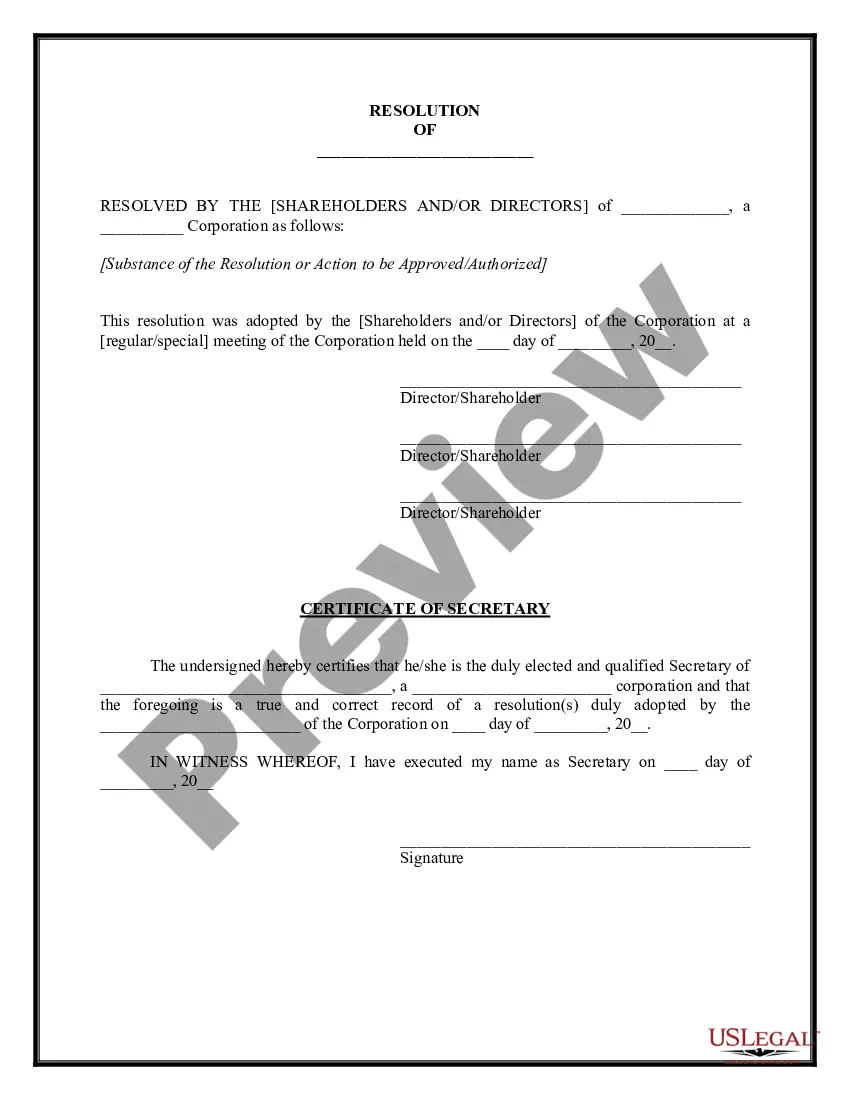
Example Of Completion Report In Hennepin
Description
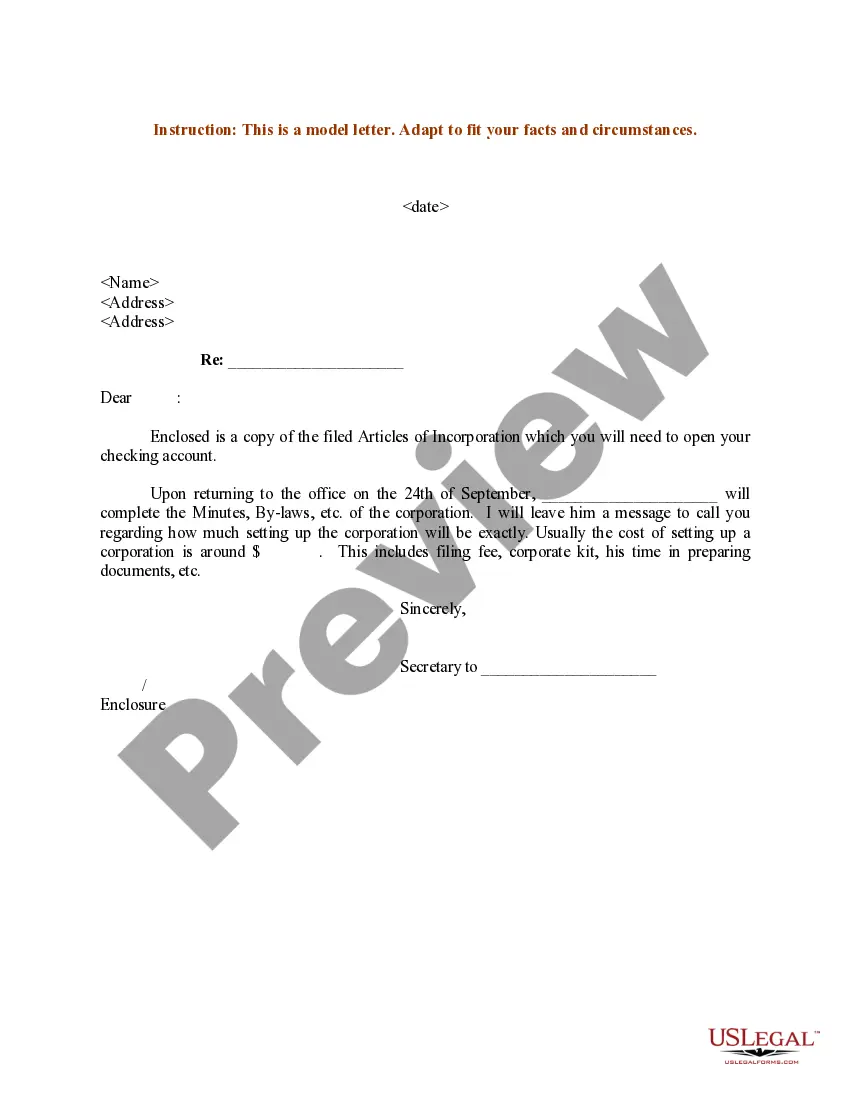
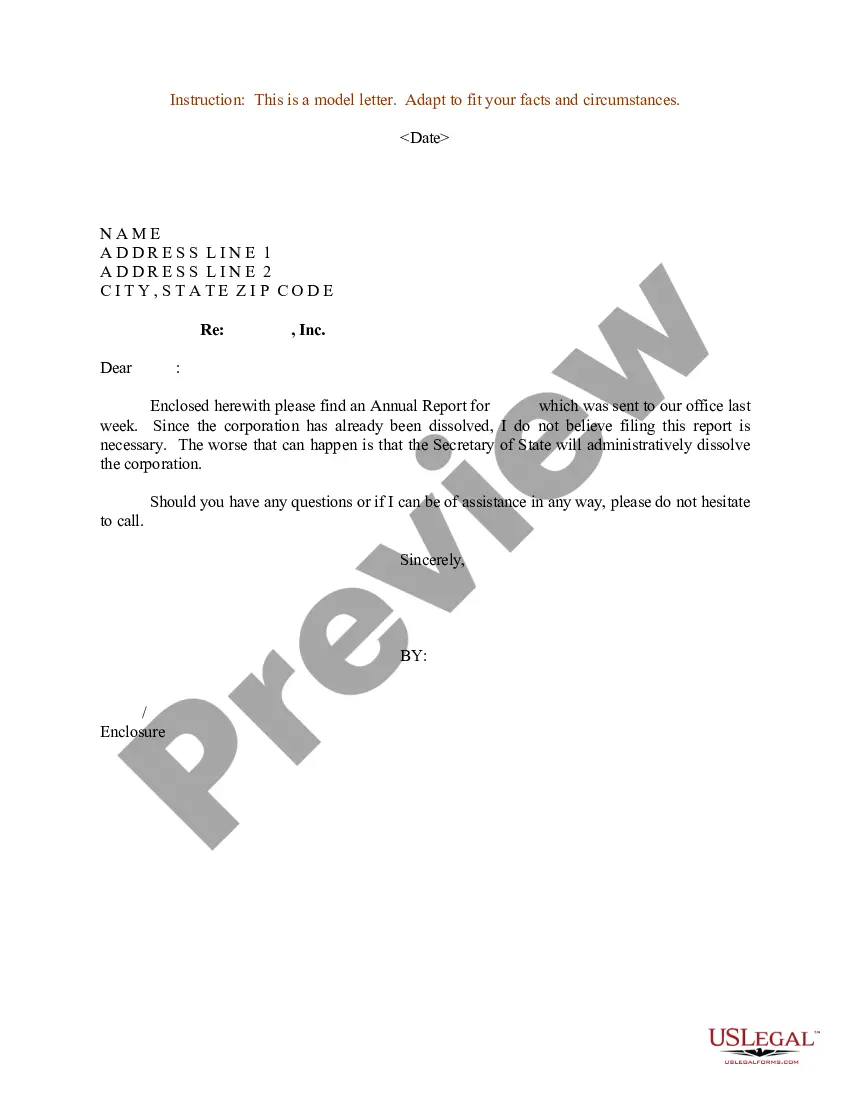
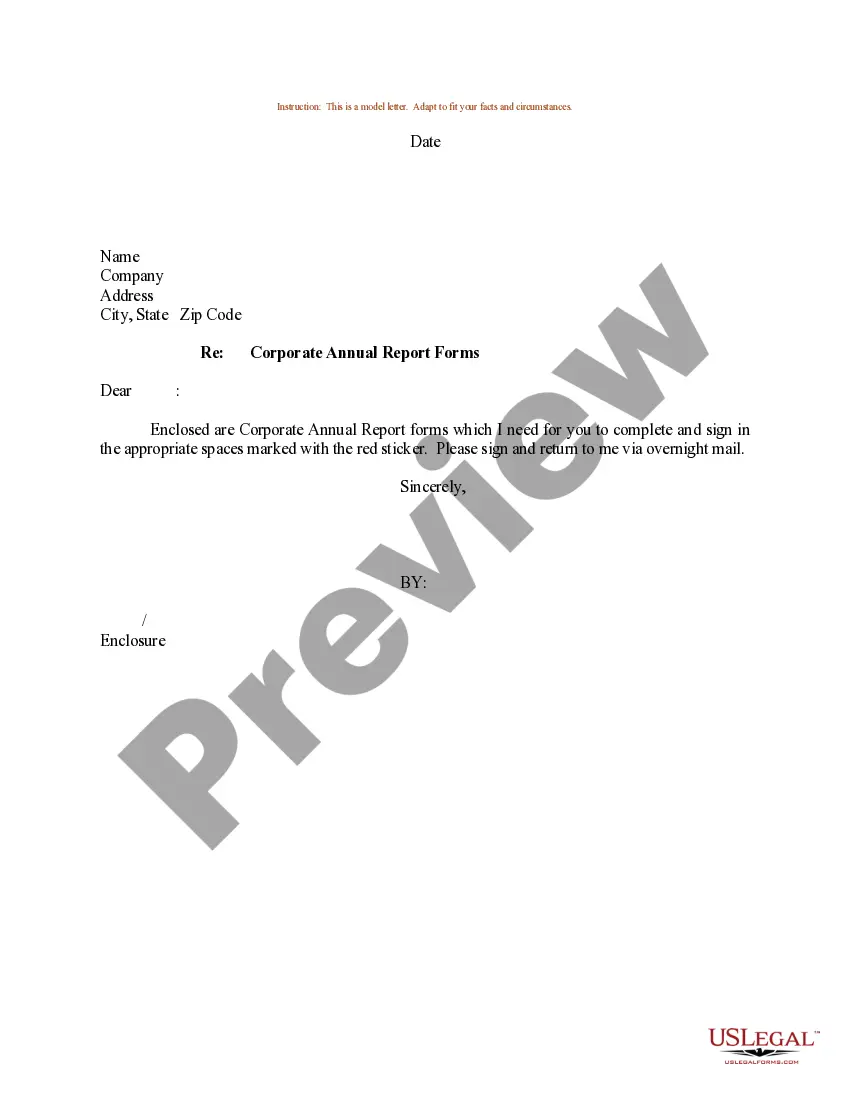
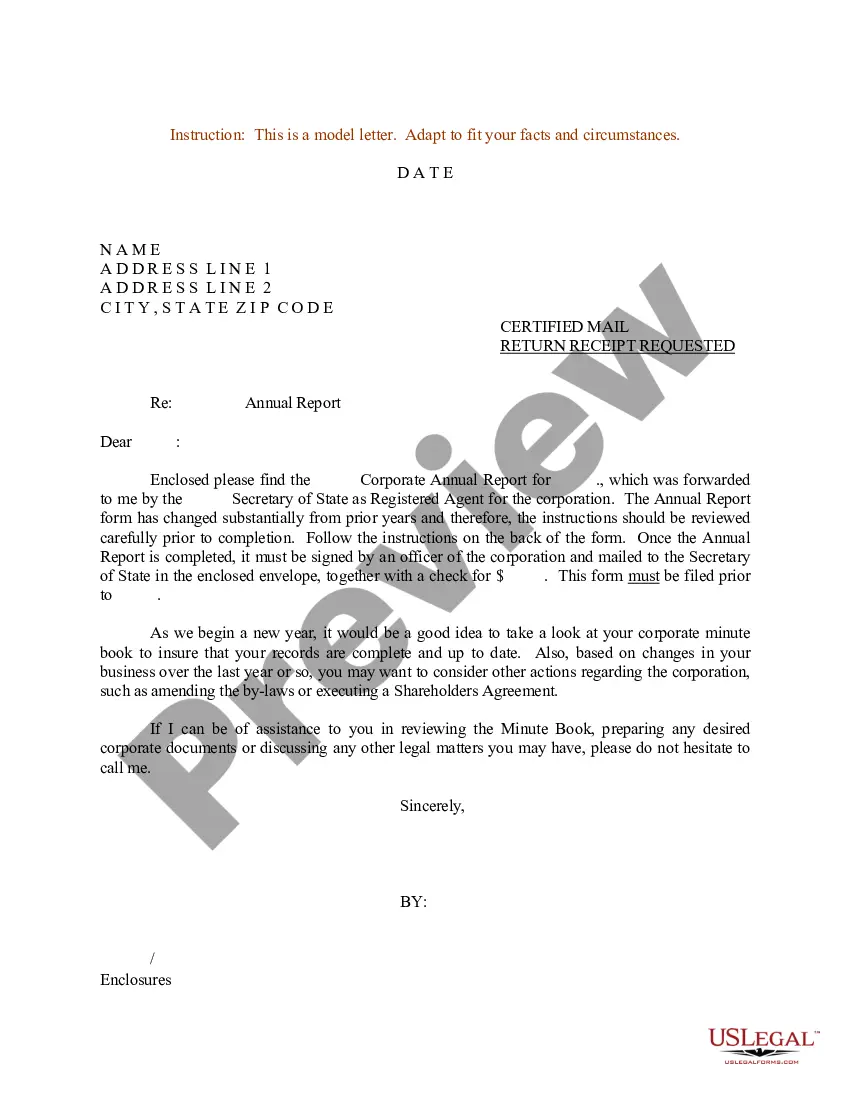
Get your form ready online
Our built-in tools help you complete, sign, share, and store your documents in one place.
Make edits, fill in missing information, and update formatting in US Legal Forms—just like you would in MS Word.
Download a copy, print it, send it by email, or mail it via USPS—whatever works best for your next step.
Sign and collect signatures with our SignNow integration. Send to multiple recipients, set reminders, and more. Go Premium to unlock E-Sign.
If this form requires notarization, complete it online through a secure video call—no need to meet a notary in person or wait for an appointment.
We protect your documents and personal data by following strict security and privacy standards.

Make edits, fill in missing information, and update formatting in US Legal Forms—just like you would in MS Word.

Download a copy, print it, send it by email, or mail it via USPS—whatever works best for your next step.

Sign and collect signatures with our SignNow integration. Send to multiple recipients, set reminders, and more. Go Premium to unlock E-Sign.

If this form requires notarization, complete it online through a secure video call—no need to meet a notary in person or wait for an appointment.

We protect your documents and personal data by following strict security and privacy standards.
Looking for another form?








Form popularity
FAQ
How to File a Quitclaim Deed in Minnesota Step 1: Locate the Current Property Deed. Step 2: Find the Property's Legal Description. Step 3: Complete the Quitclaim Form. Step 4: Complete Disclosures. Step 5: Sign Before a Notary. Step 6: File the Deed With the County Recorder's Office.
Per Minn. Stat. § 507.24. 2, a quitclaim deed must include the original signature of the grantor and an acknowledgment from a notary or other approved officer under Minn.
Depending on your familiarity with the topic and the challenges you encounter along the way, you may need to rearrange these steps. Step 1: Identify and develop your topic. Step 2 : Do a preliminary search for information. Step 3: Locate materials. Step 4: Evaluate your sources. Step 5: Make notes. Step 6: Write your paper.
A complete research paper in APA style that is reporting on experimental research will typically contain a Title page, Abstract, Introduction, Methods, Results, Discussion, and References sections. Many will also contain Figures and Tables and some will have an Appendix or Appendices.
There are five MAJOR parts of a Research Report: Introduction. Review of Literature. Methods. Results. Discussion.
Depending on your familiarity with the topic and the challenges you encounter along the way, you may need to rearrange these steps. Step 1: Identify and develop your topic. Step 2 : Do a preliminary search for information. Step 3: Locate materials. Step 4: Evaluate your sources. Step 5: Make notes. Step 6: Write your paper.
The key steps for writing a report are 1) selecting a topic, 2) conducting research, 3) creating a thesis statement, 4) preparing an outline, 5) drafting the report, 6) revising the content, and 7) proofreading for final touches.
1 Task Definition. 1.1 Define the information problem: Shape and redefine the research requirements. 2 Information-Seeking Strategies. 2.1 Brainstorm the range of possible sources: In the college environment, we call this a literature review. 3 Location and Access. 4 Use of Information. 5 Synthesis. 6 Evaluation.
Research Process Steps Step 1: Identify the Problem. Finding an issue or formulating a research question is the first step. Step 2: Evaluate the Literature. Step 3: Create Hypotheses. Step 4: The Research Design. Step 5: Describe Population. Step 6: Data Collection. Step 7: Data Analysis. Step 8: The Report-writing.
GUIDELINES FOR PREPARING A RESEARCH REPORT. Organization of the Research Report. Title and Title Page. Abstract. "A good introduction is a clear statement of the problem or project and why you are studying it." (The ACS Style Guide. Experimental Details or Theoretical Analysis. Results. Discussion.