Completion Report For Construction Project In Arizona
Description
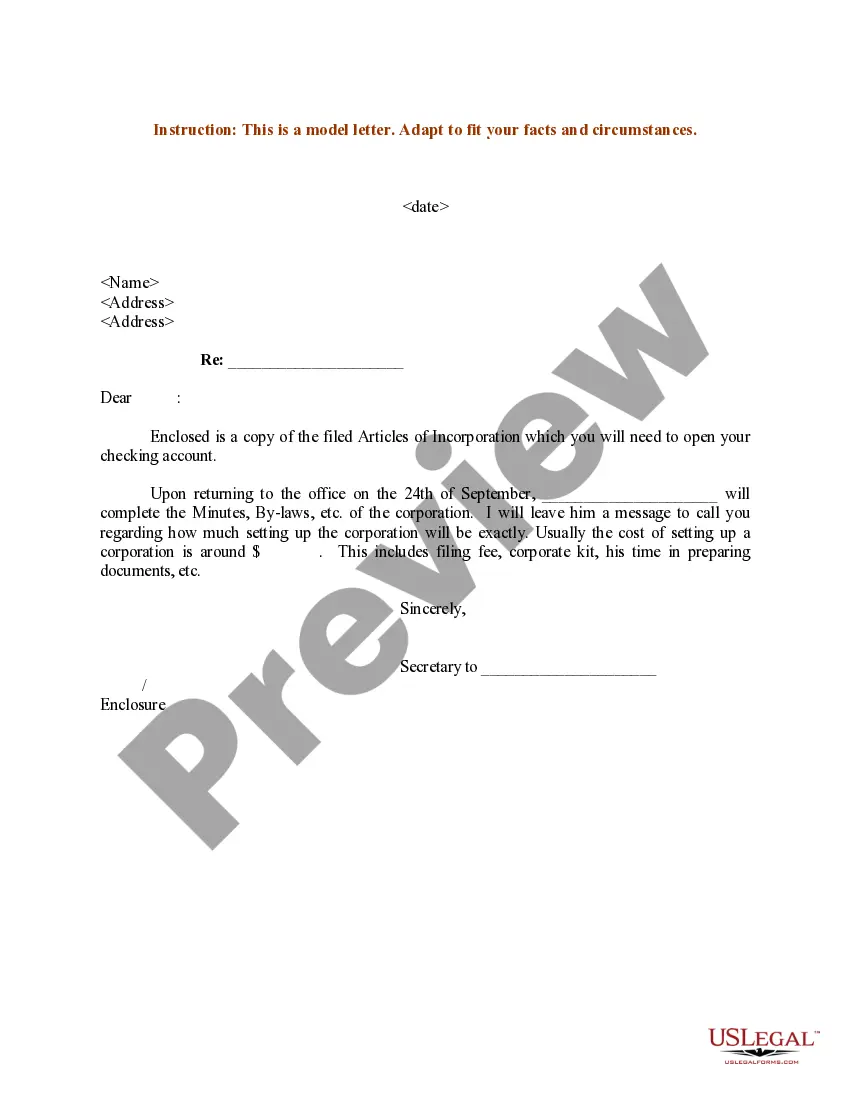
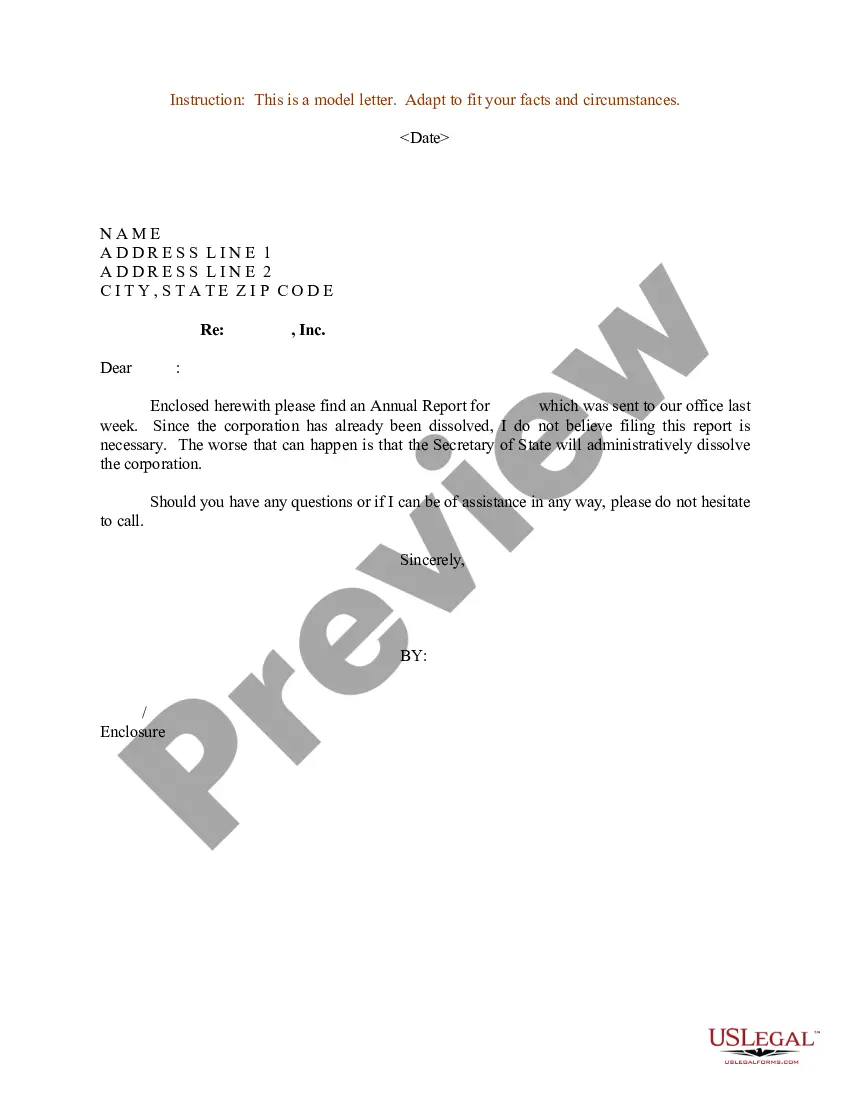
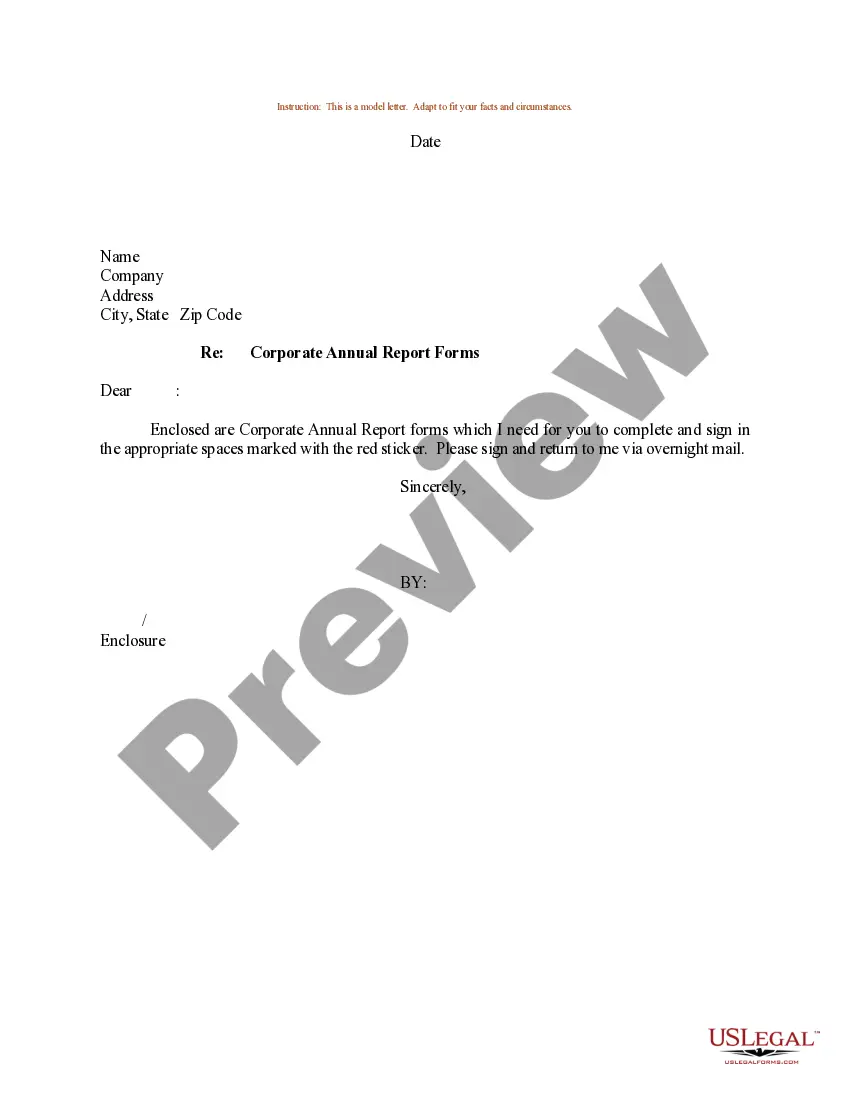
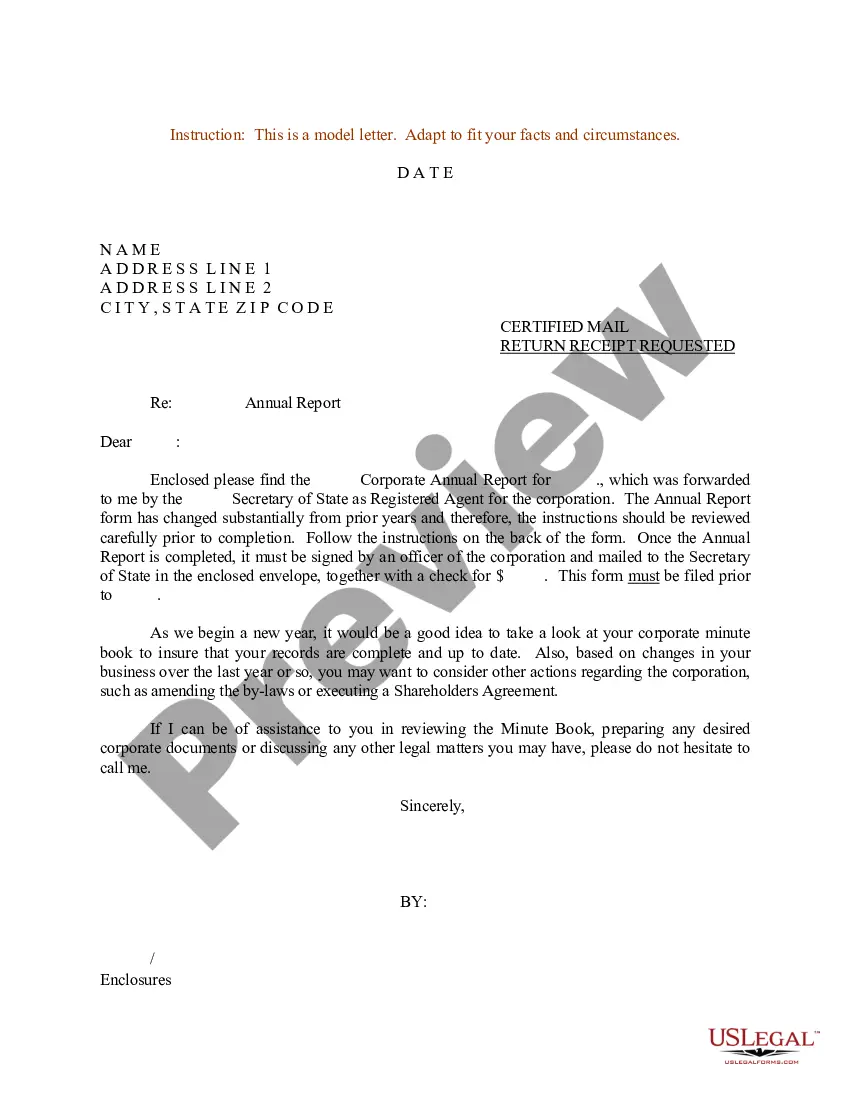
Get your form ready online
Our built-in tools help you complete, sign, share, and store your documents in one place.
Make edits, fill in missing information, and update formatting in US Legal Forms—just like you would in MS Word.
Download a copy, print it, send it by email, or mail it via USPS—whatever works best for your next step.
Sign and collect signatures with our SignNow integration. Send to multiple recipients, set reminders, and more. Go Premium to unlock E-Sign.
If this form requires notarization, complete it online through a secure video call—no need to meet a notary in person or wait for an appointment.
We protect your documents and personal data by following strict security and privacy standards.

Make edits, fill in missing information, and update formatting in US Legal Forms—just like you would in MS Word.

Download a copy, print it, send it by email, or mail it via USPS—whatever works best for your next step.

Sign and collect signatures with our SignNow integration. Send to multiple recipients, set reminders, and more. Go Premium to unlock E-Sign.

If this form requires notarization, complete it online through a secure video call—no need to meet a notary in person or wait for an appointment.

We protect your documents and personal data by following strict security and privacy standards.
Looking for another form?







Form popularity
FAQ
Right to Repair is simple. It requires manufacturers to provide owners and independent repair businesses with fair access to service information and affordable replacement parts. So you can fix the stuff you own quickly—and get back on with your life.
When plaintiffs allege construction defect claims, they often claim that the contract between the builder and the purchaser has been breached. The breach of contract action may be maintained in Arizona subject to an 8-year statute of repose. A.R.S. § 12-552.
The primary cause of action used in residential construction defect cases is a breach of the implied warranty of habitability. This cause of action allows a homeowner to sue the builder or vendor for construction defects for up to eight years (nine years if the defect is found in the eighth year).
How long is a contractor liable for work in Arizona? In Arizona, contractors are liable for their work for up to eight years from the project's completion date. The statute of limitations for filing a claim against a contractor in Arizona is two years from the discovery of the defect.
A final report is prepared by the contract administrator at the end at the end of the defects liability period once all defects have been rectified. The final report should provide a summary of activities during the construction phase, describing: The works that have been completed.
How long is a contractor liable for work in Arizona? In Arizona, contractors are liable for their work for up to eight years from the project's completion date. The statute of limitations for filing a claim against a contractor in Arizona is two years from the discovery of the defect.
Typically, a defects liability period (DLP) is 12 months from the date of practical completion. In some construction contracts, where a particular defect has been rectified within the DLP, a new DLP for that item will start from the time of the repair and continue for the same period as the original DLP.
You'll find this law spelled out at Arizona Revised Statutes section 12-542. The statute of limitations "clock" starts running on the day the property damage occurs. That means an Arizona property owner has two years from that date to get any civil lawsuit filed against the person who caused the damage or destruction.
Just because the ad says it does NOT mean it's true! An unlicensed entity may be a company or individual. To be a contractor in Arizona, an entity must be licensed.

