Sample Letter Engagement Draft For Monthly Accounting Services In Suffolk
Description
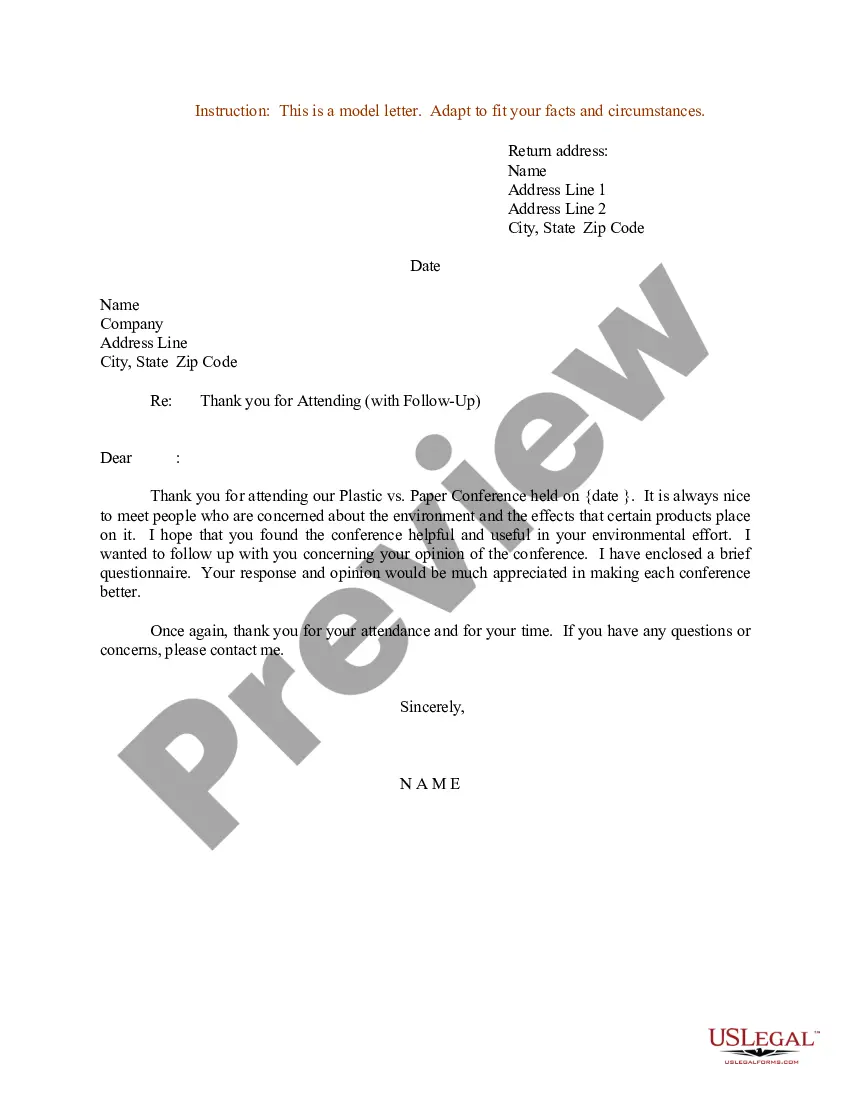
Get your form ready online
Our built-in tools help you complete, sign, share, and store your documents in one place.
Make edits, fill in missing information, and update formatting in US Legal Forms—just like you would in MS Word.
Download a copy, print it, send it by email, or mail it via USPS—whatever works best for your next step.
Sign and collect signatures with our SignNow integration. Send to multiple recipients, set reminders, and more. Go Premium to unlock E-Sign.
If this form requires notarization, complete it online through a secure video call—no need to meet a notary in person or wait for an appointment.
We protect your documents and personal data by following strict security and privacy standards.

Make edits, fill in missing information, and update formatting in US Legal Forms—just like you would in MS Word.

Download a copy, print it, send it by email, or mail it via USPS—whatever works best for your next step.

Sign and collect signatures with our SignNow integration. Send to multiple recipients, set reminders, and more. Go Premium to unlock E-Sign.

If this form requires notarization, complete it online through a secure video call—no need to meet a notary in person or wait for an appointment.

We protect your documents and personal data by following strict security and privacy standards.
Looking for another form?









Form popularity
FAQ
Engagement letters are important because they outline the expectations and responsibilities of both the bookkeeper and the client. They also help protect both parties in case of any disputes or misunderstandings, especially involving the scope of work to be completed.
Engagement letters are a daily requirement in fields like law, accounting, and consulting. They serve as a formal agreement outlining the scope of work, terms, and conditions between a professional and their client. If you haven't drafted one already, chances are you'll need to in the future.
Your proposal should be simply written and to the point. While it should emphasize your strengths and the upside, it's important to recognize the risks and the downside. This allows you to demonstrate that you understand the risks and know how to cope with them.
Every accounting firm needs to learn how to create an effective proposal. It's an essential skill. The key is to include the essential components in your proposal, from a professional cover page to a compelling call to action, ensuring you address all aspects of the potential engagement.
Here are some of the best accounting projects to take your accounting skills to the next level. Create a Financial Statement using Microsoft Excel. Construct Stock Market Indices. Profit Analysis using Economic Value Added. Getting Started with Microsoft Excel. Create a Mortgage Calculator in Excel.
We are pleased to accept the instruction to act as your bookkeeper/accountant and we are writing to confirm the terms of our appointment. The purpose of this letter is to set out our terms for carrying out the work and to clarify our respective responsibilities.
Steps to take when writing your accounting services proposal (and key elements to include) Learn about your client's needs. Define the scope of your services. Share your solutions-based approach. Select and include case studies and success stories. Present your qualifications and experience.
How to write a proposal letter Introduce yourself and provide background information. State your purpose for the proposal. Define your goals and objectives. Highlight what sets you apart. Briefly discuss the budget and how funds will be used. Finish with a call to action and request a follow-up.
(drɑːft ˈlɛtə ) noun. the first version of a letter.

