Letter Engagement Statement Format Icai In Sacramento
Description
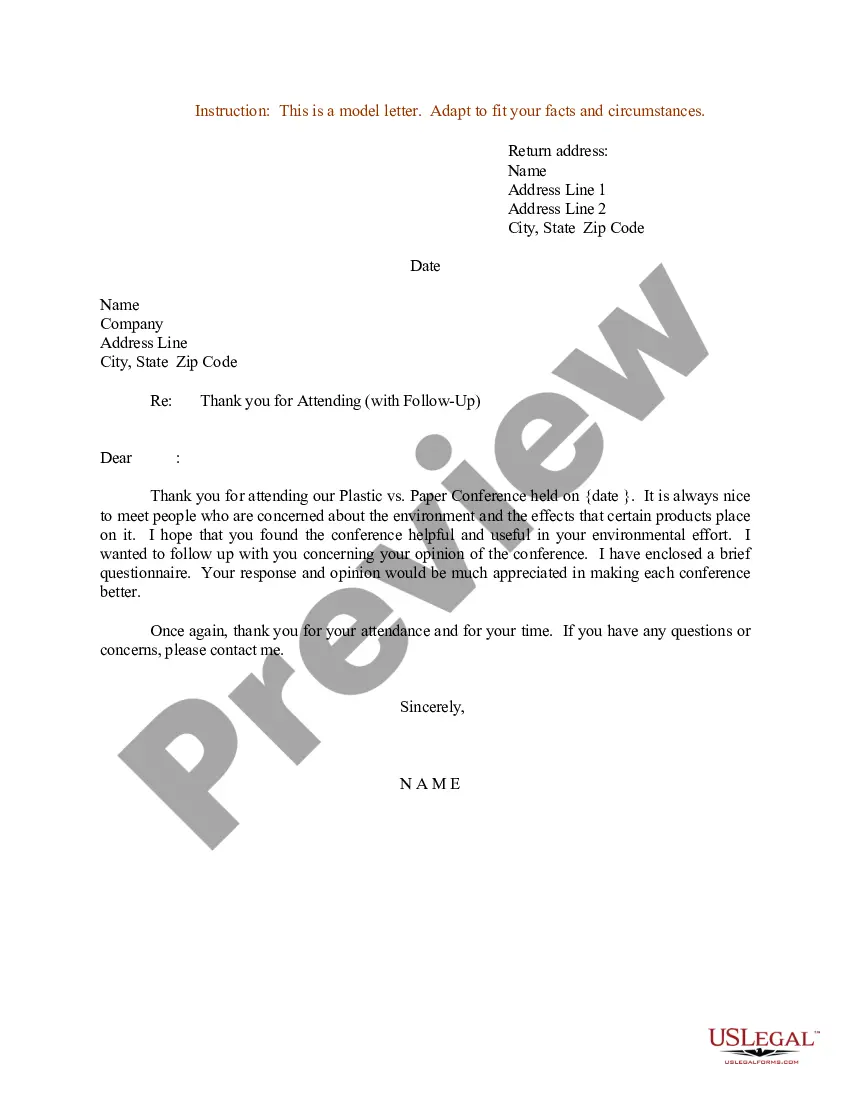
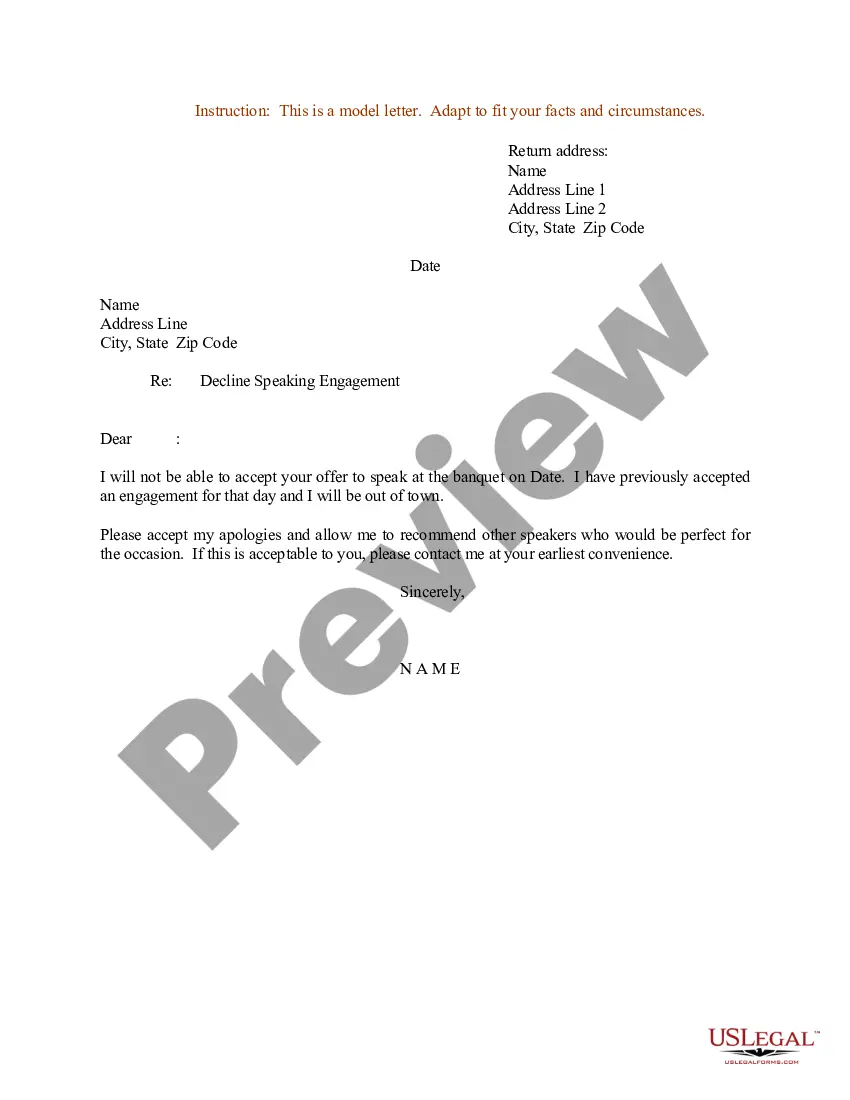
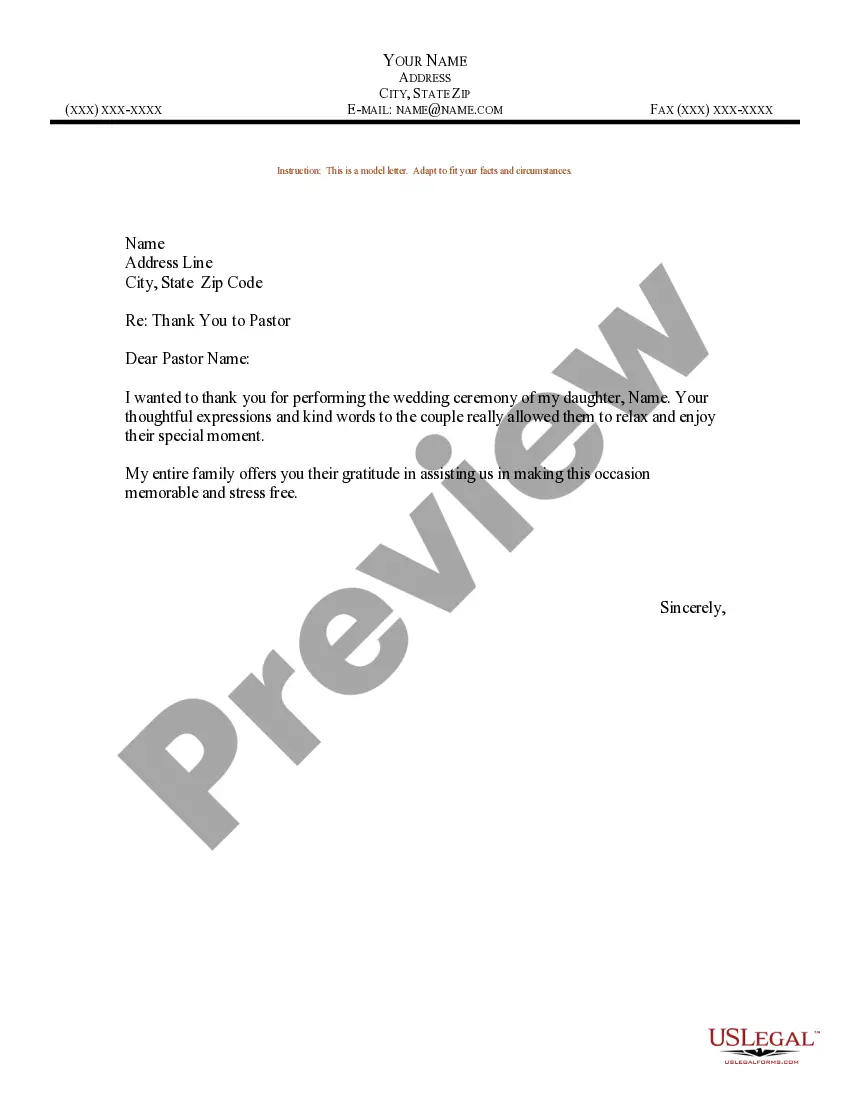
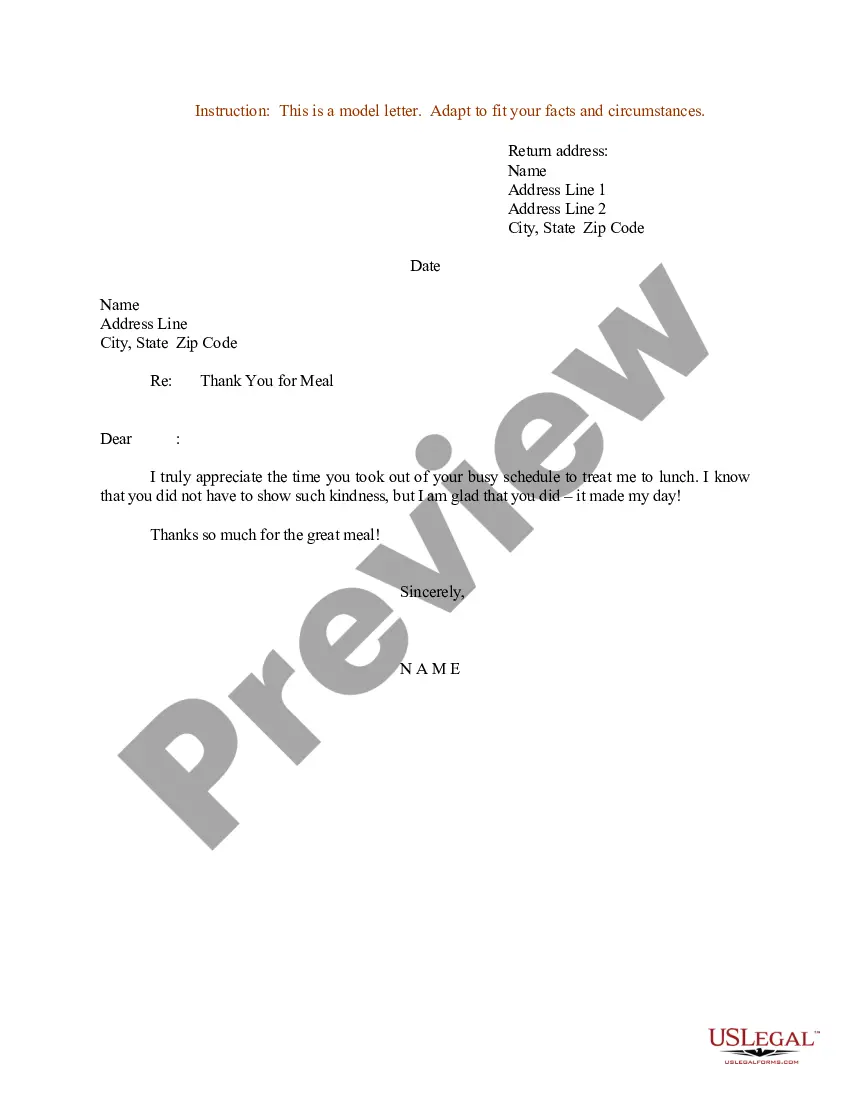
Get your form ready online
Our built-in tools help you complete, sign, share, and store your documents in one place.
Make edits, fill in missing information, and update formatting in US Legal Forms—just like you would in MS Word.
Download a copy, print it, send it by email, or mail it via USPS—whatever works best for your next step.
Sign and collect signatures with our SignNow integration. Send to multiple recipients, set reminders, and more. Go Premium to unlock E-Sign.
If this form requires notarization, complete it online through a secure video call—no need to meet a notary in person or wait for an appointment.
We protect your documents and personal data by following strict security and privacy standards.

Make edits, fill in missing information, and update formatting in US Legal Forms—just like you would in MS Word.

Download a copy, print it, send it by email, or mail it via USPS—whatever works best for your next step.

Sign and collect signatures with our SignNow integration. Send to multiple recipients, set reminders, and more. Go Premium to unlock E-Sign.

If this form requires notarization, complete it online through a secure video call—no need to meet a notary in person or wait for an appointment.

We protect your documents and personal data by following strict security and privacy standards.
Looking for another form?









Form popularity
FAQ
An engagement letter is a written agreement that describes the business relationship to be entered into by a client and a company. The letter details the scope of the agreement, its terms, and costs. The purpose of an engagement letter is to set expectations on both sides of the agreement.
An engagement letter protects the firm by provide a record of the contract between your firm and the client, and minimises the risk of any future misunderstandings between the parties. Information on the best ways to develop relationships with your clients.
The service provider typically prepares the Letter of Engagement, be it a law firm, accounting agency, consultancy, or any professional offering services.
To help you protect yourself and mitigate risk, these eight critical elements should be included in every engagement letter. CLIENT NAME. SCOPE OF SERVICES. CPA FIRM RESPONSIBILITIES. CLIENT RESPONSIBILITIES. DELIVERABLES. ENGAGEMENT TIMING. TERMINATION AND WITHDRAWAL. BILLING AND FEES.
Standard on Related Services (SRS) 4400, “Engagements to Perform Agreed-upon Procedures regarding Financial Information” should be read in the context of the “Preface to the Standards on Quality Control, Auditing, Review, Other Assurance and Related Services”1, which sets out the authority of the Engagement Standards.
The auditor may decide not to send a new engagement letter each period. However, the following factors may make it appropriate to send a new letter: Any indication that the client misunderstands the objective and scope of the audit. Any revised or special terms of the engagement.
Standard on Related Services (SRS) 4400, “Engagements to Perform Agreed-upon Procedures regarding Financial Information” should be read in the context of the “Preface to the Standards on Quality Control, Auditing, Review, Other Assurance and Related Services”1, which sets out the authority of the Engagement Standards.
The following is the text of the Standard on Internal Audit (SIA) 1, “Planning an Internal Audit”, issued by the Council of the Institute of Chartered Accountants of India.
Storage and retrieval systems (SRS) are essential for efficient and effective warehouse operations.

