Sample Abstract For Speaking Engagement In Palm Beach
Description
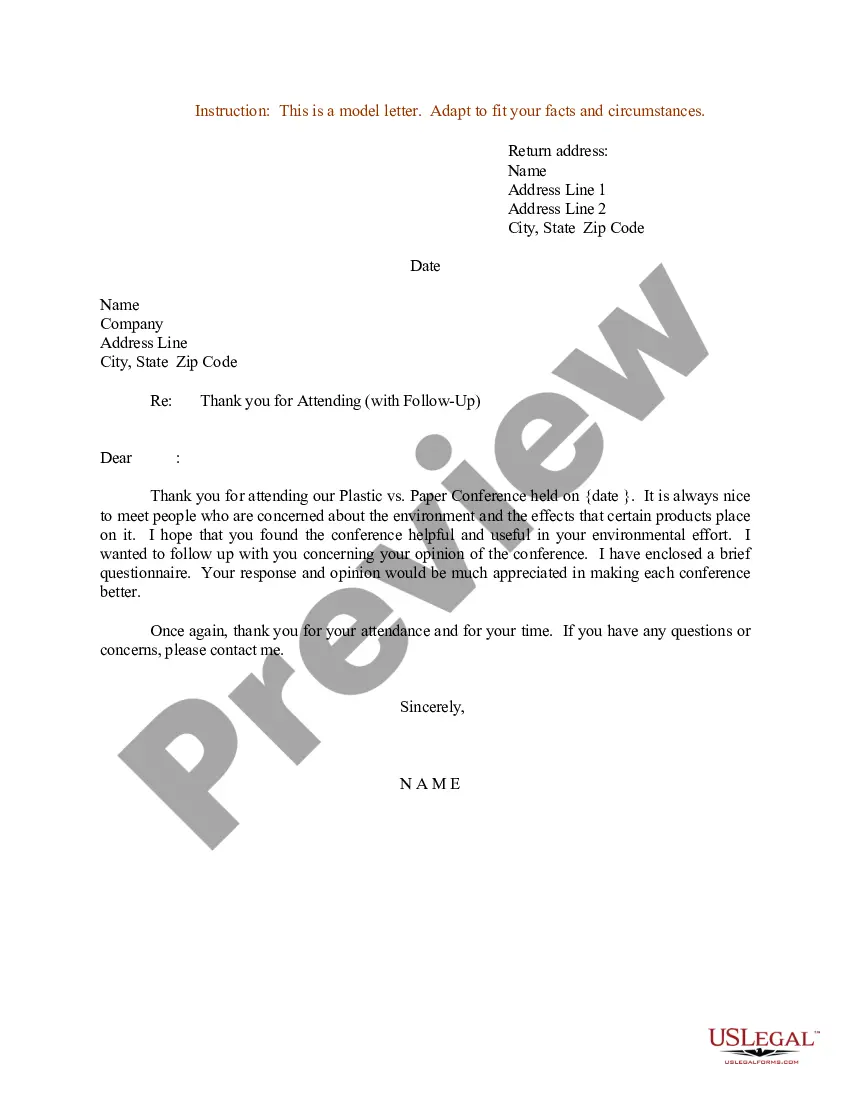
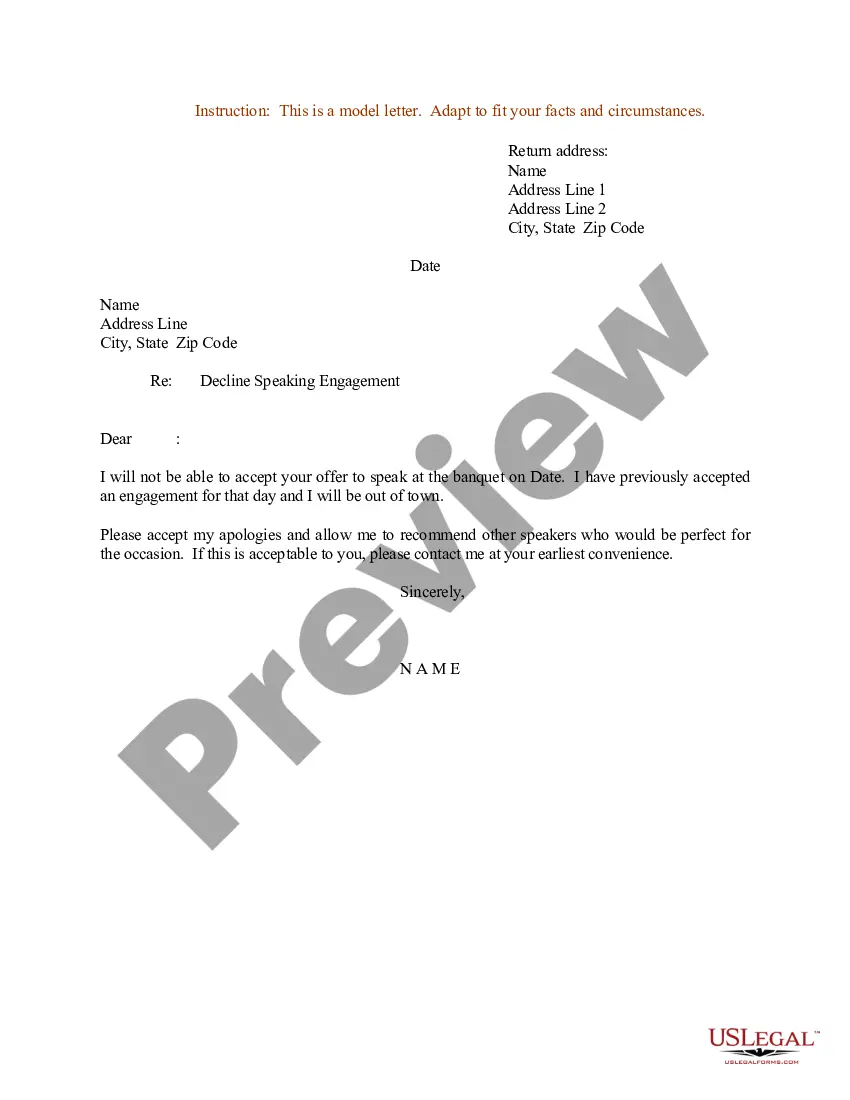
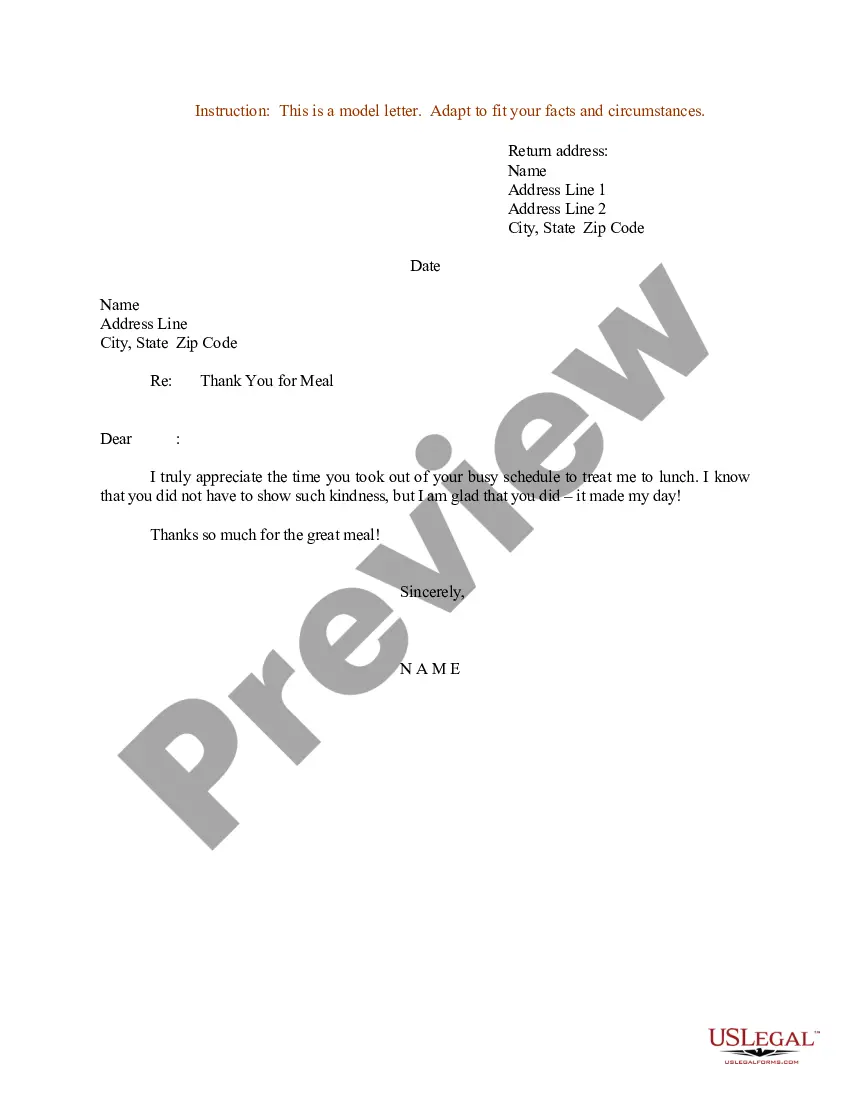
Get your form ready online
Our built-in tools help you complete, sign, share, and store your documents in one place.
Make edits, fill in missing information, and update formatting in US Legal Forms—just like you would in MS Word.
Download a copy, print it, send it by email, or mail it via USPS—whatever works best for your next step.
Sign and collect signatures with our SignNow integration. Send to multiple recipients, set reminders, and more. Go Premium to unlock E-Sign.
If this form requires notarization, complete it online through a secure video call—no need to meet a notary in person or wait for an appointment.
We protect your documents and personal data by following strict security and privacy standards.

Make edits, fill in missing information, and update formatting in US Legal Forms—just like you would in MS Word.

Download a copy, print it, send it by email, or mail it via USPS—whatever works best for your next step.

Sign and collect signatures with our SignNow integration. Send to multiple recipients, set reminders, and more. Go Premium to unlock E-Sign.

If this form requires notarization, complete it online through a secure video call—no need to meet a notary in person or wait for an appointment.

We protect your documents and personal data by following strict security and privacy standards.
Looking for another form?





Form popularity
FAQ
Keynote speech abstract provides a brief summary about the keynote presentation and may include a short professional biography. Only keynote abstracts submitted in English will be reviewed. All abbreviations should be spelled out on first use. Authors should not include references or figures in the abstract.
Write a clear and concise introduction that provides the context and motivation for your session. Explain why your topic is important, relevant and timely for your audience and the conference. Highlight the problem or challenge that you are addressing and the main question or goal that you are pursuing.
Abstracts generally contain four main elements: Purpose: Clearly define the purpose and importance of your research. Methodology: State the research methods used to answer your question. Results: Summarize the main research results. Conclusion: What are the implications of your research?
Be Concise: Aim for clarity and brevity. Most abstracts are typically 150-300 words. Use Clear Language: Avoid jargon and complex sentences. Make it accessible to a broad audience. Focus on Key Points: Emphasize the most important aspects of your research. Stay Objective: Present your findings without exaggeration.
The Five Step Process Step 1: A catchy title. Step 2: A snappy context sentence (or sentences) ... Step 3: Introduce your argument (don't just copy your thesis statement). Step 4: Add some sentences describing how you make your argument. Step 5: Show the conference organizers or editors that you're a pro.
“The abstract is a brief, clear summary of the information in your presentation. A well-prepared abstract enables readers to identify the basic content quickly and accurately, to determine its relevance to their interests or purpose and then to decide whether they want to listen to the presentation in its entirety.”
The best way to go about an abstract is to start with what you want the audience to take away from the session. From there, you can start summarizing what the speaker plans to say without giving too much away.

