Sample Bio For Speaking Engagement In Houston
Description
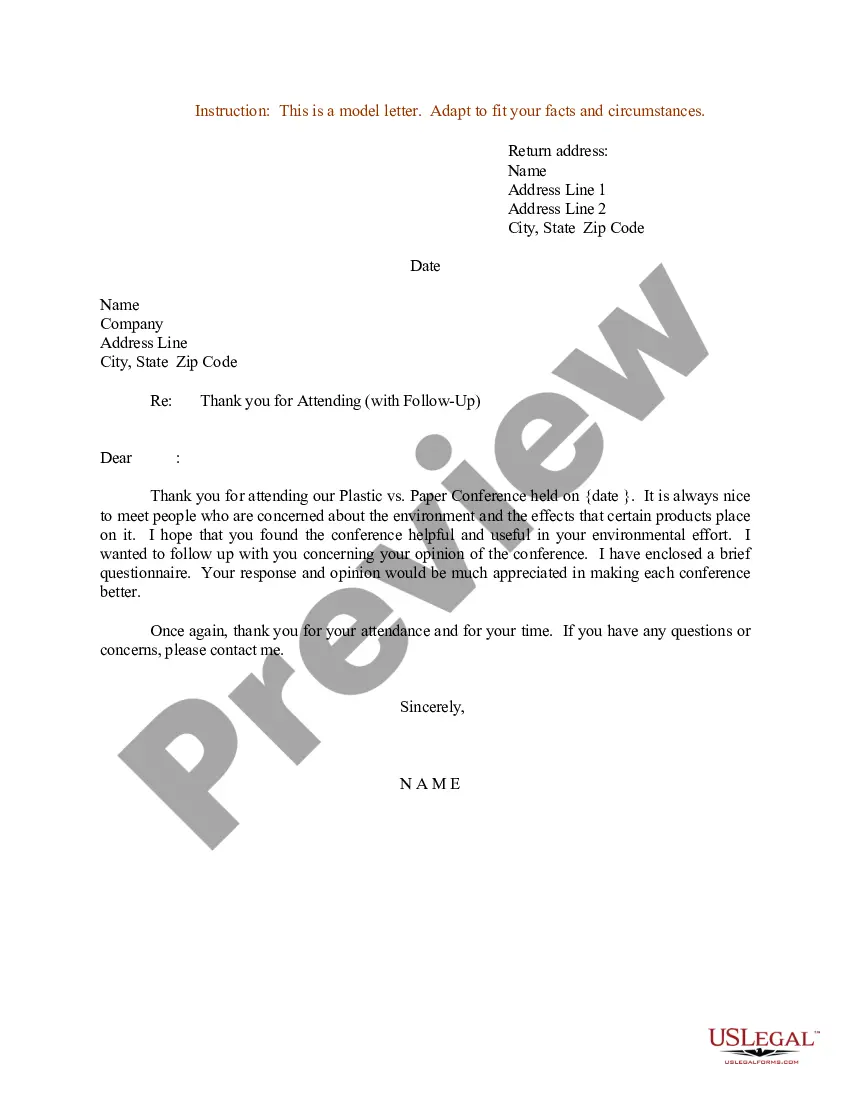
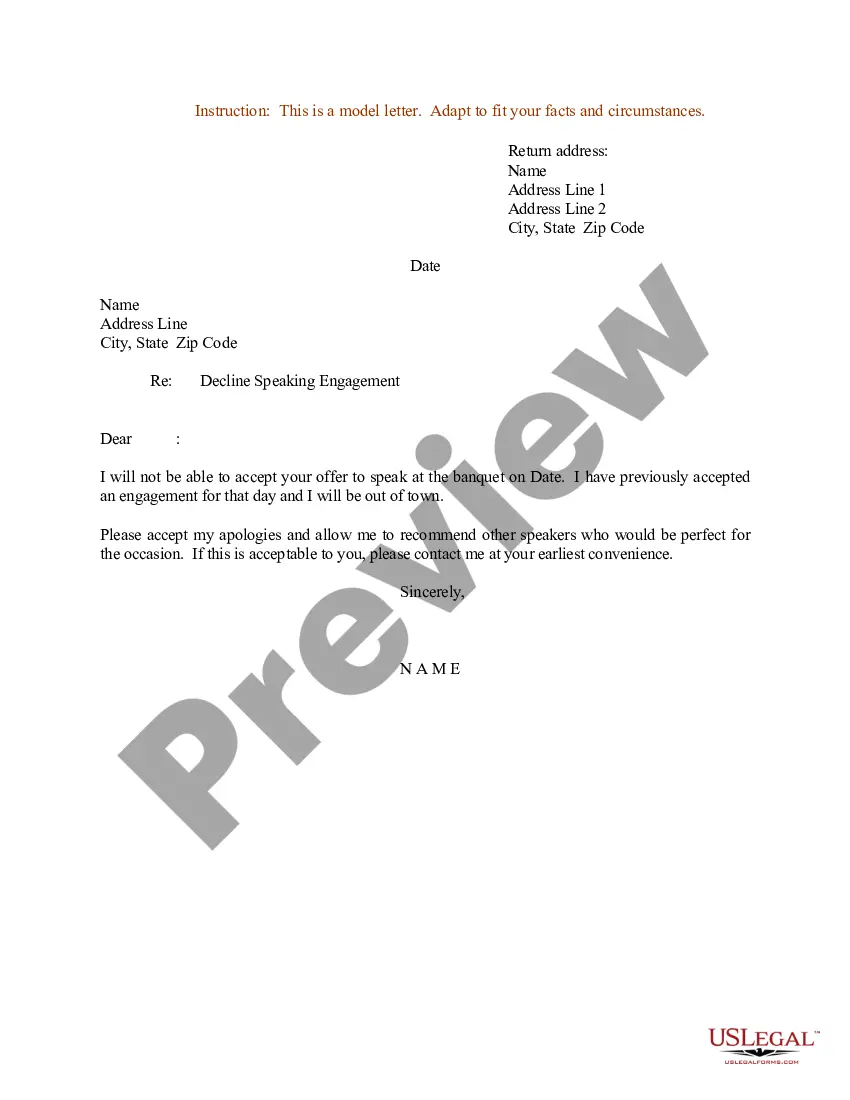
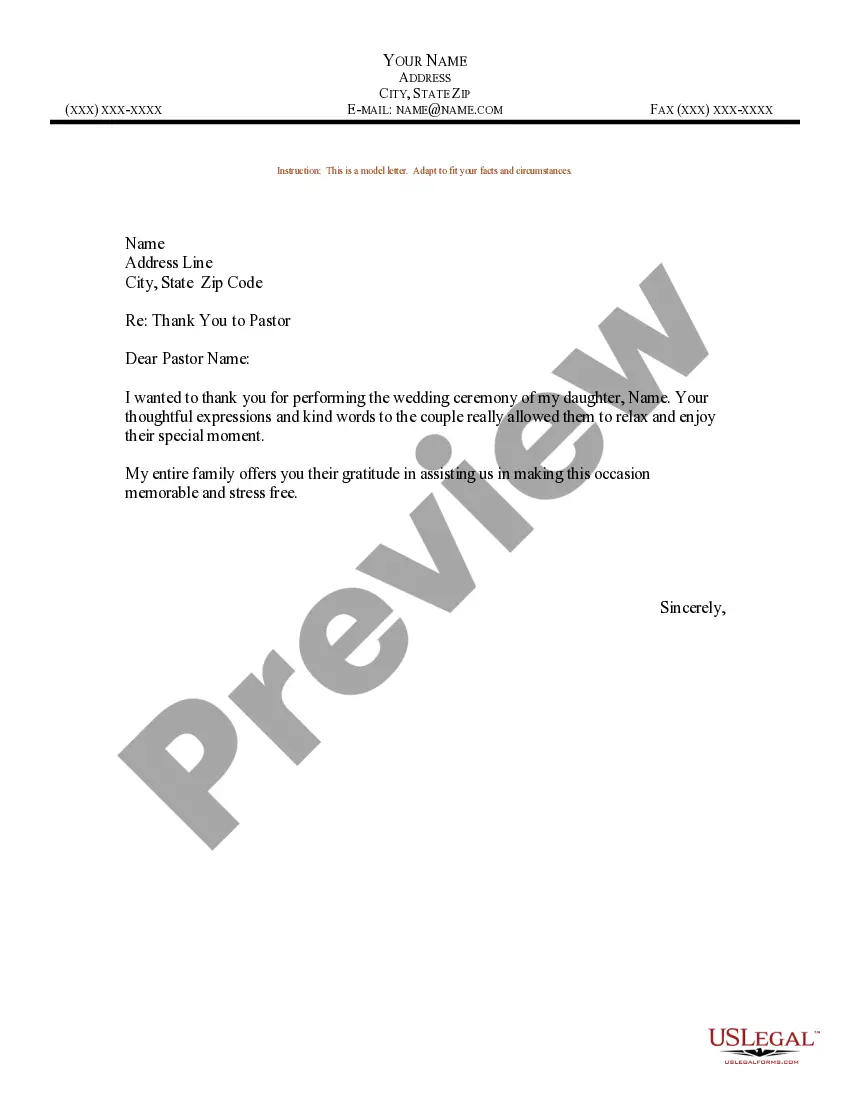
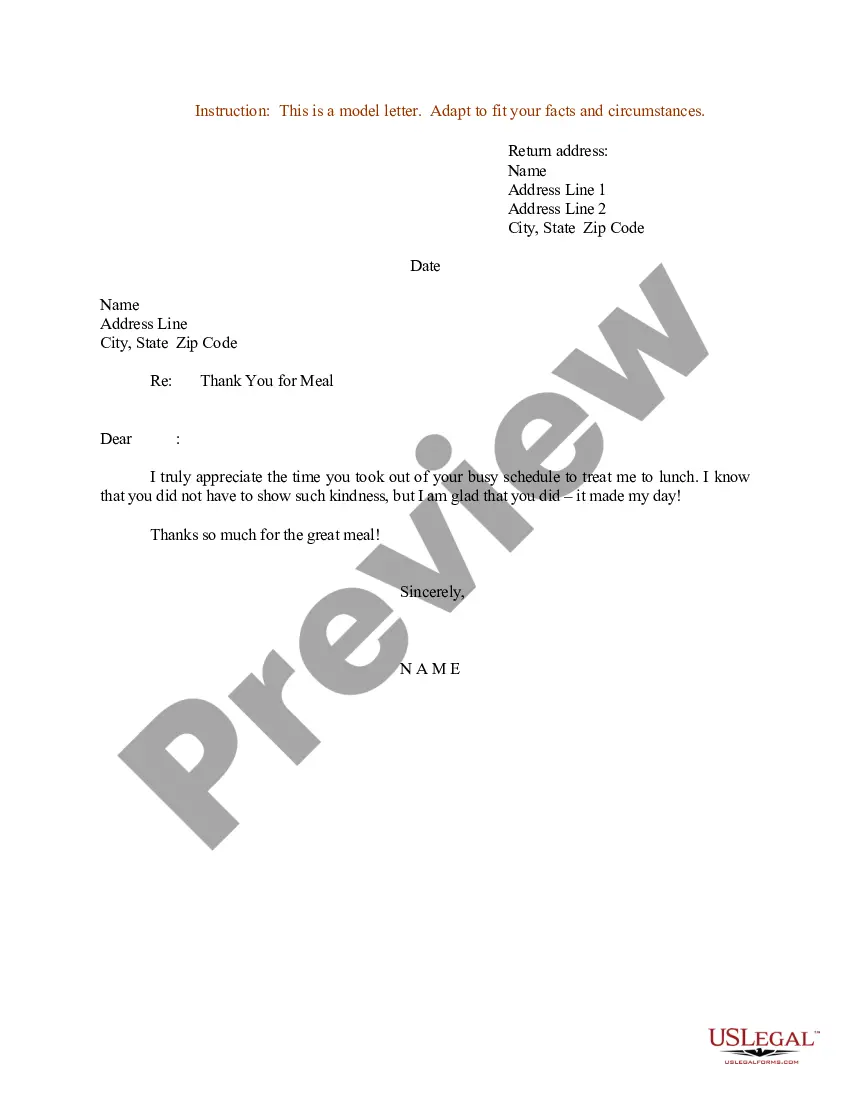
Get your form ready online
Our built-in tools help you complete, sign, share, and store your documents in one place.
Make edits, fill in missing information, and update formatting in US Legal Forms—just like you would in MS Word.
Download a copy, print it, send it by email, or mail it via USPS—whatever works best for your next step.
Sign and collect signatures with our SignNow integration. Send to multiple recipients, set reminders, and more. Go Premium to unlock E-Sign.
If this form requires notarization, complete it online through a secure video call—no need to meet a notary in person or wait for an appointment.
We protect your documents and personal data by following strict security and privacy standards.

Make edits, fill in missing information, and update formatting in US Legal Forms—just like you would in MS Word.

Download a copy, print it, send it by email, or mail it via USPS—whatever works best for your next step.

Sign and collect signatures with our SignNow integration. Send to multiple recipients, set reminders, and more. Go Premium to unlock E-Sign.

If this form requires notarization, complete it online through a secure video call—no need to meet a notary in person or wait for an appointment.

We protect your documents and personal data by following strict security and privacy standards.
Looking for another form?










Form popularity
FAQ
Provide a brief overview of your relevant experience, qualifications, or expertise related to the topic. Example: ``I have over (X years) of experience in (Your Field/Industry), focusing on (Specific Areas of Expertise).'' Explain what you will be discussing and why it's relevant to the audience.
A speaker profile template is a way to summarize your education, history, and experience to sell your speaking expertise. This is commonly used when you're pitching a conference or event.
The best speaker bios include the following elements: The speaker's name and title. Their current affiliation (e.g., CEO of Acme Corp.) Relevant experience and expertise. Accomplishments and achievements (e.g., awards or publications) Education and qualifications. Information about previous speaking engagements.
Include a brief story or journey that led you to where you are today. This can make your bio more relatable and memorable. Tailor your bio to fit the specific event you're speaking at. Highlight the aspects of your experience and expertise that are most relevant to the event's theme and audience.
There's no firm rule here, but keeping bios between 50 and 100 words is often ideal. You can also have both short-form and long-form versions. Short bios should be used in most places, while longer profiles can be posted on your event website or the speaker's portfolio.
The best speaker bios include the following elements: The speaker's name and title. Their current affiliation (e.g., CEO of Acme Corp.) Relevant experience and expertise. Accomplishments and achievements (e.g., awards or publications) Education and qualifications. Information about previous speaking engagements.
What is Short Bio of The Speaker? A short speaker bio is a brief overview of the speaker's professional and personal journey. A short bio is often added as a snippet on event management apps, seminar introductions, and event lists.
Effective speaker bios begin with a compelling opening line that grabs the reader's attention. At a high level, speaker bios should showcase the speaker's expertise, credentials, and achievements. They should also highlight relevant industry experience and accomplishments.
Similar to any other content. Take into account the target audience and the topic, choose a suitable style of explanation and fill the text with information and facts. Description content will be an excellent basis for an informational presentation.
Use the following questions as a guide: Summarize the main purpose of the lecture(s) with at least three specific facts/details that the guest speaker provided related to the main topic. Highlight a detail mentioned by the guest speaker that either interested or surprised you, AND explain why it did.

