Sample Letter To Request Speaking Engagement With Manager In Georgia
Description
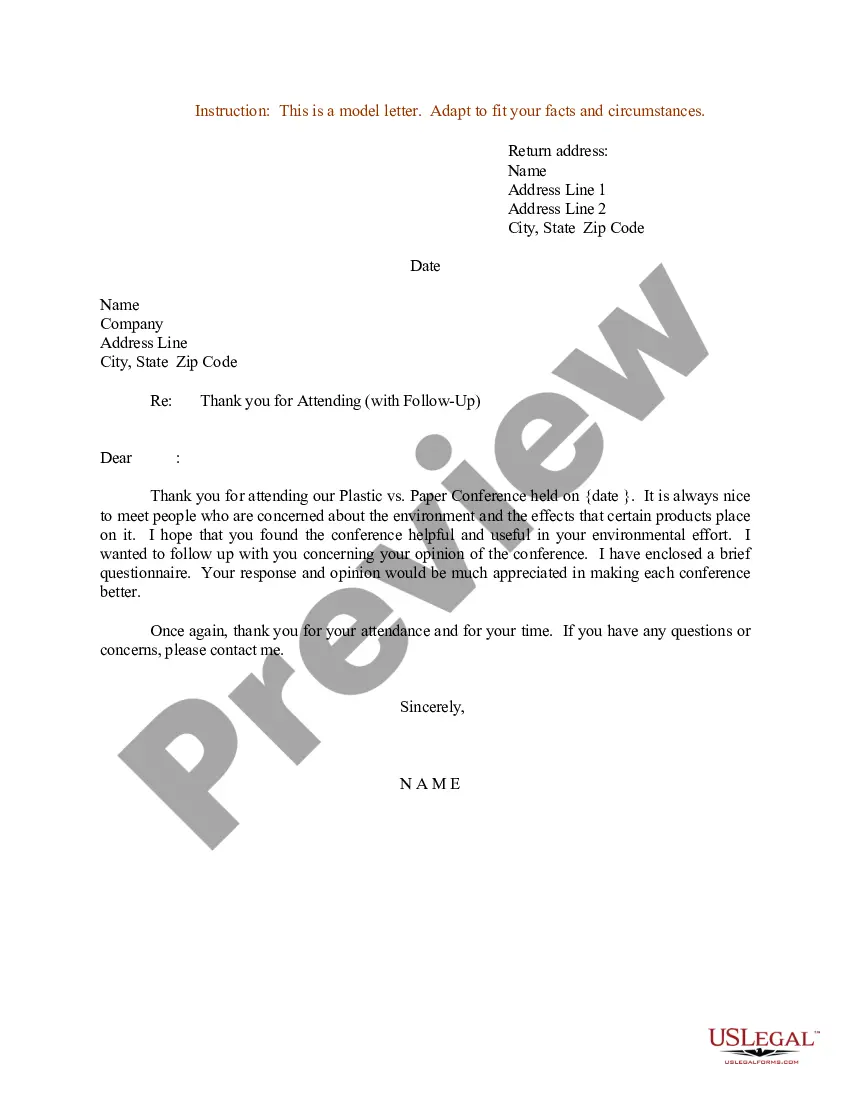
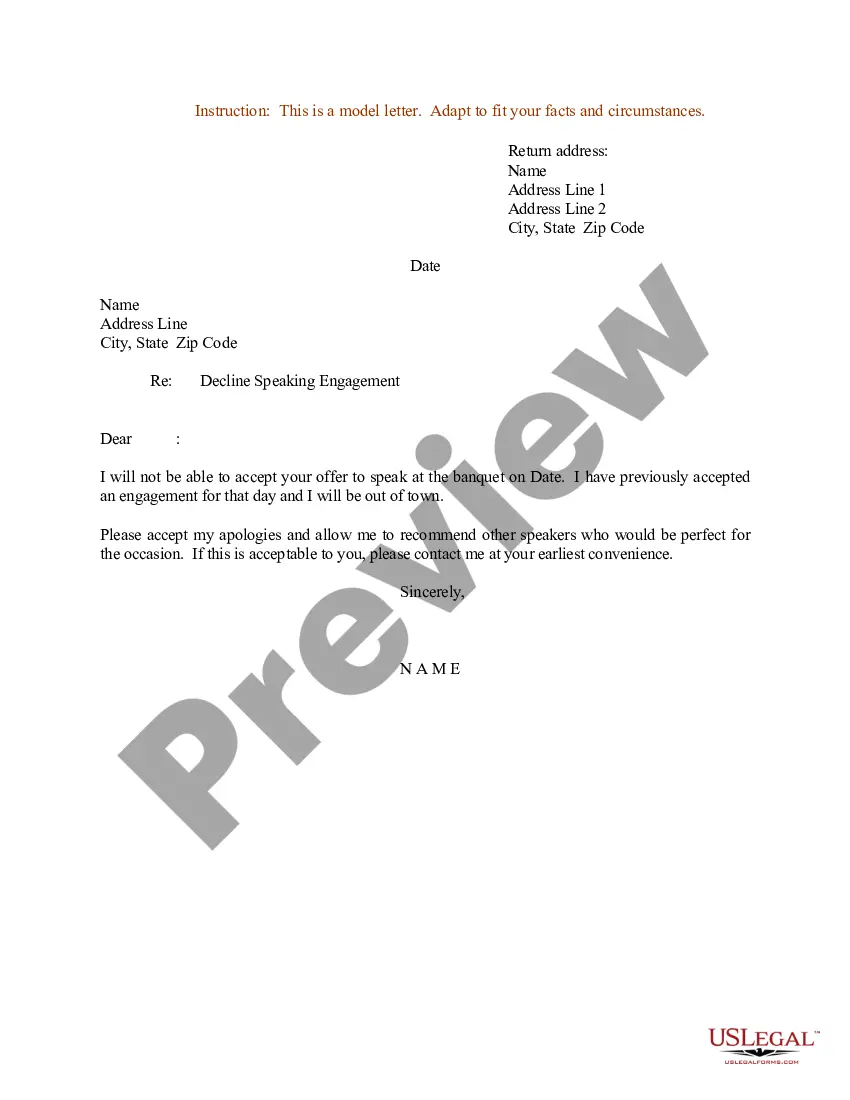
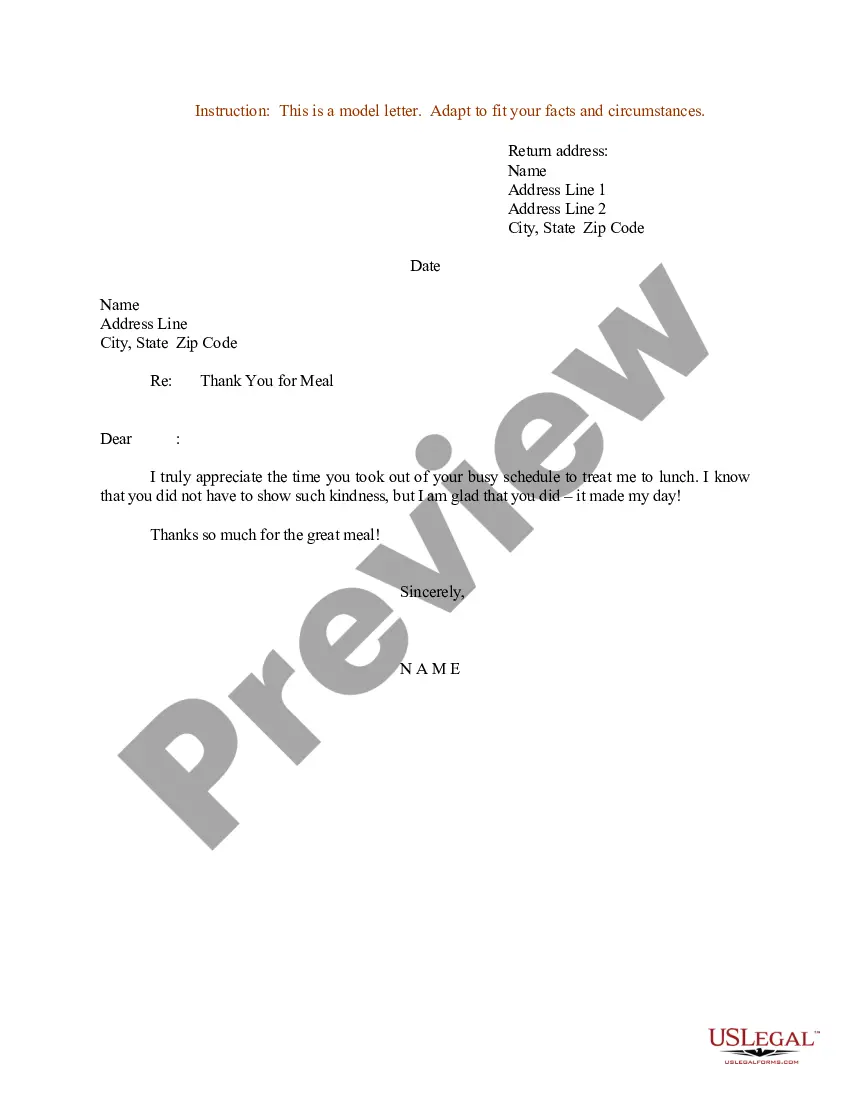
Get your form ready online
Our built-in tools help you complete, sign, share, and store your documents in one place.
Make edits, fill in missing information, and update formatting in US Legal Forms—just like you would in MS Word.
Download a copy, print it, send it by email, or mail it via USPS—whatever works best for your next step.
Sign and collect signatures with our SignNow integration. Send to multiple recipients, set reminders, and more. Go Premium to unlock E-Sign.
If this form requires notarization, complete it online through a secure video call—no need to meet a notary in person or wait for an appointment.
We protect your documents and personal data by following strict security and privacy standards.

Make edits, fill in missing information, and update formatting in US Legal Forms—just like you would in MS Word.

Download a copy, print it, send it by email, or mail it via USPS—whatever works best for your next step.

Sign and collect signatures with our SignNow integration. Send to multiple recipients, set reminders, and more. Go Premium to unlock E-Sign.

If this form requires notarization, complete it online through a secure video call—no need to meet a notary in person or wait for an appointment.

We protect your documents and personal data by following strict security and privacy standards.
Looking for another form?








Form popularity
FAQ
Professional email characteristics A professional tone. An appropriate greeting. A clear and direct subject line. A concise message that states its purpose. An appropriate closing that explains what action should be taken. A sign-off.
How to write an email to your supervisor Decide on your reason for writing the email. Add a relevant subject line. Include a greeting. State your reason for the email. Provide an explanation. List actions you need your supervisor to complete. Add a closing. Include a signature.
How To Write A Professional Email? Start with an interesting subject line. The subject line is a short message that is displayed before the contents of the email are visible in the inbox. Give greetings. Write the core email body. Include a closing line. End with a signature. Proofread your email.
Opening the email by explaining your reasoning keeps the email concise and clear. Here are some examples of an opening sentence: I am emailing today to thank you for reason. I am reaching out to you to confirm that name of task or project was completed on date and time.
A formal letter of request will typically follow the standard business letter format, which includes the following pieces in this order: sender's name and contact details, unless shown on a letterhead. date. the recipient's name and contact details. greeting. purpose of the letter. body of the letter. professional closing.
Be specific about the support you're requesting, whether it's additional resources, guidance, approval, or something else. Outline what you need from your manager to successfully complete the work. Suggest a time to discuss the request in person or over a call, if appropriate.
Formal Request for Availability “Could you please let me know your available times for a meeting at your convenience?” “If possible, could you share a few times that work best for you this week to discuss topic?”
Use a professional email address. Add a concise, informative subject line. Greet the recipient with a proper salutation. Write the body of your email. End emails with a sign-off and signature. Proofread your email. Check your recipient fields. Schedule your email and send.
Core Components of a Speaker Invitation: The name, date(s), and venue of the event. The topic, theme or focus of the event. Reasons why they would be an ideal speaker for your event. Why it would benefit them. How they can contact you.

