Sample Speaker Engagement Agreement For Accepting Invitation In Collin
Description
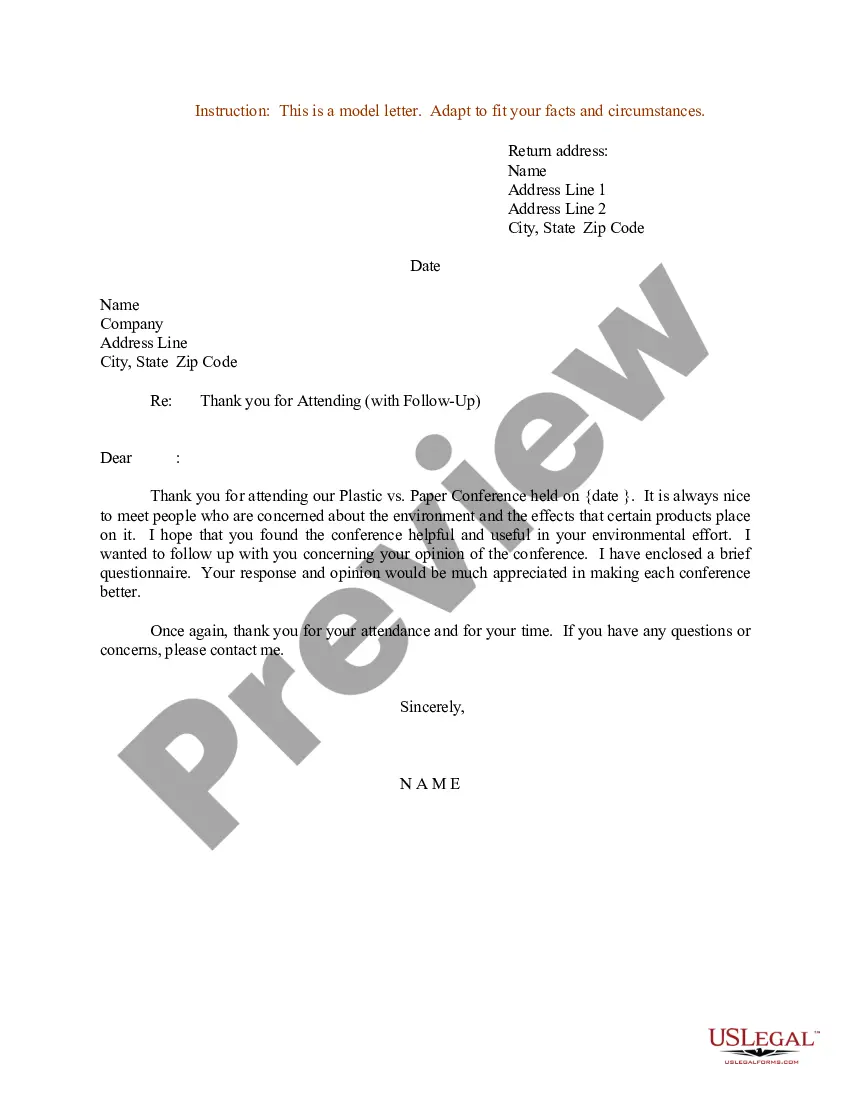
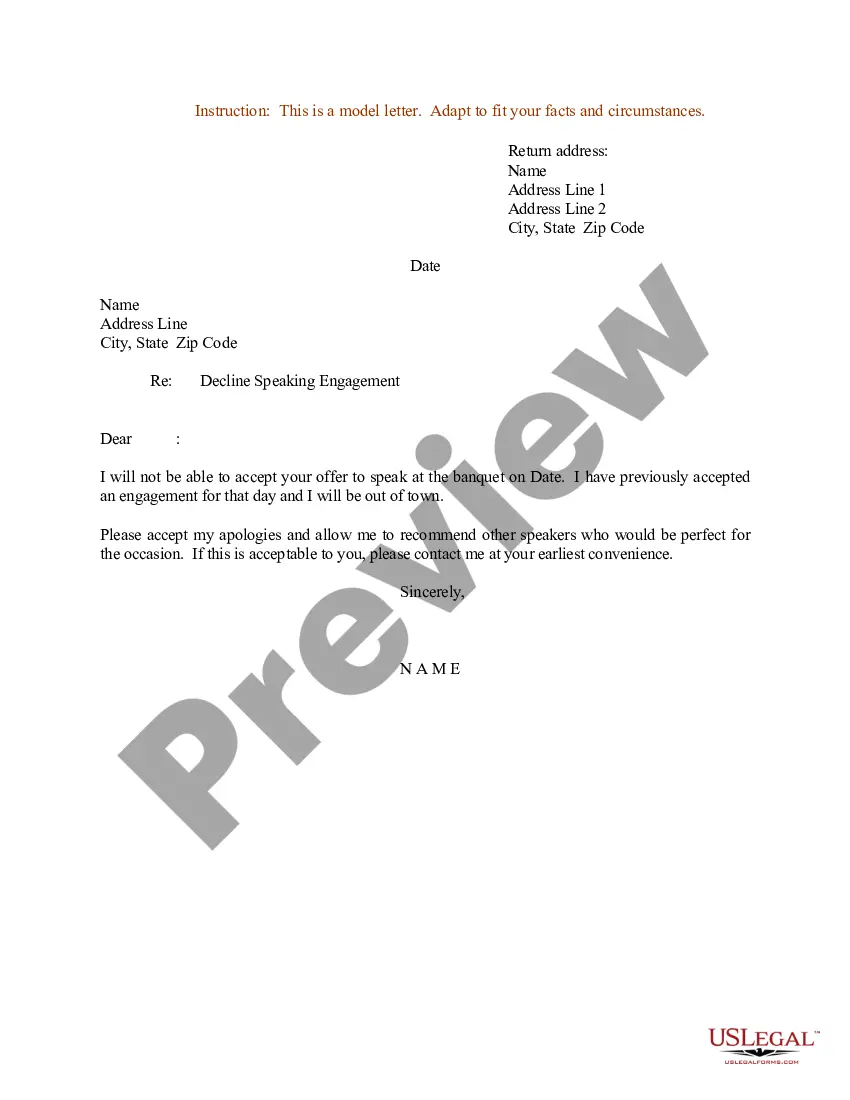
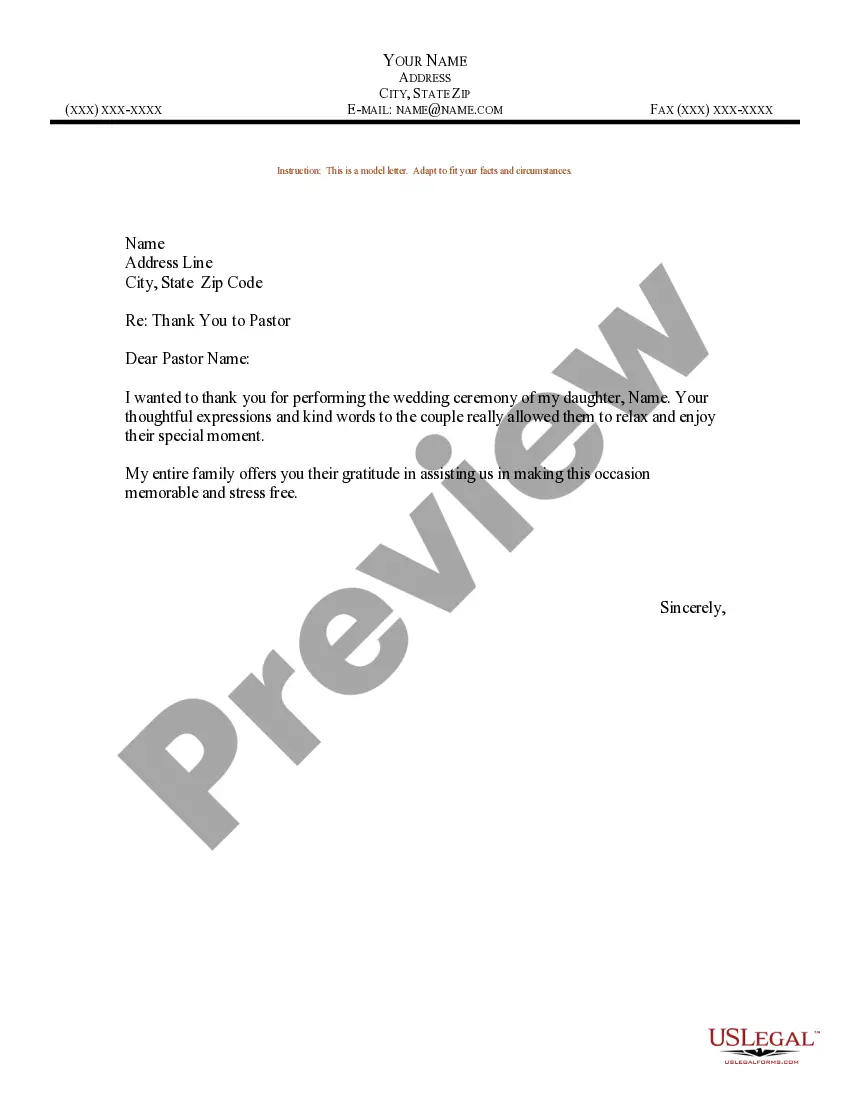
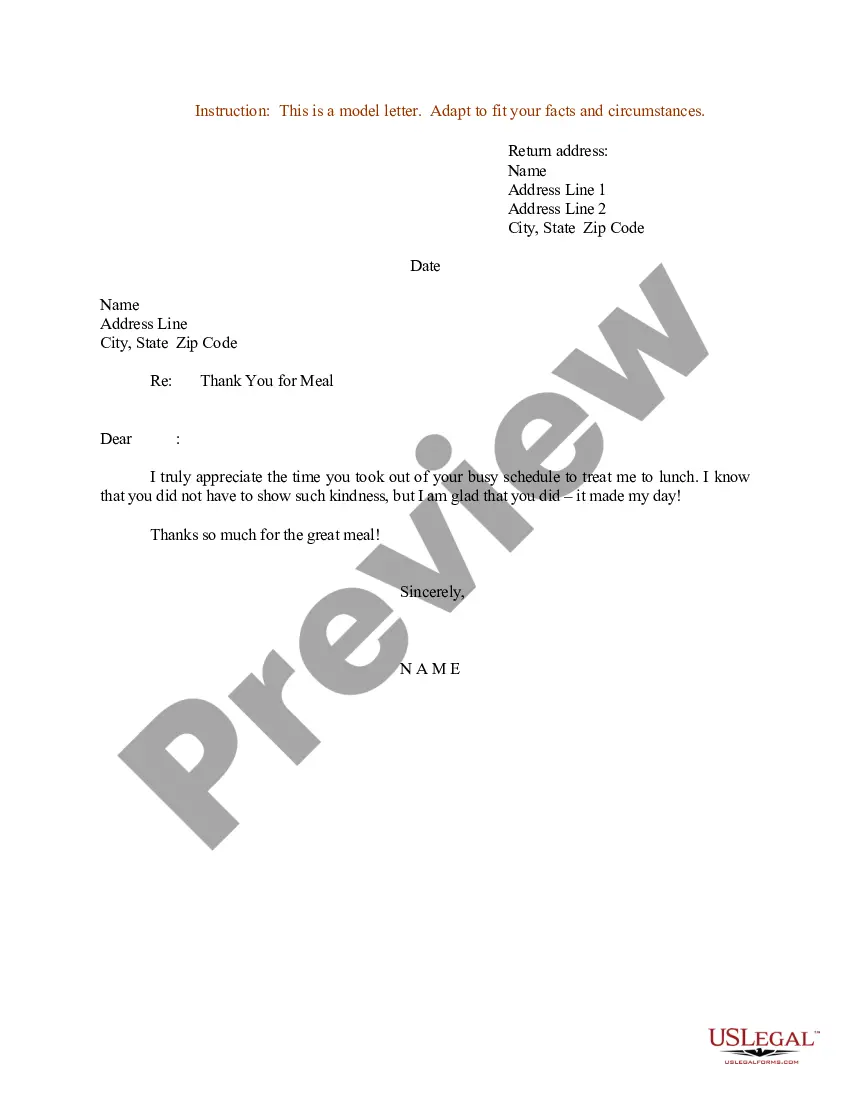
Get your form ready online
Our built-in tools help you complete, sign, share, and store your documents in one place.
Make edits, fill in missing information, and update formatting in US Legal Forms—just like you would in MS Word.
Download a copy, print it, send it by email, or mail it via USPS—whatever works best for your next step.
Sign and collect signatures with our SignNow integration. Send to multiple recipients, set reminders, and more. Go Premium to unlock E-Sign.
If this form requires notarization, complete it online through a secure video call—no need to meet a notary in person or wait for an appointment.
We protect your documents and personal data by following strict security and privacy standards.

Make edits, fill in missing information, and update formatting in US Legal Forms—just like you would in MS Word.

Download a copy, print it, send it by email, or mail it via USPS—whatever works best for your next step.

Sign and collect signatures with our SignNow integration. Send to multiple recipients, set reminders, and more. Go Premium to unlock E-Sign.

If this form requires notarization, complete it online through a secure video call—no need to meet a notary in person or wait for an appointment.

We protect your documents and personal data by following strict security and privacy standards.
Looking for another form?
Form popularity
FAQ
This section introduces the five primary goals your engagement planning will want to consider: informing, consulting, involving, collaborating, and empowering (Bassler et al, 2008).
Examples could include: an article on a city or county website describing the agency's current budget situation; a city mailing to neighborhood residents about a planned housing complex; or a presentation by a county health department to a community group about substandard housing or “bird” flu policies.
The public participation goal at the consult level is to obtain and consider public input. The promise at the consult level is to consider the public input received and to provide feedback as to how that input influenced the decision.
In considering participatory community engagement, gaining positive responses from local villagers could be viewed within a '3 C's model' involving the themes of collaboration, communication and consultation 3 .
In general, public engagement can significantly increase awareness about important issues, ensure a diversity of voices are heard, and empower communities to have greater ability to participate in informing policies and programs that may impact their lives.
Public engagement is a process designed to build trust among local residents and regional leaders by creating opportunities to be informed, contribute, and collaborate in the collective efforts of the broader community.
Here are some examples of accepting invitations: Formal Invitation: "Thank you for inviting me to the conference. I would be honored to attend." Informal Invitation: "Thanks for inviting me to your party. I'd love to come!" Wedding Invitation: "Thank you for inviting me to your wedding.
Acknowledge the Invitation Start your response by expressing gratitude for the invite. A simple “Thank you so much for thinking of me!” goes a long way in making the host feel appreciated.
I am writing to express my sincere gratitude for the kind invitation to event/occasion. It is with great pleasure that I accept your invitation to attend event/occasion on date at time at venue/location. I appreciate the opportunity to be a part of such a mention positive aspects of the event/occasion.
Thank you for inviting me to the (meeting title). Please accept this email as confirmation that I would like to attend. You can share any information with me about the meeting, including the agenda (or travel information, etc.)

