Letter Speaking Engagement With Client In California
Description
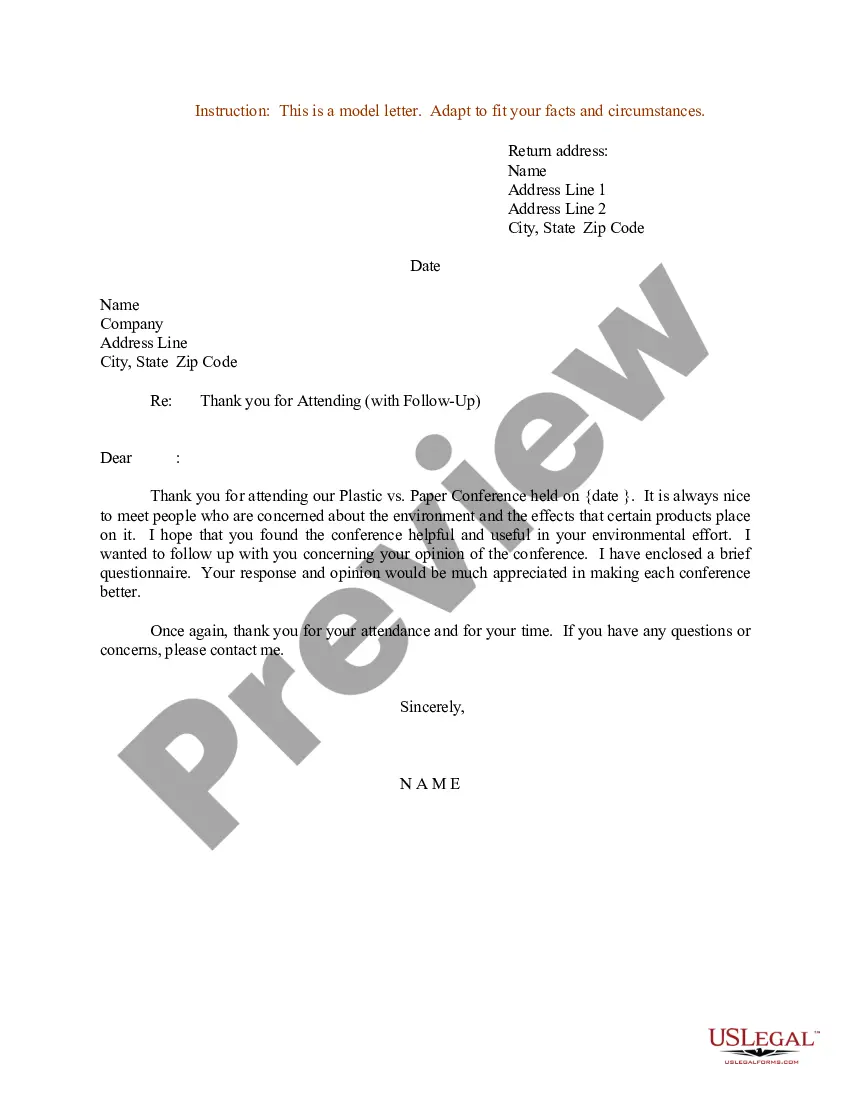
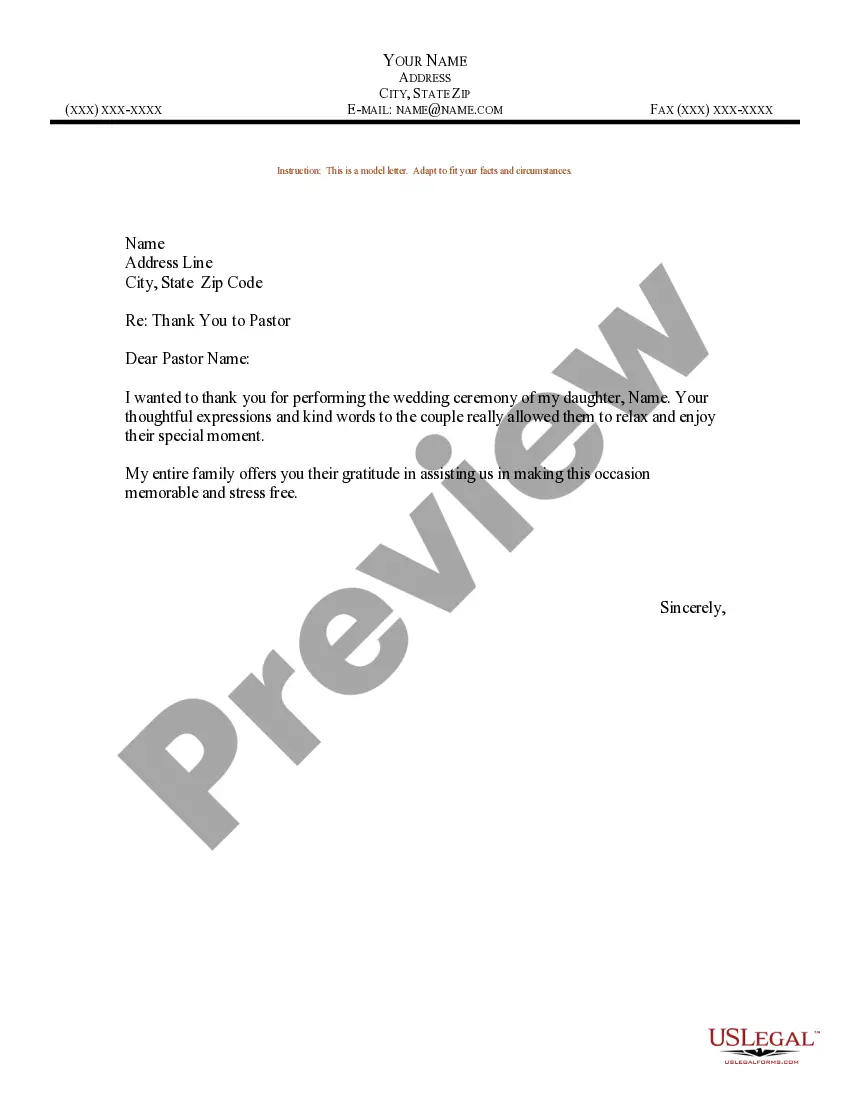
Get your form ready online
Our built-in tools help you complete, sign, share, and store your documents in one place.
Make edits, fill in missing information, and update formatting in US Legal Forms—just like you would in MS Word.
Download a copy, print it, send it by email, or mail it via USPS—whatever works best for your next step.
Sign and collect signatures with our SignNow integration. Send to multiple recipients, set reminders, and more. Go Premium to unlock E-Sign.
If this form requires notarization, complete it online through a secure video call—no need to meet a notary in person or wait for an appointment.
We protect your documents and personal data by following strict security and privacy standards.

Make edits, fill in missing information, and update formatting in US Legal Forms—just like you would in MS Word.

Download a copy, print it, send it by email, or mail it via USPS—whatever works best for your next step.

Sign and collect signatures with our SignNow integration. Send to multiple recipients, set reminders, and more. Go Premium to unlock E-Sign.

If this form requires notarization, complete it online through a secure video call—no need to meet a notary in person or wait for an appointment.

We protect your documents and personal data by following strict security and privacy standards.
Looking for another form?



Form popularity
FAQ
How to get speaking engagements Get clear on why you want to speak. Listen to a lot of talks from speakers that you admire. Come up with 3-5 talk ideas. Prepare an outline for each talk idea. Build your event list. Slide into event organizers' DMs. Email your pitch. Turn your outline into a speaker proposal.
15 Tricks Of The Trade For Booking Speaking Gigs Search On LinkedIn. Describe How You Fit The Conference. Create A Portfolio. Look Outside Your Industry. Connect Before You Convert. Practice Online And Offline. Deliver Engaging Experiences. Start Small And Keep Going.
How to get speaking engagements Get clear on why you want to speak. Listen to a lot of talks from speakers that you admire. Come up with 3-5 talk ideas. Prepare an outline for each talk idea. Build your event list. Slide into event organizers' DMs. Email your pitch. Turn your outline into a speaker proposal.
Tips for a Good Speaker Engagement Proposal Understand the Audience and Theme. Make an Impact on the First Page. Clear and Engaging Title. Define Learning Objectives. Detailed Session Description. Highlight Relevance and Timeliness. Demonstrate Expertise. Keep your Contract and Proposal Separate.
Proposed rule 4.1 prohibits a lawyer from making a false statement of fact or law to a third person and also requires a lawyer to disclose a material fact to avoid assisting a client in a criminal or fraudulent act, subject to the lawyer's duties under rule 1.6 and Business and Professions Code section 6068(e).
New Rule 8.3 of the California Rules of Professional Conduct (CRPC) provides that “a lawyer shall, without undue delay, inform the State Bar, or a tribunal with jurisdiction to investigate or act upon such misconduct, when the lawyer knows of credible evidence that another lawyer has committed a criminal act or has ...
Rule 4.2 Communication with a Represented Person (a) In representing a client, a lawyer shall not communicate directly or indirectly about the subject of the representation with a person the lawyer knows to be represented by another lawyer in the matter, unless the lawyer has the consent of the other lawyer.
Proposed rule 4.2 carries forward the substance of current rule 2-100, the “no contact” rule, and prohibits a lawyer who represents a client in a matter from communicating, either directly or indirectly, about the subject matter of the representation with a person represented by a lawyer in the same matter.
Proposed rule 4.1 prohibits a lawyer from making a false statement of fact or law to a third person and also requires a lawyer to disclose a material fact to avoid assisting a client in a criminal or fraudulent act, subject to the lawyer's duties under rule 1.6 and Business and Professions Code section 6068(e).
(A) While representing a client, a member shall not communicate directly or indirectly about the subject of the representation with a party the member knows to be represented by another lawyer in the matter, unless the member has the consent of the other lawyer.
