Letter Engagement Form Without Disclosures In Broward
Description
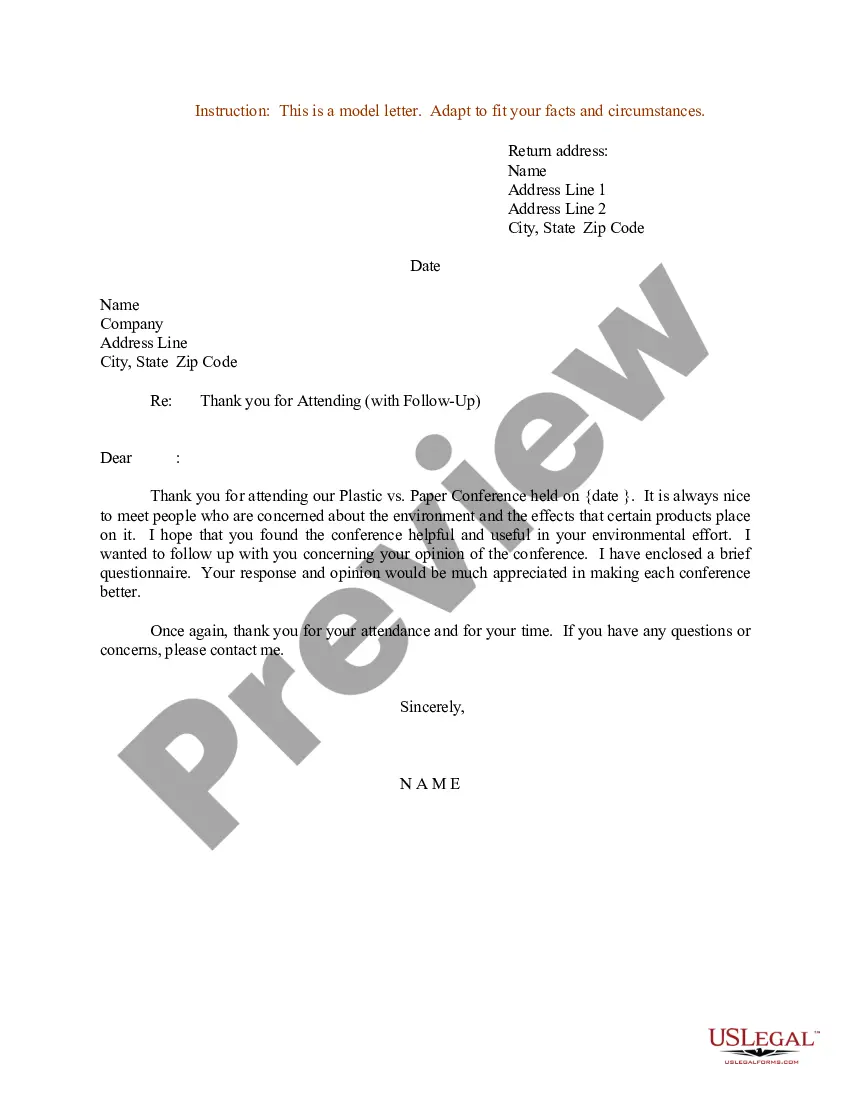
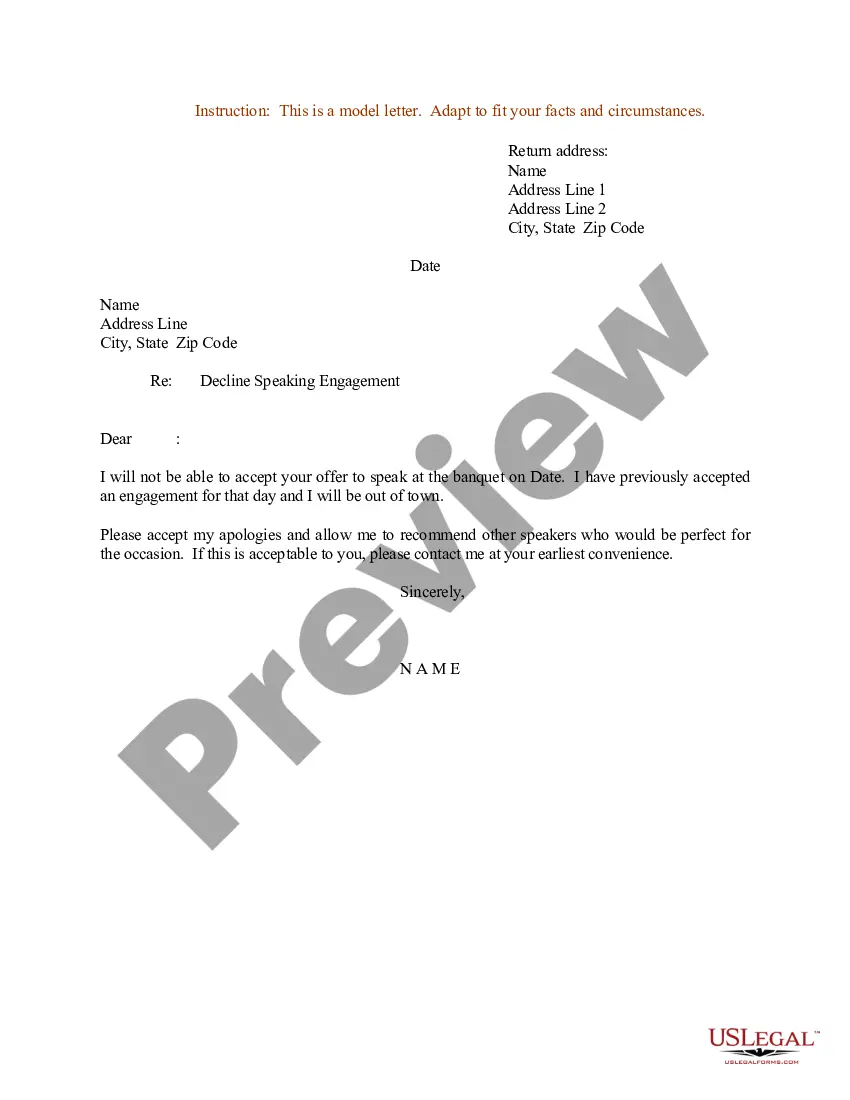
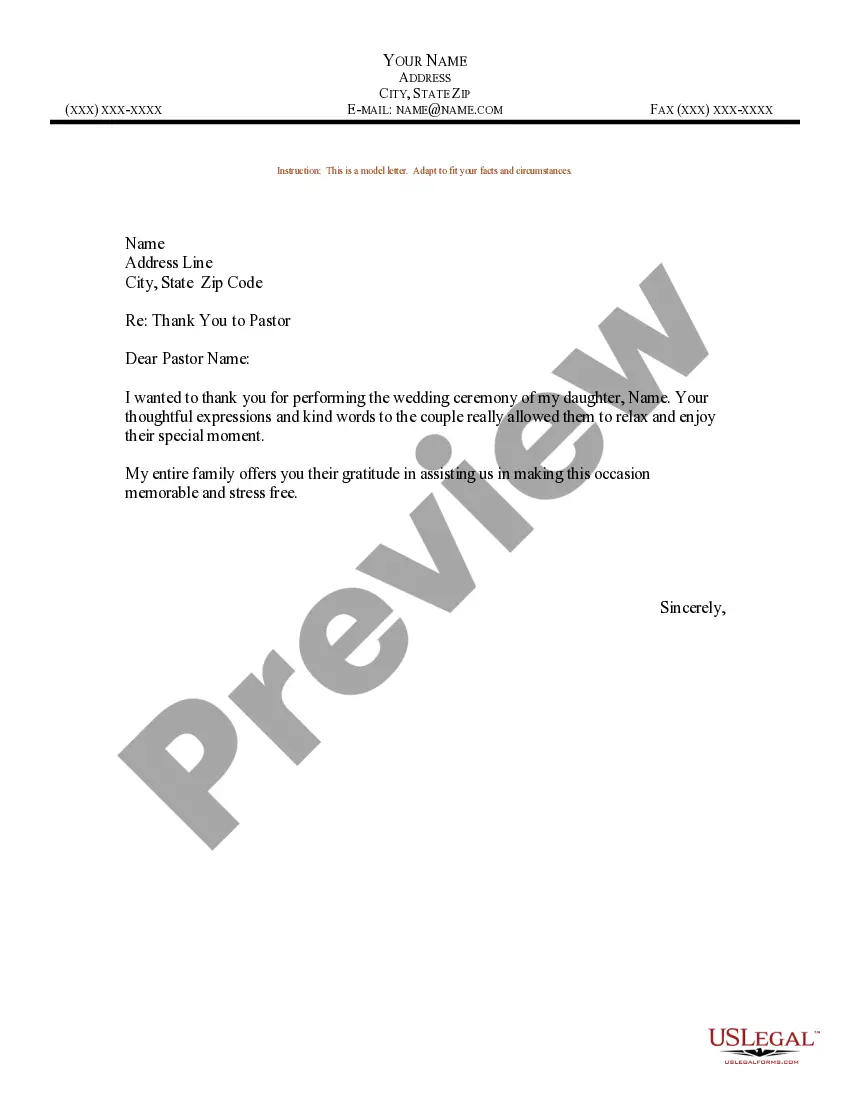
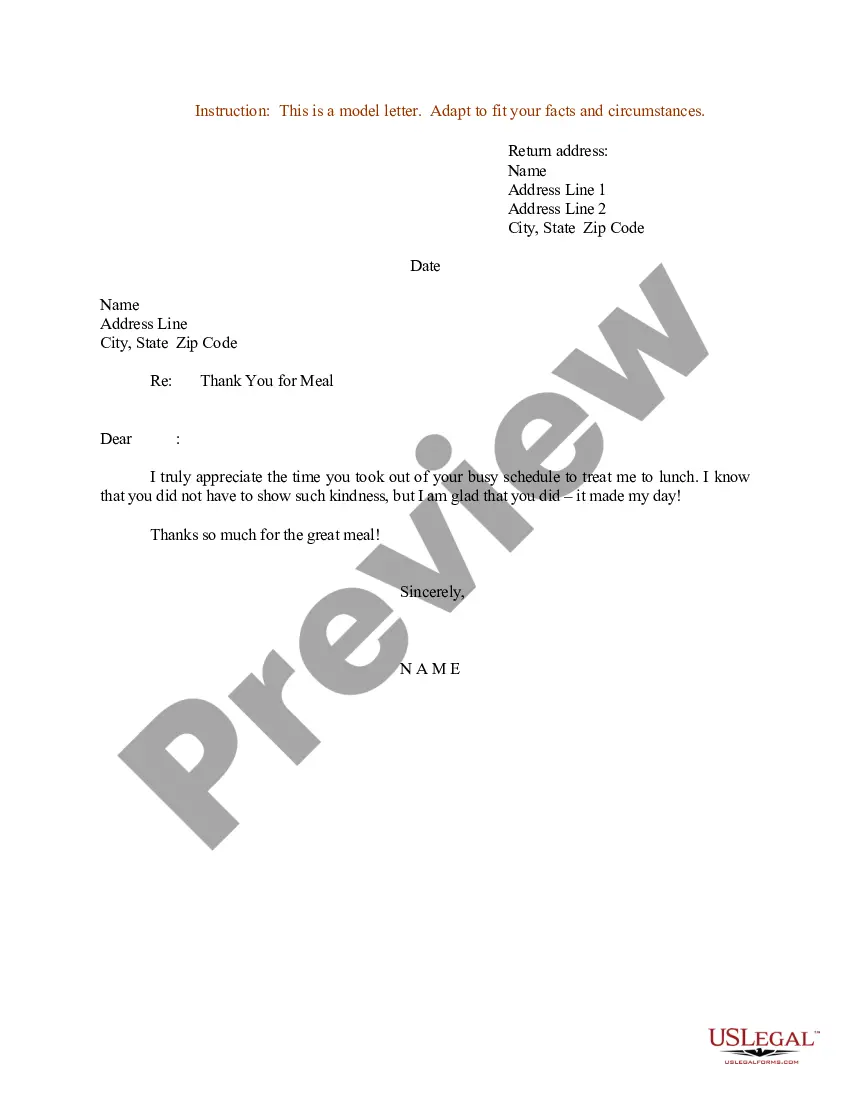
Get your form ready online
Our built-in tools help you complete, sign, share, and store your documents in one place.
Make edits, fill in missing information, and update formatting in US Legal Forms—just like you would in MS Word.
Download a copy, print it, send it by email, or mail it via USPS—whatever works best for your next step.
Sign and collect signatures with our SignNow integration. Send to multiple recipients, set reminders, and more. Go Premium to unlock E-Sign.
If this form requires notarization, complete it online through a secure video call—no need to meet a notary in person or wait for an appointment.
We protect your documents and personal data by following strict security and privacy standards.

Make edits, fill in missing information, and update formatting in US Legal Forms—just like you would in MS Word.

Download a copy, print it, send it by email, or mail it via USPS—whatever works best for your next step.

Sign and collect signatures with our SignNow integration. Send to multiple recipients, set reminders, and more. Go Premium to unlock E-Sign.

If this form requires notarization, complete it online through a secure video call—no need to meet a notary in person or wait for an appointment.

We protect your documents and personal data by following strict security and privacy standards.
Looking for another form?







Form popularity
FAQ
I met with you on _________, 20__, and have also reviewed the various copies of documents you provided me. I herewith return those documents to you for your use. I appreciate the confidence you have expressed in our firm, but for various reasons the firm has decided not to represent you in this matter.
Non-Engagement Letter Example After our conversation on <consultation date>, I wanted to formally inform you that <Your Law Firm's Name> will not be able to provide legal representation for your current matter involving <brief description of the legal issue>. Regrettably, <Reason why you cannot represent this client.
Explain why you aren't considering them Offering a reason is optional, but it can help the candidate learn what they can improve for future roles. Briefly describe what you're looking for in a candidate that the recipient lacked. Some common reasons include missing skills, education or experience.
Contents Defining the purpose of the letter and the termination of the employment relationship. Establish the date of termination. Reference any applicable laws or contractual obligations. Outlining the rights and responsibilities of the employee and the employer.
You need a form of engagement document, but you don't necessarily need customised letters. An engagement brochure meets the requirements of APES 220 Taxation Services and APES 305 Terms of Engagement. You should make sure the client acknowledges receipt.
At a minimum, the non-engagement letter should clearly confirm that the licensee is not retained to provide legal services for the matter discussed at the consultation, identify the reasons for declining the retainer, and reference any applicable statute of limitations or upcoming court or tribunal dates.
An engagement letter is drafted by the company rendering the service, often with the help of a lawyer. It is than presented to the client, and both parties must sign in order for it to be legally binding.
Call Us. General Information: (954) 831-6565. Telephone agents are available to assist you or direct your call between a.m. and p.m., Monday thru Friday, excluding Courthouse Holidays.
You can access all public dockets using the new Appellate Case Information System (ACIS) at: . Attorneys of record and self-represented litigants wanting access to documents in their cases must register in the new ACIS system. Public access does not require registration.
How Do I Find Public Records in Florida? For arrest records, contact the Sheriff's Office where the arrest was made. For vital records, visit the Florida Bureau of Vital Statistics. For inmate records, visit the Florida Department of Corrections (FDC). For court records, contact the clerk at the appropriate court.

