Sample Abstract For Speaking Engagement In Bronx
Description
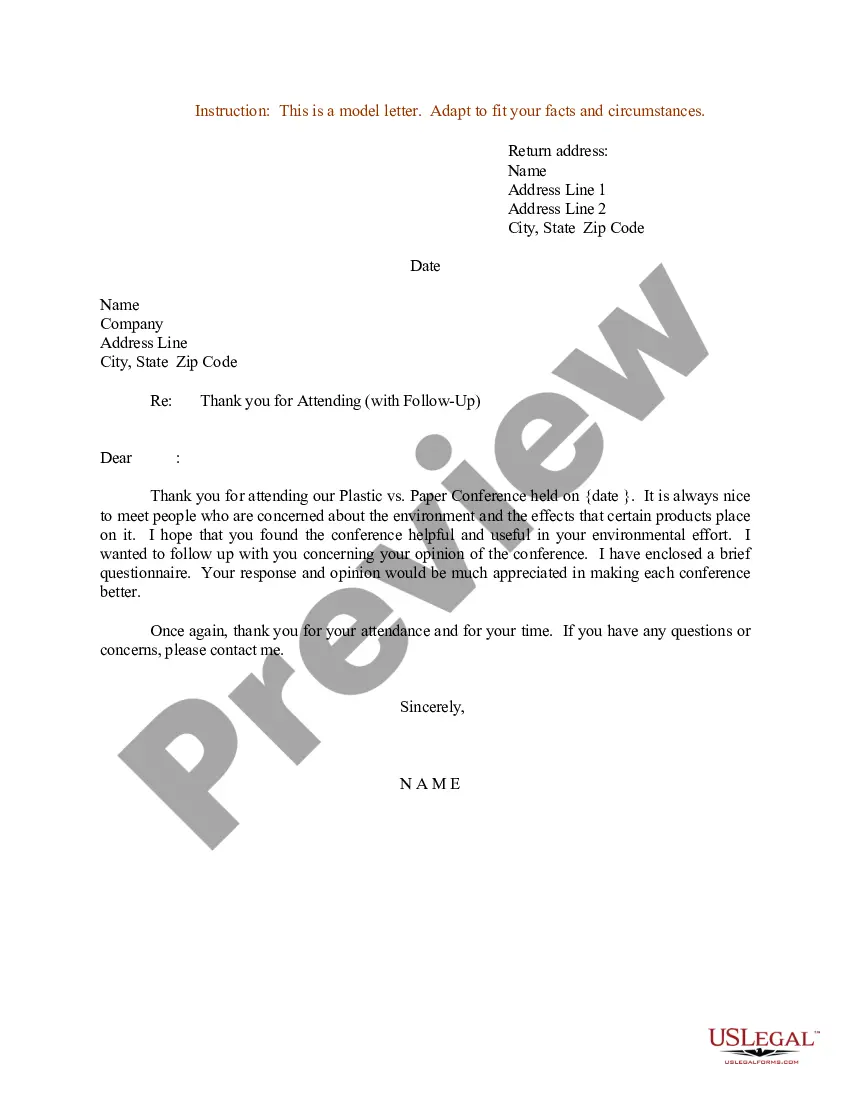
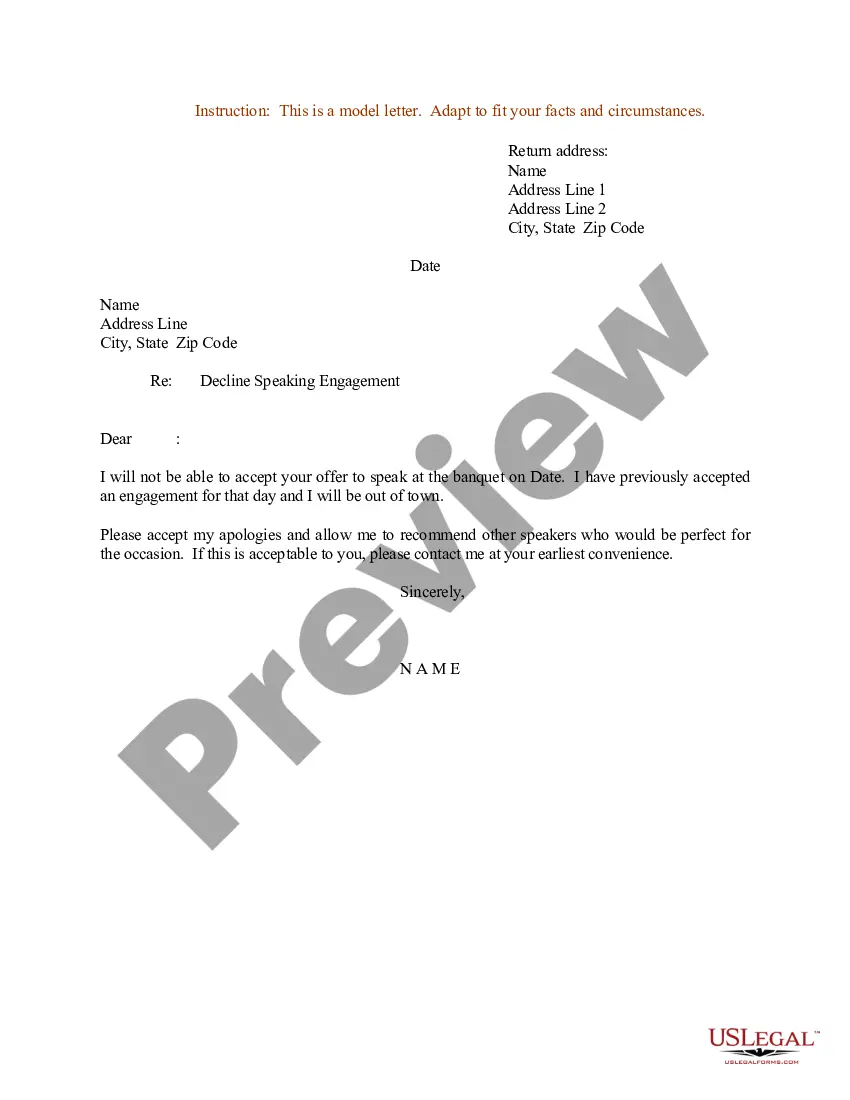
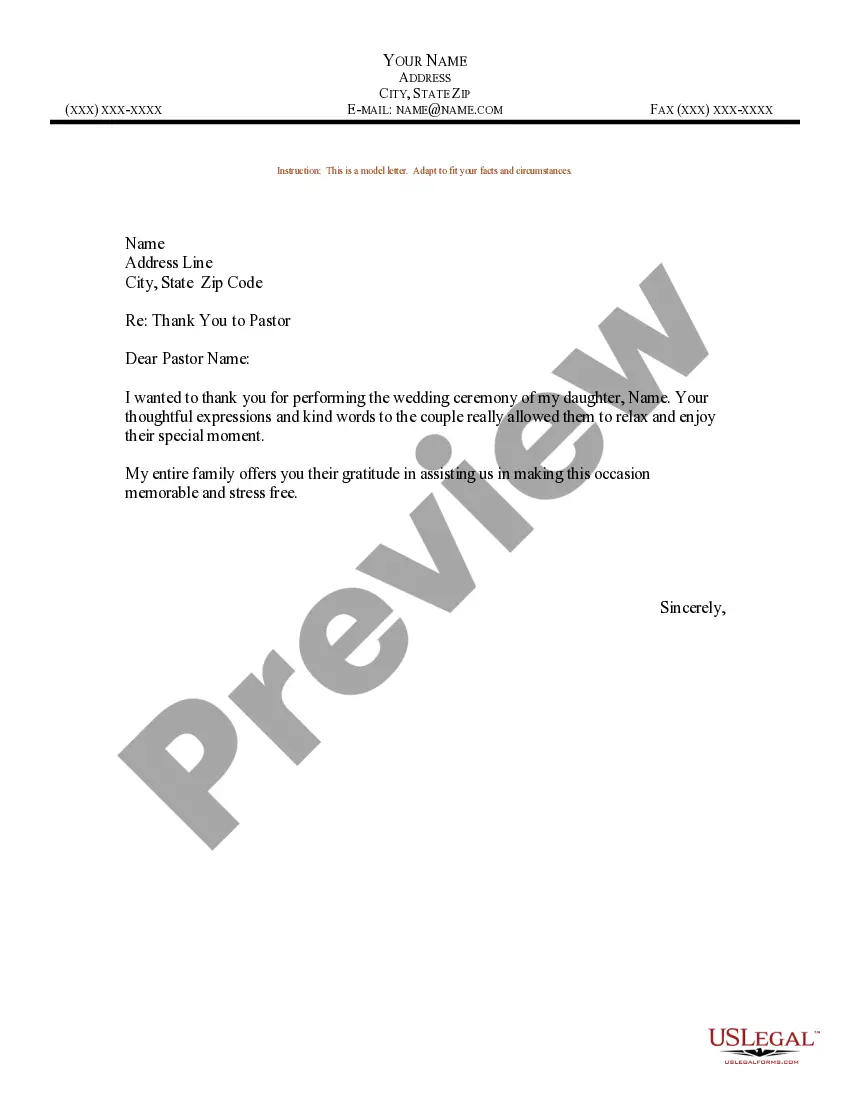
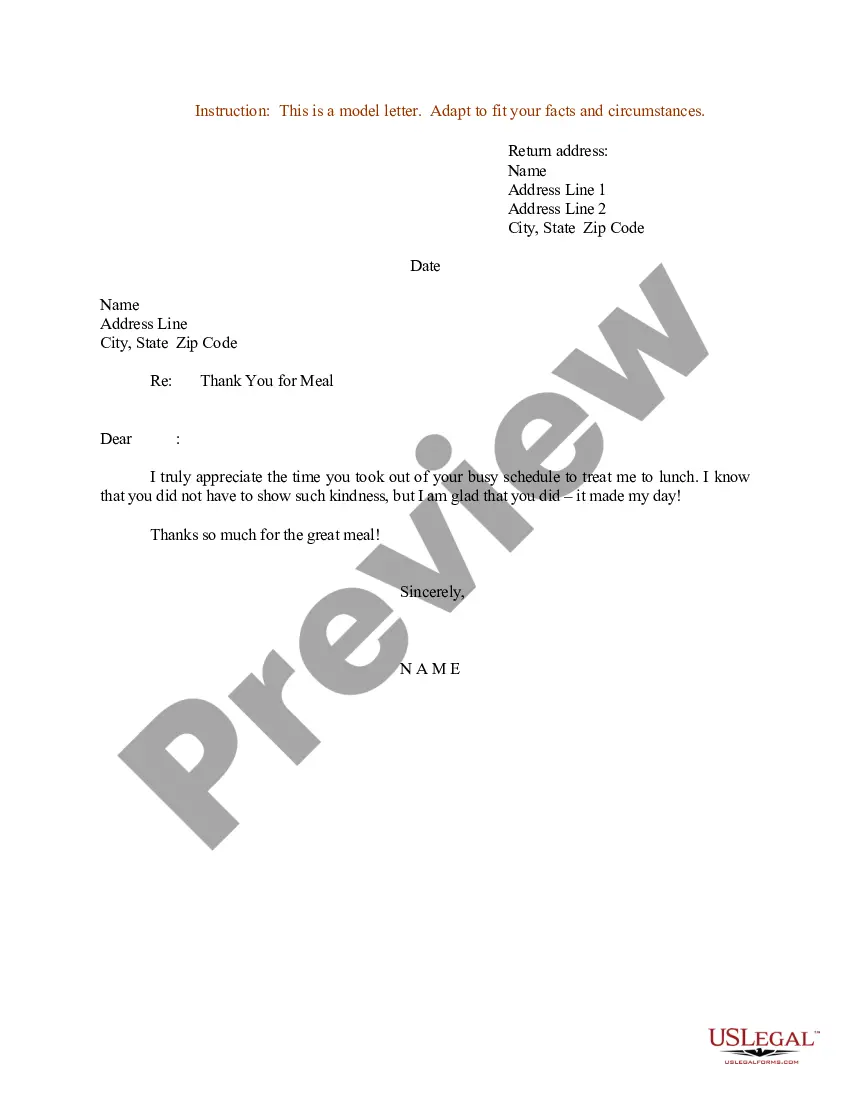
Get your form ready online
Our built-in tools help you complete, sign, share, and store your documents in one place.
Make edits, fill in missing information, and update formatting in US Legal Forms—just like you would in MS Word.
Download a copy, print it, send it by email, or mail it via USPS—whatever works best for your next step.
Sign and collect signatures with our SignNow integration. Send to multiple recipients, set reminders, and more. Go Premium to unlock E-Sign.
If this form requires notarization, complete it online through a secure video call—no need to meet a notary in person or wait for an appointment.
We protect your documents and personal data by following strict security and privacy standards.

Make edits, fill in missing information, and update formatting in US Legal Forms—just like you would in MS Word.

Download a copy, print it, send it by email, or mail it via USPS—whatever works best for your next step.

Sign and collect signatures with our SignNow integration. Send to multiple recipients, set reminders, and more. Go Premium to unlock E-Sign.

If this form requires notarization, complete it online through a secure video call—no need to meet a notary in person or wait for an appointment.

We protect your documents and personal data by following strict security and privacy standards.
Looking for another form?








Form popularity
FAQ
WHAT IS AN ABSTRACT? An abstract is a short statement about your paper designed to give the reader a complete, yet concise, understanding of your paper's research and findings. It is a mini-version of your paper.
“The abstract is a brief, clear summary of the information in your presentation. A well-prepared abstract enables readers to identify the basic content quickly and accurately, to determine its relevance to their interests or purpose and then to decide whether they want to listen to the presentation in its entirety.”
On abstract structure: Start with the topic, state the problem or paint point, tease a solution, then finish off with the takeaways. Your abstract serves as a promise of what conference attendees will learn from your talk.
Writing an abstract A brief introduction to the topic that you're investigating. Explanation of why the topic is important in your field/s. Statement about what the gap is in the research. Your research question/s / aim/s. An indication of your research methods and approach. Your key message.
Examples of abstract nouns include liberty, anger, freedom, love, generosity, charity, and democracy. Notice that these nouns express ideas, concepts, or qualities that cannot be seen or experienced. We cannot see, hear, touch, taste, or smell these concepts.
An abstract is a brief summary of your completed research. What should an abstract include? details the background information. research and what you hope to accomplish.
There are four types of abstracts: informative, descriptive, critical, and highlight abstracts. However, students most often use informative abstracts.
The best way to go about an abstract is to start with what you want the audience to take away from the session. From there, you can start summarizing what the speaker plans to say without giving too much away.
Abstract words allow us to convey important human ideas like scientific (e.g. theory, calculus) and social (e.g. justice) concepts, and extend our capacity to convey ideas beyond the physical reality of the here and now.
For conferences and trade shows, the abstract highlights the key points, goals, and insights the speaker will cover, helping attendees decide if the session aligns with their interests.

