Speaker Engagement Speaking Formula In Arizona
Description
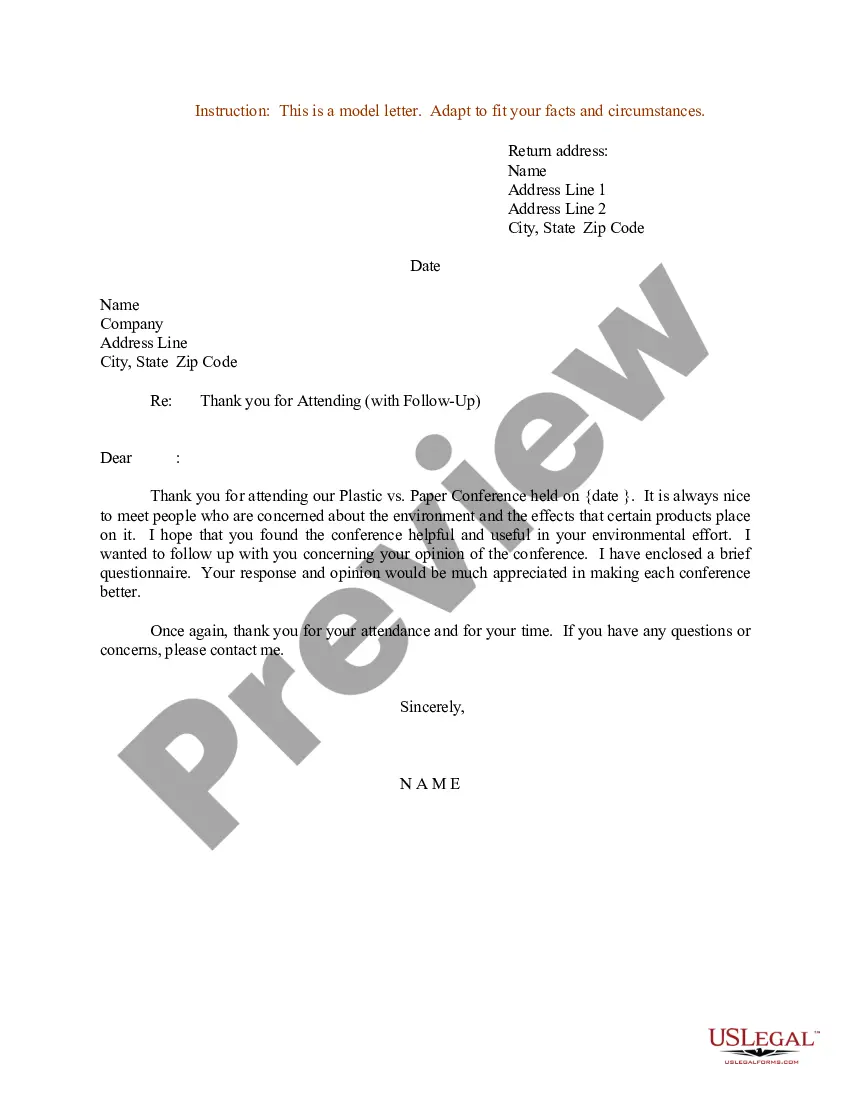
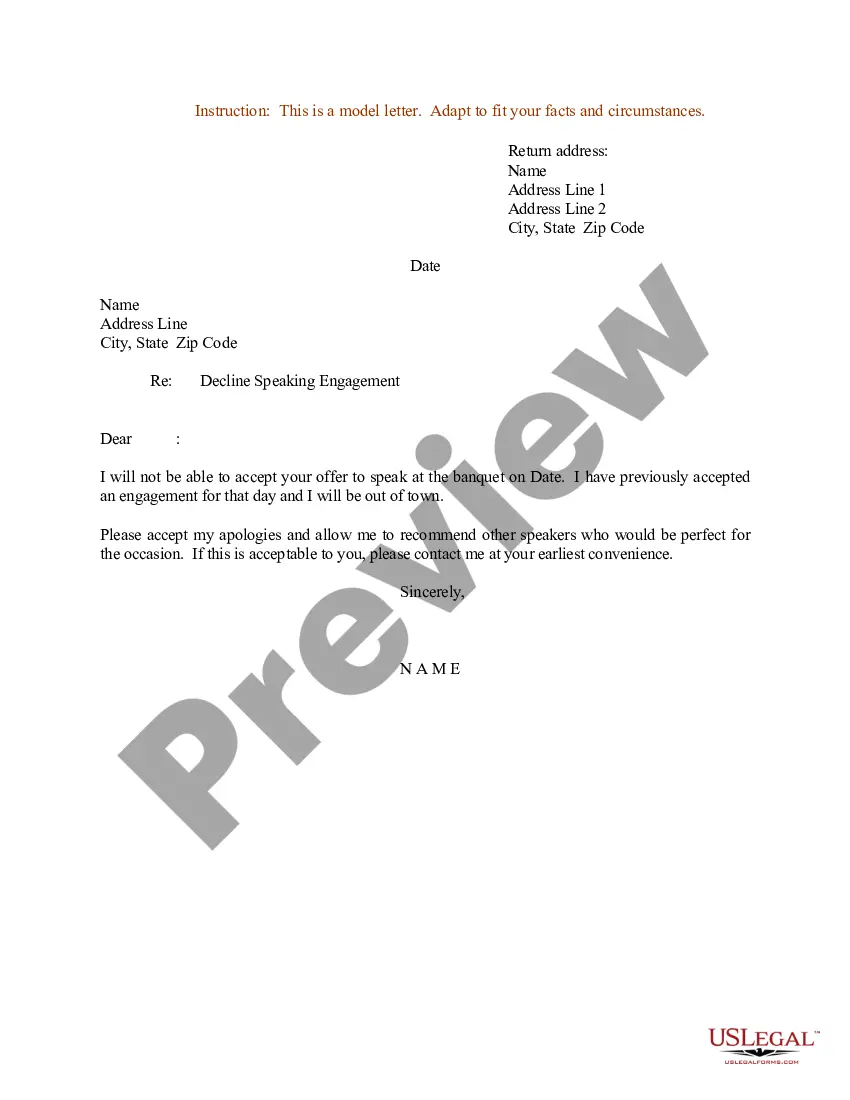
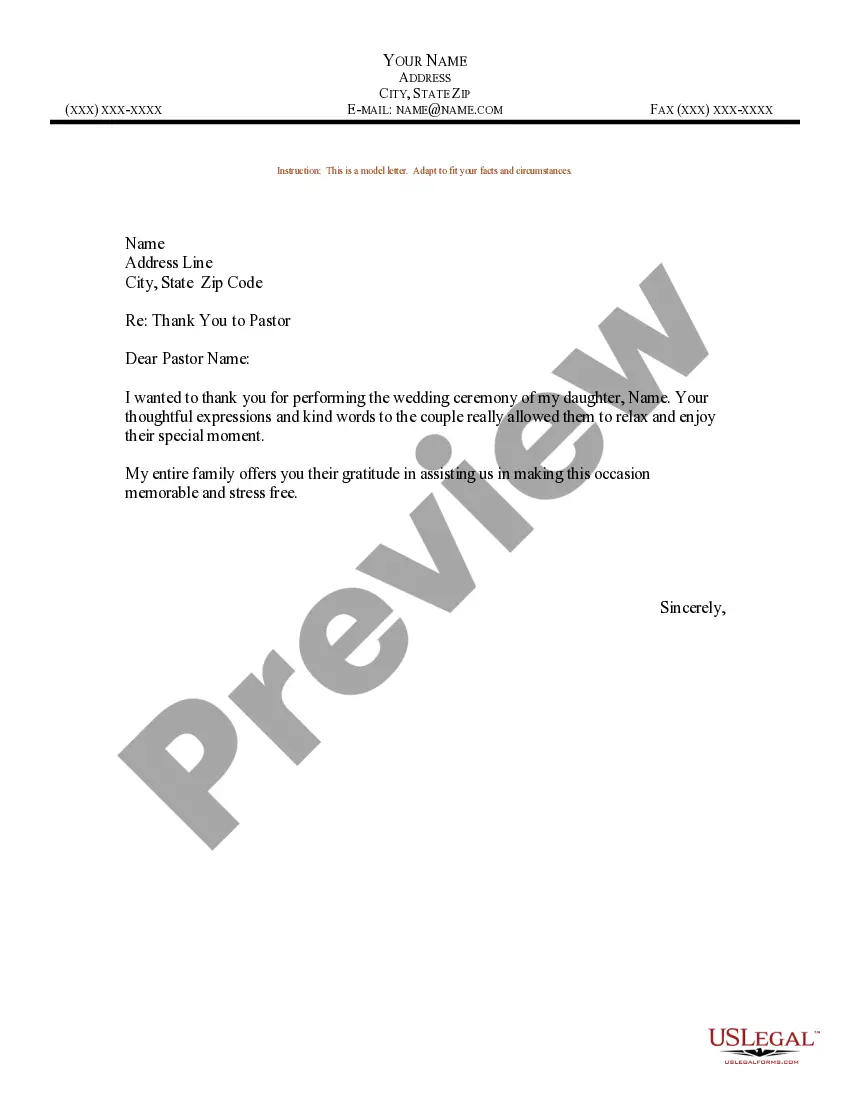
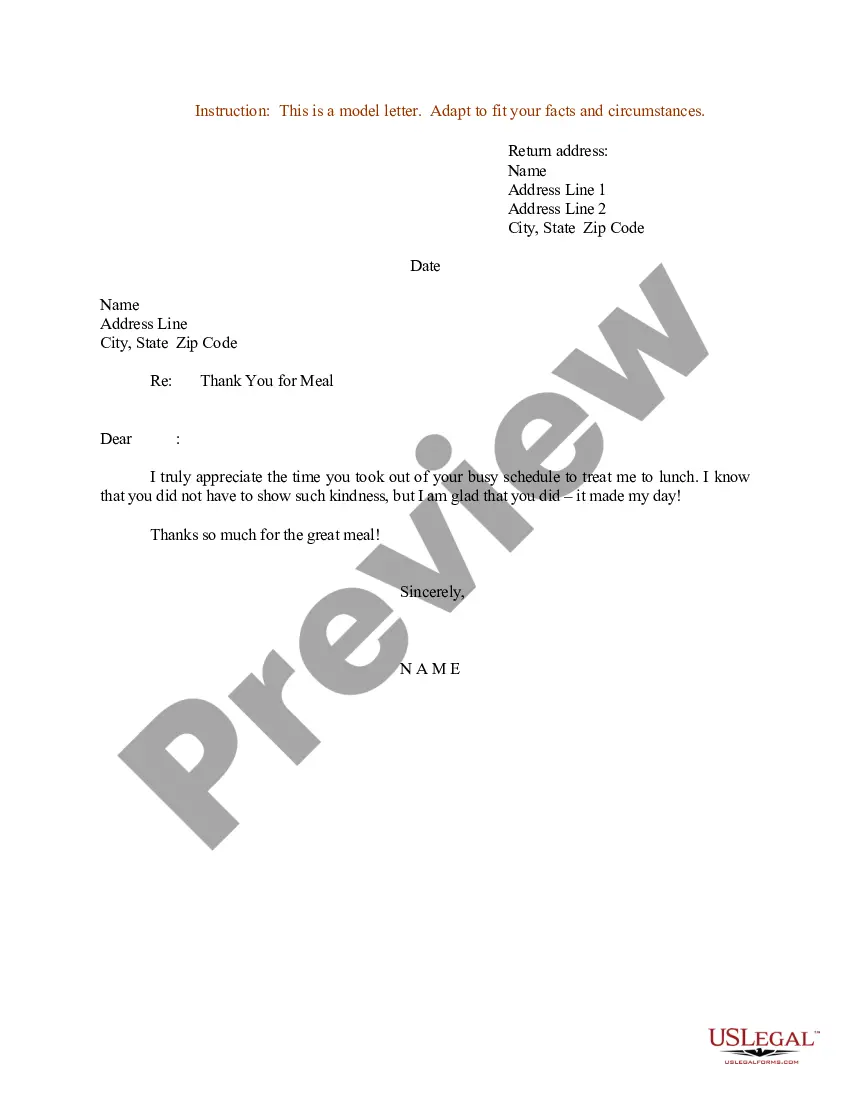
Get your form ready online
Our built-in tools help you complete, sign, share, and store your documents in one place.
Make edits, fill in missing information, and update formatting in US Legal Forms—just like you would in MS Word.
Download a copy, print it, send it by email, or mail it via USPS—whatever works best for your next step.
Sign and collect signatures with our SignNow integration. Send to multiple recipients, set reminders, and more. Go Premium to unlock E-Sign.
If this form requires notarization, complete it online through a secure video call—no need to meet a notary in person or wait for an appointment.
We protect your documents and personal data by following strict security and privacy standards.

Make edits, fill in missing information, and update formatting in US Legal Forms—just like you would in MS Word.

Download a copy, print it, send it by email, or mail it via USPS—whatever works best for your next step.

Sign and collect signatures with our SignNow integration. Send to multiple recipients, set reminders, and more. Go Premium to unlock E-Sign.

If this form requires notarization, complete it online through a secure video call—no need to meet a notary in person or wait for an appointment.

We protect your documents and personal data by following strict security and privacy standards.
Looking for another form?








Form popularity
FAQ
Tips for a Good Speaker Engagement Proposal Understand the Audience and Theme. Make an Impact on the First Page. Clear and Engaging Title. Define Learning Objectives. Detailed Session Description. Highlight Relevance and Timeliness. Demonstrate Expertise. Keep your Contract and Proposal Separate.
The pattern is verb + indirect object + to-clause. The indirect object is the person spoken to. Other verbs used to report orders and requests in this way are: command, order, warn, ask, advise, invite, beg, teach, & forbid.
The seven elements in the communication process that apply to speech are: 1) speaker, 2) listener, 3) message, 4) channel, 5) interference, 6) feedback, and 7) situation. The speaker is the source of information and communication and is the individual who delivers or expresses their idea on a topic.
How to get speaking engagements Get clear on why you want to speak. Listen to a lot of talks from speakers that you admire. Come up with 3-5 talk ideas. Prepare an outline for each talk idea. Build your event list. Slide into event organizers' DMs. Email your pitch. Turn your outline into a speaker proposal.
She recommends breaking your speech into three parts—introduction, body, and conclusion, something she does in her championship speech, “Still Standing.” Once you have your three points, add at least one supporting story, example, or finding to fill out those points in your speech.
Total Words / Number of Minutes = Speaking Rate (WPM) Then, find the total number of words by counting them, or better yet, use a built-in word count feature. You can get the word count in applications like Microsoft Word and PowerPoint or follow our instructions for checking the word count in Google Slides.
Introduction: Introduce the topic and your views on the topic briefly. Body: Give a detailed explanation of your topic. Your focus should be to inform and educate your audience on the said topic. Conclusion: Voice out your thoughts/suggestions.
Use platforms like LinkedIn, Eventbrite, or specialized speaker bureaus to promote your services. Consider offering webinars or online courses to reach a wider audience. Seek feedback after each speaking engagement to refine your skills. Stay updated on industry trends and audience preferences.
How to get speaking engagements Get clear on why you want to speak. Listen to a lot of talks from speakers that you admire. Come up with 3-5 talk ideas. Prepare an outline for each talk idea. Build your event list. Slide into event organizers' DMs. Email your pitch. Turn your outline into a speaker proposal.

