Consultant Work Contract With Company In Washington
Description

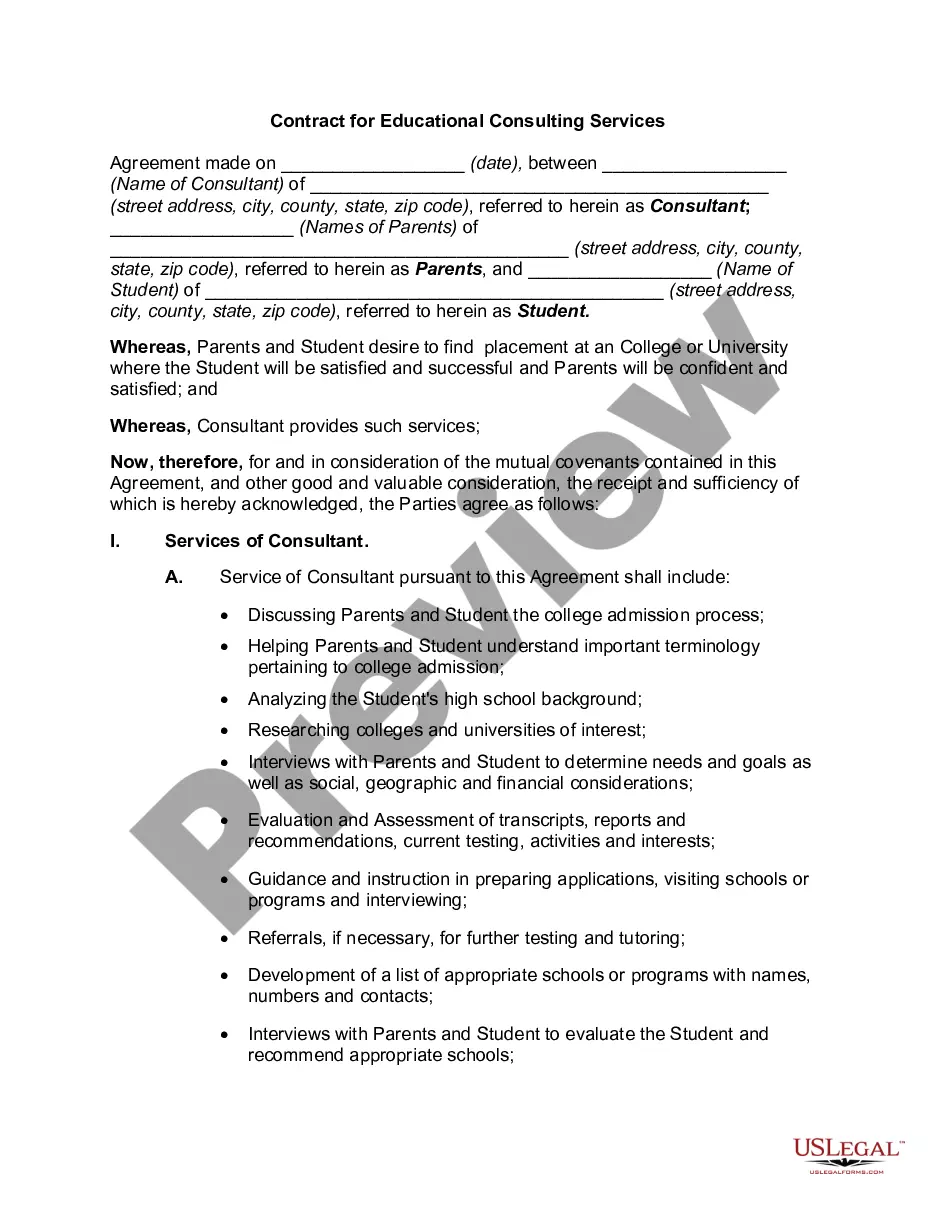
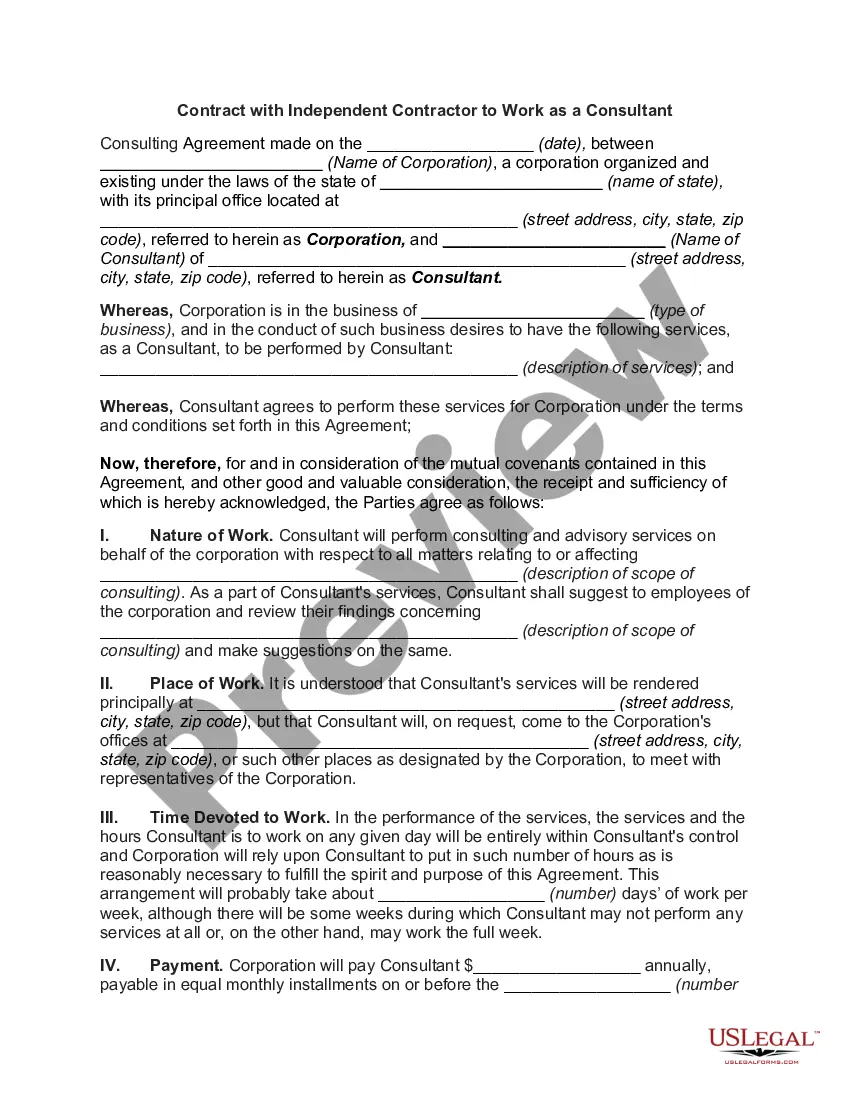
Get your form ready online
Our built-in tools help you complete, sign, share, and store your documents in one place.
Make edits, fill in missing information, and update formatting in US Legal Forms—just like you would in MS Word.
Download a copy, print it, send it by email, or mail it via USPS—whatever works best for your next step.
Sign and collect signatures with our SignNow integration. Send to multiple recipients, set reminders, and more. Go Premium to unlock E-Sign.
If this form requires notarization, complete it online through a secure video call—no need to meet a notary in person or wait for an appointment.
We protect your documents and personal data by following strict security and privacy standards.

Make edits, fill in missing information, and update formatting in US Legal Forms—just like you would in MS Word.

Download a copy, print it, send it by email, or mail it via USPS—whatever works best for your next step.

Sign and collect signatures with our SignNow integration. Send to multiple recipients, set reminders, and more. Go Premium to unlock E-Sign.

If this form requires notarization, complete it online through a secure video call—no need to meet a notary in person or wait for an appointment.

We protect your documents and personal data by following strict security and privacy standards.
Looking for another form?


Form popularity
FAQ
A contracts consultant is professional who contractually provides advice to businesses on a particular area. They essentially book contracts with various companies, assisting them with a particular area of their expertise.
Here are six best practices to write a consulting contract that defines your project scope and protects both you and your business. Define Duties, Deliverables, and Roles. Prepare for Potential Risk. Specify Project Milestones and Engagement Time. Identify Expenses and Outline Payment Terms. Specify Product Ownership.
Sometimes, a contract needs to end, even if no one's at fault. Termination for convenience allows one party—usually the project owner—to end the agreement without a breach occurring. This might happen if project funding is withdrawn or the project is no longer viable.
Termination of a consulting contract should only be done when its becomes difficult for both parties to proceed with it or either party grossly violate its terms & conditions. In such case, either party may serve termination notice to the other contracting party and finally terminate it.
The Federal Government Has the Authority to Terminate Contracts for Its Convenience. Unlike commercial contracting, the government has the unilateral right to terminate all or part of a federal contract for its own convenience without any finding of default of the contractor. FAR 49.100-102.
It is always open to parties to agree to variations to their contractual arrangements. That includes terminating it by agreement. Both parties are able to consent to termination of a contract. When they do, the mutual obligations to perform contractual obligations come to an end.
A consulting contract should offer a detailed description of the duties you will perform and the deliverables you promise the client. The agreement may also explain how much work you will perform at the client's office and how often you will work remotely.
Communicate Clearly: Initiate with a verbal explanation, followed by a written notice. Provide Adequate Notice: Respect the contractual notice period. Fulfill Obligations: Complete payments and return property. Document Everything: Keep records of the termination process.
Following is a discussion of the more important issues to be considered in every consulting agreement. Scope of Work, Compensation. Independent Contractor. Term and Termination. Rights and Data. Conflict of Interest, Non-Solicitation. Miscellaneous Provisions.
Leverage your professional network, join industry-specific job boards, and attend relevant conferences and events. Utilize LinkedIn to showcase your expertise and connect with potential clients. Additionally, consider working with staffing agencies that specialize in contract placements.
