Contract Training For Non Lawyers In Santa Clara
Description


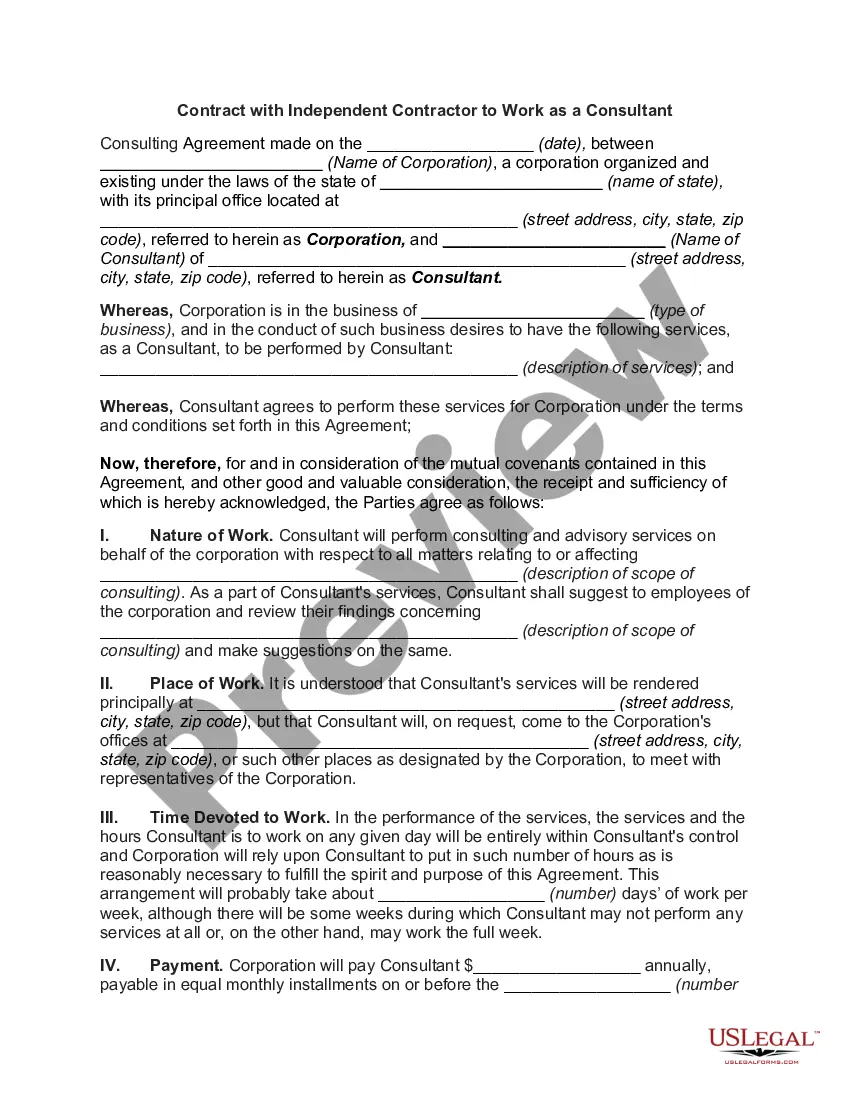
Get your form ready online
Our built-in tools help you complete, sign, share, and store your documents in one place.
Make edits, fill in missing information, and update formatting in US Legal Forms—just like you would in MS Word.
Download a copy, print it, send it by email, or mail it via USPS—whatever works best for your next step.
Sign and collect signatures with our SignNow integration. Send to multiple recipients, set reminders, and more. Go Premium to unlock E-Sign.
If this form requires notarization, complete it online through a secure video call—no need to meet a notary in person or wait for an appointment.
We protect your documents and personal data by following strict security and privacy standards.

Make edits, fill in missing information, and update formatting in US Legal Forms—just like you would in MS Word.

Download a copy, print it, send it by email, or mail it via USPS—whatever works best for your next step.

Sign and collect signatures with our SignNow integration. Send to multiple recipients, set reminders, and more. Go Premium to unlock E-Sign.

If this form requires notarization, complete it online through a secure video call—no need to meet a notary in person or wait for an appointment.

We protect your documents and personal data by following strict security and privacy standards.
Looking for another form?

Form popularity
FAQ
For a contract to be binding it needs to satisfy four principles, offer, acceptance, consideration, and the intention to create legal relations. Generally, the law believes that an agreement is made when one party makes an offer and the other party accepts it.
Understanding these seven essential elements of a contract — offer, acceptance, consideration, legally competent parties, meeting of the minds, terms of the contract, and legality of purpose — will help you check whether any agreement you enter into is a strong, legally binding contract.
What are the essential elements of a contract? There are seven essential elements an agreement must have to be considered a valid contract. The elements of a contract include identification, offer, acceptance, consideration, meeting of the minds, competency and capacity, and contract legality.
Legally binding contracts can be done both in writing or orally. However, when it comes to business transactions, it's best to have the majority of your contracts in writing. There is no law requiring contracts to be written by a lawyer. There are no laws that indicate any specific form or font they should be in.
To be legally enforceable, an agreement must contain all of the following criteria: An offer and acceptance; Certainty of terms; Consideration; An intention to create legal relations; Capacity of the parties; and, Legality of purpose.
Understanding these 5 elements of contract law—offer, acceptance, consideration, legal capacity, and lawful purpose—ensures that your agreements are legally binding and enforceable. This knowledge helps you navigate the complexities of contracts and avoid common pitfalls.
For a contract to be valid and recognized by the common law, it must include certain elements-- offer, acceptance, consideration, intention to create legal relations, authority and capacity, and certainty. Without these elements, a contract is not legally binding and may not be enforced by the courts.
To be considered legally valid, a contract must meet certain criteria, such as mutual assent, consideration, capacity, and a legal purpose. However, it is possible to create a legal contract without hiring a lawyer. Seeking lawyers is customary but not necessary.
An individual must generally be of sound mind and able to understand the nature and consequences of a legal contract or other signed agreement. Someone with a severe mental illness or incapacitating condition at the time of contract formation may lack the mental capacity to enter into an agreement.
The traditional route is to get a law degree or a related degree, take the LPC – by 2032, the LPC will be completely phased out – and the SQE if you have a non-law degree. After the SQE you'll need to get a TC at a law firm, preferably one with a strong showing in contract law.
