Consultant Contract Under Foreign Exchange In Pima
Description

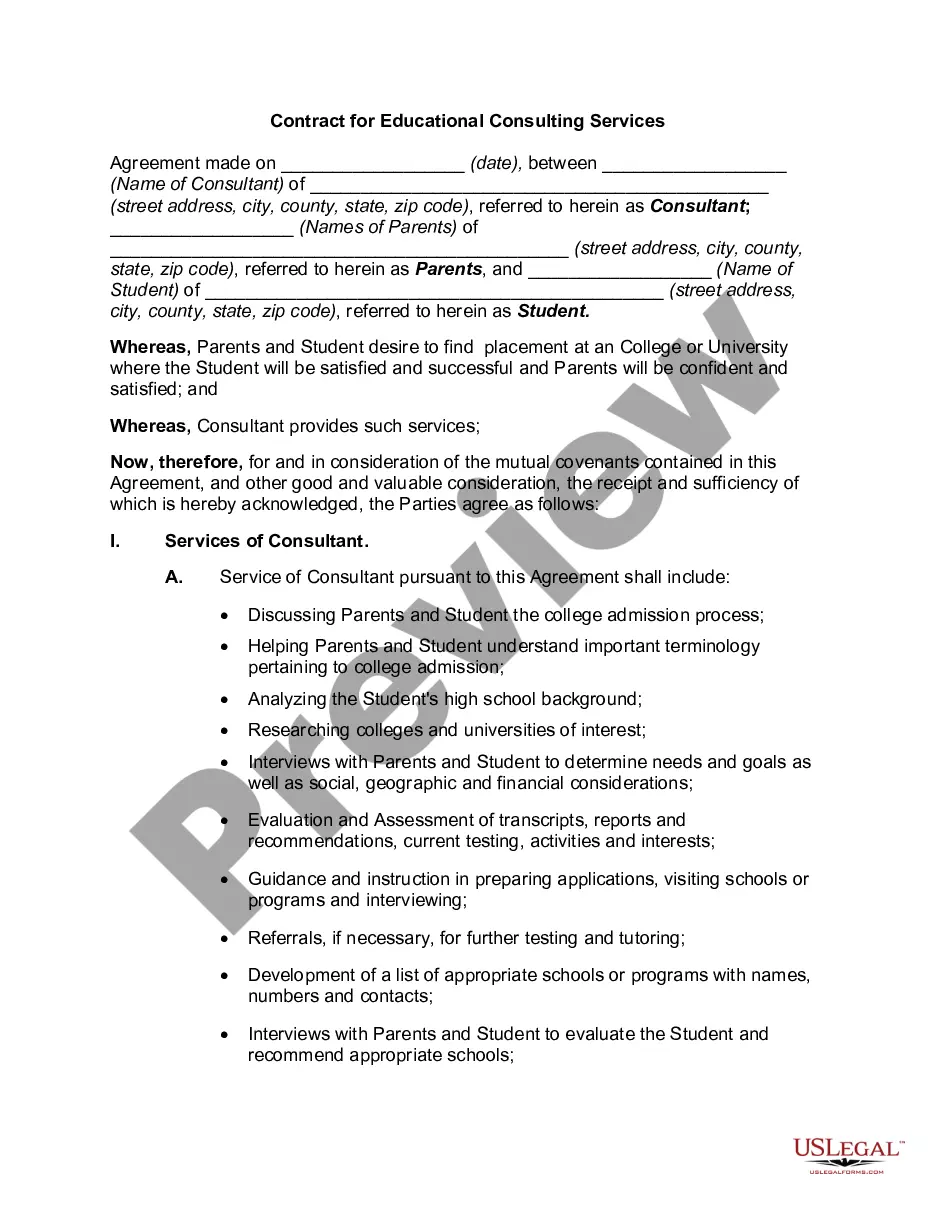
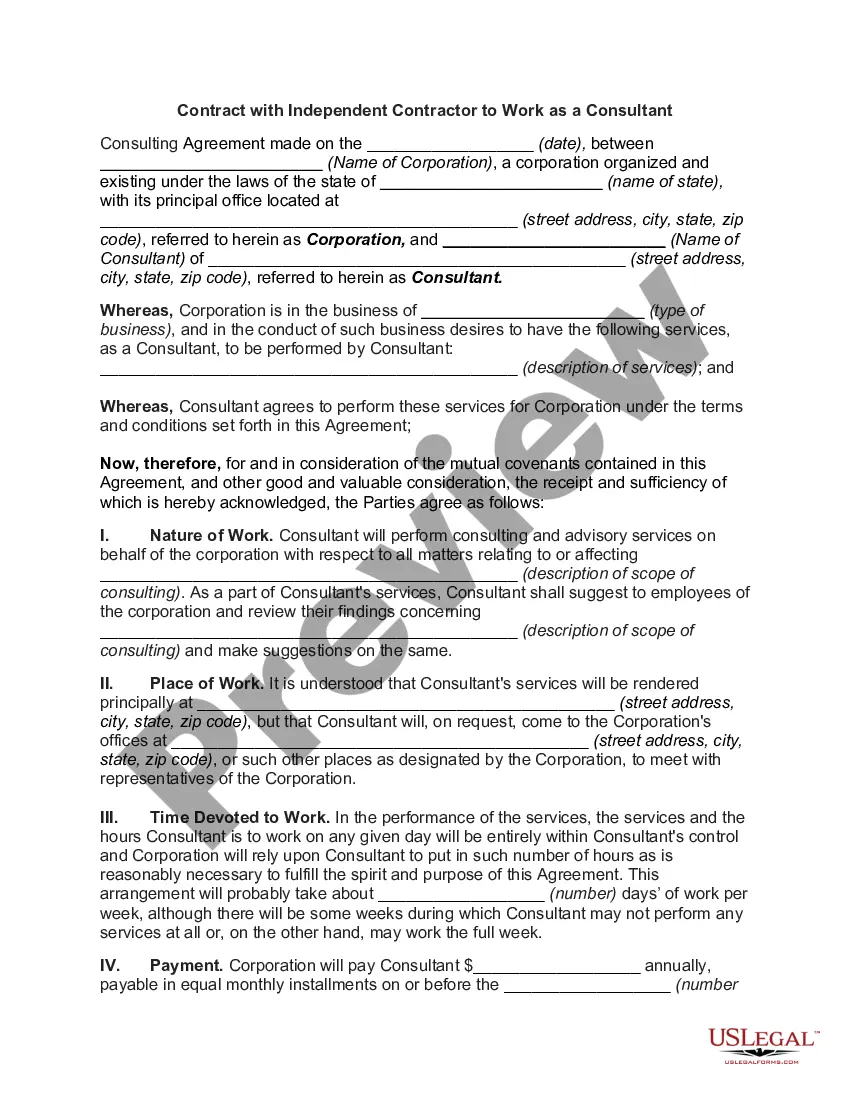
Get your form ready online
Our built-in tools help you complete, sign, share, and store your documents in one place.
Make edits, fill in missing information, and update formatting in US Legal Forms—just like you would in MS Word.
Download a copy, print it, send it by email, or mail it via USPS—whatever works best for your next step.
Sign and collect signatures with our SignNow integration. Send to multiple recipients, set reminders, and more. Go Premium to unlock E-Sign.
If this form requires notarization, complete it online through a secure video call—no need to meet a notary in person or wait for an appointment.
We protect your documents and personal data by following strict security and privacy standards.

Make edits, fill in missing information, and update formatting in US Legal Forms—just like you would in MS Word.

Download a copy, print it, send it by email, or mail it via USPS—whatever works best for your next step.

Sign and collect signatures with our SignNow integration. Send to multiple recipients, set reminders, and more. Go Premium to unlock E-Sign.

If this form requires notarization, complete it online through a secure video call—no need to meet a notary in person or wait for an appointment.

We protect your documents and personal data by following strict security and privacy standards.
Looking for another form?



Form popularity
FAQ
Answer: In virtually all cases, fair value is the accounting basis used to record items received in an exchange. The net book value of the old asset is removed from the accounts and the new model is reported at fair value. Fair value is added; net book value is removed. A gain or loss is recognized for the difference.
With FX accounting, you must record transactions in another currency at the exchange rate in effect at the time of the transaction or immediately afterward if an exchange rate isn't available for that specific date.
Foreign Exchange Accounting covers the accounting of the transactions which are carried by a business in different currencies (Foreign currency) other than functional currency, and records such transactions in the functional currency of the reporting entity, based on the exchange rate in effect on the date of ...
Exchange differences on such a contract should be recognised in the statement of profit and loss in the reporting period in which the exchange rates change. Any profit or loss arising on cancellation or renewal of such a forward exchange contract should be recognised as income or as expense for the period.
