Contract For Training In Ohio
Description


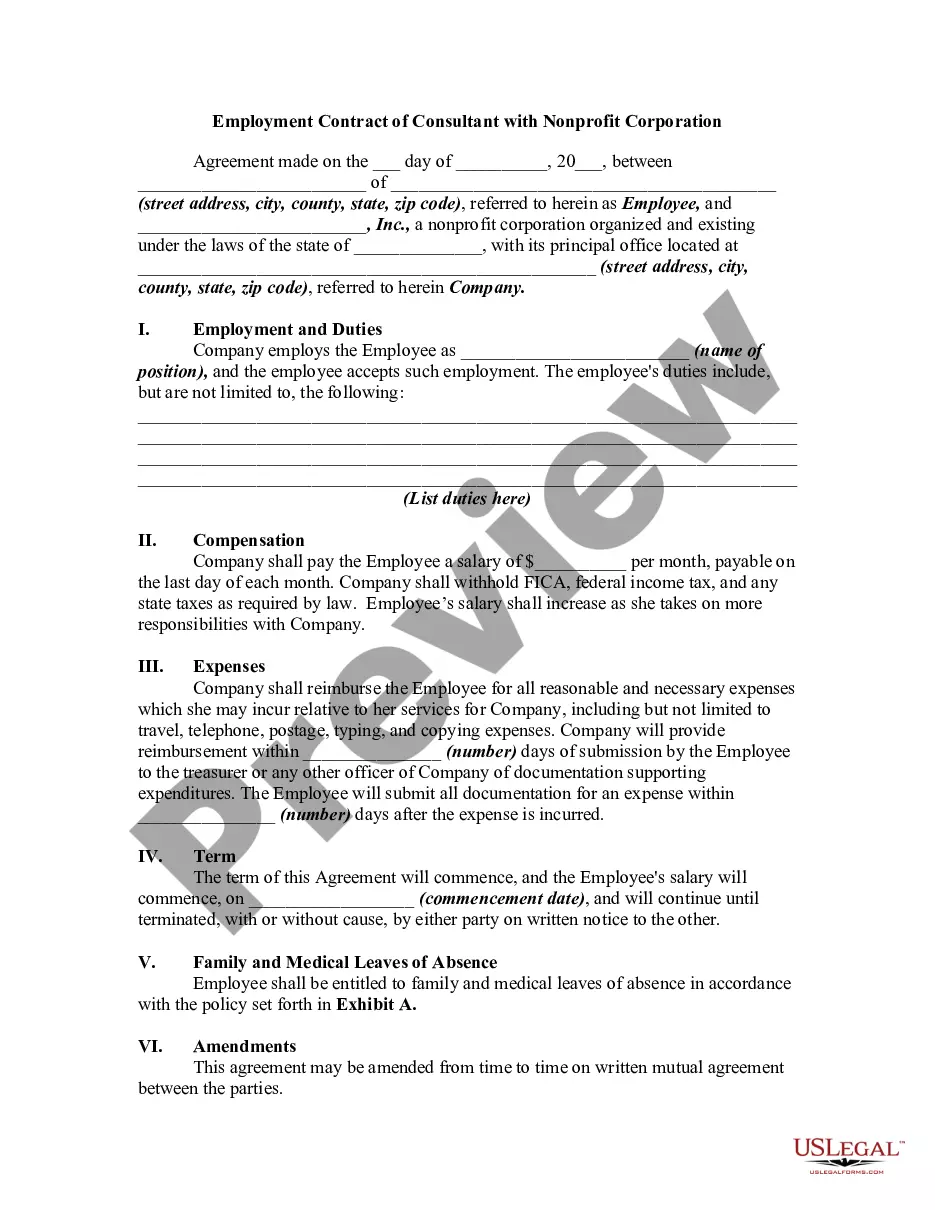
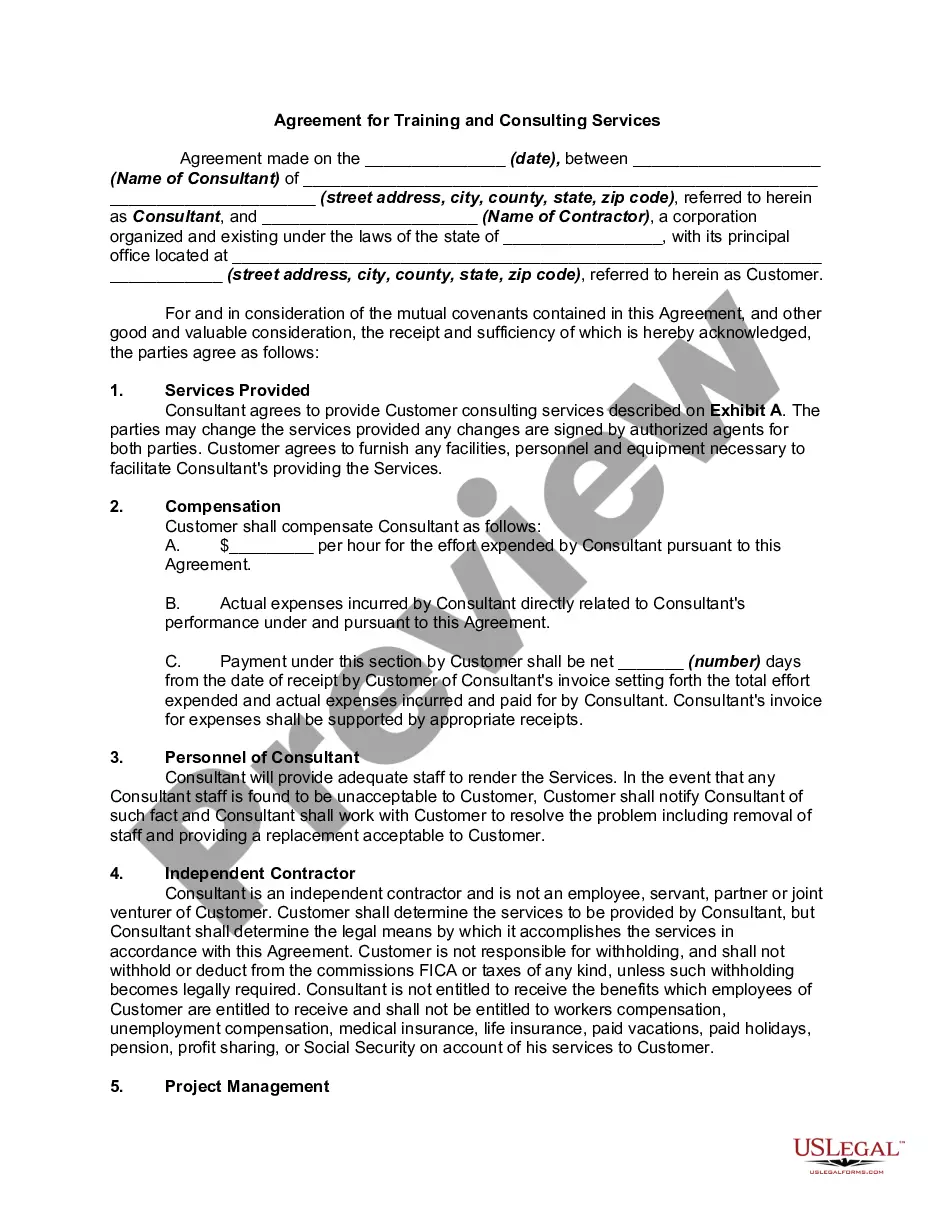
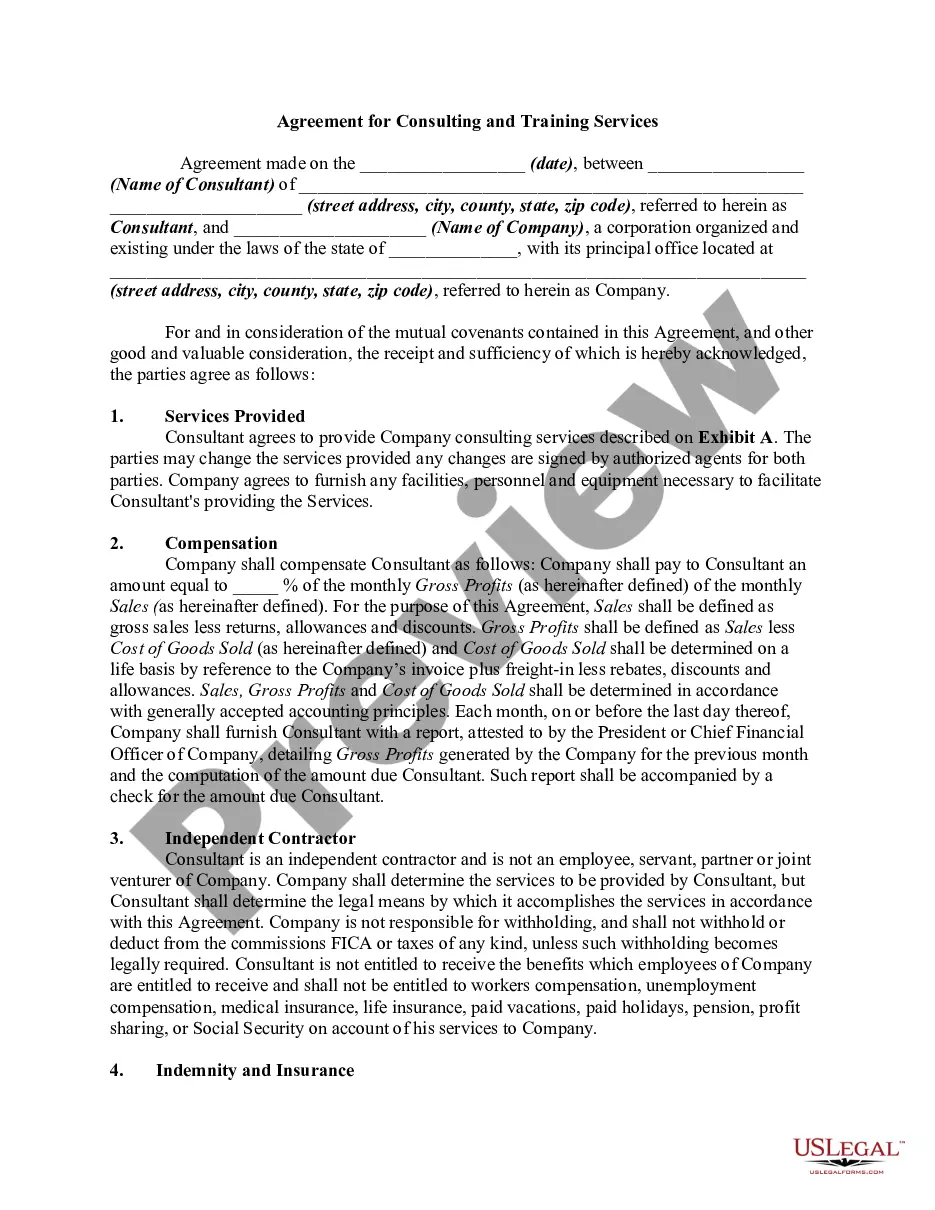
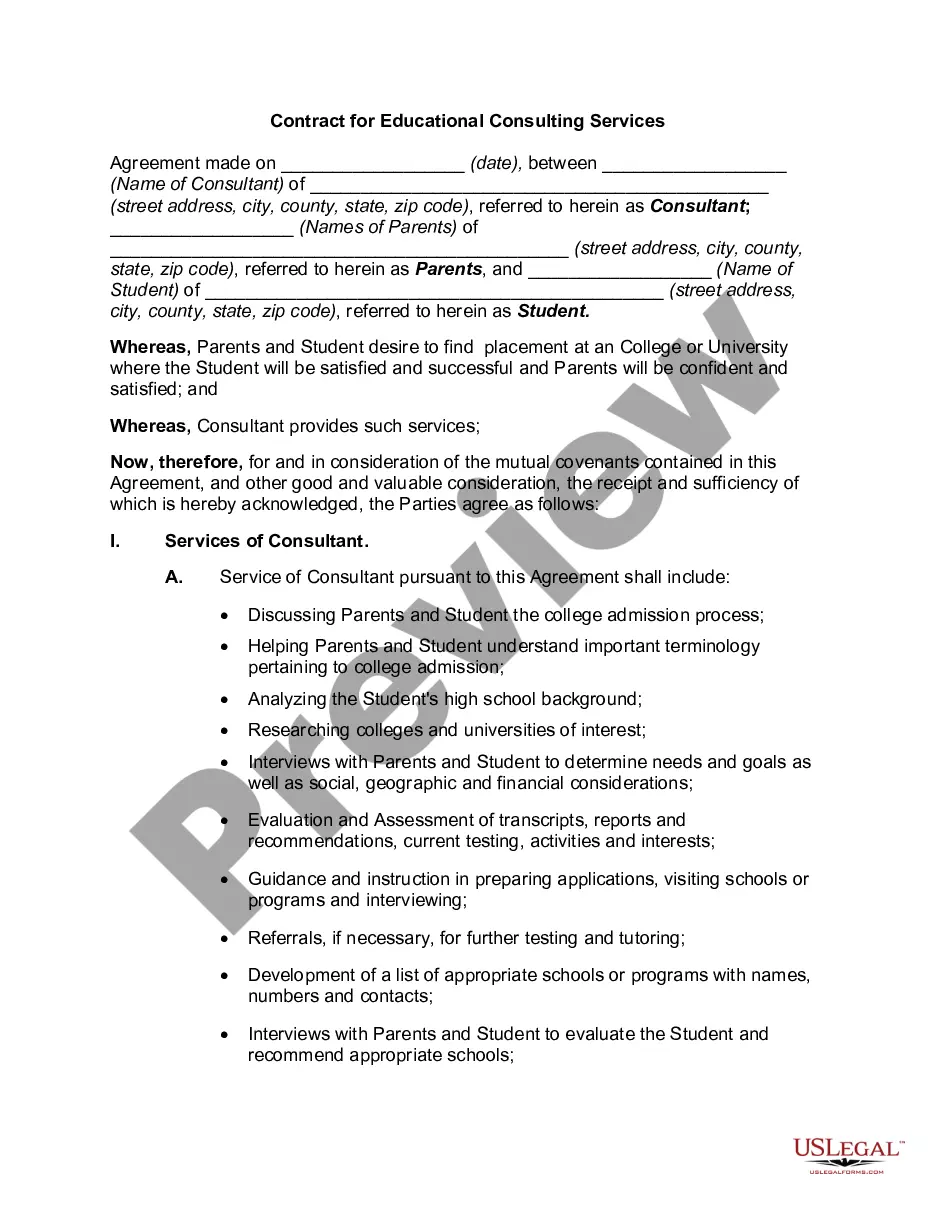
Get your form ready online
Our built-in tools help you complete, sign, share, and store your documents in one place.
Make edits, fill in missing information, and update formatting in US Legal Forms—just like you would in MS Word.
Download a copy, print it, send it by email, or mail it via USPS—whatever works best for your next step.
Sign and collect signatures with our SignNow integration. Send to multiple recipients, set reminders, and more. Go Premium to unlock E-Sign.
If this form requires notarization, complete it online through a secure video call—no need to meet a notary in person or wait for an appointment.
We protect your documents and personal data by following strict security and privacy standards.

Make edits, fill in missing information, and update formatting in US Legal Forms—just like you would in MS Word.

Download a copy, print it, send it by email, or mail it via USPS—whatever works best for your next step.

Sign and collect signatures with our SignNow integration. Send to multiple recipients, set reminders, and more. Go Premium to unlock E-Sign.

If this form requires notarization, complete it online through a secure video call—no need to meet a notary in person or wait for an appointment.

We protect your documents and personal data by following strict security and privacy standards.
Looking for another form?










Form popularity
FAQ
In Ohio, for a contract to be legally enforceable, certain elements—like a valid offer, acceptance, and a meeting of the minds—must be present within the document or verbal agreement. These elements help ensure the enforceability of the contract and confirm the agreement is valid and binding under the law.
Yes. Employment contracts are enforceable in Ohio and are governed by Ohio contract laws. This means that to be enforceable the contract must contain an offer, acceptance of the offer, and consideration. In employment contracts consideration is most often the work performed in exchange for compensation.
You shouldn't let this stop you from ensuring that your employees get relevant and up-to-date training. As an employer, you can implement a training agreement with your employee. This is a legally binding document that outlines the terms and conditions of the training you will be giving your team.
Some industries will require more compliance than others – the food, building or pharmaceutical industries are examples of these. But there are also some universal laws that most businesses might need to comply with such as basic first aid and health and safety, fire safety, GDPR and COSHH.
Training agreements provide legal protection for employers. They can include clauses that allow employees to repay training expenses if they quit the company within a specific timeframe. This ensures the company can avoid the financial burden of training employees who end up leaving for other opportunities.
A law training contract is a two year period of practical learning undertaken by aspiring solicitors who have taken the Legal Practice Course (LPC) route to qualify as a solicitor.
In Ohio, for a contract to be legally enforceable, certain elements—like a valid offer, acceptance, and a meeting of the minds—must be present within the document or verbal agreement. These elements help ensure the enforceability of the contract and confirm the agreement is valid and binding under the law.
Equal Employment Opportunity is the Law. The Ohio Civil Rights Act protects applicants and employees of private employers, state, county and local governments, educational institutions, labor organizations, employment agencies and personnel placement services from unlawful discriminatory employment practices.
Ohio is an at-will employment state, which means that in the absence of a written employment agreement or a collective bargaining agreement providing otherwise, either the employer or the employee may terminate employment for any reason that is not contrary to law.