Consultant Contract Under Withholding In Ohio
Description


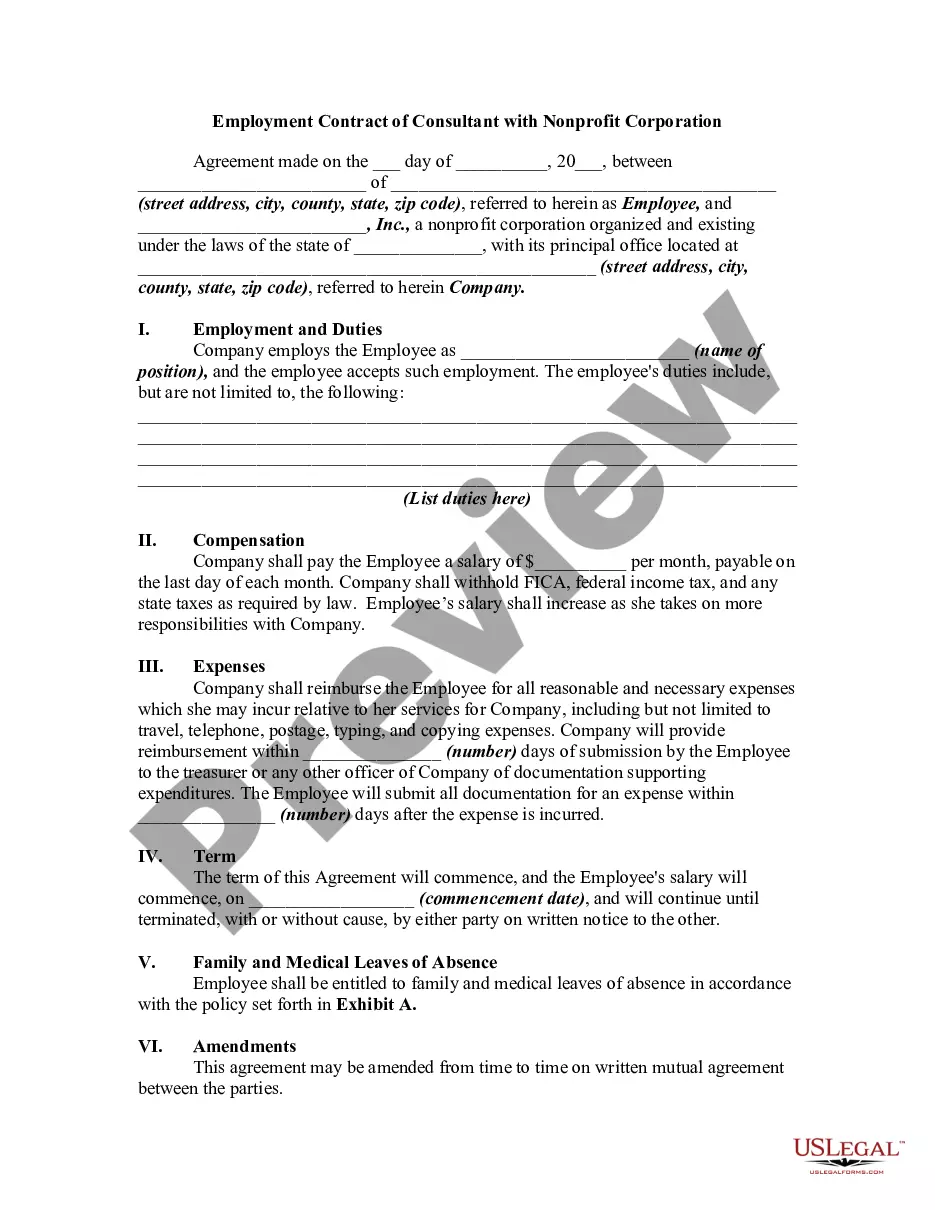
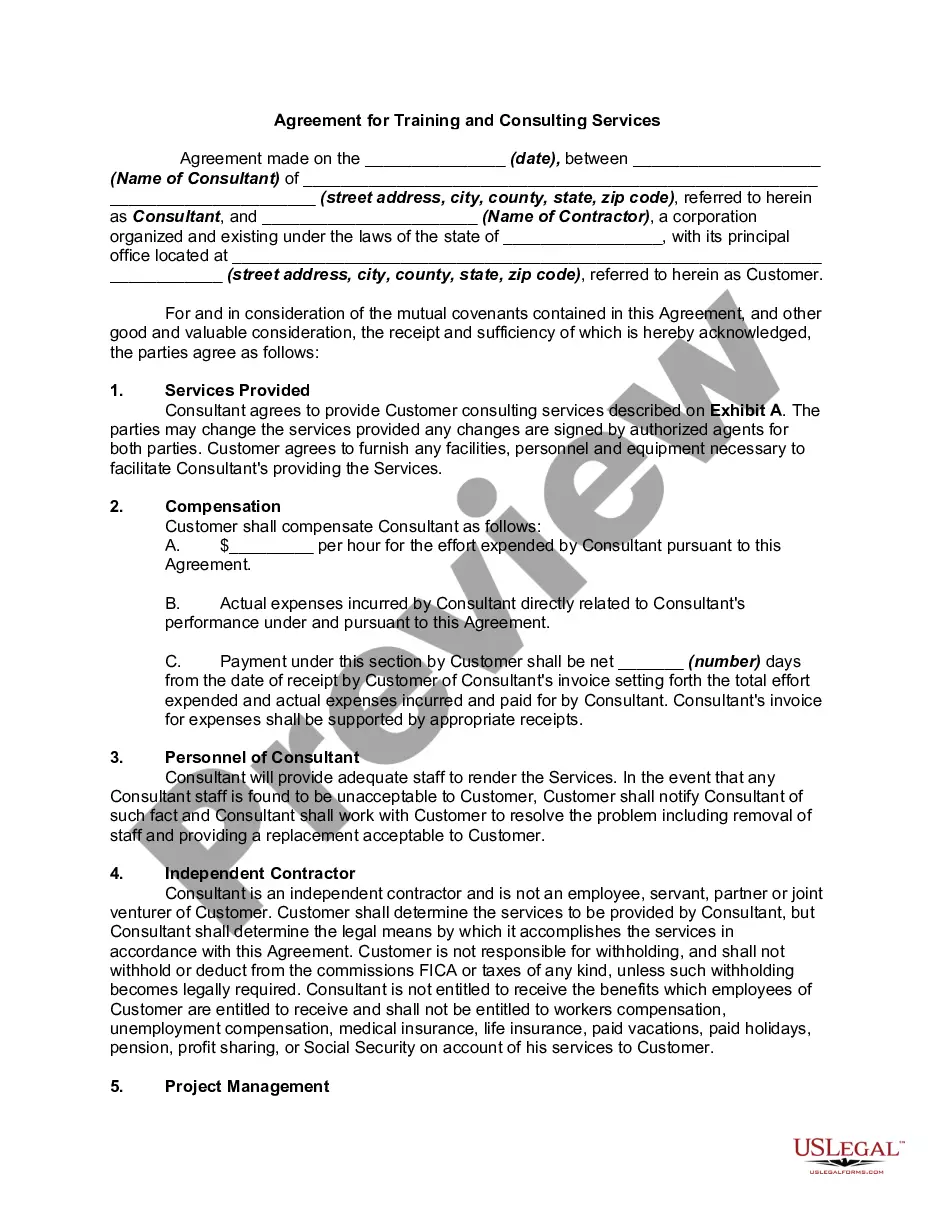
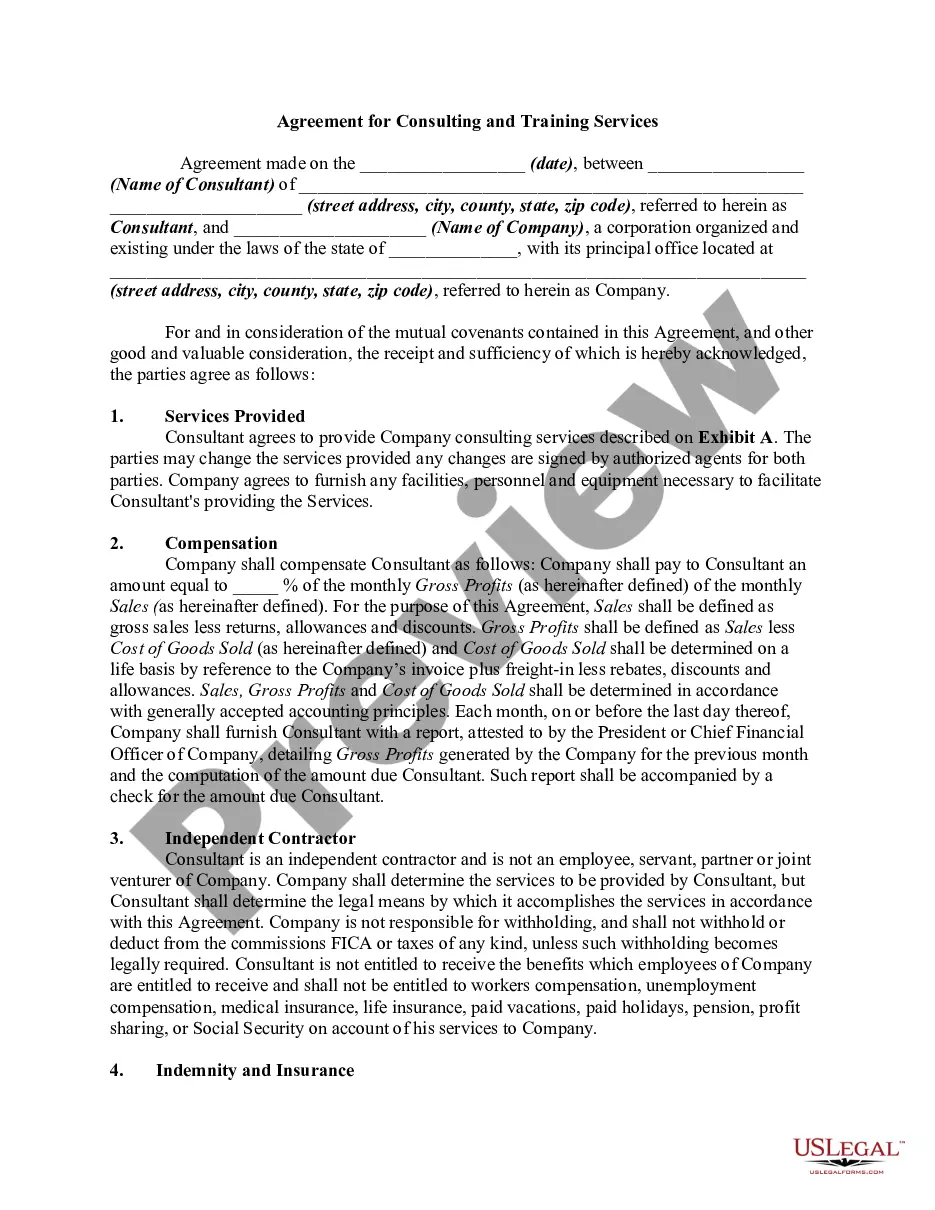
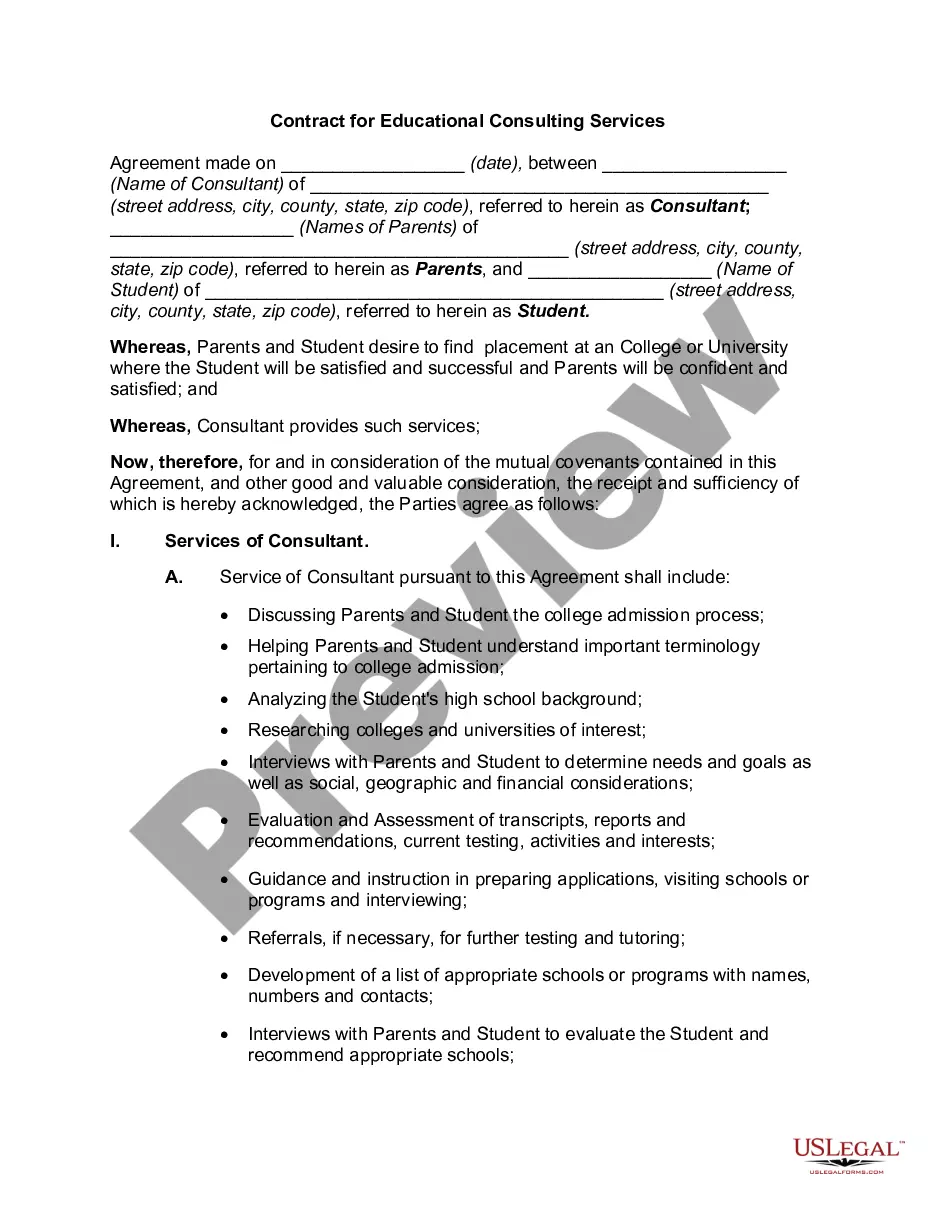
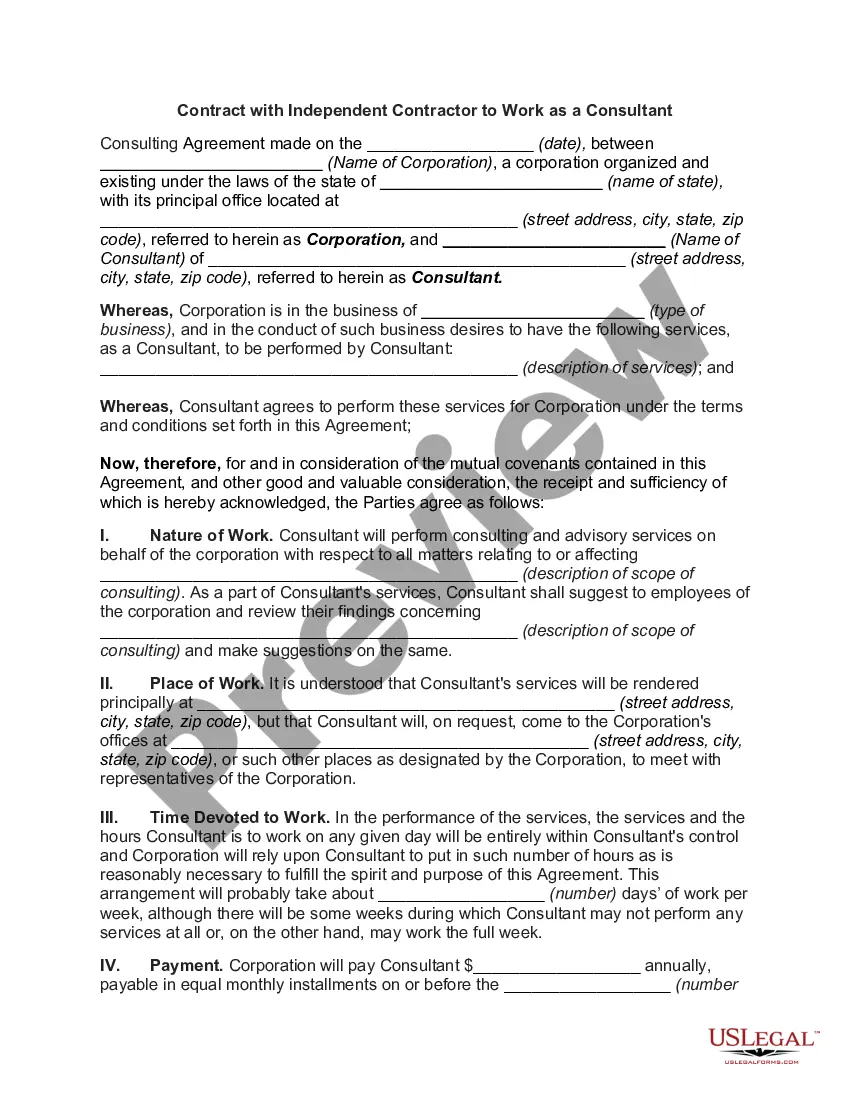
Get your form ready online
Our built-in tools help you complete, sign, share, and store your documents in one place.
Make edits, fill in missing information, and update formatting in US Legal Forms—just like you would in MS Word.
Download a copy, print it, send it by email, or mail it via USPS—whatever works best for your next step.
Sign and collect signatures with our SignNow integration. Send to multiple recipients, set reminders, and more. Go Premium to unlock E-Sign.
If this form requires notarization, complete it online through a secure video call—no need to meet a notary in person or wait for an appointment.
We protect your documents and personal data by following strict security and privacy standards.

Make edits, fill in missing information, and update formatting in US Legal Forms—just like you would in MS Word.

Download a copy, print it, send it by email, or mail it via USPS—whatever works best for your next step.

Sign and collect signatures with our SignNow integration. Send to multiple recipients, set reminders, and more. Go Premium to unlock E-Sign.

If this form requires notarization, complete it online through a secure video call—no need to meet a notary in person or wait for an appointment.

We protect your documents and personal data by following strict security and privacy standards.
Looking for another form?





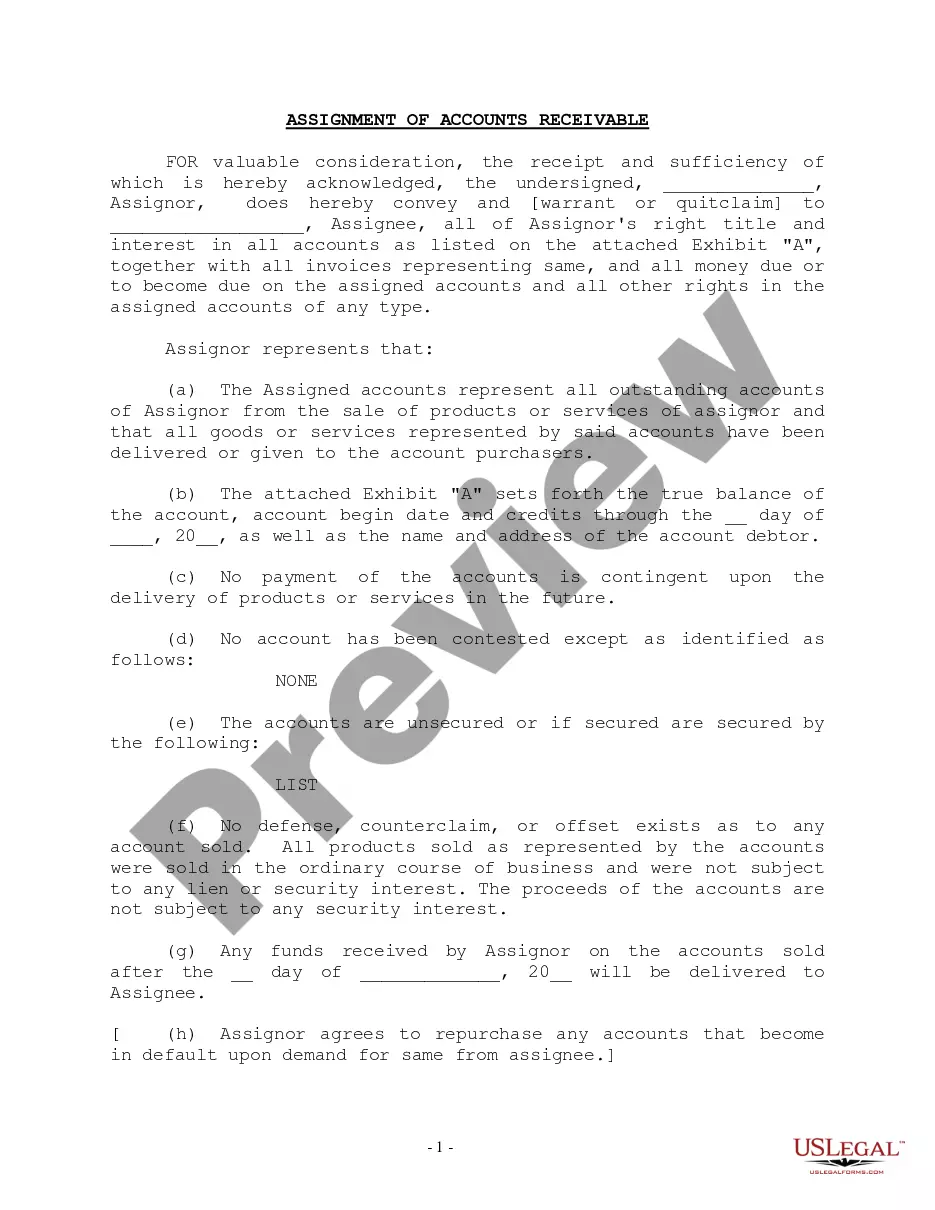


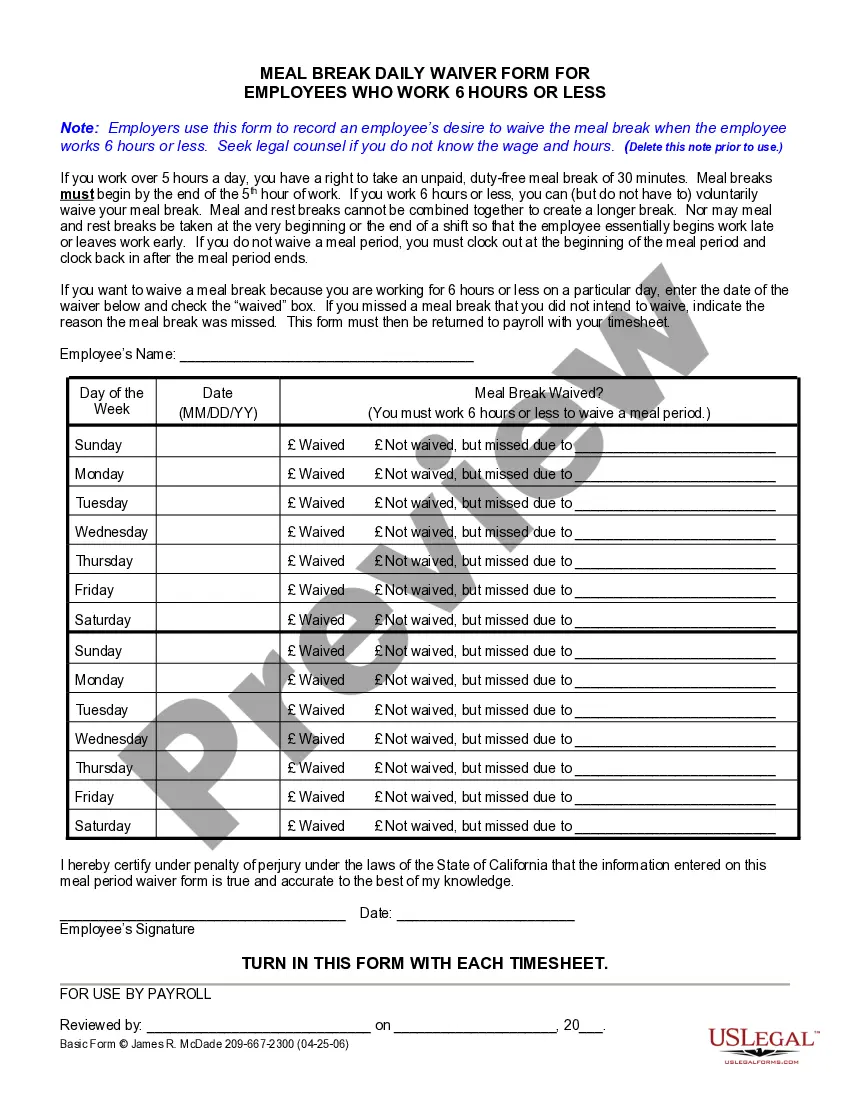
Form popularity
FAQ
Reciprocity Exemption: If you are a resident of Indiana, Kentucky, Pennsylvania, Michigan or West Virginia and you work in Ohio, you do not owe Ohio income tax on your compensation. Instead, you should have your employer withhold income tax for your resident state.
Ohio has a graduated state individual income tax, with rates ranging from 2.750 percent to 3.500 percent. There are also jurisdictions that collect local income taxes. Ohio does not have a corporate income tax but does levy a state gross receipts tax.
An employer that pays wages or other compensation to employees for services performed within OH State is required to withhold Ohio income taxes, including municipal and school district income taxes.
Submit form IT 4 to your employer on or before the start date of employment so your employer will withhold and remit Ohio income tax from your compensation. If applicable, your employer will also withhold school district income tax.
In Ohio, you have an income tax obligation to both your employment city and your resident city. Your employer is required by law to withhold your work place city tax and if you have "fully withheld", you have no filing requirement with your work place city.
Categories of workers that are exempt from Ohio withholding taxes include agricultural workers, domestic service workers, providers of low-income services, foreign government services, underage paper deliverers, and non-trade services.
In Ohio, some professional services are taxable. For instance, though interior design and management consulting are not taxable, IT services and payroll services are.
If you move during the tax year, complete an updated IT 4 immediately reflecting your new address and/ or school district of residence. Line 1: If you can be claimed on someone else's Ohio income tax return as a dependent, then you are to enter “0” on this line. Everyone else may enter “1”.
