Contracts For Contract Workers In North Carolina
Description

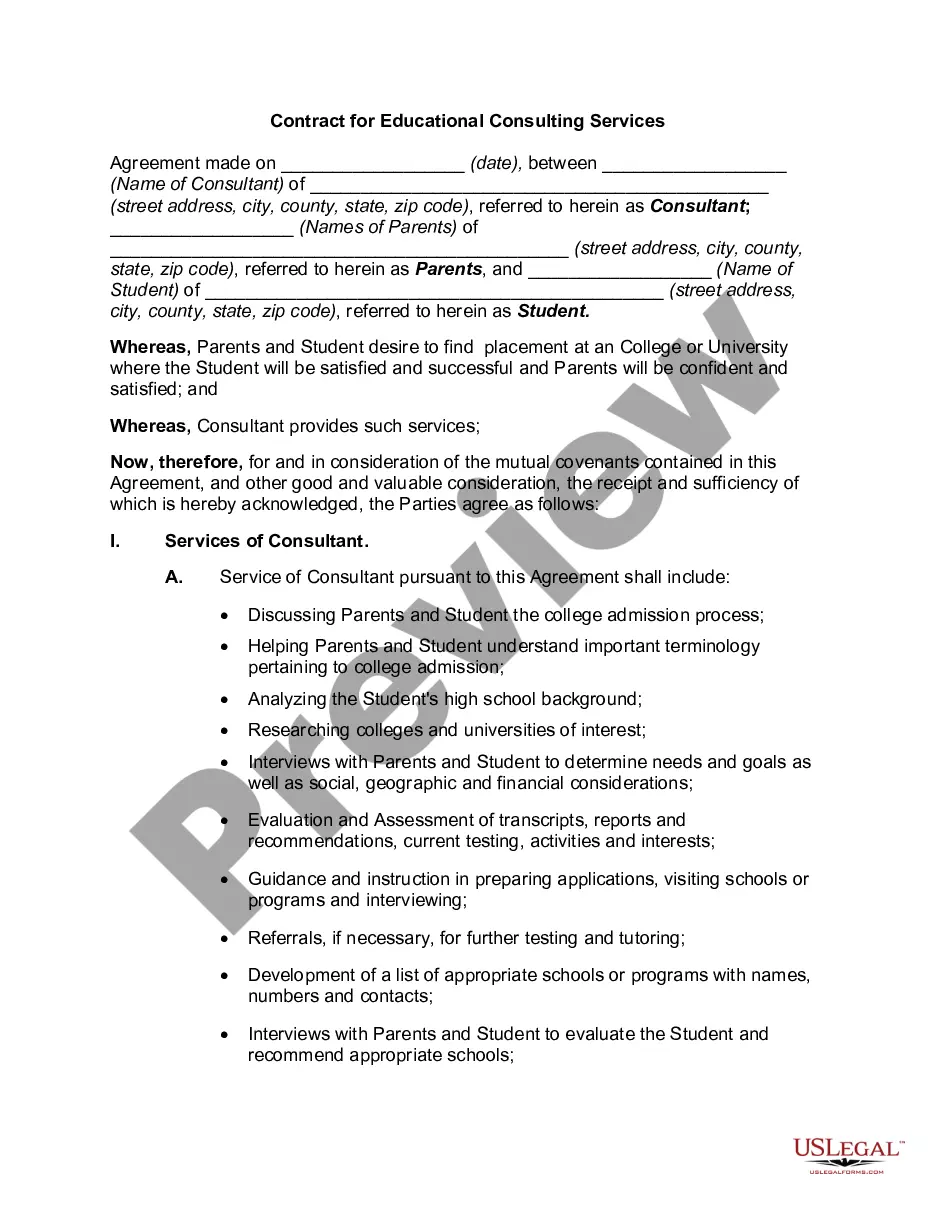
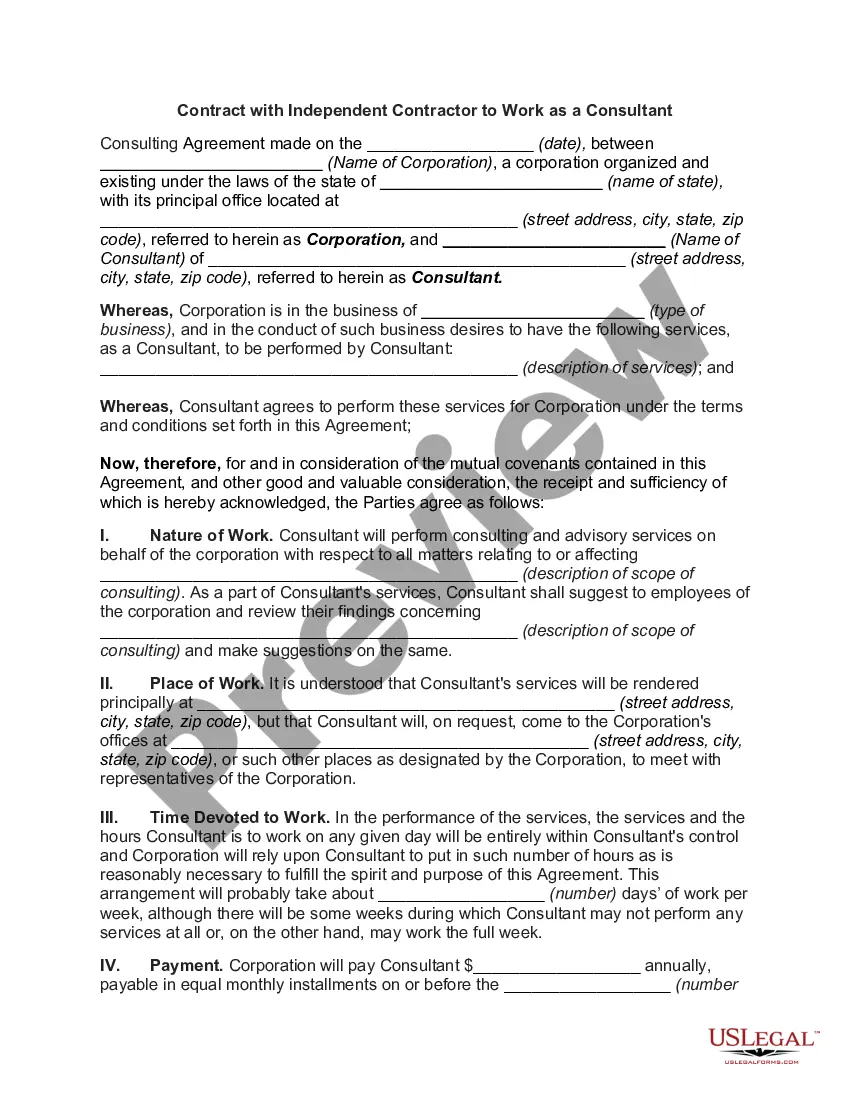
Get your form ready online
Our built-in tools help you complete, sign, share, and store your documents in one place.
Make edits, fill in missing information, and update formatting in US Legal Forms—just like you would in MS Word.
Download a copy, print it, send it by email, or mail it via USPS—whatever works best for your next step.
Sign and collect signatures with our SignNow integration. Send to multiple recipients, set reminders, and more. Go Premium to unlock E-Sign.
If this form requires notarization, complete it online through a secure video call—no need to meet a notary in person or wait for an appointment.
We protect your documents and personal data by following strict security and privacy standards.

Make edits, fill in missing information, and update formatting in US Legal Forms—just like you would in MS Word.

Download a copy, print it, send it by email, or mail it via USPS—whatever works best for your next step.

Sign and collect signatures with our SignNow integration. Send to multiple recipients, set reminders, and more. Go Premium to unlock E-Sign.

If this form requires notarization, complete it online through a secure video call—no need to meet a notary in person or wait for an appointment.

We protect your documents and personal data by following strict security and privacy standards.
Looking for another form?









Form popularity
FAQ
Here is a basic structure: Consent to Assignment: Neither party may assign or transfer any of its rights or obligations under this Agreement without the prior written consent of the other party. Any attempt to assign or transfer in violation of this provision will be null and void.
Delegation of performance; assignment of rights. (1) A party may perform his duty through a delegate unless otherwise agreed or unless the other party has a substantial interest in having his original promisor perform or control the acts required by the contract.
North Carolina is an at-will-employment state, which means that an employer may end the employment relationship at any time and for any reason as long as it is not an otherwise unlawful reason.
§ 25-2-210. Delegation of performance; assignment of rights. (1) A party may perform his duty through a delegate unless otherwise agreed or unless the other party has a substantial interest in having his original promisor perform or control the acts required by the contract.
In most cases, verbal contracts are treated the same way as written contracts in North Carolina. However, it is important to note that in certain cases, a verbal contract will not stand up in court. These include the following: Contracts relating to the lease and sale of land.
In order to have a valid contract in North Carolina, there must be an offer, an acceptance, along with consideration. The parties must also have the capacity to enter into the contract.
State Law contract actions in North Carolina are subject to a three-year statute of limitations. However, the statute of limitations is four years if the action involves a contract for the sale of goods.
Contracts that involve personal services, such as employment contracts or contracts for personal performance (like a contract with an artist to perform at a venue), generally cannot be assigned.
In order to have a valid contract in North Carolina, there must be an offer, an acceptance, along with consideration.
The two contract types are: Indefinite term, which is the most common type of contract. It doesn't have an end date and entitles the employees to all the rights guaranteed by the employment law in Brazil. Definite term which includes a standard contract, an experience contract, and an apprenticeship contract.
