Consultant Work Contract For Accounting In North Carolina
Description

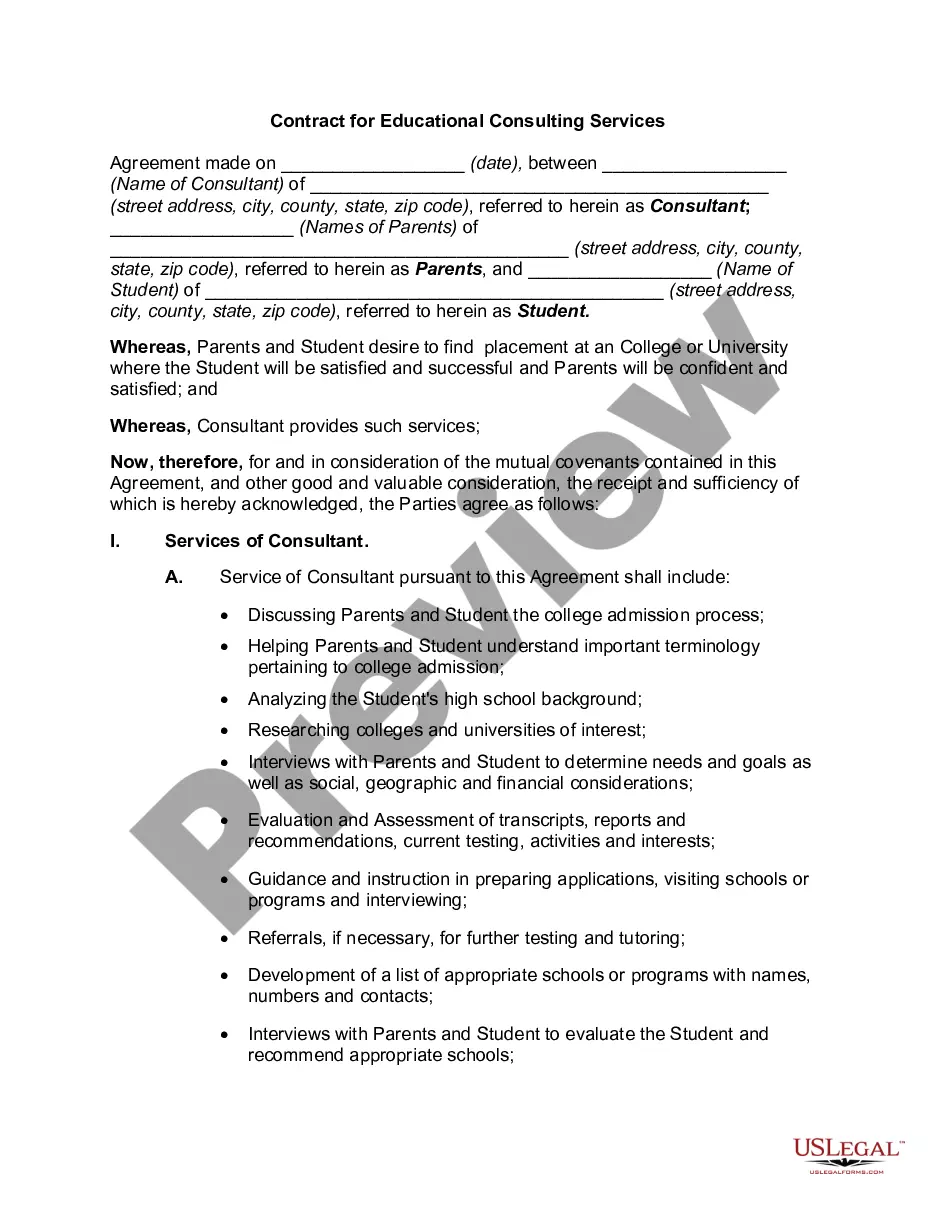
Get your form ready online
Our built-in tools help you complete, sign, share, and store your documents in one place.
Make edits, fill in missing information, and update formatting in US Legal Forms—just like you would in MS Word.
Download a copy, print it, send it by email, or mail it via USPS—whatever works best for your next step.
Sign and collect signatures with our SignNow integration. Send to multiple recipients, set reminders, and more. Go Premium to unlock E-Sign.
If this form requires notarization, complete it online through a secure video call—no need to meet a notary in person or wait for an appointment.
We protect your documents and personal data by following strict security and privacy standards.

Make edits, fill in missing information, and update formatting in US Legal Forms—just like you would in MS Word.

Download a copy, print it, send it by email, or mail it via USPS—whatever works best for your next step.

Sign and collect signatures with our SignNow integration. Send to multiple recipients, set reminders, and more. Go Premium to unlock E-Sign.

If this form requires notarization, complete it online through a secure video call—no need to meet a notary in person or wait for an appointment.

We protect your documents and personal data by following strict security and privacy standards.
Looking for another form?
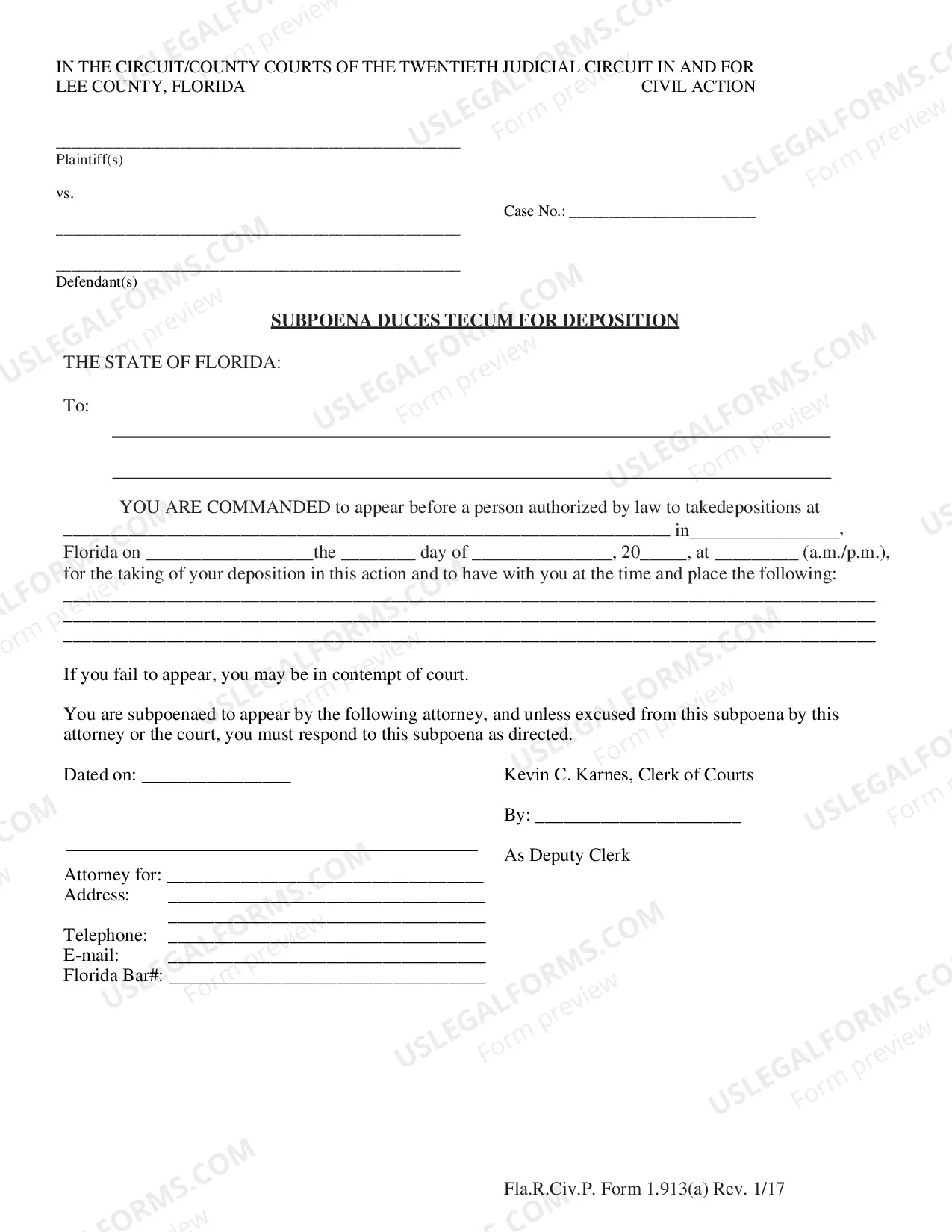

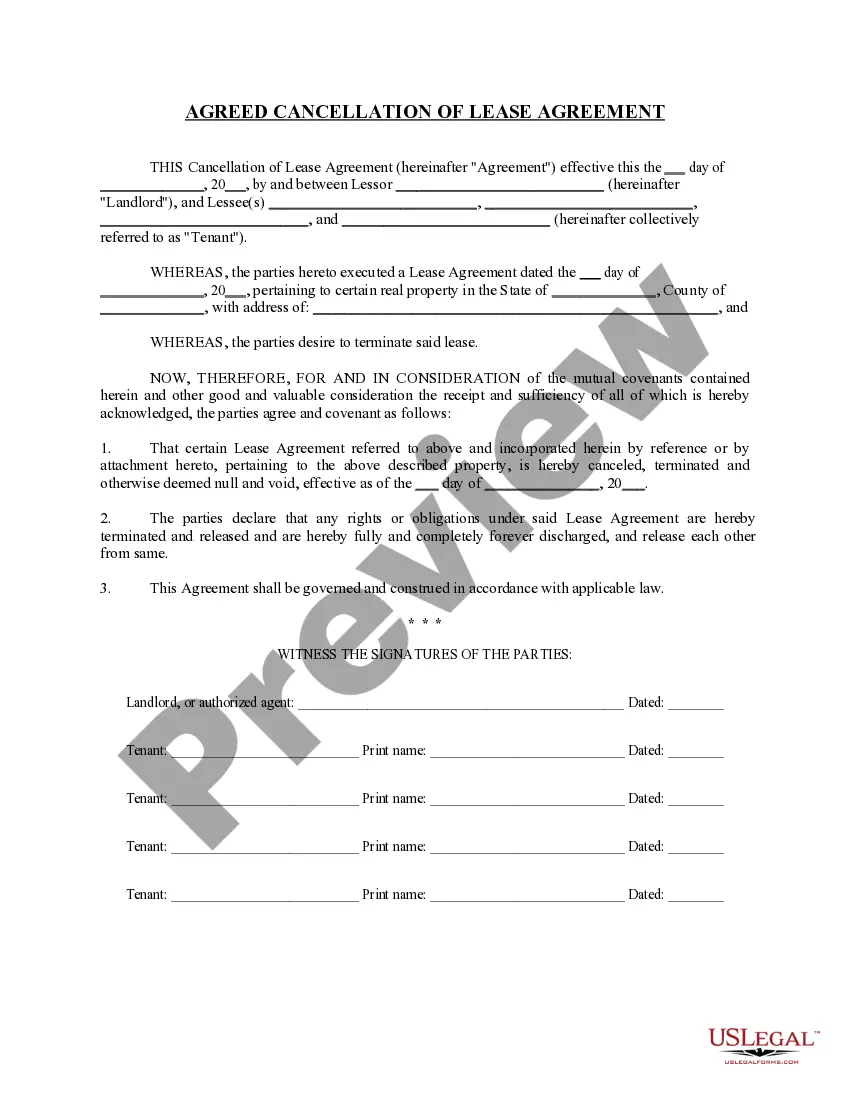

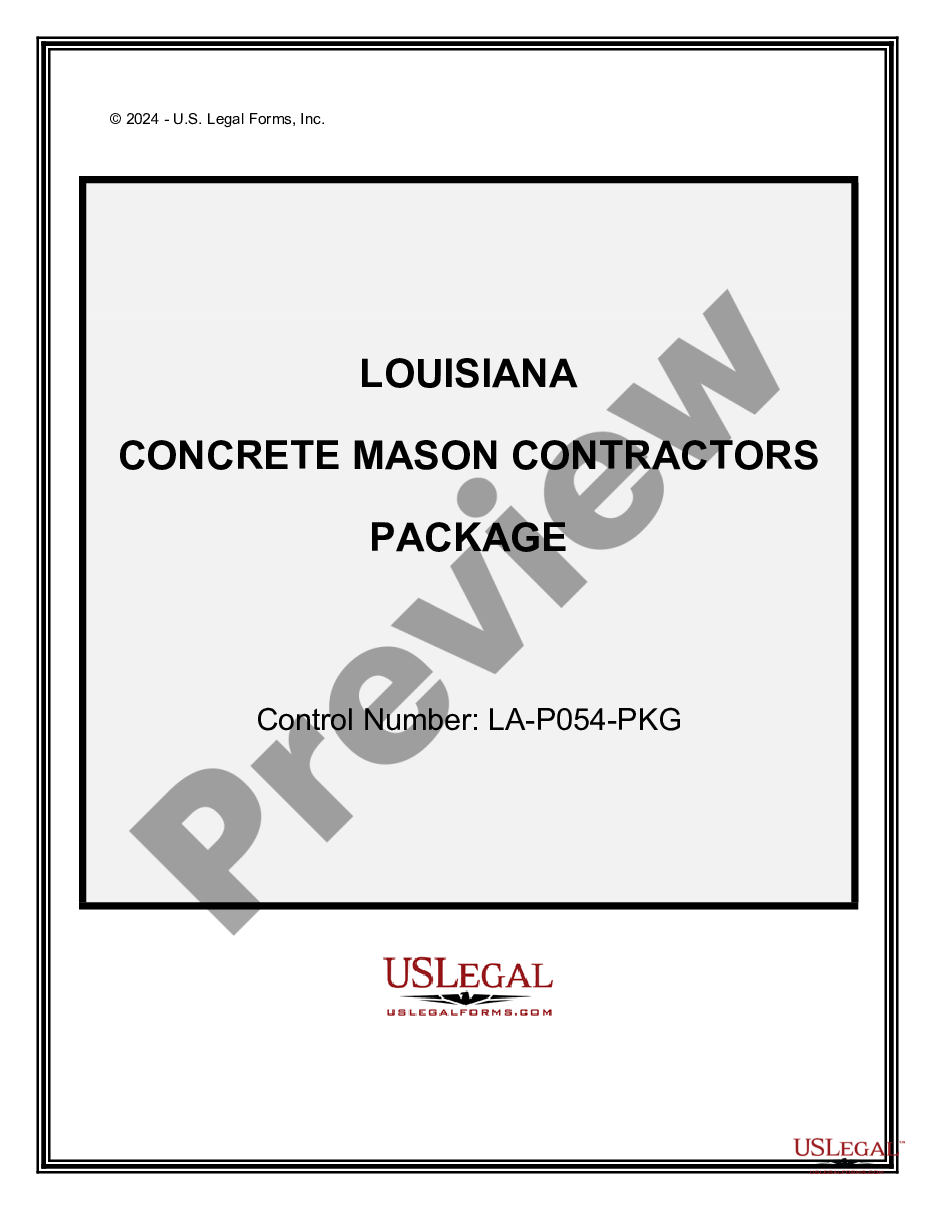
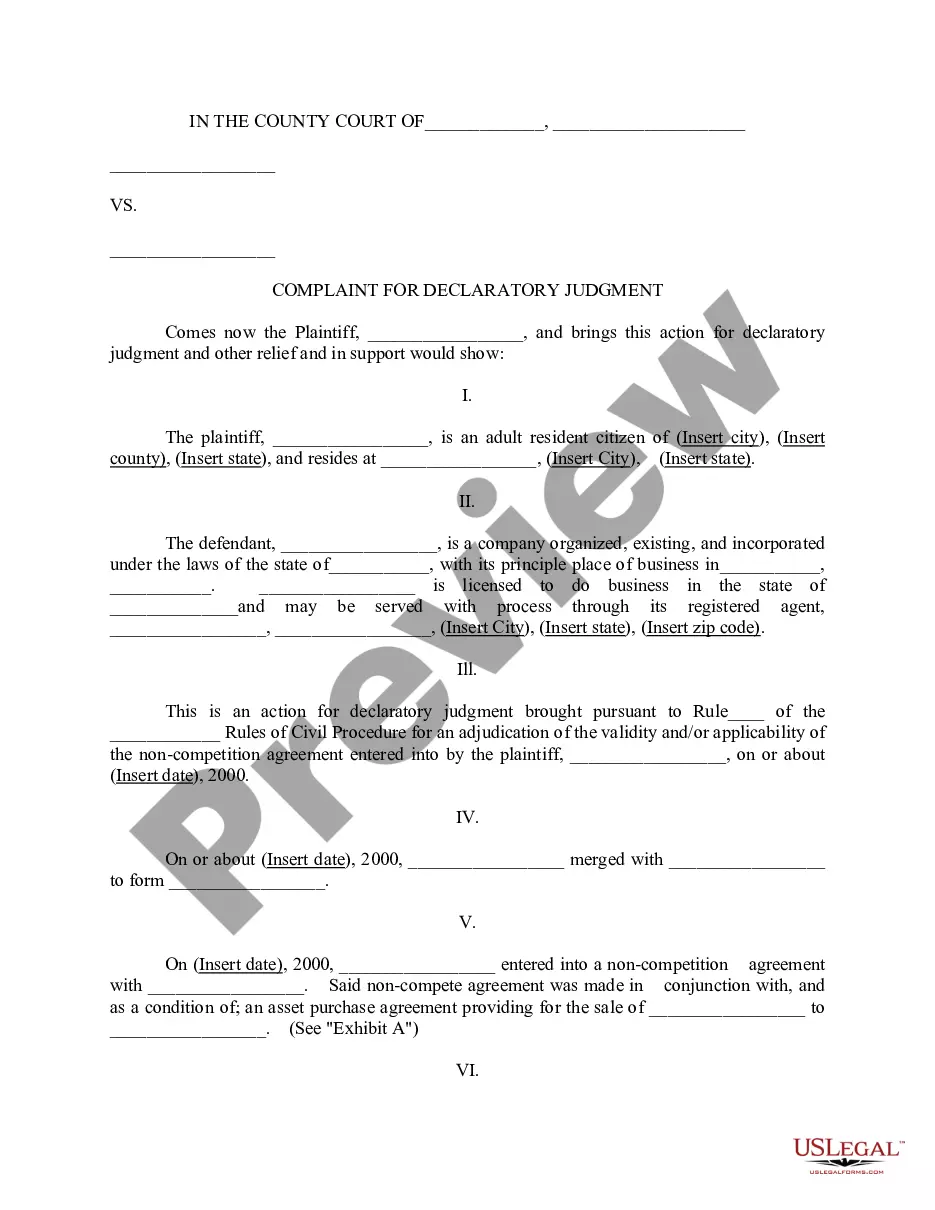

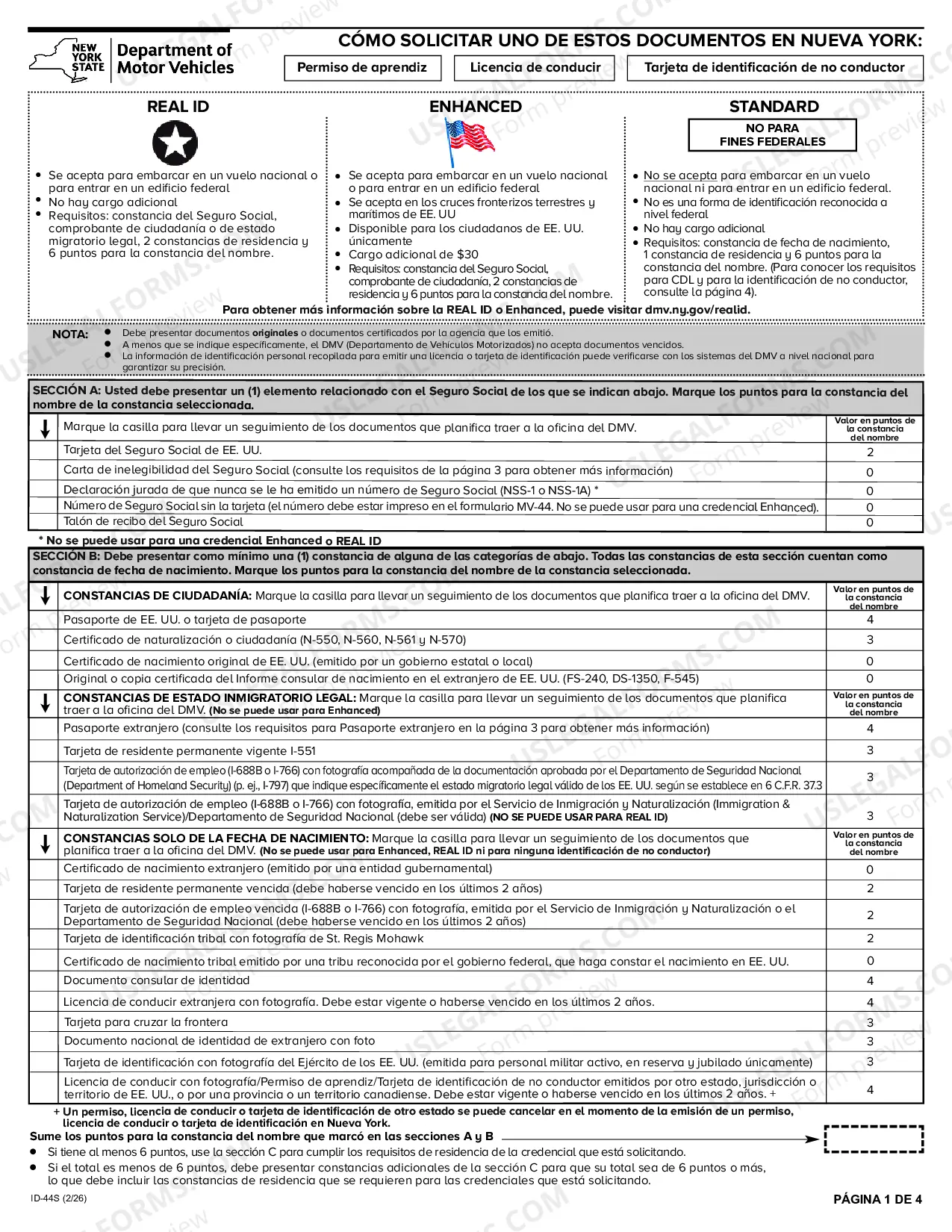

Form popularity
FAQ
While employment contracts establish a traditional employer-employee relationship with greater control and benefits, consulting agreements offer flexibility, independence, and project-based arrangements.
Having a written service agreement establishes clearer expectations by setting distinct responsibilities for all of the parties involved over a preset period of time. If you and your accountant are ever involved in a dispute in the future, your written contract will serve as a shared basis that you can always refer to.
While they do need solid math skills, the job involves much more than just number crunching. Modern-day accounting is a blend of analysis, problem-solving, and detective work. To do the job right, you must be able to communicate effectively and deal with people—not just numbers.
To write a simple contract, title it clearly, identify all parties and specify terms (services or payments). Include an offer, acceptance, consideration, and intent. Add a signature and date for enforceability. Written contracts reduce disputes and offer better legal security than verbal ones.
But having the assistance of an accountant will help you avoid the possibility by minimising mistakes in your tax returns, and means you can rely on their support during any investigation process.
HOW DO YOU KNOW IF A CPA IS RIGHT FOR YOU? Industry Expertise: Make sure the CPA has experience in your specific line of business so they can give you good advice. Proactive Communication. Responsiveness. Up-to-Date Knowledge. Range of Services. References and Reviews. Professional Ethics. Personal Compatibility:
Here are six best practices to write a consulting contract that defines your project scope and protects both you and your business. Define Duties, Deliverables, and Roles. Prepare for Potential Risk. Specify Project Milestones and Engagement Time. Identify Expenses and Outline Payment Terms. Specify Product Ownership.
Whether you're an accountant or a business owner, an accounting agreement is a legally binding contract that outlines the terms and conditions of the accounting services to be provided.
The Experience Path Complete Your High School Diploma or GED Certificate. Find an Entry-Level Bookkeeping Job. Many bookkeeper positions do not require a degree, and an employer may train you for the role once you get hired. Receive On-the-Job Training. Pursue Continuing Education.
The qualifications that you need to work as an accounting contractor depend on the type of tasks that you perform. If you offer full accounting services, you need a degree in accounting, and you need to be a Certified Public Accountant (CPA).
