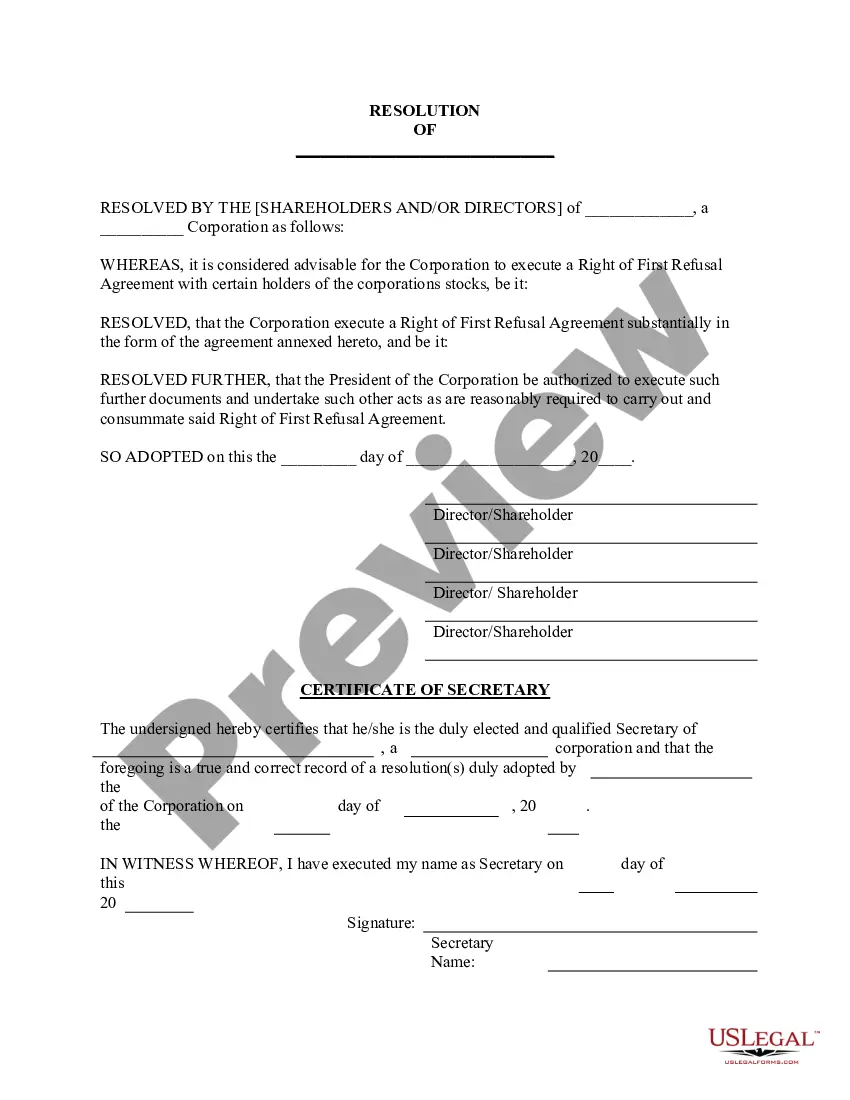
Contract For Training Employee In Montgomery
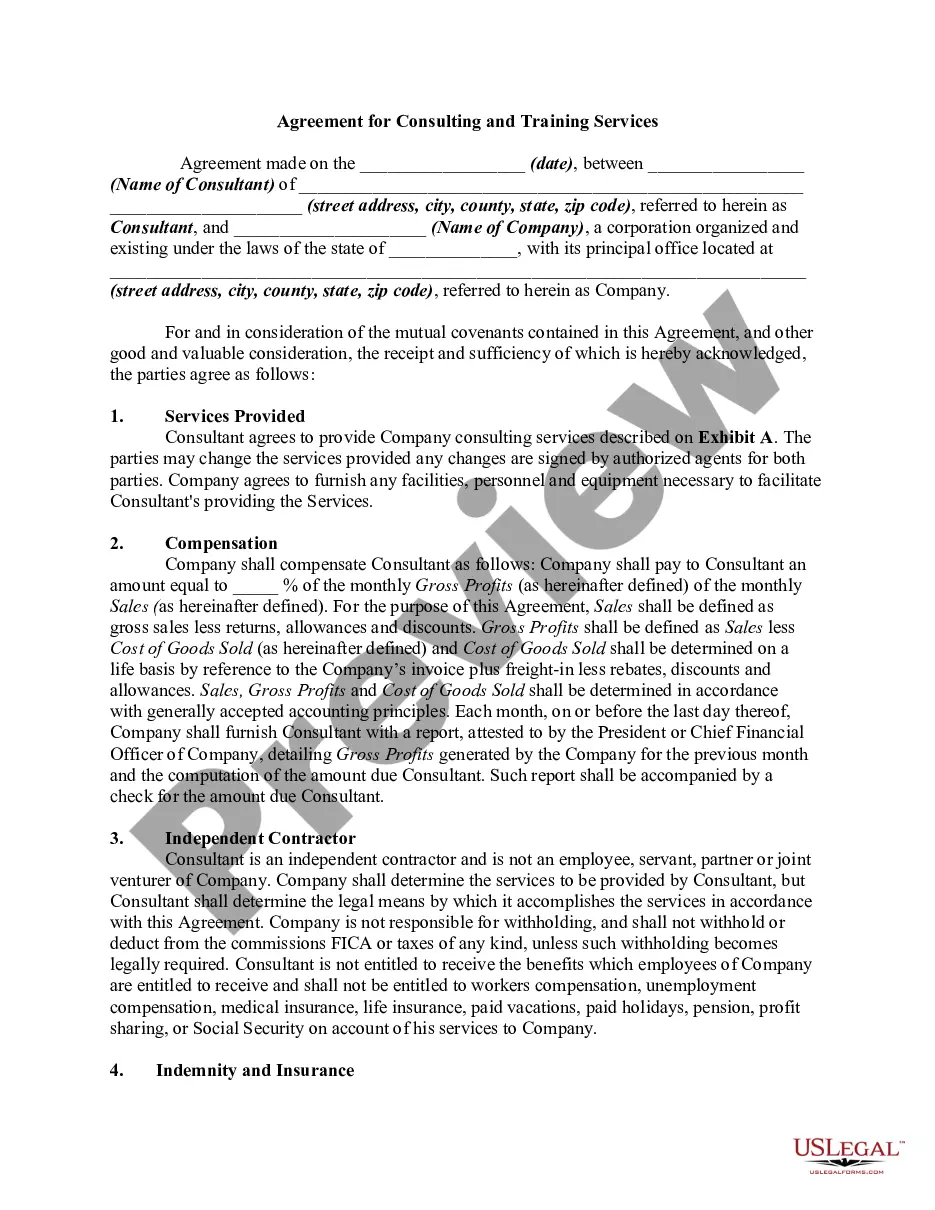
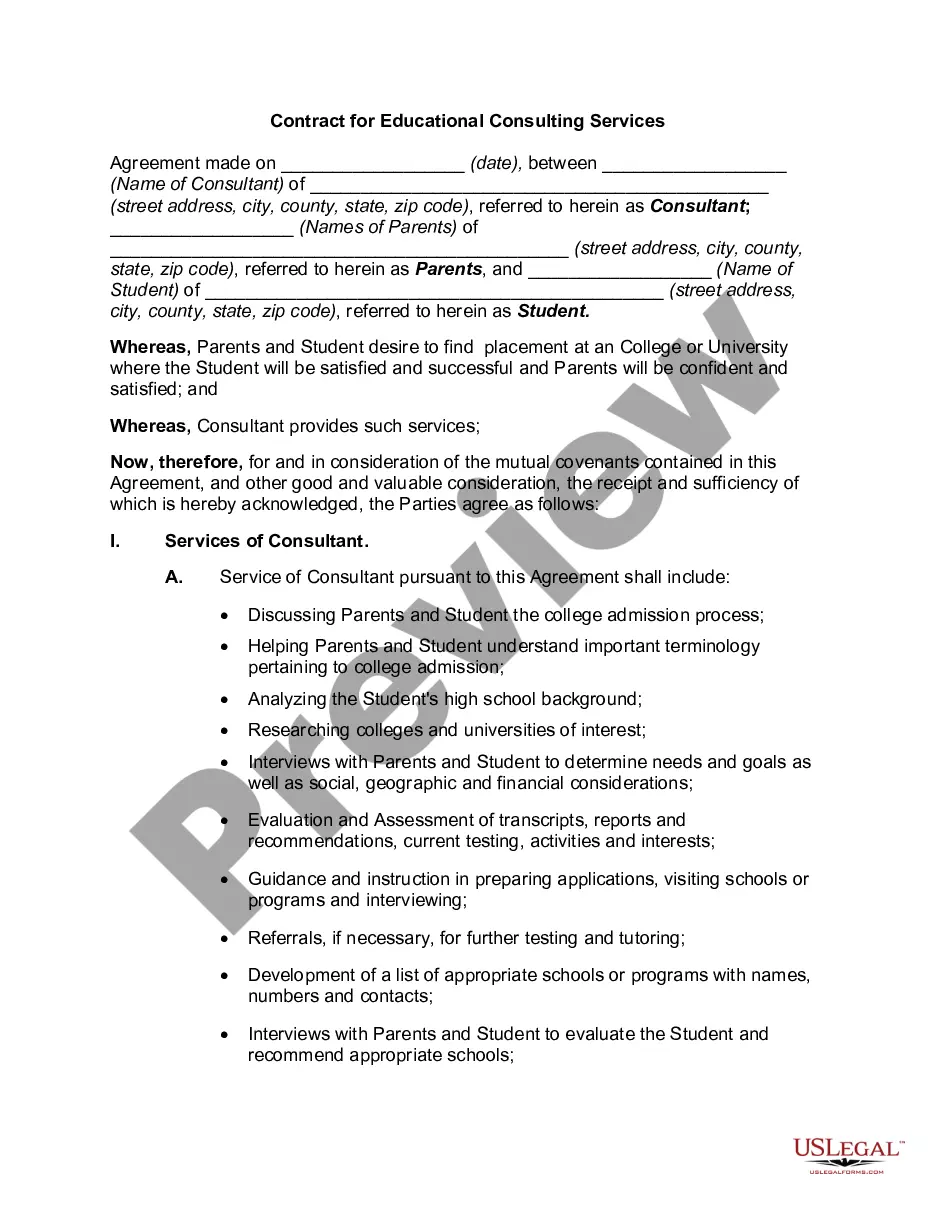
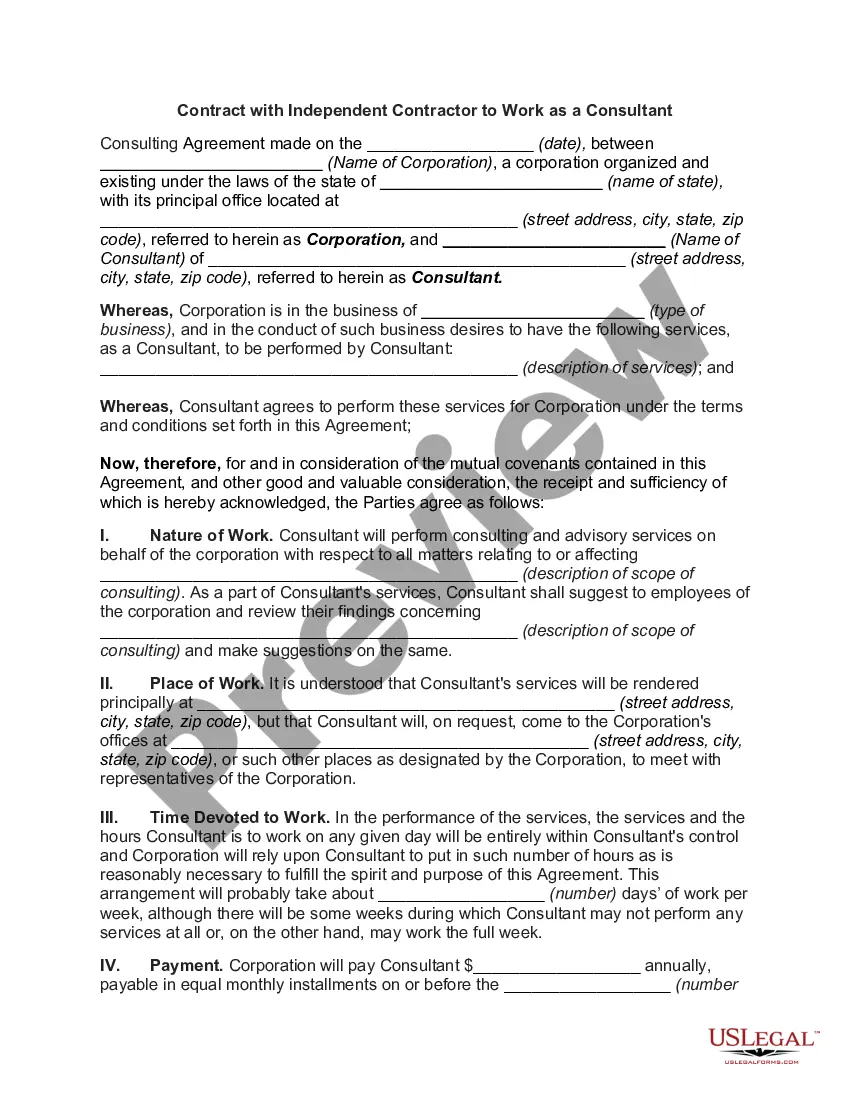
Description

Get your form ready online
Our built-in tools help you complete, sign, share, and store your documents in one place.
Make edits, fill in missing information, and update formatting in US Legal Forms—just like you would in MS Word.
Download a copy, print it, send it by email, or mail it via USPS—whatever works best for your next step.
Sign and collect signatures with our SignNow integration. Send to multiple recipients, set reminders, and more. Go Premium to unlock E-Sign.
If this form requires notarization, complete it online through a secure video call—no need to meet a notary in person or wait for an appointment.
We protect your documents and personal data by following strict security and privacy standards.

Make edits, fill in missing information, and update formatting in US Legal Forms—just like you would in MS Word.

Download a copy, print it, send it by email, or mail it via USPS—whatever works best for your next step.

Sign and collect signatures with our SignNow integration. Send to multiple recipients, set reminders, and more. Go Premium to unlock E-Sign.

If this form requires notarization, complete it online through a secure video call—no need to meet a notary in person or wait for an appointment.

We protect your documents and personal data by following strict security and privacy standards.
Looking for another form?






Form popularity
FAQ
If your employer pays for you to attend specific training, assuming this is training related to your work, there will be no tax liability arising.
You shouldn't let this stop you from ensuring that your employees get relevant and up-to-date training. As an employer, you can implement a training agreement with your employee. This is a legally binding document that outlines the terms and conditions of the training you will be giving your team.
Training agreements provide legal protection for employers. They can include clauses that allow employees to repay training expenses if they quit the company within a specific timeframe. This ensures the company can avoid the financial burden of training employees who end up leaving for other opportunities.
An agreement and a contract share the fundamental purpose of establishing mutual obligations between parties, yet they differ in their legal implications and formalities.
Training agreements provide legal protection for employers. They can include clauses that allow employees to repay training expenses if they quit the company within a specific timeframe. This ensures the company can avoid the financial burden of training employees who end up leaving for other opportunities.
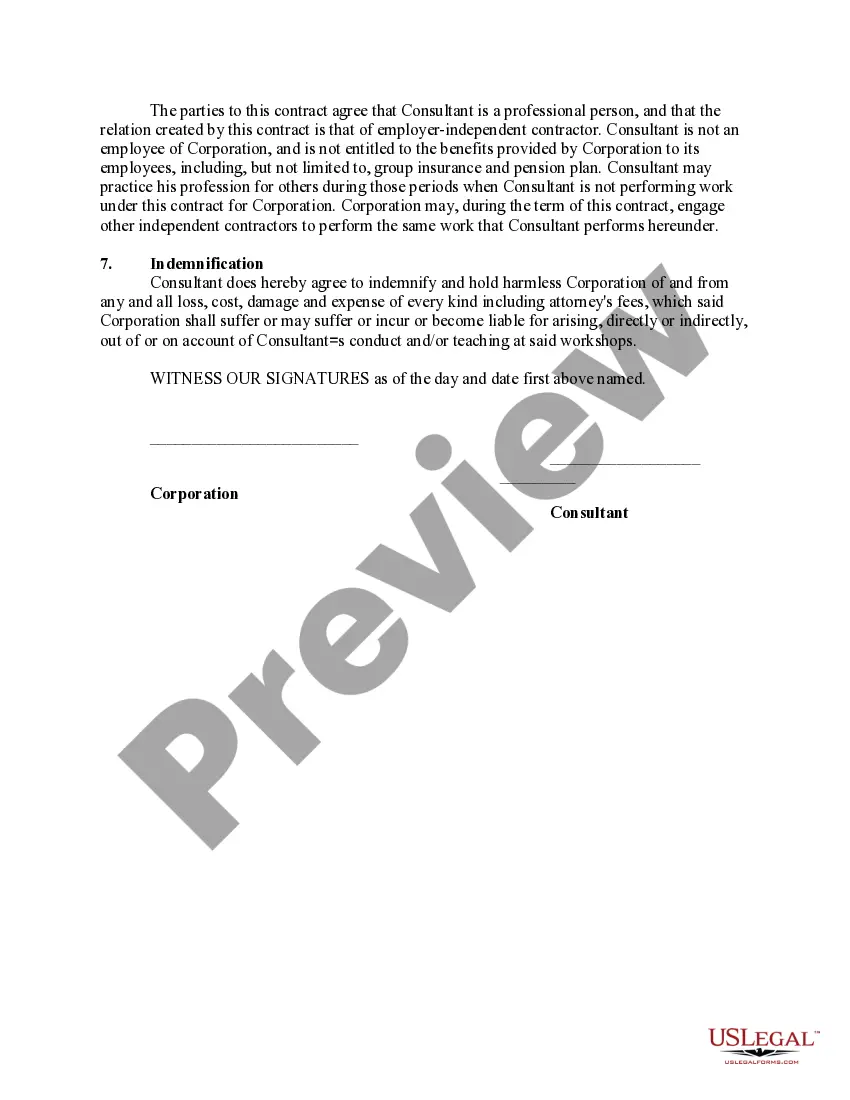
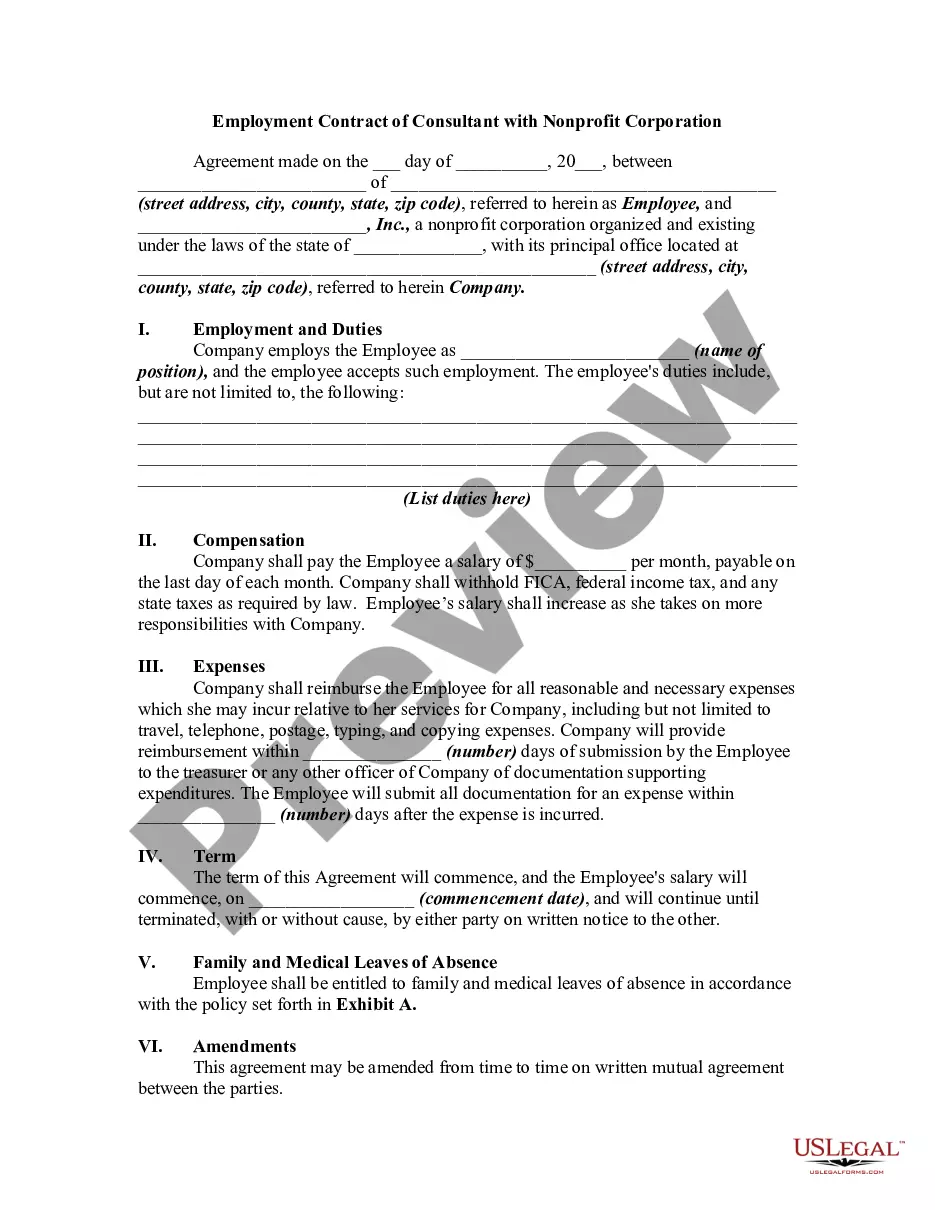
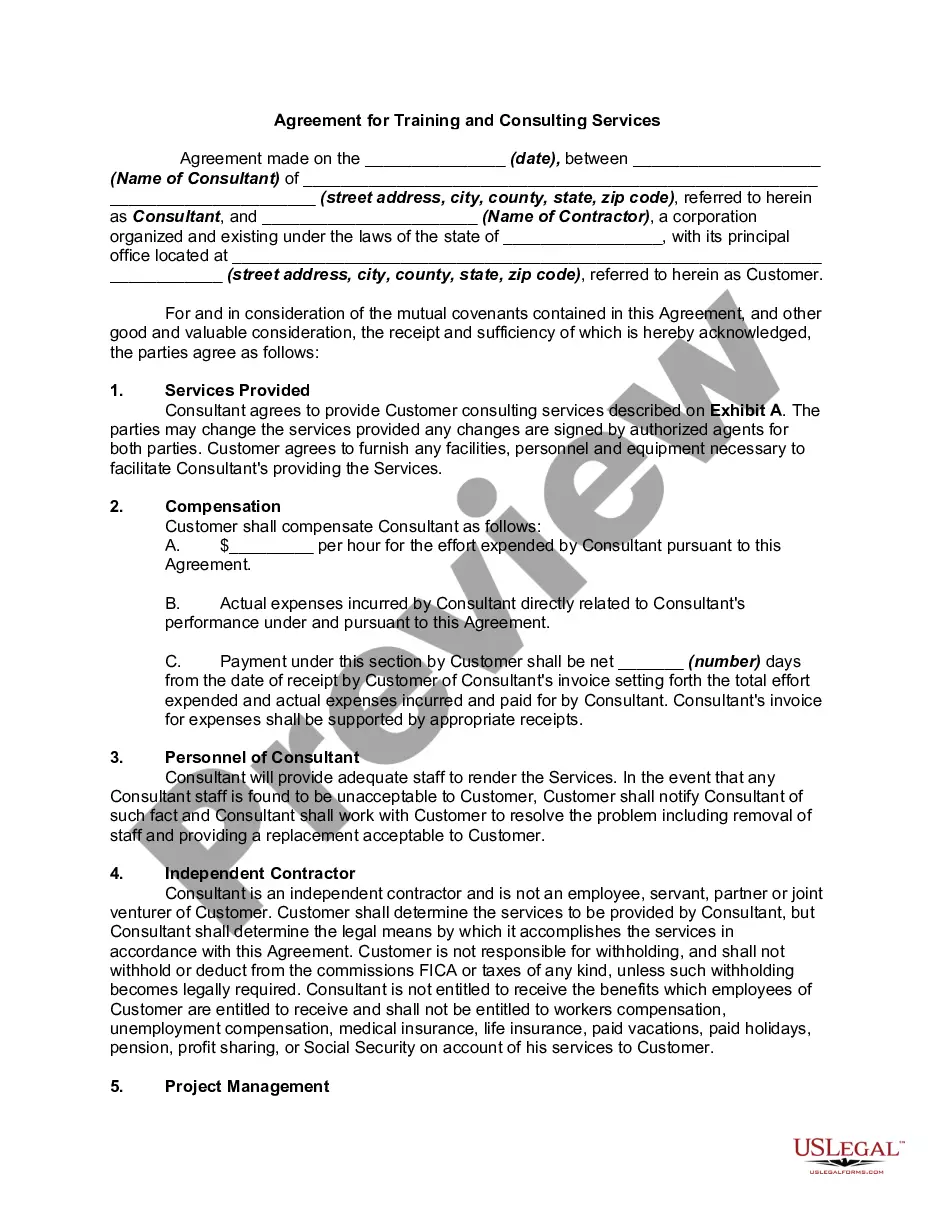
A training agreement is a written document, or contract, that specifies the conditions under which an employee will receive training from their employer. It typically includes details about the employee training programs, such as: The training duration. The costs involved.
Training plans can support individual and operational success by offering a clear roadmap for goal achievement. This can help individuals and organizations stay focused and on track. A well-designed training plan provides a structured approach to the larger goal, breaking it down into smaller, more manageable tasks.
It is issued by your current or former university or your educational institution and serves to prove that the internship would be a part of your studies and related to your education. The agreement is signed by the sending institution (university), the receiving company, and you, the intern.